


 English
 Español
 عربى
عربى
-
No Oil Pressure Symptoms: Warning Signs, Root Causes, and Urgent Action Steps
2026-09-15
A truck driver on a morning delivery run notices the red oil can symbol glowing on the dashboard. He turns on the radio, drives another three kilometers, and the engine begins to rattle. When the wrecker finally arrives, the crankshaft bearings have already w...rede more -
Engine Oil Pressure Too Low: Causes, Symptoms, Fixes & Prevention Guide
2026-09-09
You are sitting at a red light. The red oil can warning icon on the dashboard flickers on, then goes out as soon as you touch the accelerator. Five minutes later, at the next stop, it comes back. Many drivers convince themselves that it is just a sensor quirk...rede more -
Oil Pressure Low Stop Engine but Oil Is Full: Causes, Fixes and Prevention
2026-09-01
The message on the instrument panel reads OIL PRESSURE LOW STOP ENGINE, yet the dipstick pulls out clean, between the marks, clearly full. This combination confuses a lot of drivers, because the warning sounds like an oil level problem. It is not. The oil pre...rede more
Automotive Rubber Parts Supplier
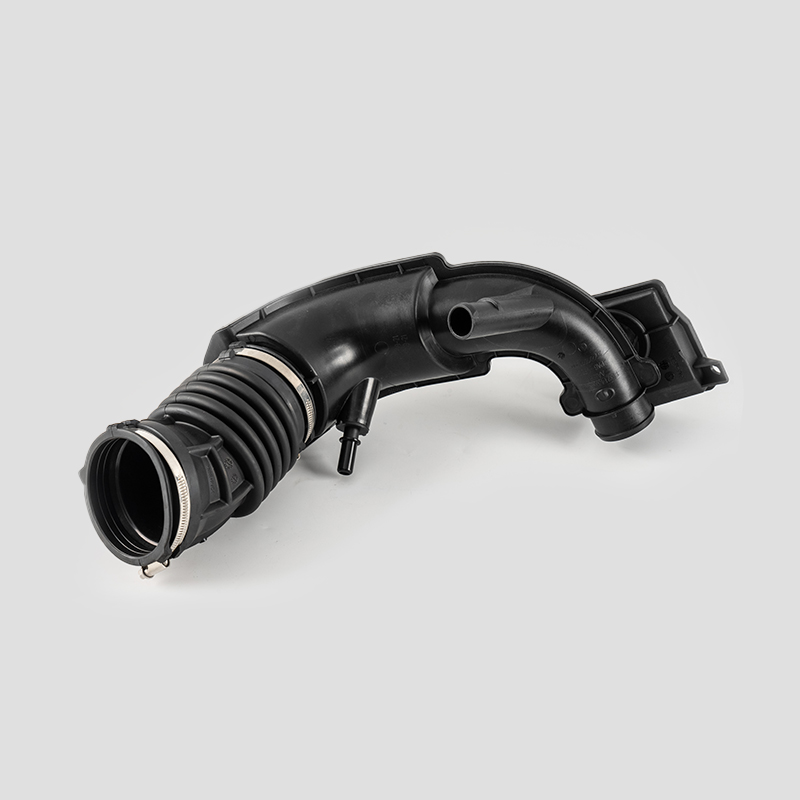
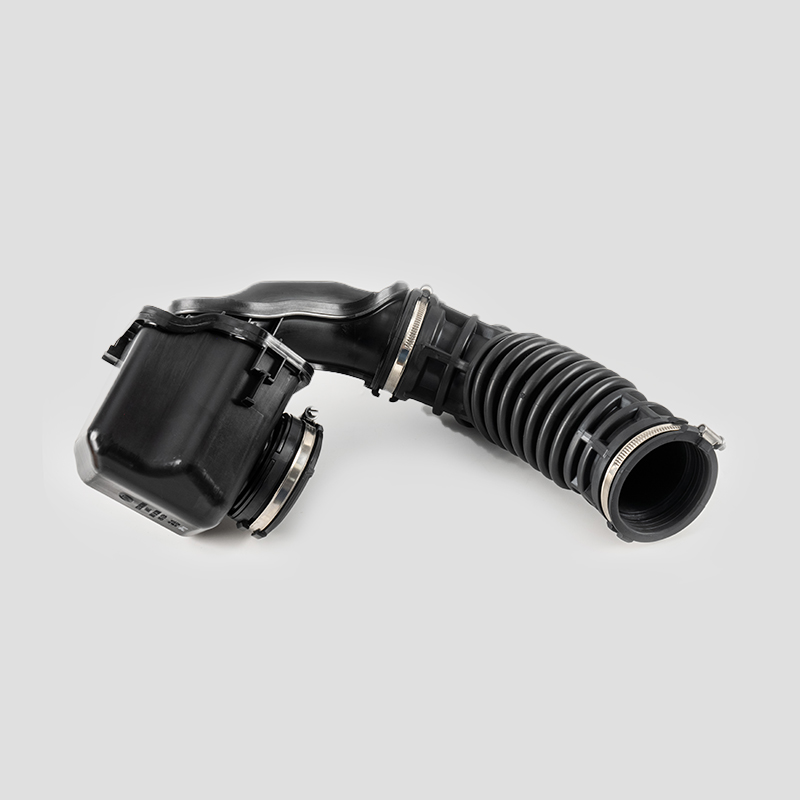
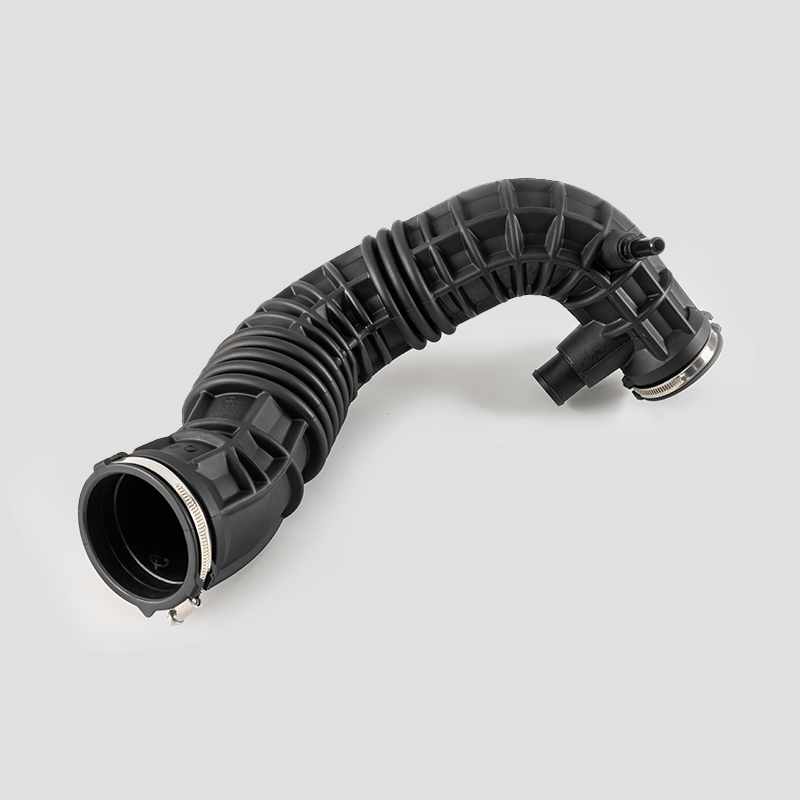
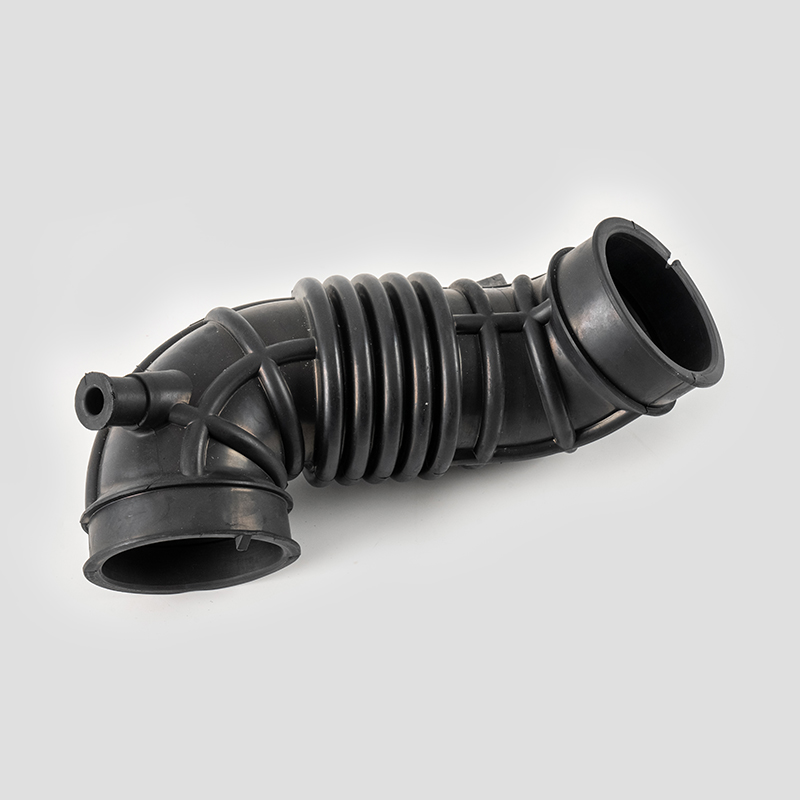
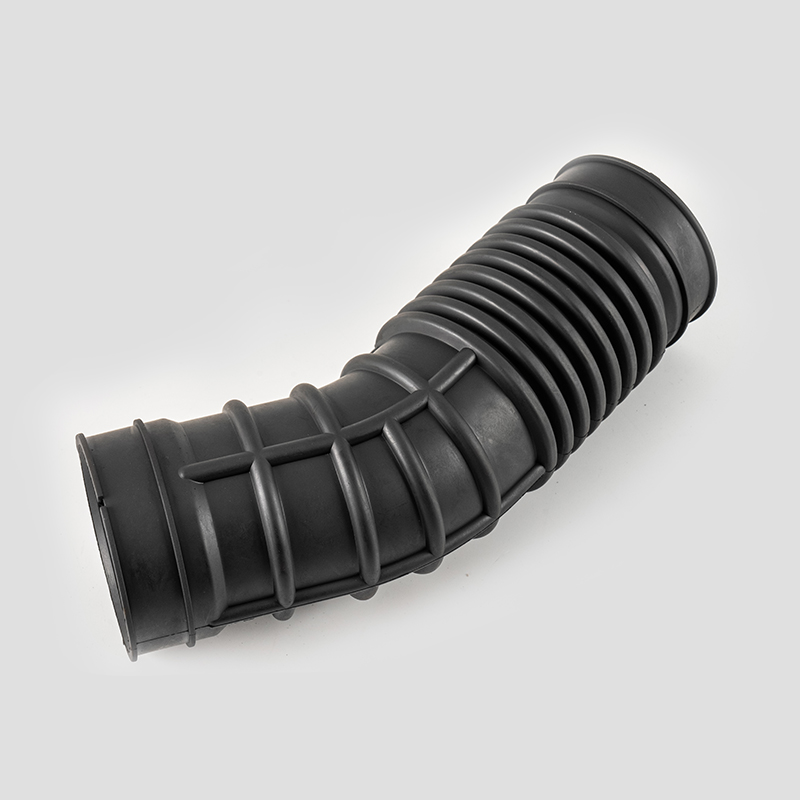
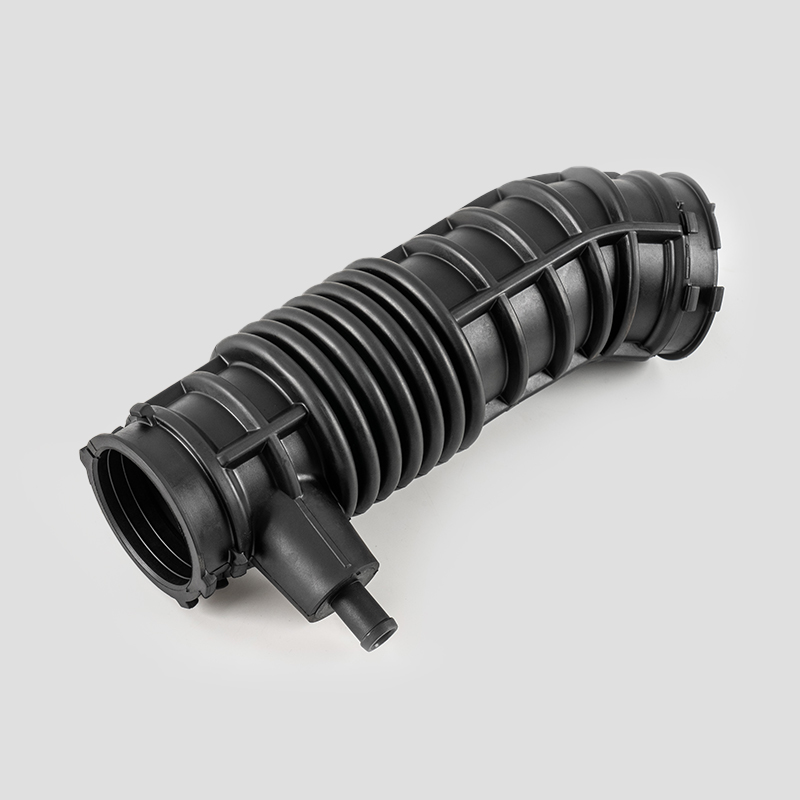
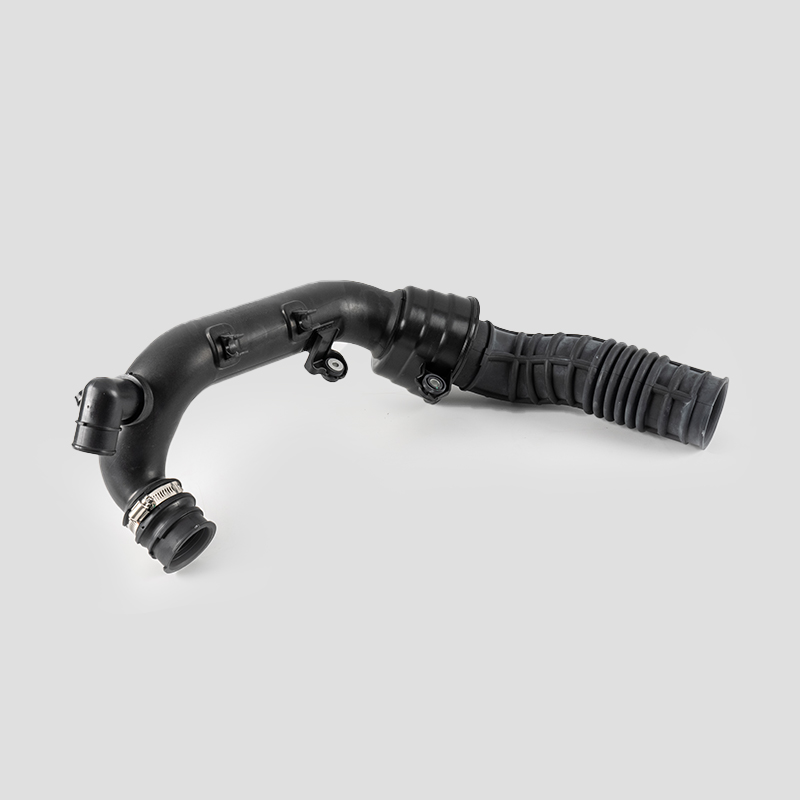
The rubber air hoses transport air into the engine cylinders.
WHO ARE WE?
Ningbo Heyuan Auto Parts Co., Ltd. is an integrated trade and manufacturing enterprise specializing in the production of various filters, including air filters, cabin filters, oil filters, diesel filters, gasoline filters, hydraulic filters, and special filters. NBHY produces over 50 million vehicle filtration systems and various filter elements annually, utilizing advanced plastic blow molding, rubber processing, and welding technologies, making it a diversified large-scale manufacturing base in China.
As a professional OEM Automotive Rubber Parts Supplier and ODM Automotive Rubber Parts Factory, With 30 years of professional design and production experience, NBHY is equipped with modern large-scale production workshops, R&D, business, and office centers, we have strict production, testing equipment and assembly lines. All product development is carried out using computer-aided design, while production strictly adheres to the ISO/TS16949:2009 and ISO9001:2000 quality management systems. Our product quality is highly praised by customers domestically and internationally, with products exported to over a dozen countries and regions, including Europe, the Middle East, and Japan.
Currently, the company mainly provides processing and production services for domestic OEMs and well-known international brands, including over a dozen Fortune 500 companies, and has become an important supplier of filtration systems in China.
-

Industry Experience
0+ -

Modern Intelligent Factory
0+ -

Cooperating Automobile Enterprises
0+ -

Technical Engineers
0+
/ KEEP IN TOUCH
Feel free to ask for any info on NBHY.We are committed to understanding your needs and providing you with the right solution. Our experts will respond to all inquiries within 12 hours.
News
Automotive Rubber Parts Industry knowledge
Main rubber materials used in the production of Rubber Parts
1. Neoprene (CR)
Features: Good oil resistance, heat resistance and aging resistance, as well as certain elasticity and mechanical strength.
Application: Commonly used in the manufacture of automotive seals, gaskets and oil-resistant parts.
2. Styrene-butadiene rubber (SBR)
Features: Excellent wear resistance and weather resistance, relatively low price, suitable for large-scale production.
Application: Widely used in automotive tires, gaskets and other wear-resistant parts.
3. Natural rubber (NR)
Features: Good elasticity, wear resistance and low temperature performance, but poor oil resistance.
Application: Mostly used in the manufacture of automotive suspension system parts and some interior parts.
4. Silicone rubber (SI)
Features: High temperature resistance, low temperature resistance, good electrical insulation and chemical stability.
Application: Suitable for sealing and insulating materials for automotive electrical components, as well as high temperature resistant parts.
5. Polyurethane rubber (PU)
Features: Good mechanical properties, wear resistance and oil resistance, and the hardness can be adjusted according to demand.
Manufacturing processes used in rubber molding
1. Compression Molding
Put the rubber material into the mold, heat and pressure to make the material flow and fill the mold, and finally cool and solidify to form.
2. Injection Molding
Inject the molten rubber into the mold, use high pressure to fill the material to the mold shape, and cool and form.
3. Transfer Molding
Put the rubber material into the transfer cavity, and transfer the material to the mold for molding by heating and pressure.
4. Extrusion Molding
Heat the rubber material and extrude it through the mold. It is suitable for long strips or special shapes.
5. Hot Pressing
Apply heat and pressure in the mold to solidify the rubber material. It is suitable for parts with specific requirements.
6. Cold Pressing
Compression molding is performed at room temperature, usually for small batch production.



Copyright © Ningbo Heyuan Auto Parts Co., Ltd. Rights Reserved. OEM Automotive Rubber Parts Supplier Wholesale Automotive Rubber Parts Factory
