


 English
 Español
 عربى
عربى
How Automotive Injection Molding Components Improve Engine Air Filtration
Content
- 1 Company Overview: Ningbo Heyuan Auto Parts Co., Ltd.
- 2 How an Engine Air Filtration System Housing Assembly Works
- 3 What Goes Into an Automotive Injection Molding Component
- 4 Vehicle Platform Coverage for Housing Assemblies
- 5 Automotive vs Motorcycle Housing Assembly Requirements
- 6 Quality Management Coverage Across the Production Process
- 7 Practical Guidance for Sourcing Housing Assemblies
- 8 Frequently Asked Questions
An automotive injection molding component used in an engine air filtration system housing assembly directly affects how well the intake air is sealed and filtered before it reaches the cylinder. The housing itself does not filter air, but its molded geometry, sealing surfaces, and fitment accuracy determine whether the filter element inside it can do its job without unfiltered air bypassing the media through a poor seal. This article explains how these housing assemblies are engineered and manufactured, what typically goes into the injection molding and rubber sealing process, and how housing requirements differ across common automotive and motorcycle platforms. It is written for procurement teams, aftermarket parts buyers, and vehicle maintenance planners who are sourcing engine air filtration system housing assemblies and want a practical, technically grounded reference rather than a generic product description. Several data visualizations are included throughout to make manufacturing composition, platform coverage, and performance comparisons easier to interpret quickly.
Company Overview: Ningbo Heyuan Auto Parts Co., Ltd.
Ningbo Heyuan Auto Parts Co., Ltd. is a trade and manufacturing enterprise specializing in the production of various filters, with an annual output of over 50 million filtration assemblies and filters. As a professional automobile filter parts manufacturer in China, the company adopts advanced plastic blow molding, rubber processing, and welding technology, supported by a modern production workshop and R&D center. The production process strictly observes the ISO/TS16949:2009 and ISO9001:2000 quality management systems, which govern how each automotive injection molding component is designed, tooled, and inspected before it leaves the factory. This combination of process control and dedicated filtration manufacturing experience is the foundation for the housing assembly and filter product lines discussed throughout this article.
How an Engine Air Filtration System Housing Assembly Works
The automobile air filter is located in the engine intake system, and it is an assembly composed of one or more filter components that clean the air before it enters the engine. Its main function is to filter out harmful impurities in the air that would otherwise enter the cylinder, which helps reduce early wear of the cylinder, piston, piston ring, valve, and valve seat. The housing assembly is the molded enclosure that holds the filter element in a fixed position, seals against the intake duct, and directs airflow through the filter media in a controlled path. Because the housing is produced as an automotive injection molding component, its wall thickness, rib structure, and sealing groove geometry are engineered to withstand vibration, intake vacuum pressure, and, in many under-hood locations, sustained heat exposure. A poorly fitted or dimensionally inaccurate housing can allow unfiltered air to bypass the filter media entirely, which defeats the purpose of the filtration system regardless of how effective the filter media itself is.
No product photograph was provided for this article, so the diagram above is a labeled isometric schematic intended to show how the upper cover, lower housing, sealing gasket, and filter media relate to one another mechanically, rather than an actual photograph of a specific part. This kind of schematic view is useful for explaining why sealing surface accuracy matters as much as the filter media itself, since air will always take the path of least resistance and will bypass the media if the housing does not clamp the gasket evenly.
What Goes Into an Automotive Injection Molding Component
Producing a durable air filtration system housing assembly generally combines three manufacturing processes: plastic injection or blow molding for the rigid housing body, rubber processing for the sealing gasket, and welding technology for joining the upper cover to the lower housing along the parting line. Each process contributes a different share of the finished assembly's material composition and cost structure, and understanding this composition helps explain where quality control attention typically needs to be concentrated. The rigid molded plastic body generally represents the largest share of the assembly by both weight and volume, since it forms the entire structural enclosure. The rubber sealing gasket represents a smaller share by weight but has an outsized effect on filtration performance, since even a thin gasket section failure can allow unfiltered air to bypass the media. Welded or clipped joints along the housing seam represent the remaining share and are critical for maintaining a sealed enclosure under vibration and thermal cycling.
The stacked bar chart below presents an illustrative breakdown of the general material and process composition for a typical automotive engine air filtration system housing assembly, split into molded plastic body, rubber sealing components, and joint or fastening hardware. This composition is intended to represent common industry construction patterns rather than the exact bill of materials for any single part number. The chart format was chosen because it clearly shows both the total assembly makeup and the relative share contributed by each manufacturing process in one compact view. Reading the bar from bottom to top shows that the molded plastic body dominates the overall composition, which is consistent with its role as the primary structural and sealing-surface component. This general composition pattern is useful context before comparing how housing requirements shift across different vehicle platforms in the next section.
The chart shows that the molded plastic body, represented by the largest lower segment, generally accounts for the majority share of the finished housing assembly, which reflects why injection molding tooling accuracy is the single most influential factor in overall part quality. The rubber sealing gasket, shown as the middle segment, occupies a comparatively smaller share of total material but plays a disproportionately important functional role, since gasket compression set and rebound behavior directly determine long-term sealing performance. The joints and fastening hardware segment, shown at the top, is the smallest by material share but is where assembly-line process control, including weld consistency and clip engagement force, most directly affects whether the housing stays sealed under sustained engine vibration. This composition pattern is fairly consistent across automotive engine air filtration system housing assemblies for different vehicle platforms, including sedan, SUV, and light commercial applications, even though the exact dimensions and mounting geometry vary considerably between them. Understanding this composition also clarifies why a reputable automobile filter parts manufacturer invests heavily in mold design and rubber compound selection rather than treating the housing as a simple commodity plastic part. Rubber processing quality, in particular, benefits from tight control of compound formulation and cure conditions, since inconsistent rubber hardness can lead to uneven gasket compression across the sealing perimeter. Plastic blow molding and injection molding processes both require precise control of wall thickness to avoid warping after demolding, since warped housings are one of the more common root causes of field-reported sealing complaints. Welding technology used to join the upper and lower housing shells needs to produce a consistent, vibration-resistant bond line without introducing stress concentrations that could crack under thermal cycling. Because the housing operates in the engine bay, exposure to heat, road vibration, and moisture all place ongoing mechanical demands on every one of these three process categories simultaneously. This is why the ISO/TS16949:2009 and ISO9001:2000 quality management systems referenced earlier in this article apply across the full manufacturing chain, from raw material intake through molding, rubber processing, welding, and final assembly inspection.
Vehicle Platform Coverage for Housing Assemblies
Engine air filtration system housing assemblies are engineered to fit the specific intake geometry, mounting points, and engine bay layout of a given vehicle platform, which means a single generic housing design cannot serve every application. Common platforms supported by dedicated housing assembly designs include the GAC A57 automotive engine air filtration system housing assembly, the Great Wall A30 automotive engine air filtration system housing assembly, the Great Wall B30 automotive engine air filtration system housing assembly, general Great Wall automotive engine air filtration system housing assemblies, BAIC automotive engine air filtration system housing assemblies, BAIC SUV automotive engine air filtration system housing assemblies, and the Ford New Mondeo automotive engine air filtration system housing assembly. Table 1 below summarizes these platform-specific housing assemblies alongside their general vehicle segment, which helps buyers quickly identify the correct housing category for their sourcing needs.
| Platform | Housing Assembly | General Segment |
|---|---|---|
| GAC A57 | GAC A57 Automotive Engine Air Filtration System Housing Assembly | Passenger sedan |
| Great Wall A30 | Great Wall A30 Automotive Engine Air Filtration System Housing Assembly | Passenger vehicle |
| Great Wall B30 | Great Wall B30 Automotive Engine Air Filtration System Housing Assembly | Passenger vehicle |
| Great Wall (general) | Great Wall Automotive Engine Air Filtration System Housing Assembly | Multiple models |
| BAIC | BAIC Automotive Engine Air Filtration System Housing Assembly | Passenger vehicle |
| BAIC SUV | BAIC SUV Automotive Engine Air Filtration System Housing Assembly | SUV |
| Ford New Mondeo | Ford New Mondeo Automotive Engine Air Filtration System Housing Assembly | Mid-size sedan |
The donut chart below shows an illustrative distribution of housing assembly design coverage across these platform categories, grouped into sedan, SUV, and multi-model general applications, to give a general sense of how broad a manufacturer's platform coverage typically needs to be to serve the current vehicle market. Each segment of the ring represents one general vehicle segment rather than an exact production volume figure for any specific customer order. This chart type was selected because it communicates proportional coverage clearly within a compact visual footprint, which suits a comparison across several platform categories at once. The relative segment sizes reflect a general industry pattern of platform diversity rather than a precise audited statistic. Readers sourcing a specific platform assembly can use this chart as general context for understanding how platform-specific tooling investment is typically distributed across a filter manufacturer's product range.
The chart shows sedan-platform housing assemblies, including the GAC A57 and Great Wall A30 and B30 designs, generally occupying the largest combined share of the illustrative coverage distribution, which is consistent with sedans remaining a high-volume vehicle category across many markets. SUV-platform coverage, represented by the BAIC SUV housing assembly, holds a meaningful secondary share, reflecting the continued growth of SUV models across multiple automakers in recent years. The multi-model general Great Wall and BAIC categories capture platforms where a single housing design, or a small family of closely related designs, serves several vehicle variants sharing similar engine bay geometry, which is a common cost-efficient engineering approach for automakers. Motorcycle platforms occupy a distinct and smaller segment, since motorcycle engine air filtration system housing assemblies differ substantially in size, mounting method, and environmental exposure compared with passenger vehicle housings, a difference explored further in the next section. The Ford New Mondeo housing assembly is shown as its own segment to highlight that platform coverage extends beyond domestic Chinese automaker models to include joint-venture and international nameplates sold in the Chinese market. This breadth of coverage illustrates why a manufacturer supplying automotive injection molding components for filtration housings typically maintains a large and continuously expanding mold and tooling library rather than a small fixed catalog. For buyers evaluating a potential supplier, platform coverage breadth is a reasonable proxy for tooling and engineering capacity, since developing a new housing assembly design generally requires dedicated mold development and validation testing for each distinct platform. Because vehicle models are periodically updated or replaced by automakers, maintaining broad platform coverage also requires an active new-model tracking and tooling development process rather than a static one-time product list. This is one of the reasons platform-specific housing assemblies, such as those listed in Table 1, are typically developed and validated on an ongoing basis rather than produced as a single unchanging product range.
Automotive vs Motorcycle Housing Assembly Requirements
Motorcycle engine air filtration system housing assemblies, including the Jedi motorcycle engine air filtration system housing assembly and general motorcycle engine air filtration housing assembly designs, share the same basic sealing and filtration principles as automotive housings but operate under a distinctly different set of mechanical conditions. Motorcycle engines typically expose the housing assembly to more direct airflow, more varied mounting orientations, and, in many designs, greater exposure to road spray and vibration than a passenger vehicle's under-hood location provides. Automotive housings, by contrast, generally benefit from a more protected engine bay environment but must accommodate more complex ducting paths and, in many platforms, tighter packaging constraints around other engine components. These differences influence decisions such as wall thickness, gasket compound selection, and mounting bracket design, even though the underlying goal of sealing the filter media against bypass air remains identical across both vehicle types. Comparing the two housing categories side by side on several performance dimensions helps clarify why a manufacturer needs distinct engineering approaches for automotive and motorcycle product lines rather than a single shared design.
The radar chart below compares automotive and motorcycle engine air filtration system housing assemblies across four illustrative performance dimensions: vibration resistance, weather sealing, heat exposure tolerance, and packaging compactness, using a general 0 to 10 qualitative rating scale. This chart format was chosen because it allows several performance dimensions to be compared for two product categories in a single compact view, which a simple bar chart would need multiple separate panels to achieve. The ratings reflect general engineering characteristics associated with each vehicle type's typical operating environment rather than measured test data for a specific part number. Reading the two overlapping shapes shows where motorcycle and automotive housings diverge most and where their requirements are closer together. This comparison is intended to support engineering and sourcing discussions about which housing category a given design requirement falls into, rather than to serve as a certified test report.
The chart shows motorcycle housing assemblies generally scoring higher on vibration resistance and weather sealing requirements, which is consistent with their more exposed mounting position and direct exposure to road conditions compared with an enclosed automotive engine bay. Automotive housing assemblies generally score higher on packaging compactness, reflecting the tighter integration required around other under-hood components such as the battery, coolant reservoir, and wiring harnesses in a modern passenger vehicle engine compartment. Heat tolerance requirements are shown as relatively close between the two categories, since both automotive and motorcycle engines generate significant heat near the intake system, though the specific heat source location can differ between the two layouts. Media access ease, meaning how straightforward it is to remove and replace the filter element during routine maintenance, tends to favor motorcycle designs slightly in this illustrative comparison, since many motorcycle housings use simpler latch or clip mechanisms compared with some automotive housings that integrate more closely with surrounding ducting. Mounting flexibility also shows a modest advantage for motorcycle housings in this comparison, reflecting the wider variety of frame-mounting positions used across different motorcycle models compared with the more standardized under-hood mounting approach common in passenger vehicles. This comparison reinforces why the Jedi motorcycle engine air filtration system housing assembly and other motorcycle-specific housing designs are engineered as distinct product lines rather than scaled-down versions of automotive housings. It also explains why a manufacturer offering both automotive engine air filtration system housing assemblies and motorcycle engine air filtration system housing assemblies needs separate design validation processes for each category, even when using shared core manufacturing processes such as injection molding and rubber processing. For buyers sourcing across both vehicle types, understanding these general differences helps set realistic expectations about tooling lead time and design complexity when requesting a new housing assembly. The comparison also highlights that packaging compactness, which matters most for automotive platforms, and weather sealing, which matters most for motorcycle platforms, are the two dimensions most likely to require platform-specific engineering attention. Recognizing these distinctions supports better technical communication between a buyer and an automobile filter parts manufacturer when defining requirements for a new or replacement housing assembly design.
Quality Management Coverage Across the Production Process
Consistent housing assembly quality depends on more than good mold design, since injection molding, rubber processing, welding, and final assembly inspection all need to be controlled under a coherent quality management framework to produce a reliably sealing part at volume. The ISO/TS16949:2009 and ISO9001:2000 quality management systems referenced earlier in this article are structured to cover the full production chain, from incoming raw material verification through in-process dimensional checks to final functional inspection before packaging. Facilities producing at a scale of over 50 million filtration assemblies and filters annually, as stated for Ningbo Heyuan Auto Parts Co., Ltd., generally rely on standardized process control documentation and statistical process monitoring to maintain consistency across that volume. Illustrating how thoroughly a quality management framework typically covers the production chain helps explain why certification-backed manufacturing processes are generally associated with more consistent housing assembly sealing performance in the field. A gauge-style visualization is a useful way to represent this kind of overall process coverage concept in a single summary view.
The gauge chart below presents an illustrative indicator representing the general proportion of the housing assembly production chain, spanning raw material intake, molding, rubber processing, welding, and final inspection, that is typically covered under a structured quality management framework such as ISO/TS16949 and ISO9001. This is a conceptual illustration rather than an audited compliance percentage for any specific production run or facility. The gauge format was selected because it communicates a single summary coverage metric clearly and is visually distinct from the other chart types used earlier in this article. The needle position indicates a general coverage level, with the shaded arc providing a visual reference band from lower to higher coverage. This visualization supports a broader discussion of why standardized quality management matters for buyers evaluating an automotive injection molding component supplier, rather than serving as a certification document in itself.
The needle in this illustrative gauge sits toward the upper portion of the arc, reflecting the general expectation that a facility operating under ISO/TS16949:2009 and ISO9001:2000 typically applies structured process control across most stages of housing assembly production rather than only at final inspection. Raw material intake verification, which confirms that incoming plastic resin and rubber compound meet specification before entering production, is generally one of the more consistently covered stages under this kind of framework. Injection molding and rubber processing stages typically receive close attention as well, since dimensional and material property variation introduced at these stages is difficult to fully correct downstream. Welding and joint assembly coverage is also generally addressed within a mature quality system, since bond line consistency is directly tied to long-term sealing performance under vibration. Final functional inspection, which may include leak or fit checks on completed housing assemblies, typically serves as the last checkpoint before packaging and shipment. This kind of layered coverage across multiple production stages is one of the more meaningful indicators a buyer can use when evaluating whether a prospective automobile filter parts manufacturer is likely to deliver consistent housing assembly quality at scale. It also explains why a company producing tens of millions of filtration assemblies and filters annually needs standardized process documentation rather than relying on manual inspection alone to catch defects. For buyers sourcing automotive injection molding components for a new platform, asking a prospective supplier to describe their process coverage at each of these production stages is a practical way to assess manufacturing maturity beyond a general certification claim. Consistent process coverage across raw material, molding, rubber processing, welding, and final inspection stages is generally a more reliable quality signal than certification status alone, since certification confirms that a system exists without describing how thoroughly it is applied in daily production. This is a useful framing for procurement teams comparing multiple potential suppliers of engine air filtration system housing assemblies for a new or replacement vehicle platform program.
Practical Guidance for Sourcing Housing Assemblies
Sourcing the correct automotive engine air filtration system housing assembly or motorcycle engine air filtration housing assembly starts with gathering accurate platform and fitment information before requesting a quotation. The checklist below summarizes the information most commonly needed by an automobile filter parts manufacturer to confirm or develop a matching housing assembly design.
- Exact vehicle or motorcycle platform, model year range, and engine variant
- Existing housing assembly part number or physical sample dimensions, if available
- Mounting orientation and available packaging space within the engine bay or frame
- Environmental exposure conditions, including heat, vibration, and moisture ingress
- Required gasket compound or sealing performance considerations for the application
- Expected order volume and whether new mold tooling development is required
Providing this information early generally shortens the design confirmation or new tooling development process considerably, since it reduces the back-and-forth needed to clarify fitment and performance requirements. Buyers who supply complete platform and dimensional information up front tend to reach a confirmed housing assembly specification more quickly than those who begin with only a general product category request. This is particularly relevant for platform-specific parts such as the GAC A57, Great Wall A30, Great Wall B30, BAIC SUV, and Ford New Mondeo housing assemblies discussed earlier, where fitment accuracy is central to the part functioning correctly.
Frequently Asked Questions
Q1: What is an automotive injection molding component in the context of air filtration housings?
It generally refers to a molded plastic part, such as the upper cover or lower housing of an engine air filtration system housing assembly, produced through injection or blow molding to precise dimensional and structural specifications.
Q2: Are housing assemblies for different vehicle platforms interchangeable?
Generally no, since each housing assembly is engineered to match the specific intake geometry and mounting points of its platform, such as the GAC A57, Great Wall A30, Great Wall B30, BAIC, BAIC SUV, or Ford New Mondeo. Fitment accuracy is essential for correct sealing performance.
Q3: How do motorcycle housing assemblies differ from automotive housing assemblies?
Motorcycle engine air filtration system housing assemblies, including the Jedi motorcycle housing design, generally require greater vibration resistance and weather sealing due to more exposed mounting conditions, while automotive housings prioritize compact packaging within the engine bay.
Q4: What quality standards govern housing assembly production at Ningbo Heyuan Auto Parts?
Production follows the ISO/TS16949:2009 and ISO9001:2000 quality management systems, which cover raw material verification, molding, rubber processing, welding, and final inspection across the manufacturing chain.
Q5: Can a new housing assembly be developed for a platform not listed in this article?
Yes, new mold tooling and housing assembly designs are generally developed on an ongoing basis to support additional automotive and motorcycle platforms as market demand requires, based on accurate platform and fitment information.
Related Products
-
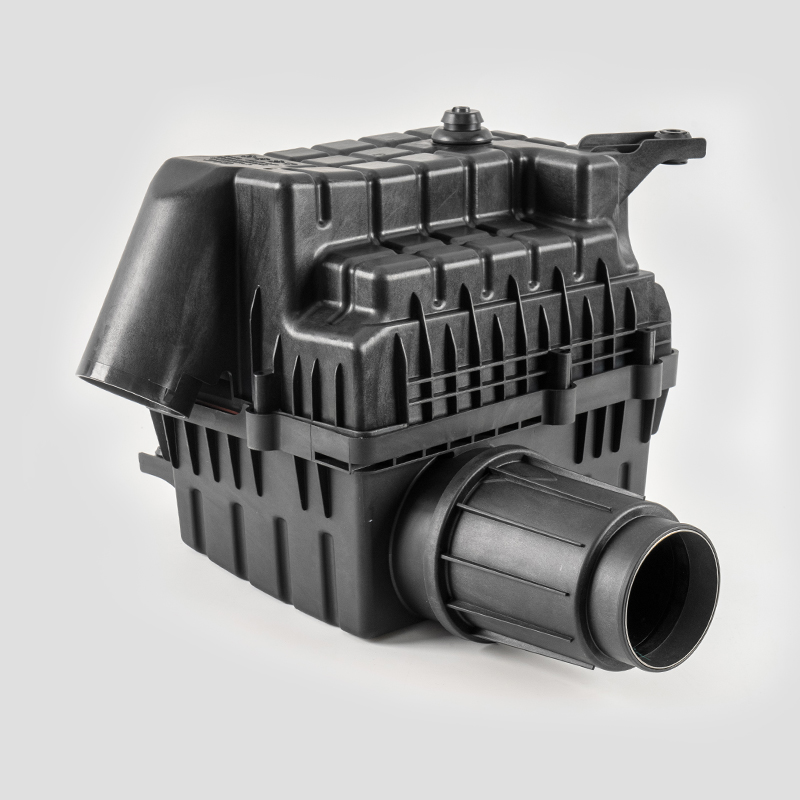
GAC A57 Automotive Engine Air Filtration System Housing Assembly
-
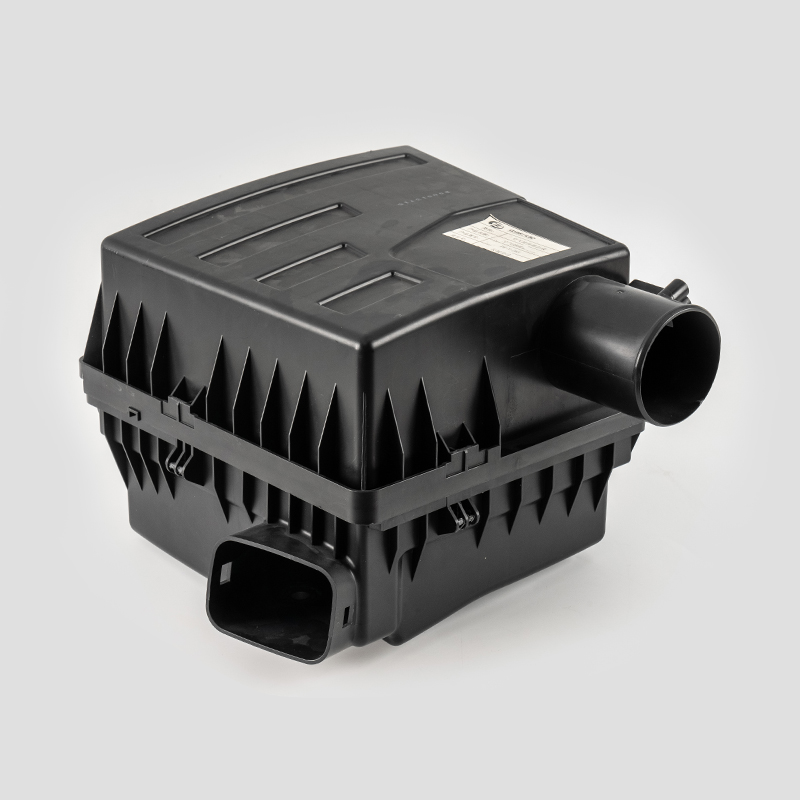
Great Wall A30 Automotive Engine Air Filtration System Housing Assembly
-
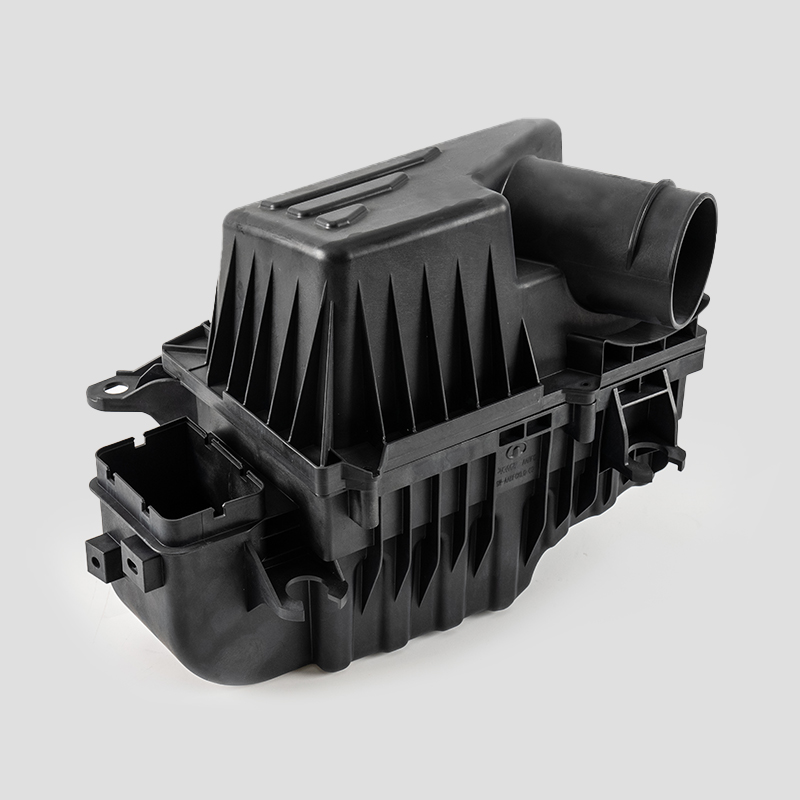
Great Wall B30 Automotive Engine Air Filtration System Housing Assembly
-
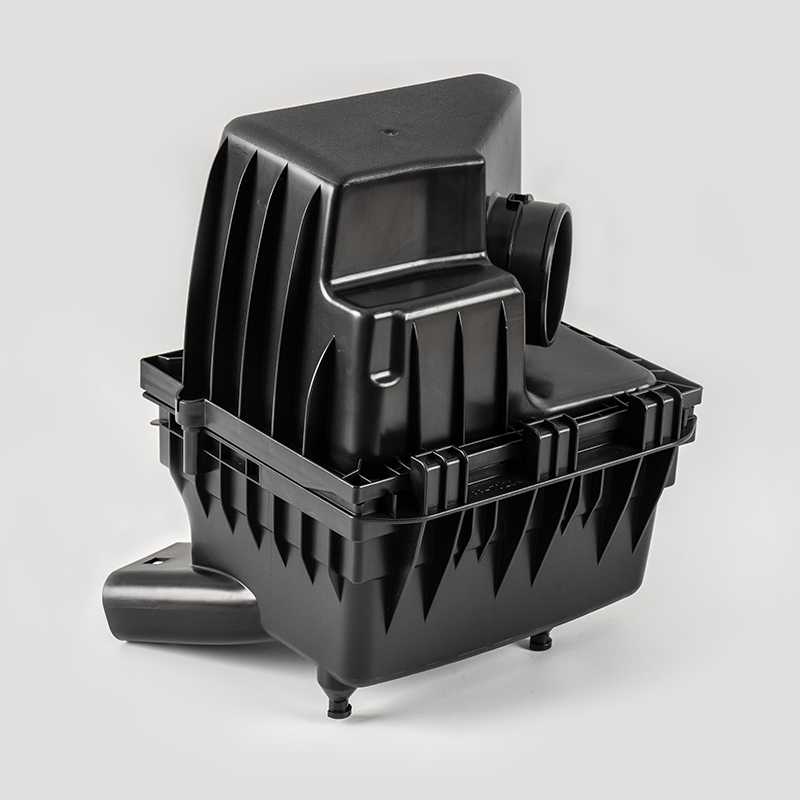
Great Wall Automotive Engine Air Filtration System Housing Assembly
-
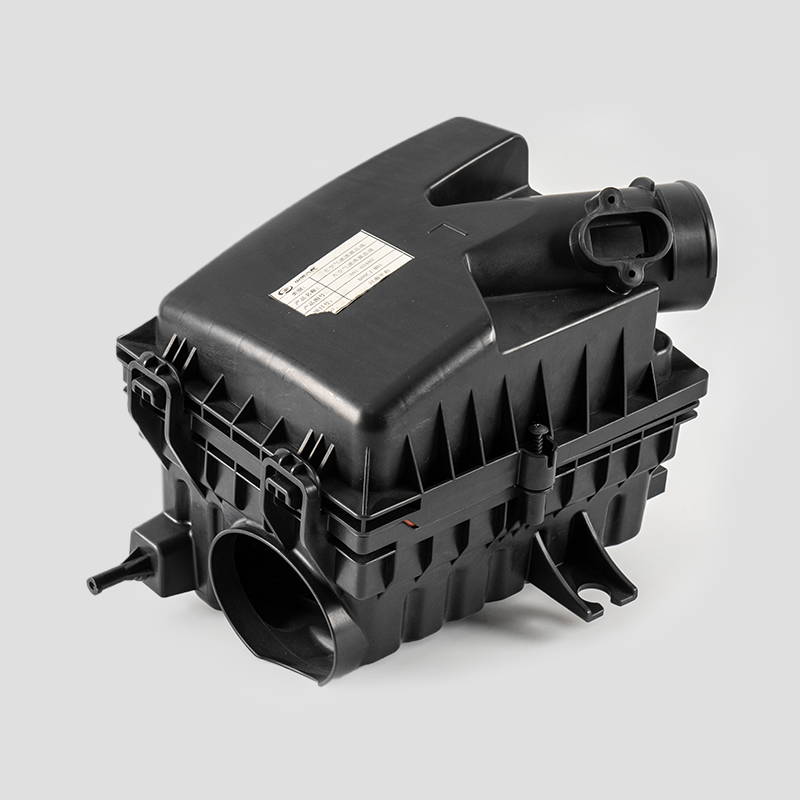
BAIC Automotive Engine Air Filtration System Housing Assembly
-
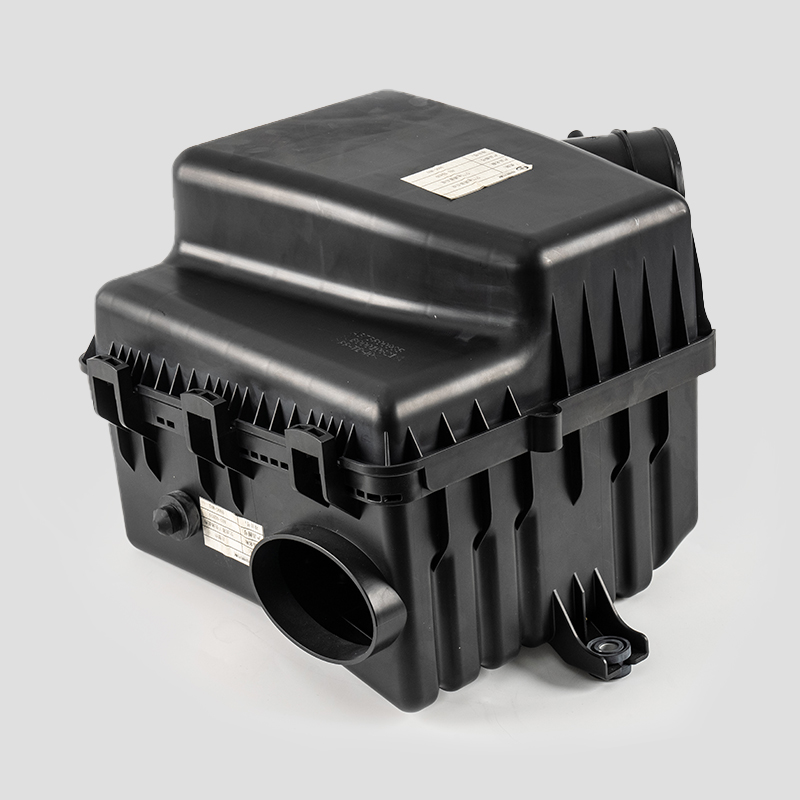
BAIC SUV Automotive Engine Air Filtration System Housing Assembly



Copyright © Ningbo Heyuan Auto Parts Co., Ltd. Rights Reserved. Custom Automobile Filter Parts Company OEM/ODM Automobile Filter Parts Manufacturer
