


 English
 Español
 عربى
عربى
Automotive Rubber Parts: Types, Structure, and Selection Guide
Content
- 1 Automotive Rubber Parts: Direct Answer and Market Overview
- 2 Common Types and Characteristics of Automotive Rubber Parts
- 3 Working Principles and Structural Design
- 4 Data Visualization: Material Distribution Across Automotive Rubber Parts
- 5 Application Scenarios and Selection Guide
- 6 Data Visualization: Fatigue Testing Trend Across Product Generations
- 7 Detailed Comparison of Automotive Rubber Part Categories
- 8 Data Visualization: Multi-Factor Performance Comparison
- 9 Data Visualization: Application Share by Vehicle System
- 10 Maintenance and Inspection Guidance
- 11 Manufacturing Standards and Production Background
- 12 Frequently Asked Questions About Automotive Rubber Parts
- 12.1 Q1: How long do automotive rubber parts typically last?
- 12.2 Q2: What is the difference between EPDM and NBR compounds?
- 12.3 Q3: Can automotive rubber parts be customized for specific vehicle models?
- 12.4 Q4: What causes premature failure in rubber seals?
- 12.5 Q5: How should buyers evaluate a new rubber parts supplier?
Automotive Rubber Parts: Direct Answer and Market Overview
The short answer is that automotive rubber parts are elastomer-based components engineered to absorb vibration, seal fluids, isolate noise, and protect mechanical assemblies from dust, heat, and moisture across engine, chassis, and body systems. A qualified China manufacturer typically produces these parts through compression molding, injection molding, or extrusion, using compounds such as NBR, EPDM, silicone, and natural rubber blends selected according to temperature range, oil exposure, and mechanical load. Selecting the correct rubber part requires matching material chemistry to the operating environment rather than choosing on appearance alone, since a mismatched compound can degrade prematurely under heat cycling or chemical exposure.
This article walks through the common types of automotive rubber parts, their structural principles, application scenarios, a detailed category comparison, maintenance guidance, and frequently asked questions. Readers looking for a China supplier or evaluating an OEM manufacturer for automotive rubber components will find practical, technical detail rather than general marketing claims. Four data visualizations are included to make material distribution, testing trends, multi-factor performance, and application share easier to interpret at a glance.
Key takeaway: Automotive rubber parts perform reliably only when compound selection, molding precision, and application fit are aligned together, not evaluated separately.
Common Types and Characteristics of Automotive Rubber Parts
Automotive rubber parts fall into several functional families, each defined by where it sits in the vehicle and what stress it must resist. Sealing components, including O-rings, gaskets, and door or window weatherstrips, are designed primarily to block water, dust, and air infiltration. Vibration and mounting components, such as engine mounts, bushings, and suspension bumpers, are engineered to isolate mechanical noise and absorb shock loads. Hose and tubing components handle coolant, fuel, or air transfer and must resist swelling from oil and fuel contact. Belts and diaphragms round out the category, typically requiring high flex-fatigue resistance for repeated cyclical motion.
- Sealing rubber parts: door seals, trunk seals, sunroof gaskets, and cylinder head gaskets.
- Vibration damping parts: engine mounts, transmission mounts, suspension bushings.
- Fluid transfer parts: radiator hoses, fuel hoses, vacuum tubing.
- Motion and drive parts: timing belts, drive belts, wiper blade inserts.
- Protective and boot parts: CV joint boots, dust covers, grommets.
A China factory serving multiple vehicle platforms usually keeps a broad compound library on hand, because sealing parts near the engine bay need higher heat tolerance than interior weatherstrips, while fuel-line hoses need fluorocarbon or NBR-based compounds instead of general-purpose EPDM. Reliable OEM/ODM production depends on this compound-to-application discipline being applied consistently across every batch.
| Category | Typical Compound | Primary Function |
|---|---|---|
| Door and window seals | EPDM | Weather sealing |
| Engine and transmission mounts | Natural rubber blend | Vibration isolation |
| Fuel and coolant hoses | NBR / fluorocarbon | Fluid transfer resistance |
| CV joint boots | Chloroprene (CR) | Grease retention and flex durability |
Key takeaway: Each rubber part category depends on a compound chosen specifically for its exposure conditions, not a single universal formula.
Working Principles and Structural Design
Rubber parts function through elastic deformation, meaning the material stretches, compresses, or shears under load and then returns to its original shape once the load is removed. This elasticity is what allows a suspension bushing to absorb road shock without transmitting harsh vibration into the cabin, and what allows a gasket to maintain a continuous seal even as mating surfaces expand slightly under heat. Structural design decisions, including wall thickness, durometer hardness, and reinforcement layers, determine how much deformation a part can tolerate before fatigue cracking begins.
Molding Methods Commonly Used
Compression molding is typically chosen for simple geometric shapes such as flat gaskets and bushings, where raw compound is placed in a heated mold cavity and cured under pressure. Injection molding suits complex geometries with tight tolerances, such as multi-lip seals or boots with internal ribbing, because the compound is injected into a closed mold under controlled pressure and temperature. Extrusion is used for continuous profile shapes such as weatherstrip channels and hose stock, where the compound is pushed through a shaped die and then cured in-line. A professional China producer matches molding method to part geometry rather than defaulting to one process for every product line, since forcing a complex seal through compression molding often produces flash and dimensional inconsistency.
- Durometer hardness (Shore A) affects both sealing force and wear resistance.
- Reinforcement layers, such as fabric or steel inserts, add dimensional stability to hoses and mounts.
- Surface finish and mold venting influence long-term appearance and reduce trapped air defects.
Key takeaway: Molding method and structural reinforcement must match part geometry to avoid premature fatigue failure.
Data Visualization: Material Distribution Across Automotive Rubber Parts
Before reviewing the chart below, it helps to understand why material distribution varies so widely across the automotive rubber category. Different compounds carry different cost, flexibility, and chemical-resistance profiles, so manufacturers do not use one rubber type for every application. EPDM remains widely used because it performs well against ozone, UV exposure, and weathering, which makes it a natural fit for exterior seals. NBR is favored in fuel and oil-contact environments because of its resistance to petroleum-based fluids. Silicone and specialty compounds occupy a smaller share, reserved for high-heat or precision sealing applications where standard compounds would degrade faster.
The chart above shows a representative distribution pattern seen across general automotive rubber component sourcing, based on industry material usage discussions rather than a single proprietary dataset. EPDM leads the distribution because exterior weatherstrips and door seals are produced in higher unit volumes than most other single component types. NBR follows closely, driven by strong demand for fuel-line and oil-seal applications where petroleum resistance is mandatory. Natural rubber blends remain relevant for vibration mounts because of their favorable elasticity-to-cost balance in non-fluid-contact zones. Silicone occupies a smaller share since it is typically reserved for high-temperature zones near the engine or exhaust heat shields. The "Others" category includes chloroprene and specialty fluorocarbon compounds used in low-volume, high-performance applications. This distribution also reflects regional manufacturing trends, since suppliers serving cooler climates may lean more heavily on EPDM for UV and ozone resistance. A China wholesale buyer sourcing mixed rubber part categories should expect this kind of compound spread across a typical order rather than a single uniform material. Buyers evaluating a new China supplier can use this distribution as a sanity check when reviewing a quoted bill of materials. If EPDM or NBR percentages fall dramatically outside these ranges for a mixed automotive order, it is worth asking the supplier to clarify compound selection reasoning. Overall, the chart illustrates that compound choice is driven by functional exposure rather than convenience or habit.
Application Scenarios and Selection Guide
Choosing the right automotive rubber part starts with identifying the operating environment: temperature range, chemical exposure, and mechanical motion. A part destined for an engine bay must tolerate sustained heat and periodic oil splash, while a part used in door sealing mainly needs UV and ozone resistance along with long-term compression set stability. Selection mistakes usually appear months after installation, once the compound begins to harden, crack, or lose its seal, so evaluating the environment before selecting the compound is the most reliable safeguard.
Engine Bay and Powertrain ZoneRequires heat resistance up to sustained high temperatures, oil resistance for splash exposure, and dimensional stability under thermal cycling. Silicone and NBR compounds are common choices here. |
Body and Interior Sealing ZoneRequires UV and ozone resistance, low compression set for long-term sealing, and consistent flexibility across seasonal temperature swings. EPDM is the standard choice for this zone. |
Chassis and suspension components add another layer of consideration, since these parts must absorb repeated mechanical shock without losing shape memory. A durable and reliable bushing or mount should be evaluated for fatigue life under cyclic loading, not just static hardness. For fluid transfer parts, chemical compatibility charts published by compound suppliers should guide the selection process, since even closely related fuels or coolants can require different base polymers. An OEM factory supporting multiple vehicle platforms typically maintains a cross-reference table mapping application zone to recommended compound family, which shortens the selection process for new part development.
Key takeaway: Application zone, not part shape, should be the first factor considered when selecting an automotive rubber compound.
Data Visualization: Fatigue Testing Trend Across Product Generations
Understanding how rubber part durability has evolved over recent product generations helps buyers set realistic expectations for service life. Fatigue testing measures how many load cycles a part can withstand before cracking or losing its sealing force, and this metric has improved steadily as compound formulation and molding precision have advanced. The trend line below reflects general industry testing improvements reported across compound development literature rather than a single supplier's internal results. Reading this chart alongside the material distribution chart above gives a fuller picture of how compound choice and manufacturing refinement work together. The upward trend shown here does not imply every part will reach the same fatigue life, since application-specific stress still plays the dominant role.
The line chart shows a consistent upward trajectory in fatigue cycle tolerance from earlier product generations to more recent ones. This improvement is generally attributed to more precise mold tooling, which reduces internal voids that would otherwise act as crack-initiation points. Compound formulation has also advanced, with better dispersion of reinforcing fillers producing more uniform stress distribution throughout the part. Curing process control, including tighter temperature and time tolerances, further reduces batch-to-batch variability in fatigue performance. The steepest improvement typically appears between the second and fourth generations, coinciding with wider industry adoption of automated mixing and quality inspection systems. Later generations show a flattening curve, suggesting the industry is approaching practical limits for a given base compound family before a formulation change would be needed for further gains. This pattern is common across many industrial elastomer categories, not unique to automotive parts. For buyers, the trend suggests that requesting recent testing data from a China manufacturer is more meaningful than relying on generic industry averages from several years ago. It also underscores why an OEM supplier with updated testing equipment can typically provide more current fatigue performance figures. Readers should treat this chart as a directional reference rather than a guarantee applicable to every specific part number. Ultimately, fatigue testing trends confirm that manufacturing process maturity is just as important as raw material selection.
Detailed Comparison of Automotive Rubber Part Categories
Comparing categories side by side clarifies why no single rubber compound serves every automotive function. The table below summarizes heat tolerance, oil resistance, flexibility, and typical replacement interval guidance across four common categories. These figures are general engineering references rather than fixed guarantees, since actual performance depends on vehicle usage patterns and climate exposure.
| Category | Heat Tolerance | Oil Resistance | Flex Fatigue Life |
|---|---|---|---|
| Door and window seals | Moderate | Low | High |
| Engine and transmission mounts | High | Moderate | Moderate |
| Fuel and coolant hoses | Moderate | High | Moderate |
| CV joint boots | Moderate | High | High |
Key takeaway: No single rubber category scores highest across every metric, which is why application-specific compound selection remains essential.
Data Visualization: Multi-Factor Performance Comparison
A radar chart is useful here because it lets four performance factors be compared for a single category at once, rather than reading numbers across separate rows. The chart below focuses on engine mount compounds, since this category balances several competing demands simultaneously. Heat tolerance, oil resistance, flexibility, and fatigue life all pull in slightly different directions depending on filler content and cure state. Viewing these factors together highlights the trade-offs a compound engineer must balance rather than optimizing a single property in isolation. This visualization complements the category table above by focusing on one product family in more depth.
The radar chart shows engine mount compounds scoring strongly on heat tolerance and elasticity, which aligns with their location near the powertrain and their function of absorbing continuous vibration. Flexibility and fatigue life sit at a moderate level, reflecting the trade-off that higher filler loading, which improves heat tolerance, tends to reduce ultimate elongation slightly. Oil resistance ranks lower than heat tolerance for this category, since engine mounts are positioned to minimize direct oil splash exposure compared with hoses or seals. This balanced but uneven profile is intentional rather than a shortcoming, because engineers prioritize the properties most relevant to the mount's actual operating conditions. Comparing this radar profile with a hose or seal profile would reveal a very different shape, with oil resistance peaking instead of heat tolerance. The chart also demonstrates why blending compound families, such as combining EPDM base rubber with process oils and reinforcing carbon black, produces a customized property balance instead of a generic one. For sourcing purposes, requesting a similar radar-style specification sheet from a China producer can make it easier to compare multiple candidate compounds side by side. This approach is particularly useful when evaluating parts for a new vehicle platform where historical failure data does not yet exist. Overall, the radar chart reinforces that automotive rubber compound design is a balancing exercise across several properties rather than a single optimization target.
The final chart looks at how automotive rubber parts are distributed across four broad vehicle systems: sealing, powertrain, chassis, and fluid transfer. This view is useful for buyers planning a mixed procurement order, since it shows roughly how demand is typically split across systems rather than focusing on a single part type. Sealing applications tend to represent the largest share because nearly every vehicle uses multiple door, window, and body seals. Powertrain and chassis applications follow, driven by mounts, bushings, and boots. Fluid transfer parts round out the distribution with hoses and grommets used across engine and climate systems.
| System | Approximate Share |
|---|---|
| Sealing | 33% |
| Powertrain | 25% |
| Chassis | 21% |
| Fluid Transfer | 21% |
This distribution suggests that sealing parts remain the anchor category for most automotive rubber sourcing programs, largely because every vehicle body requires multiple seal points regardless of engine type or drivetrain configuration. Powertrain applications maintain a strong share since combustion and hybrid platforms both still rely on rubber mounts for vibration isolation, even as electric drivetrains begin to shift some of this demand. Chassis-related parts track closely with vehicle production volume, since bushings and boots are replaced on a regular maintenance cycle rather than only at initial assembly. Fluid transfer parts show a similar share to chassis parts, reflecting the steady demand for hoses across both cooling and fuel systems. Buyers building a diversified procurement plan can use this rough distribution to estimate order composition when working with a China exporter across multiple part categories. It also explains why many automotive rubber part manufacturers organize their production lines by system rather than by individual part number, since sealing, powertrain, chassis, and fluid transfer each call for different molding equipment and compound handling. As vehicle electrification increases, this distribution may shift gradually, with powertrain mount demand evolving alongside changing engine and motor configurations. For now, this share breakdown remains a useful planning reference for wholesale and OEM procurement teams.
Maintenance and Inspection Guidance
Routine visual inspection remains the most practical way to catch rubber part degradation before it causes a failure. Technicians should look for surface cracking, hardening, swelling, or discoloration, all of which indicate the compound is nearing the end of its useful flexibility range. Hoses should be squeezed gently to check for soft spots or hard, brittle sections, both of which suggest internal degradation even when the outer surface looks intact. Mounts and bushings should be inspected for visible separation between the rubber and metal bonding surfaces, since bond failure is a common precursor to complete mount failure.
Seasonal Check
Inspect exterior seals before winter and summer, since UV and freeze-thaw cycles accelerate compression set.
Fluid Contact Check
Check hoses for swelling near clamps, which often signals fluid compatibility issues with the compound.
Mount Bond Check
Inspect metal-to-rubber bond lines on mounts for separation, especially after high-mileage use.
Cleaning practices also affect rubber part longevity, since aggressive solvent-based cleaners can strip protective compound additives and accelerate surface cracking over time. A mild soap and water solution is generally sufficient for exterior seals, and silicone-based protectants can help maintain flexibility on weatherstrips without introducing chemical incompatibility. For fluid transfer components, replacement intervals should follow the vehicle manufacturer's maintenance schedule rather than waiting for visible failure, since internal degradation is not always visible from the outside. Working with a reliable ODM supplier that provides clear compound datasheets can also make it easier for maintenance teams to set appropriate inspection intervals based on actual material properties rather than generic assumptions.
Key takeaway: Regular visual and tactile inspection catches most rubber part degradation earlier than waiting for a functional failure.
Manufacturing Standards and Production Background
Consistent quality in automotive rubber parts depends heavily on process control at the production stage, including raw material inspection, mixing consistency, and post-cure dimensional checks. A dependable automotive rubber parts manufacturer typically documents cure time, temperature, and pressure parameters for every batch so that deviations can be traced quickly if a quality issue arises. Ningbo Heyuan Auto Parts Co., Ltd. operates as a trade and manufacturing enterprise specializing in the production of various filters, with an annual output of over 50 million filtration assemblies and filters, and applies similar process discipline across its rubber and sealing component lines. As a professional automobile filter parts manufacturer in China, the company adopts advanced plastic blow molding, rubber processing, and welding technology, supported by a modern production workshop and R&D center.
Production processes at this scale strictly observe recognized quality management frameworks throughout manufacturing, which supports consistent dimensional accuracy and repeatable material properties across large production runs. This level of process consistency matters directly to automotive rubber parts, since even small variations in cure time or compound mixing ratio can shift hardness or elongation values enough to affect sealing performance. Buyers evaluating a China brand for combined filter and rubber component sourcing often value working with a single OEM/ODM factory that can coordinate compatible tolerances across related part families, reducing integration issues during vehicle assembly. This kind of integrated production background is one reason combined sourcing for filters and rubber sealing components has become common among eco friendly-focused and efficiency-driven procurement teams.
Key takeaway: Documented process control at the manufacturing stage is what allows an automotive rubber parts supplier to deliver consistent, repeatable performance across large order volumes.
Frequently Asked Questions About Automotive Rubber Parts
Q1: How long do automotive rubber parts typically last?Service life varies by application and exposure, but sealing parts and mounts generally last several years under normal conditions before compression set or surface cracking becomes noticeable during routine inspection. |
Q2: What is the difference between EPDM and NBR compounds?EPDM offers strong weather and ozone resistance, making it common for exterior seals, while NBR provides better resistance to oil and fuel, making it the preferred choice for fluid transfer applications. |
Q3: Can automotive rubber parts be customized for specific vehicle models?Yes, an OEM manufacturer or ODM manufacturer can develop parts to match specific dimensional and material requirements based on drawings or sample parts provided by the buyer. |
Q4: What causes premature failure in rubber seals?Premature failure is most often caused by compound mismatch with the operating environment, such as using a low oil-resistance compound in a fluid-contact area, or exposure to conditions beyond the compound's rated temperature range. |
Q5: How should buyers evaluate a new rubber parts supplier?Buyers should review compound datasheets, request fatigue and heat-resistance test data, and confirm the China factory follows documented process controls across mixing, molding, and curing stages. |
Related Products
-
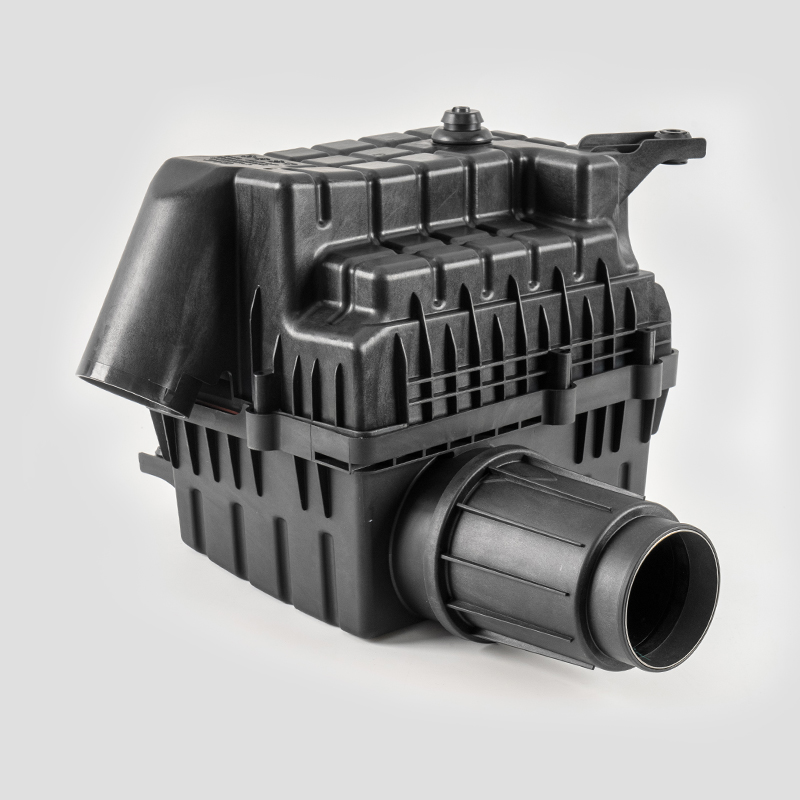
GAC A57 Automotive Engine Air Filtration System Housing Assembly
-
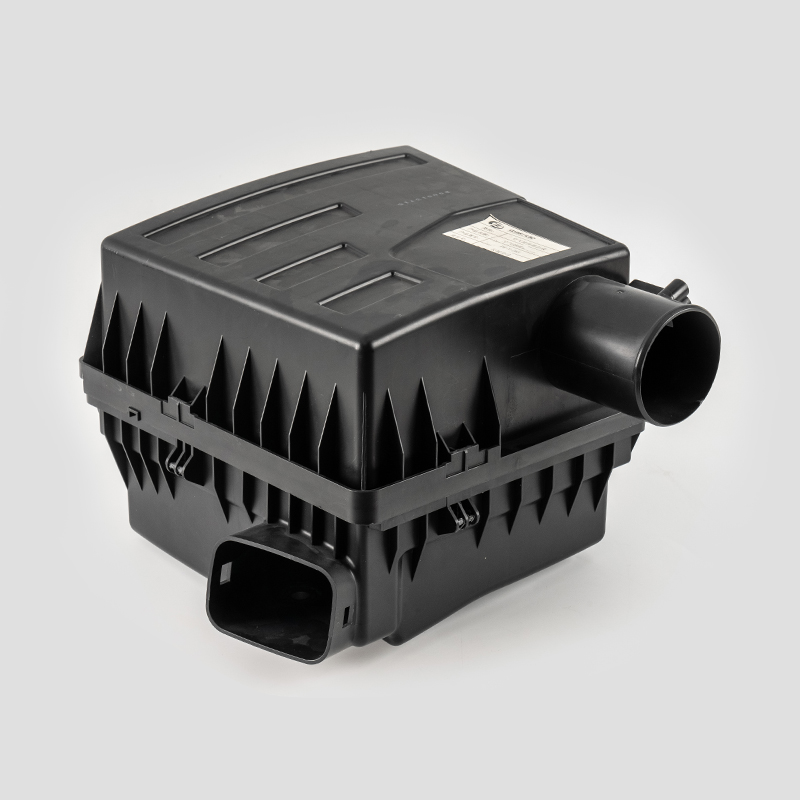
Great Wall A30 Automotive Engine Air Filtration System Housing Assembly
-
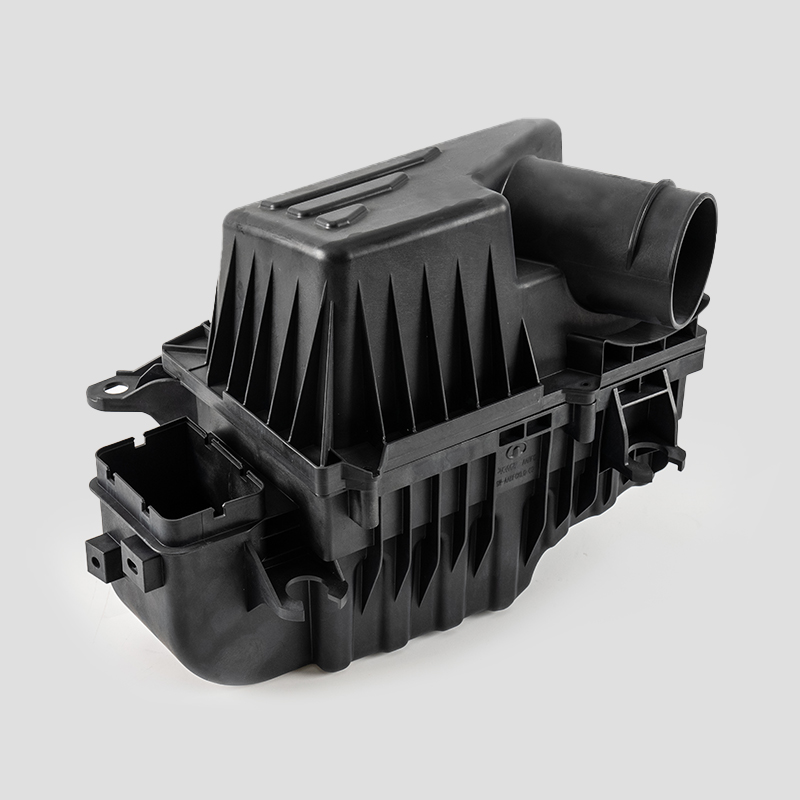
Great Wall B30 Automotive Engine Air Filtration System Housing Assembly
-
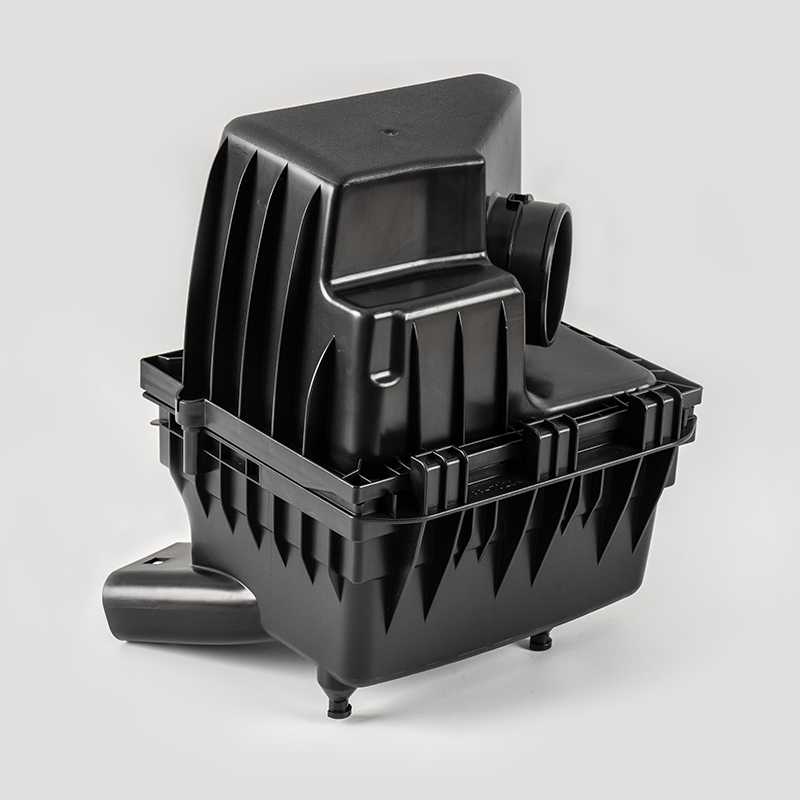
Great Wall Automotive Engine Air Filtration System Housing Assembly
-
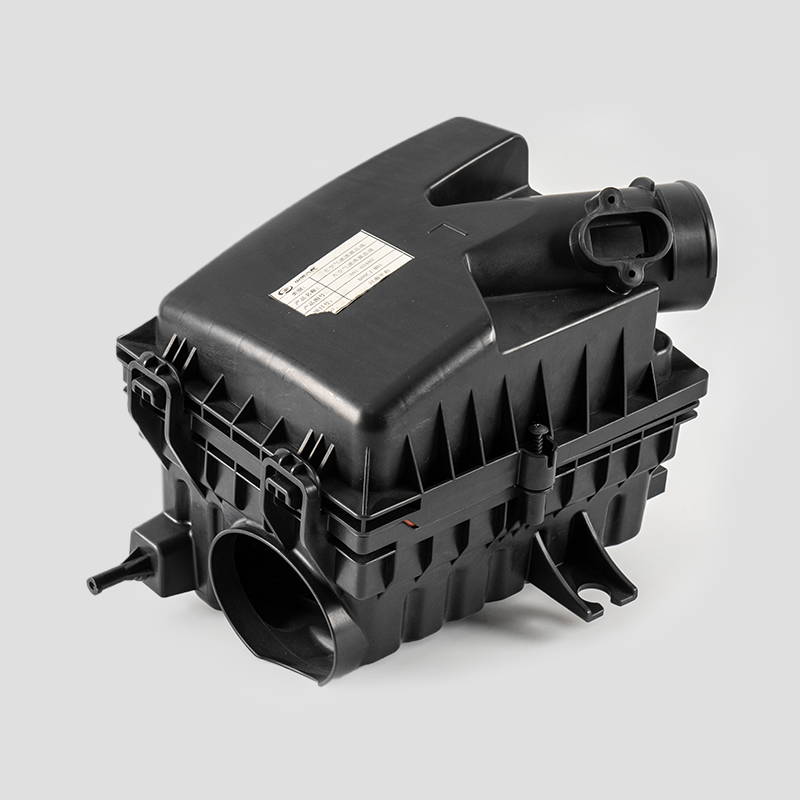
BAIC Automotive Engine Air Filtration System Housing Assembly
-
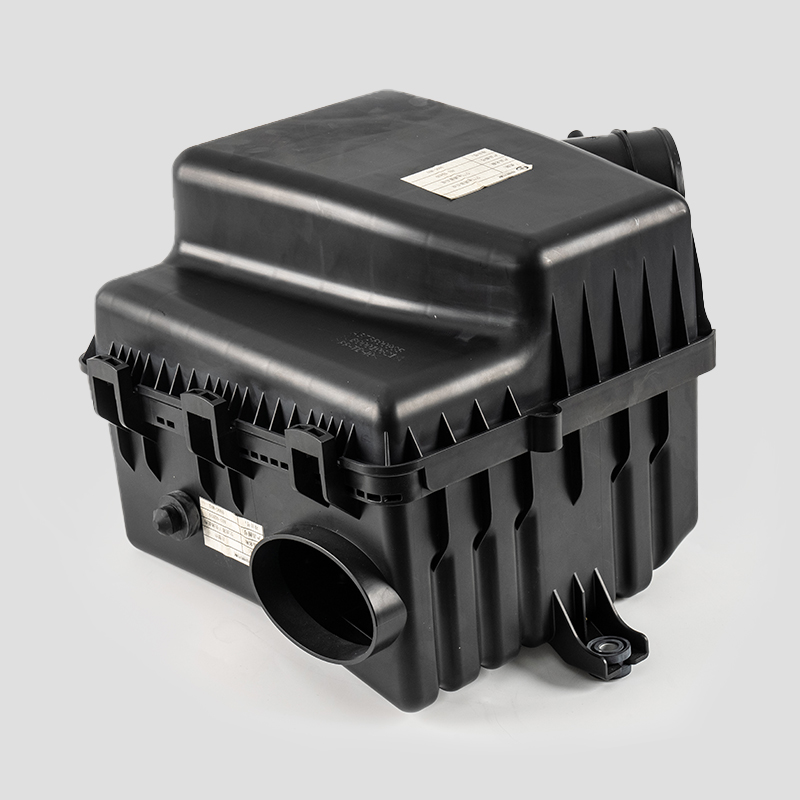
BAIC SUV Automotive Engine Air Filtration System Housing Assembly



Copyright © Ningbo Heyuan Auto Parts Co., Ltd. Rights Reserved. Custom Automobile Filter Parts Company OEM/ODM Automobile Filter Parts Manufacturer
