


 English
 Español
 عربى
عربى
What are the key design points of Filter Elements?
As a leading enterprise in the filter manufacturing field, Ningbo Heyuan Auto Parts Co., Ltd. deeply understands the core points of filter design with thirty years of professional experience. Excellent design is not only about filtration efficiency but also directly affects engine life and the health of drivers and passengers. The following elaborates on the key design points of filter elements from three crucial aspects.
I. Structural Design and Functional Adaptation
Precise matching with fluid dynamics: The internal structure of the filter needs to be optimally designed according to the flow characteristics of air, oil, or fuel to ensure high flow under low resistance. At the same time, it is necessary to ensure that the filter medium is evenly stressed to avoid premature local blockage. For example, the engine air filter needs to effectively block particles such as dust and aluminum oxide in the intake system to protect the cylinder and piston components.
Sealing and installation reliability: The sealing design between the filter element and the housing is crucial and must prevent the bypass of unfiltered media. NBHY adopts advanced rubber processing and welding technologies to ensure that each Filter Element maintains excellent sealing performance under harsh working conditions and meets the original - equipment installation requirements of different vehicle models such as Suzuki Liana and Maserati Levante.
Balance between dust - holding capacity and service life: Through scientific design of the number of pleats, pleat height, and medium distribution, the filtration area is maximized in a limited space, the dust - holding capacity is improved, and the replacement cycle is extended. This is directly related to the user's maintenance cost and product reliability.
II. Optimization of Filtration Precision and Efficiency
Hierarchical filtration and multi - level protection: For different pollutants (such as pollen, bacteria, iron filings, and gums), a filter element structure that can carry multi - layer composite materials is designed. For example, the Cabin Air Filter Element often combines an activated carbon layer with high - efficiency filter paper to adsorb toxic gases while filtering particulate matter, ensuring fresh air inside the vehicle.
The optimal balance between efficiency and resistance: Higher filtration precision is not always better. It is necessary to comprehensively consider the impact of fluid resistance on system performance (such as engine power and fuel economy). The R & D team of NBHY uses computer - aided design (CAD) for simulation analysis to find the optimal precision - resistance curve for each filter element.
Design for special working conditions: For diesel engines that produce more soot or the extreme working environment of construction machinery, the selection of filter materials and structural design need to be strengthened to ensure stable operation under high - pressure and high - pollution environments.
III. Process Implementation and Quality Assurance
Integration of advanced processes: NBHY integrates modern processes such as plastic blow molding and rubber processing to ensure the dimensional accuracy and material consistency of key components such as filter end caps and sealing rings, which is the basis for realizing the design blueprint.
Strict compliance with international standards: The design and production of all Filter Elements fully comply with automotive industry quality management systems such as ISO/TS16949:2009 to ensure that every link from drawing to product is under control.
Full - process verification testing: From prototype design to mass production, the filter needs to undergo a series of strict tests such as performance, durability, vibration, and burst tests. With a complete set of self - inspection and testing equipment, NBHY ensures that each filter element leaving the factory meets the design expectations and customer standards.
Related Products
-
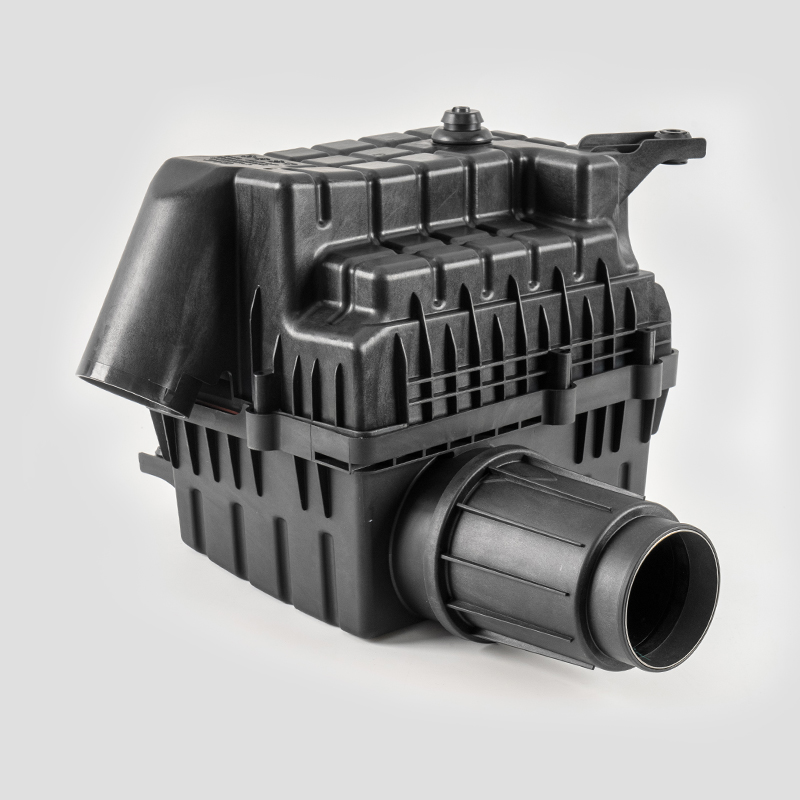
GAC A57 Automotive Engine Air Filtration System Housing Assembly
-
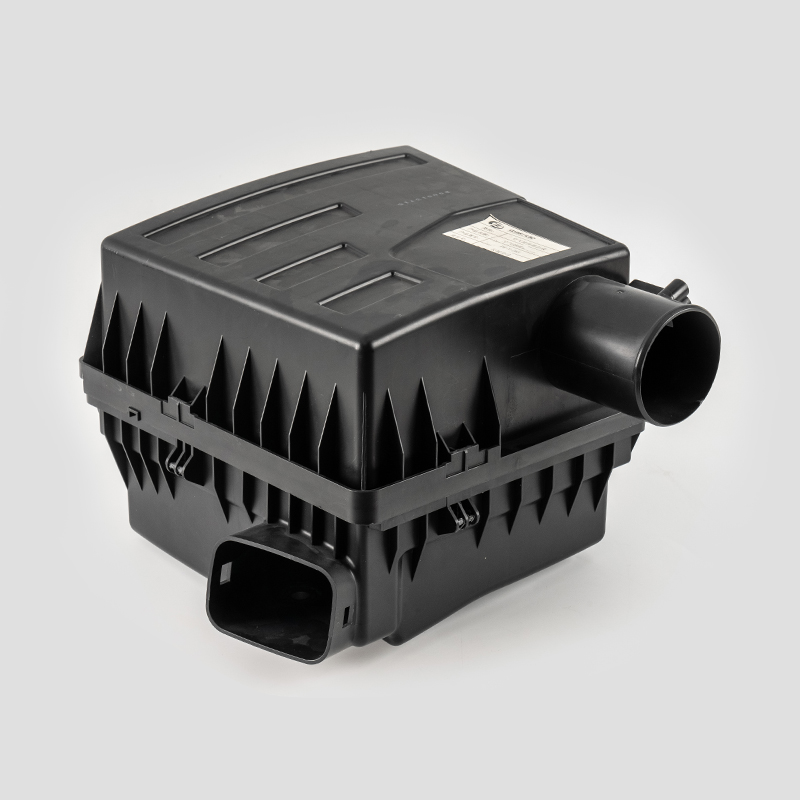
Great Wall A30 Automotive Engine Air Filtration System Housing Assembly
-
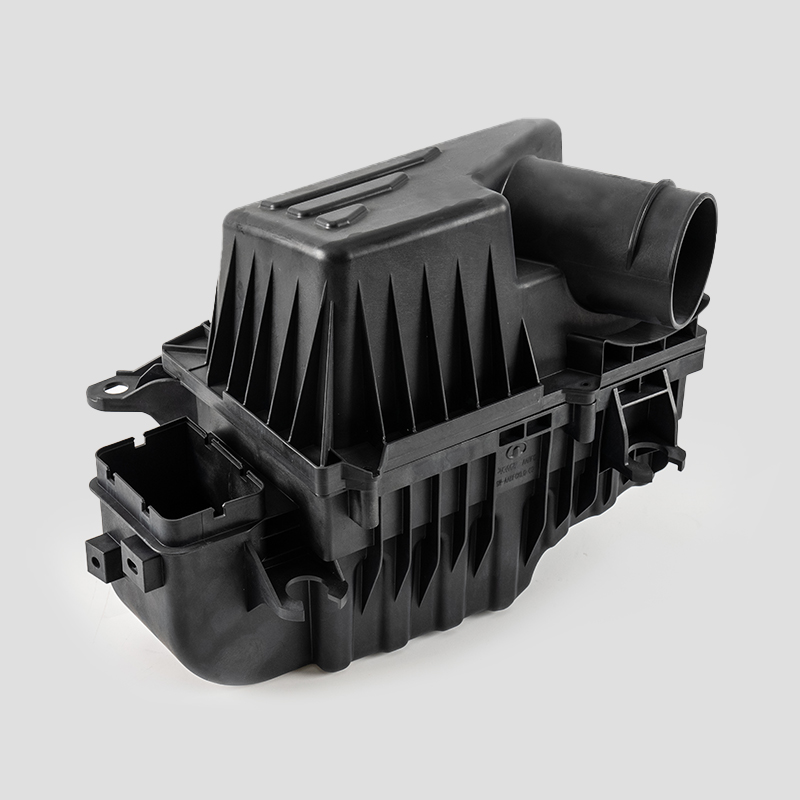
Great Wall B30 Automotive Engine Air Filtration System Housing Assembly
-
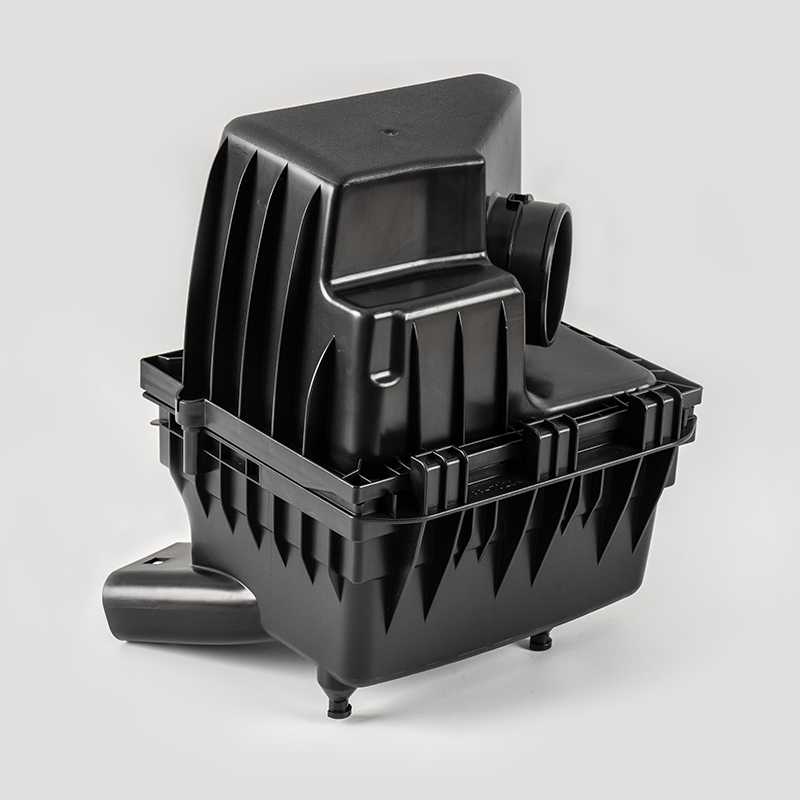
Great Wall Automotive Engine Air Filtration System Housing Assembly
-
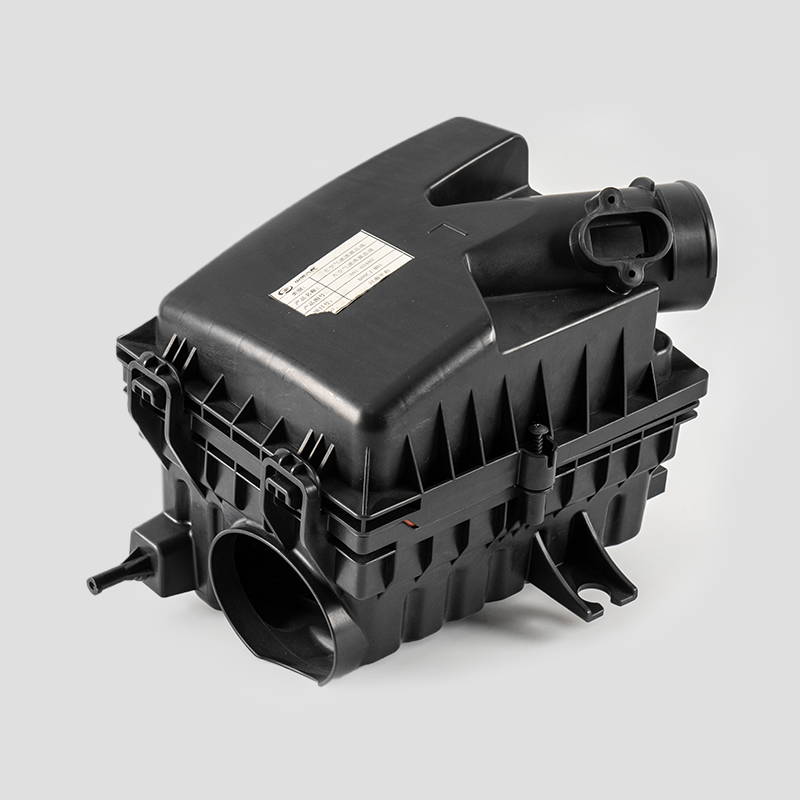
BAIC Automotive Engine Air Filtration System Housing Assembly
-
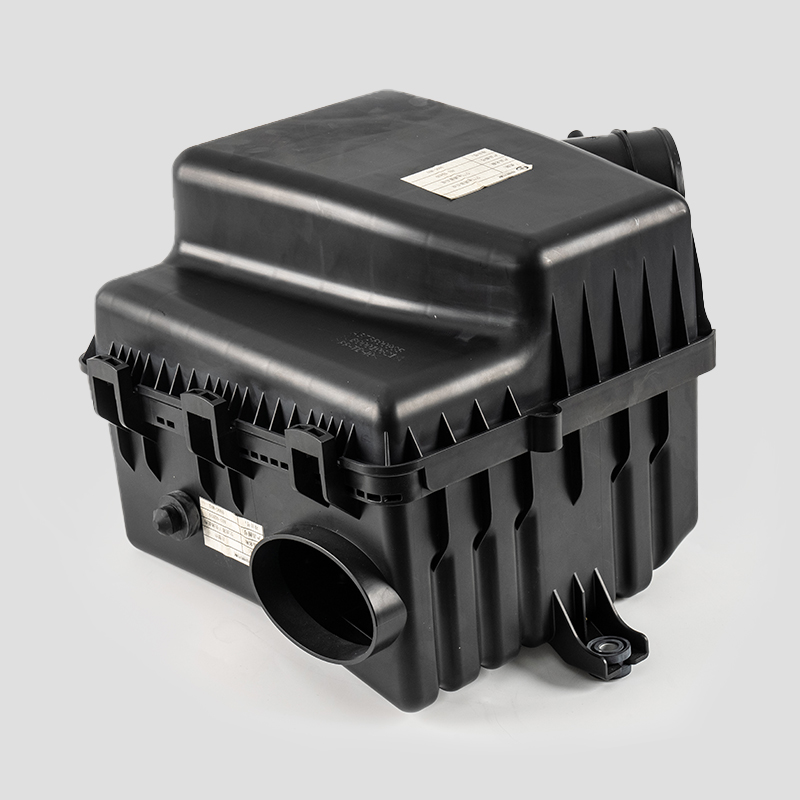
BAIC SUV Automotive Engine Air Filtration System Housing Assembly



Copyright © Ningbo Heyuan Auto Parts Co., Ltd. Rights Reserved. Custom Automobile Filter Parts Company OEM/ODM Automobile Filter Parts Manufacturer
