


 English
 Español
 عربى
عربى
How to choose the right materials for Filter Elements?
Materials are the "soul" of filter elements, directly determining their filtration performance, durability, and safety. As a professional OEM/ODM supplier, Ningbo Heyuan Auto Parts Co., Ltd. has accumulated profound experience in materials science and provides durable filtration solutions for global customers. When selecting materials, the following four core dimensions need to be comprehensively considered.
I. Materials Science Based on Filter Media and Working Conditions
Filter Media Itself: The Triangular Balance of Precision, Strength, and Dust-Holding Capacity: For air filters, resin-treated microporous filter paper is often used. Its fiber structure can effectively capture fine particles. For oil filters, synthetic fibers or glass fiber materials with high strength and good oil resistance should be selected to handle sludge and metal debris in the oil. NBHY precisely selects or customizes filter paper, non-woven fabrics, or composite media according to different filtration objects (air, oil, fuel, cabin air).
Materials for Sealing and Structural Components: End caps usually use metal or high-performance engineering plastics, which need to have good dimensional stability and corrosion resistance. Sealing rings mostly use rubber materials (such as NBR, FKM) that are oil-resistant, high-temperature-resistant, and have long-lasting elasticity to ensure sealing at various temperatures. NBHY's rubber processing technology ensures the long service life and reliability of sealing materials.
Application of Special Functional Materials: For example, to improve the odor removal ability of Cabin Air Filter Elements, an activated carbon layer may be embedded or an antibacterial coating may be added. For fuel filters, the filter media need to have excellent fuel corrosion resistance and water separation ability.
II. Consideration of Durability and Environmental Adaptability
Temperature and Chemical Resistance: Materials must maintain stable performance in high-temperature (possibly exceeding 120°C) engine compartments or cold environments and resist the chemical corrosion of oil, gasoline, diesel, and various additives. This is the key to preventing early failure of filter elements.
Mechanical Strength and Fatigue Resistance: The filter media and its supporting structure need to withstand system pressure fluctuations, fluid impact, and vehicle vibration. NBHY verifies the rationality of material selection through strict pulse fatigue tests to ensure the structural integrity of filter elements throughout their life cycle.
Anti-aging and Storage Stability: Materials should resist environmental impacts such as oxidation and moisture during long-term use or storage and maintain their performance without degradation. This is crucial for ensuring supply chain efficiency and the quality of end products.
III. Balance of Cost-Effectiveness and Sustainability
Optimize Costs on the Premise of Meeting Performance Requirements: As a large-scale manufacturing base, NBHY can provide customers with highly competitive cost solutions while ensuring material quality through large-scale procurement and advanced production processes. This is one of the advantages of serving many international brands and Fortune 500 companies.
Environmental Protection and Recyclability: With the tightening of environmental regulations, preferentially selecting recyclable or environmentally friendly materials has become an industry trend. NBHY actively considers the environmental impact of products throughout their life cycle when selecting materials.
Supply Chain Security and Material Availability: Select mature and stably supplied material systems to avoid production disruptions due to shortages of a single material. Relying on China's strong supply chain network, NBHY ensures the stable supply of key materials.
IV. Closed Loop of Certification and Simulation Verification
Material Compliance and Certification: All key materials must meet relevant safety and environmental protection standards in the automotive industry and have complete material certification reports.
Computer-Aided Material Selection and Simulation: During the R & D stage, NBHY uses CAD and fluid simulation software to simulate and predict the performance of different material combinations, significantly shortening the development cycle and reducing trial-and-error costs.
Vehicle and Bench Verification: The final material solution must pass strict bench tests and on-road vehicle tests to ensure that it fully meets the design requirements in actual use environments. NBHY's comprehensive testing capabilities provide a solid guarantee for this.
Related Products
-
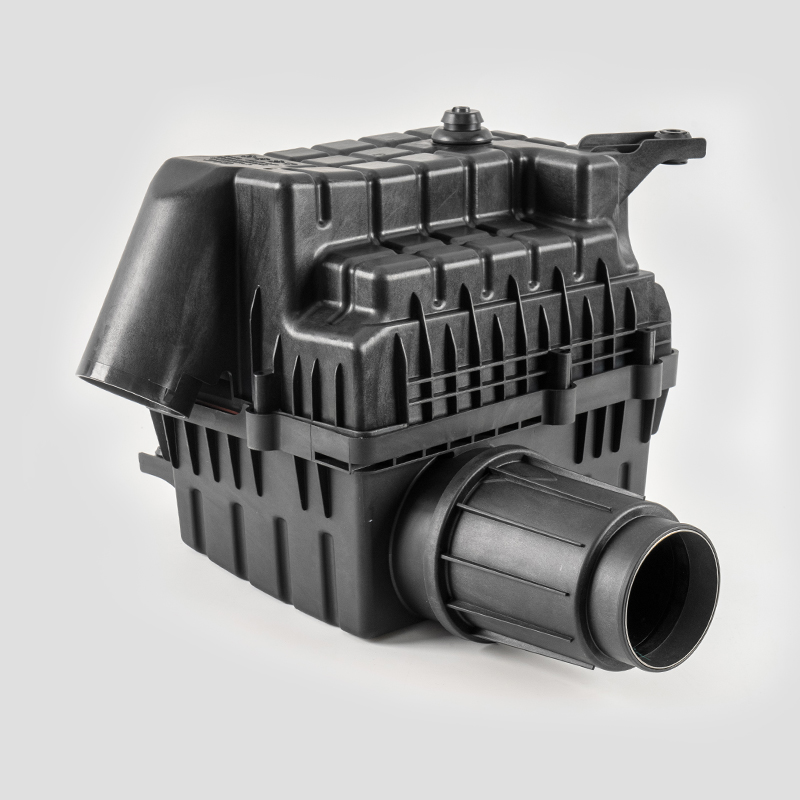
GAC A57 Automotive Engine Air Filtration System Housing Assembly
-
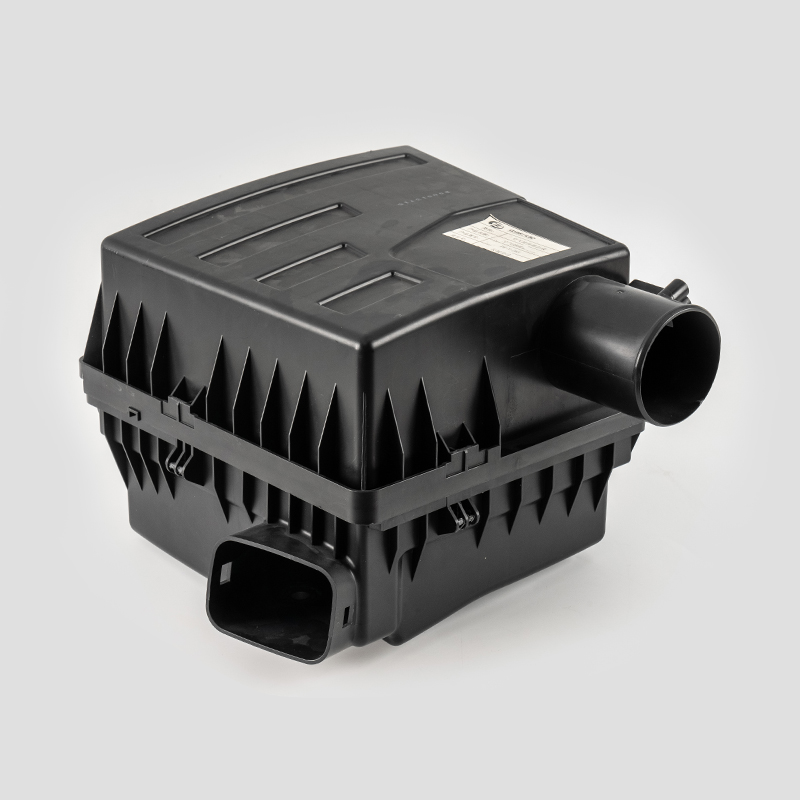
Great Wall A30 Automotive Engine Air Filtration System Housing Assembly
-
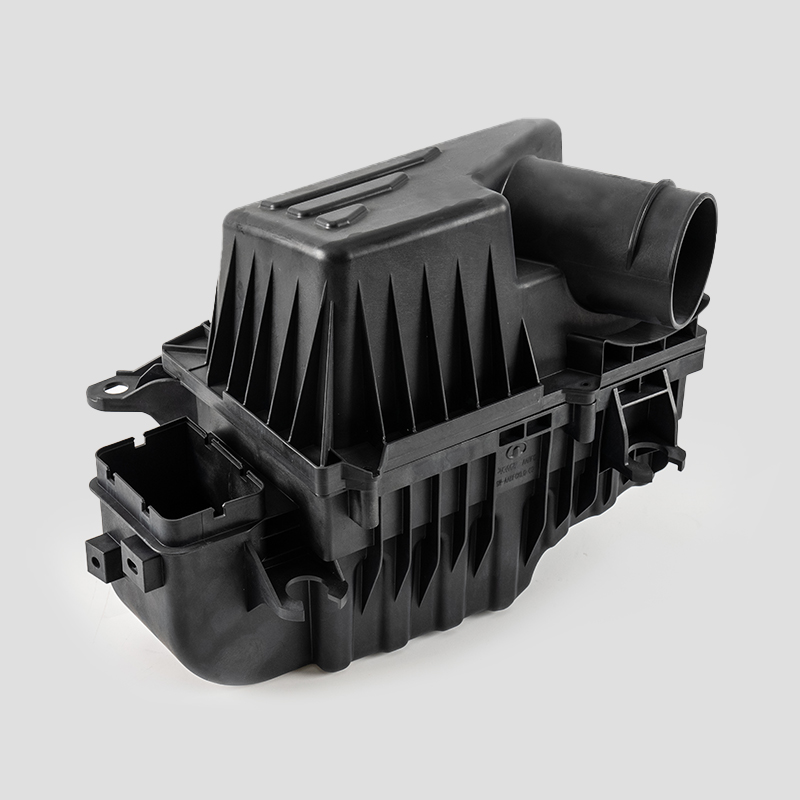
Great Wall B30 Automotive Engine Air Filtration System Housing Assembly
-
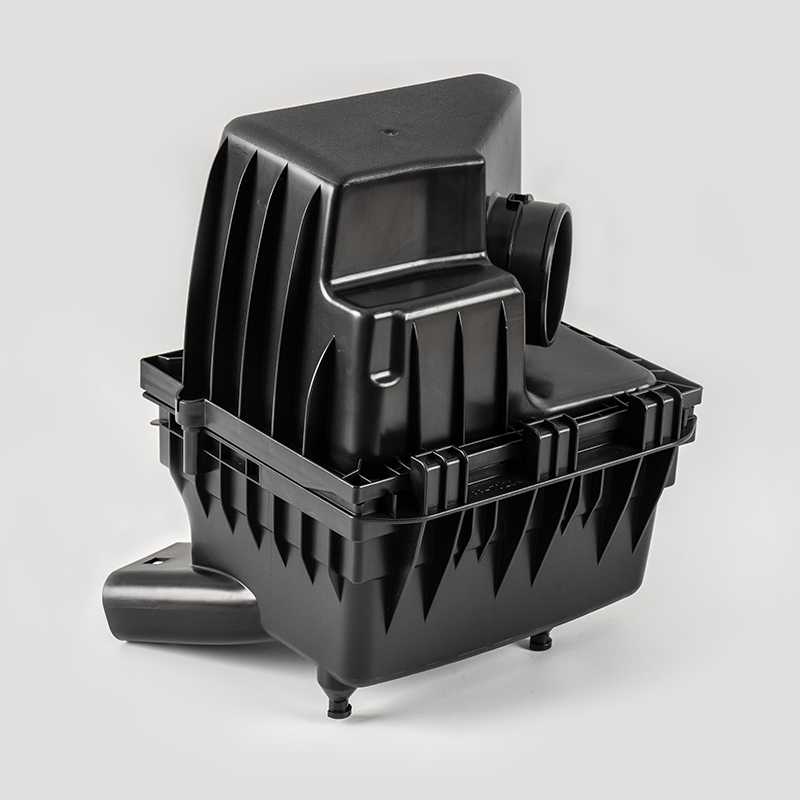
Great Wall Automotive Engine Air Filtration System Housing Assembly
-
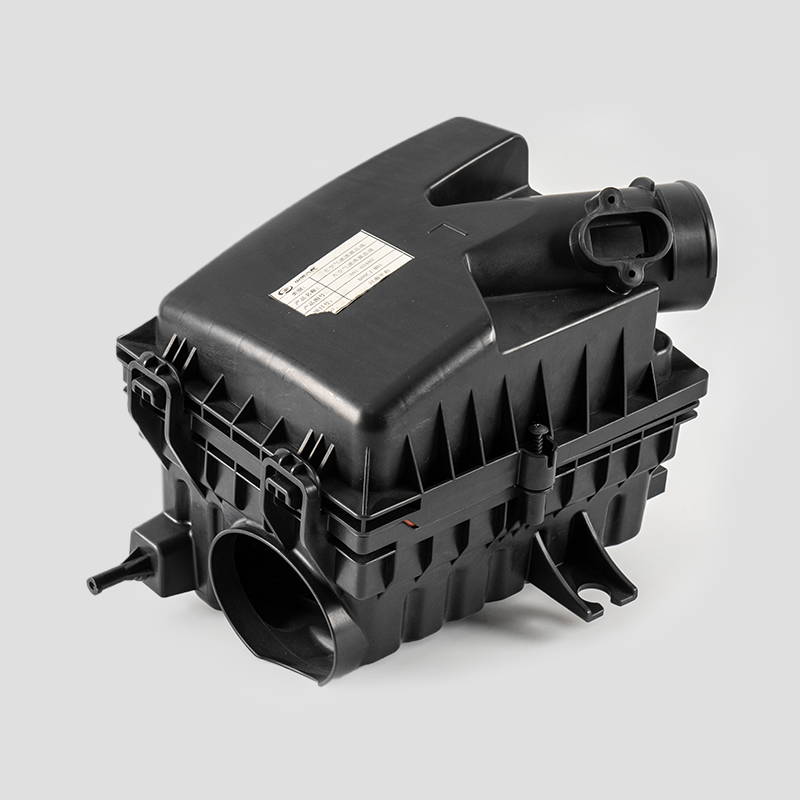
BAIC Automotive Engine Air Filtration System Housing Assembly
-
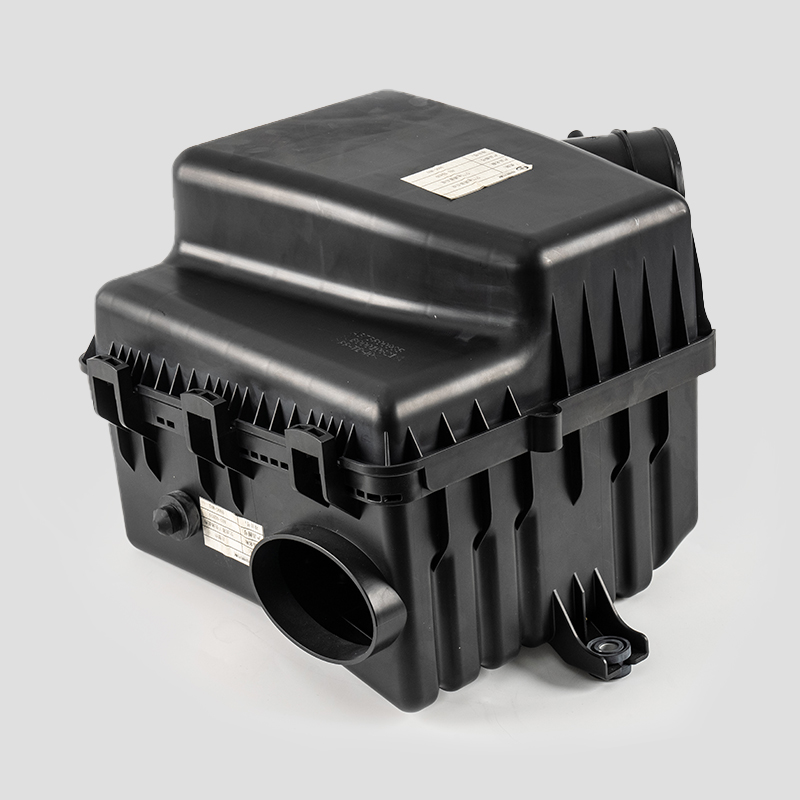
BAIC SUV Automotive Engine Air Filtration System Housing Assembly



Copyright © Ningbo Heyuan Auto Parts Co., Ltd. Rights Reserved. Custom Automobile Filter Parts Company OEM/ODM Automobile Filter Parts Manufacturer
