


 English
 Español
 عربى
عربى
Is your engine breathing properly? Everything you need to know to choose the right air filter
Content
When it comes to vehicle maintenance, many drivers focus too much on oil changes and tire rotations, while overlooking one of the most critical components for engine health: the air filter . Recently, automotive experts and enthusiasts have been discussing how high-quality filtration components (specifically those designed for popular passenger vehicles and SUVs) can dramatically change your driving experience.
Understanding the function of a filter goes beyond simply "keeping things clean." It's about protecting a huge investment and ensuring your car runs as efficiently as the day it left the showroom.
Think of a air filter like the lungs of your car. For every gallon of fuel your engine burns, it requires thousands of gallons of air. If that air is full of dust, pollen or road debris, it acts like sandpaper inside the engine, wearing down pistons, rings and cylinders.
Using a high standard filter, such as 24569269 specification, ensures that only pure, clean air reaches the combustion chamber. This leads to:
-
Improved fuel economy: When an engine can breathe easily, it doesn't have to work as hard, saving you money at the pump.
-
Extended Engine Life: By preventing microscopic particles from entering internal components, the risk of premature engine failure is reduced.
-
Reduced emissions: Better airflow leads to more complete combustion, resulting in fewer pollutants being released into the environment.
How often should you replace your filter?
One of the most frequently asked questions by car owners is about the replacement interval. While many manuals suggest a change every 12,000 to 15,000 miles, several factors can speed up this schedule.
If you frequently drive in dusty environments, heavy city traffic or areas with high pollen levels, your filter may "choke" much sooner. A visual inspection is usually the best way to tell. If the filter looks dark, gray, or has visible debris trapped in the pleats, it's time to replace it. Ignoring a dirty filter is one of the quickest ways to lose power and experience slow acceleration.
The science behind high-efficiency filtration
Not all filters are the same. The specialized design of modern filters focuses on three fundamental pillars: Capacity, Efficiency and Flow.
-
High dust holding capacity: Using advanced multi-layer synthetic or treated paper media allows the filter to trap more dirt without clogging.
-
Structural integrity: High-quality filters feature durable seals and frames that prevent "bypass." Bypass occurs when air escapes around the edges of the filter instead of passing through it.
-
Optimal air flow: The goal is to stop dirt but let air pass through. The precise geometry of the folds of the 24569269 The model guarantees maximum surface area, allowing the engine to "inhale" deeply even under heavy loads.
Can you replace it yourself?
Another common concern is whether it is a job for a professional mechanic or a DIY project. For most modern vehicles, replacing the filter is one of the simplest maintenance tasks you can perform.
Typically, the filter is housed in a black plastic box near the engine. By simply unscrewing a few clips or screws, you can remove the old unit and install the new one. It takes less than ten minutes and requires no specialized tools. By doing it yourself, you'll save on labor costs and have peace of mind knowing the job was done right.
Signs that your current filter is failing
If you don't keep track of your mileage closely, your car will often give you "tells" that it is choking. Watch out for these common red flags:
-
Dark exhaust smoke: Lack of air can cause a "too rich" fuel mixture, resulting in black smoke.
-
The "Check Engine" light: Modern sensors detect airflow irregularities and can trigger a warning on the dashboard.
-
Reduced throttle response: If your car feels "heavy" or reacts slowly when you step on the accelerator, it's probably starving for oxygen.
-
Unusual engine noises: When a filter is clogged, you may hear sucking or coughing sounds as the engine struggles to draw in air.
Make the right choice for your vehicle
When purchasing a replacement, it is vital that it matches your vehicle's exact original equipment specifications. the 24569269 The air filter is specifically designed to meet the pressure and flow requirements of mid-size family cars and versatile SUVs.
Choosing a reliable, high-performance filter ensures that you're not just buying a piece of paper, you're also buying a protector for your engine. Whether you're commuting to work or taking a long family road trip, the quality of your air filtration plays a quiet but leading role in your vehicle's reliability.
A small part with a big impact
In the world of car care, it's often the smallest parts that make the biggest difference. Invest in high quality air filter It is perhaps the most cost-effective way to maintain the performance and longevity of your vehicle. Don't wait for your engine to have problems; stay ahead and keep your vehicle breathing clean.
Related Products
-
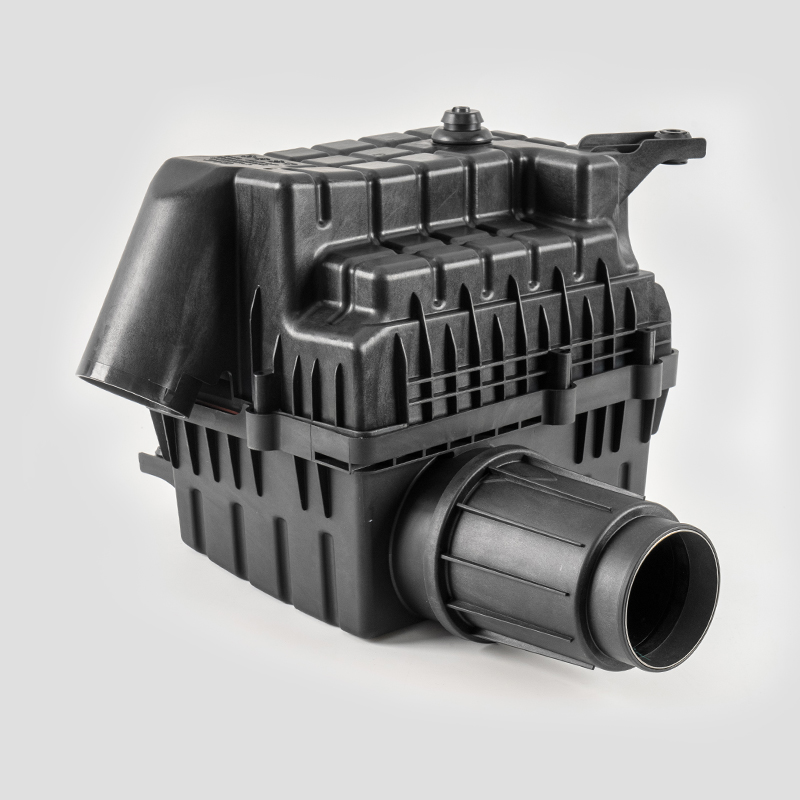
GAC A57 Automotive Engine Air Filtration System Housing Assembly
-
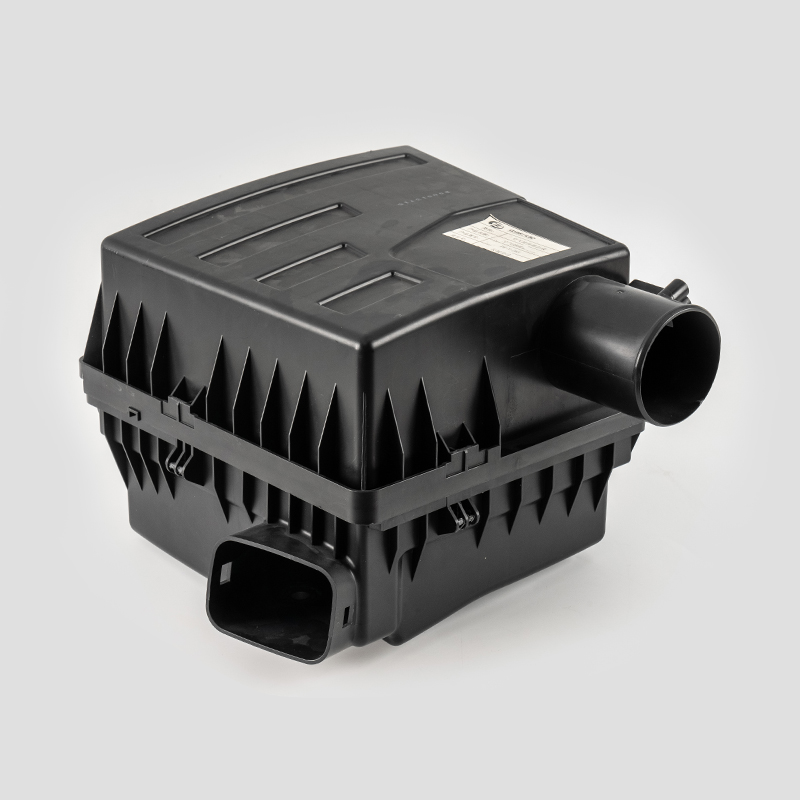
Great Wall A30 Automotive Engine Air Filtration System Housing Assembly
-
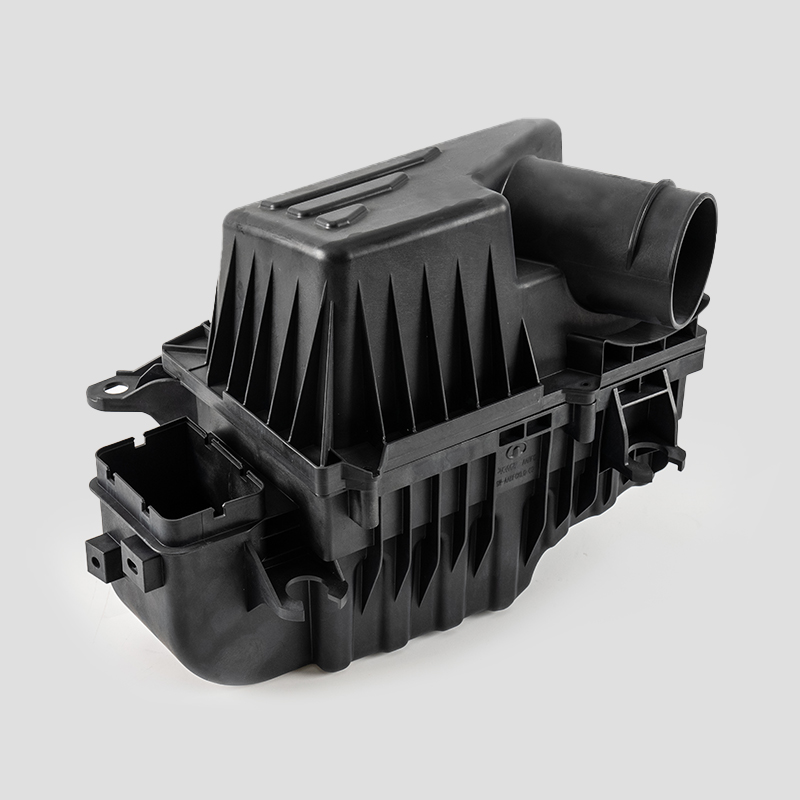
Great Wall B30 Automotive Engine Air Filtration System Housing Assembly
-
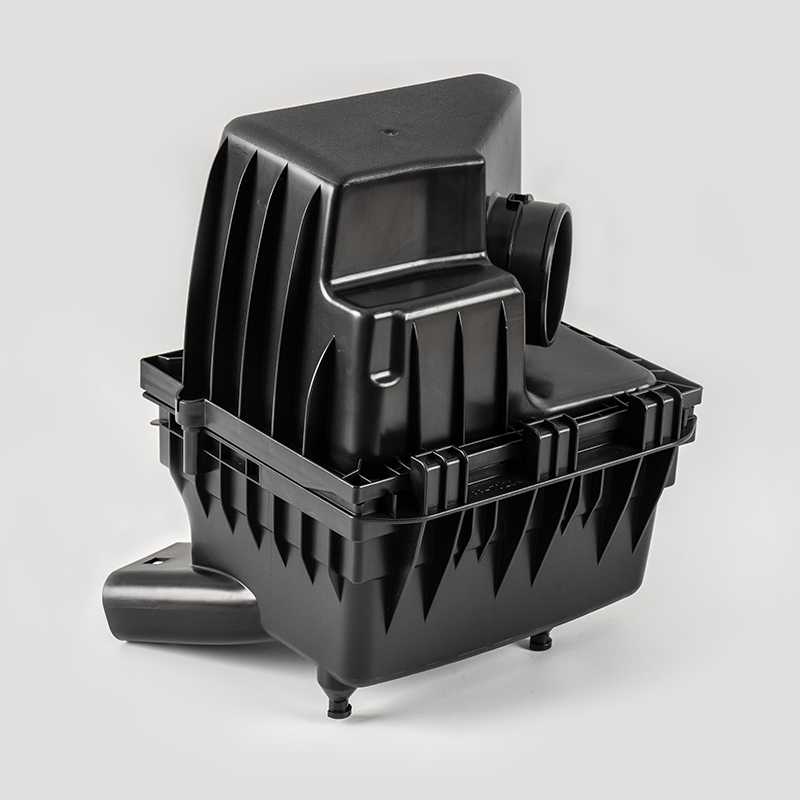
Great Wall Automotive Engine Air Filtration System Housing Assembly
-
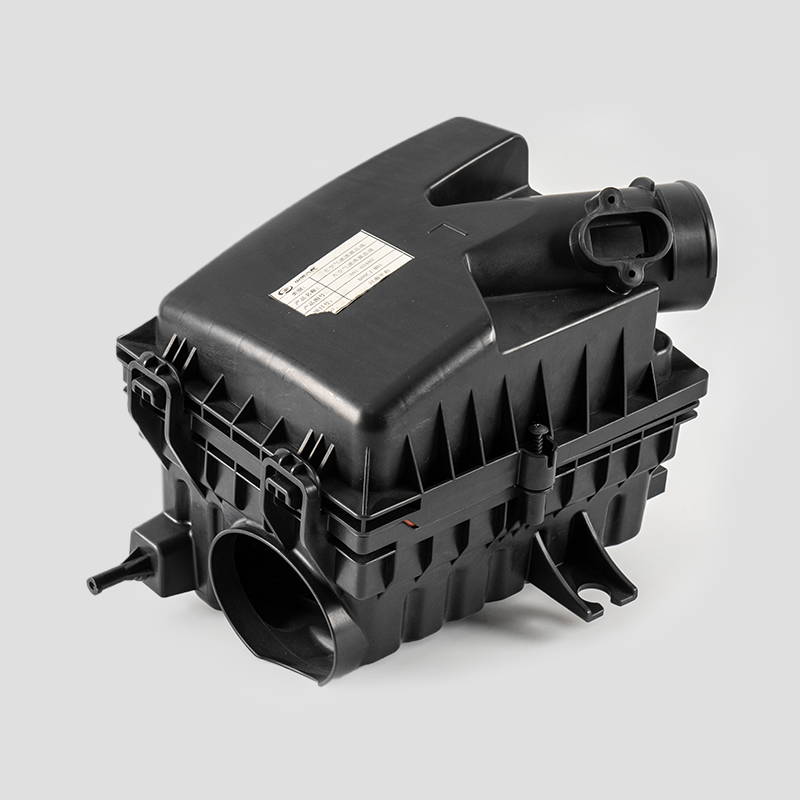
BAIC Automotive Engine Air Filtration System Housing Assembly
-
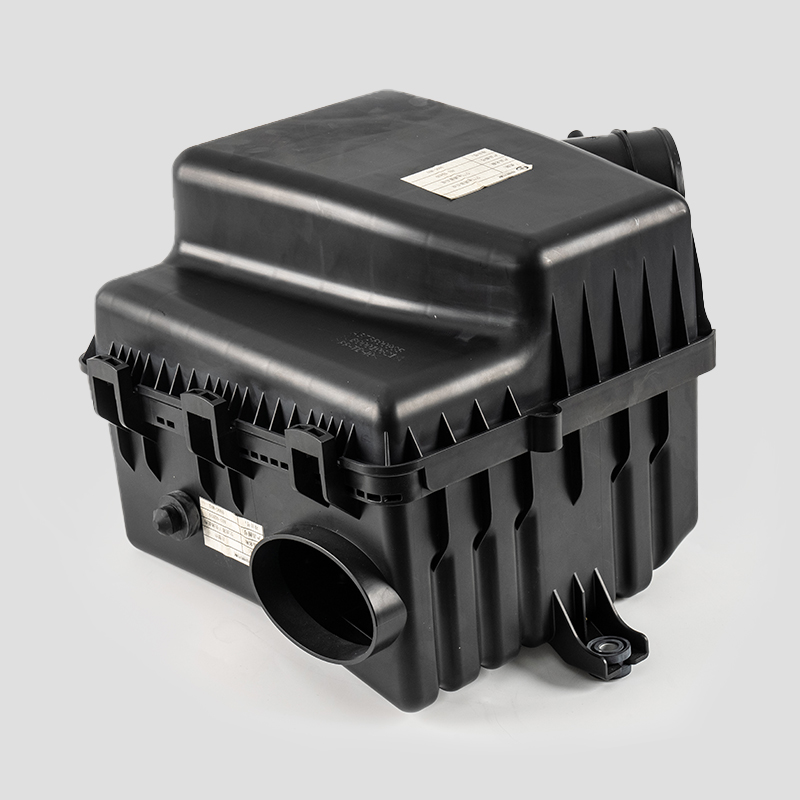
BAIC SUV Automotive Engine Air Filtration System Housing Assembly



Copyright © Ningbo Heyuan Auto Parts Co., Ltd. Rights Reserved. Custom Automobile Filter Parts Company OEM/ODM Automobile Filter Parts Manufacturer
