


 English
 Español
 عربى
عربى
Is your engine breathing properly? The Essential Guide to Premium Air Filtration
Content
Maintaining a luxury vehicle is about more than just keeping the paint shiny; It's about ensuring the high-performance heart of the machine (the engine) is protected from the elements. For owners of premium German-engineered vehicles, an often overlooked component is the humble air filter . However, this simple part is the first line of defense against engine wear and performance degradation.
Recent data shows that many car enthusiasts are asking the same questions: How often should I change my filter? Does the brand really matter? And can a simple parts change really improve my fuel efficiency? Today we delve into why choosing the right filtration system is the most cost-effective way to preserve your luxury driving experience.
The silent guardian of your engine
An engine is essentially a huge air pump. To create the combustion needed to move your vehicle, it needs to suck in thousands of gallons of air every minute. However, the air that circulates on our roads is far from pure. It is full of dust, pollen, road debris and microscopic particles that act like sandpaper if they get into the internal cylinders.
The main role of high quality air filter is to trap these contaminants before they touch the delicate internal surfaces of your engine. Using a filter designed specifically for high-performance engines ensures that airflow remains constant. When you use a part with the correct specifications, such as the A2760940504 , ensures that the balance between air purity and airflow volume is perfectly maintained.
Why quality specifications are important
Many drivers wonder if they can simply purchase any generic filter at a local store. While it may physically fit into the case, the "micrometer efficiency" is rarely the same. Premium vehicles are tuned to very specific tolerances. A filter that is too restrictive will starve the engine of oxygen, while one that is too porous will allow harmful silica to enter the combustion chamber.
Using the correct part guarantees:
-
Perfect sealing: A precise fit prevents "air bypass", where dirty air leaks around the edges of the filter.
-
Optimal fuel mixture: Modern sensors (such as the mass air flow sensor) rely on constant air currents to calculate the perfect fuel-to-air ratio.
-
Longevity: High-quality filter media can hold more dust without clogging, meaning you maintain peak performance throughout the service interval.
Signs Your Vehicle Needs a Breath of Fresh Air
It is not always necessary to wait for the "Check Engine" light to come on to know that the filtration is failing. Owners should watch for these common symptoms:
-
Reduced fuel economy: If your engine doesn't get enough air, it compensates by burning more fuel. If you notice your miles per gallon dropping, the filter is likely to blame.
-
Muffled engine sounds: A healthy engine has a clear, rhythmic sound. A clogged filter can cause a "coughing" sensation or vibration when idling.
-
Lack of acceleration: If your car feels sluggish when you step on the accelerator, it's often because the engine is having a hard time "inhaling" the air it needs for a quick burst of power.
Expert tip: Inspect your filter every 10,000 miles, especially if you drive in dusty or heavy urban traffic environments where soot and smog are prevalent.
The economic benefit of regular replacement
Invest in a premium air filter It may seem like a small detail, but the long-term savings are significant. By maintaining clean airflow, stress on the turbochargers and pistons is reduced. Over the life of a vehicle, this avoids costly high-end engine rebuilds that can cost thousands of dollars.
Additionally, since gas prices remain volatile, the 2% to 5% improvement in fuel efficiency gained from a clean filter quickly pays for itself on the part itself. It's one of the few automotive maintenance tasks that offers an immediate "return on investment" every time you get close to the pump.
How to make sure you have the right fit
When looking for a replacement, it is vital to compare your vehicle's requirements. For many modern 3.0L and 3.5L engines produced in the mid-2010s, the A2760940504 has become the gold standard for filtration. It was designed to withstand the heat cycles and vibration patterns specific to both luxury sedans and high-performance SUVs.
Whether you drive a sleek executive sedan or a rugged family SUV, the principles of internal combustion remain the same. Clean air equals a happy engine. If you haven't checked your filter in the last year, now is the perfect time to give your vehicle the "lungs" it deserves.
Conclusion: one simple step to achieve maximum performance
In the world of luxury car care, it's often the smallest parts that make the biggest difference. a cousin air filter It is a low-cost insurance policy for the health of your engine. By choosing a part that meets the exact technical requirements of your vehicle, you will ensure that every ride is as smooth and powerful as the day you first took the wheel.
Related Products
-
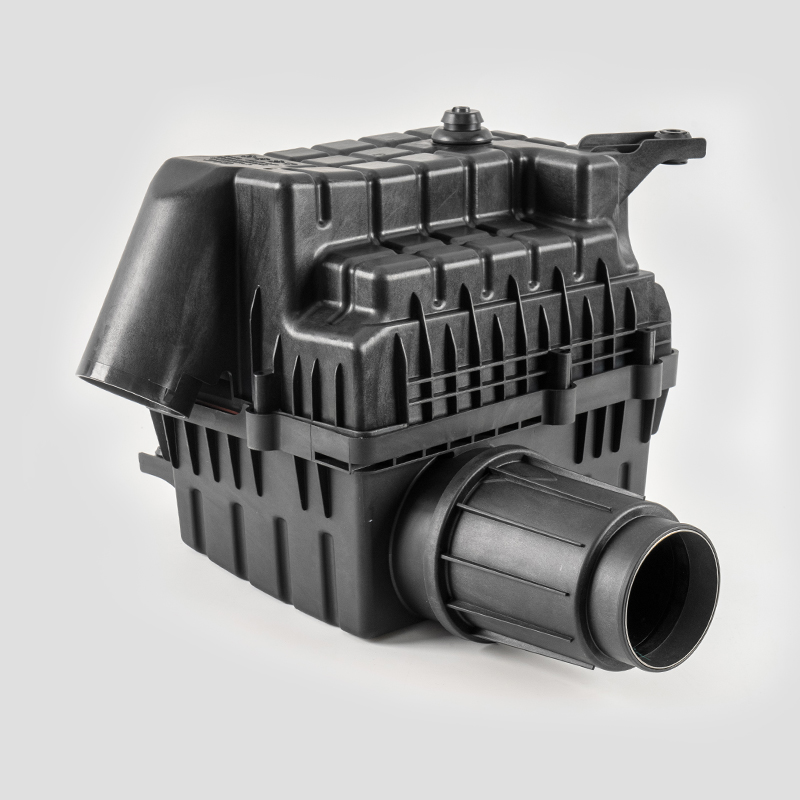
GAC A57 Automotive Engine Air Filtration System Housing Assembly
-
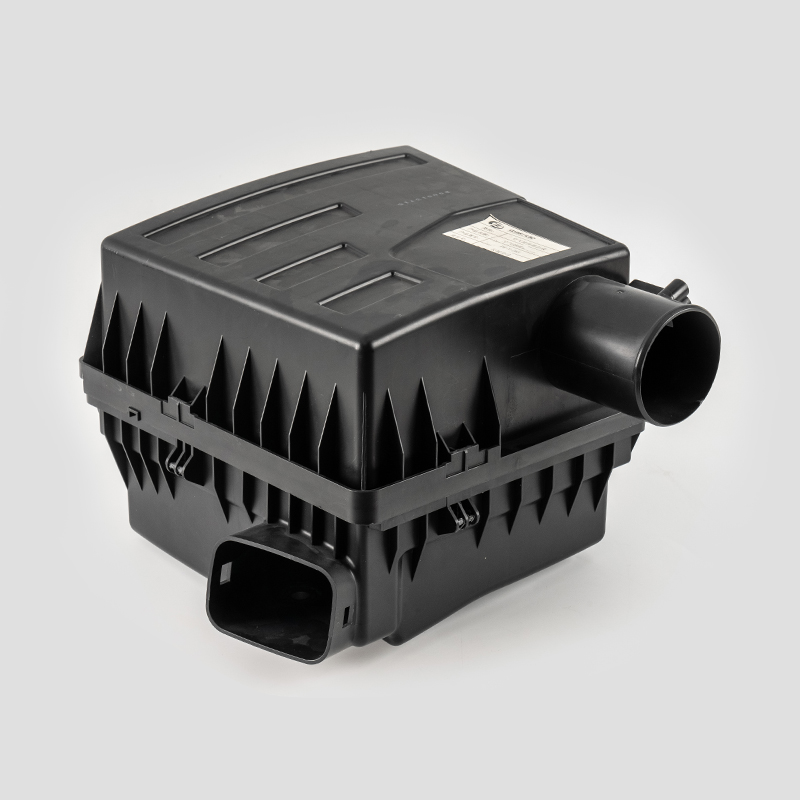
Great Wall A30 Automotive Engine Air Filtration System Housing Assembly
-
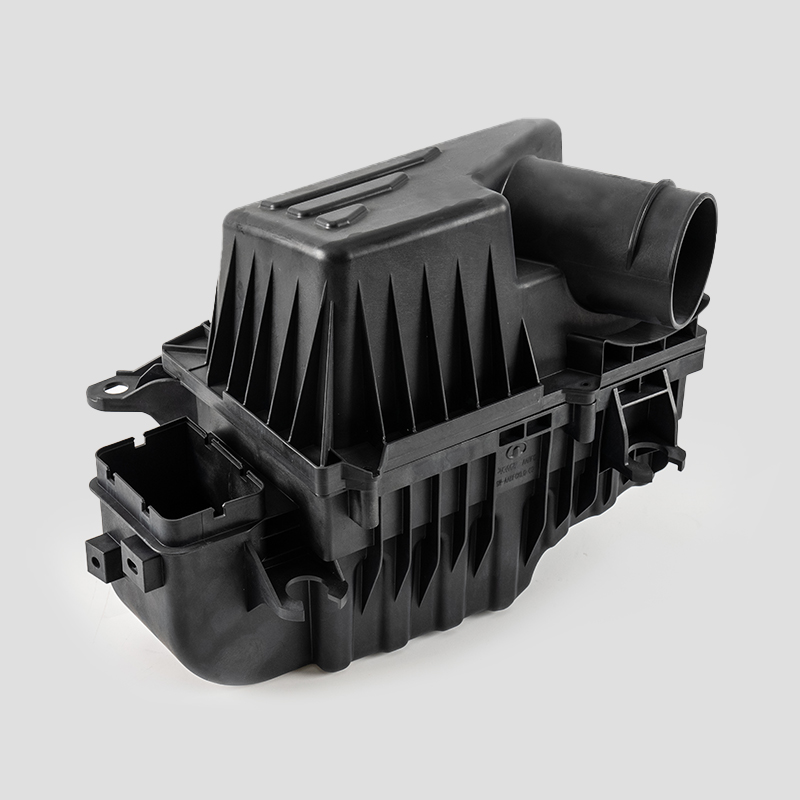
Great Wall B30 Automotive Engine Air Filtration System Housing Assembly
-
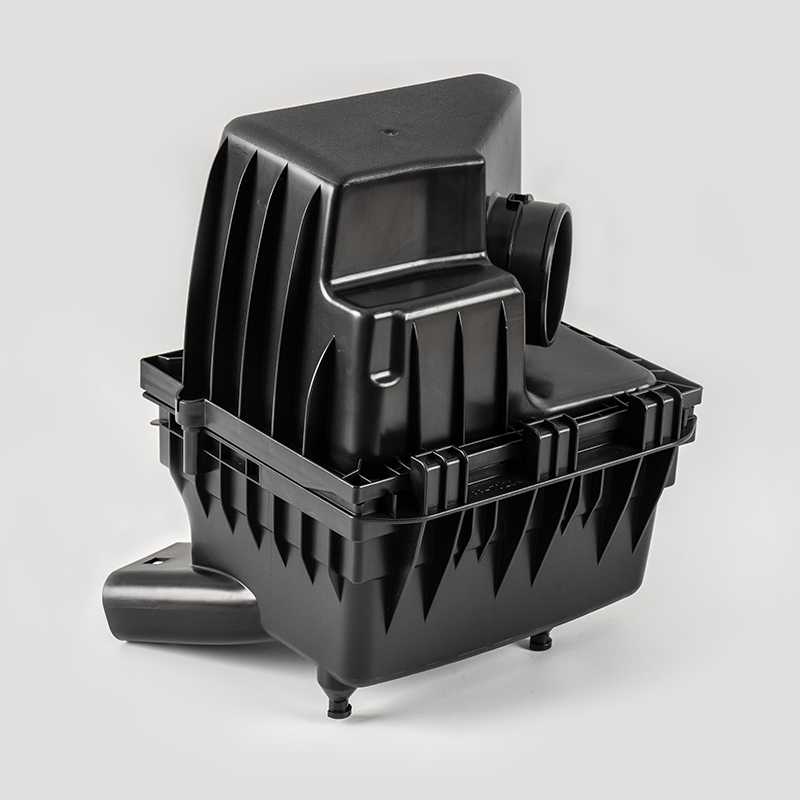
Great Wall Automotive Engine Air Filtration System Housing Assembly
-
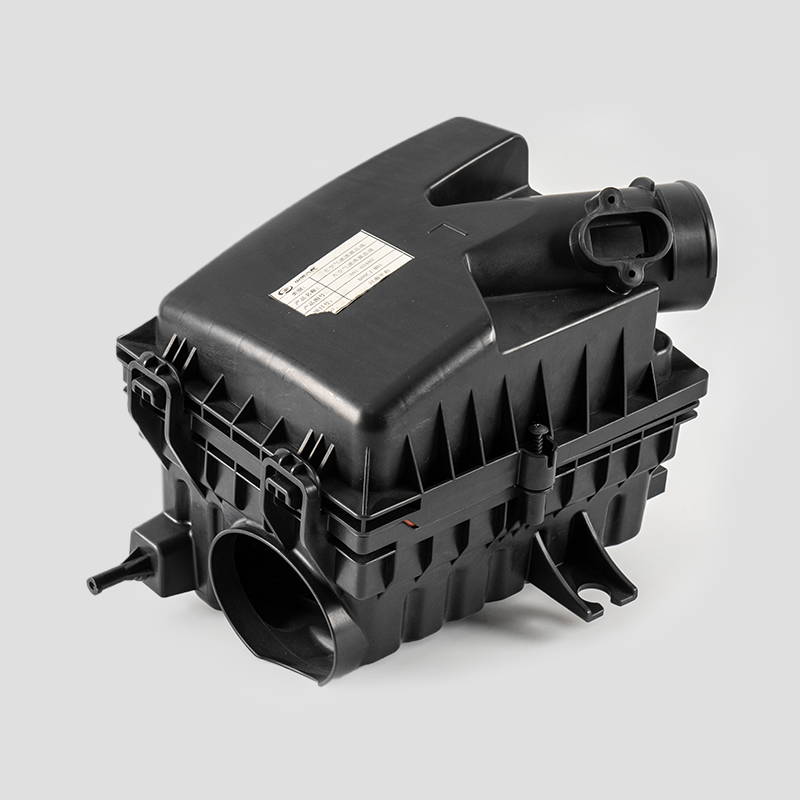
BAIC Automotive Engine Air Filtration System Housing Assembly
-
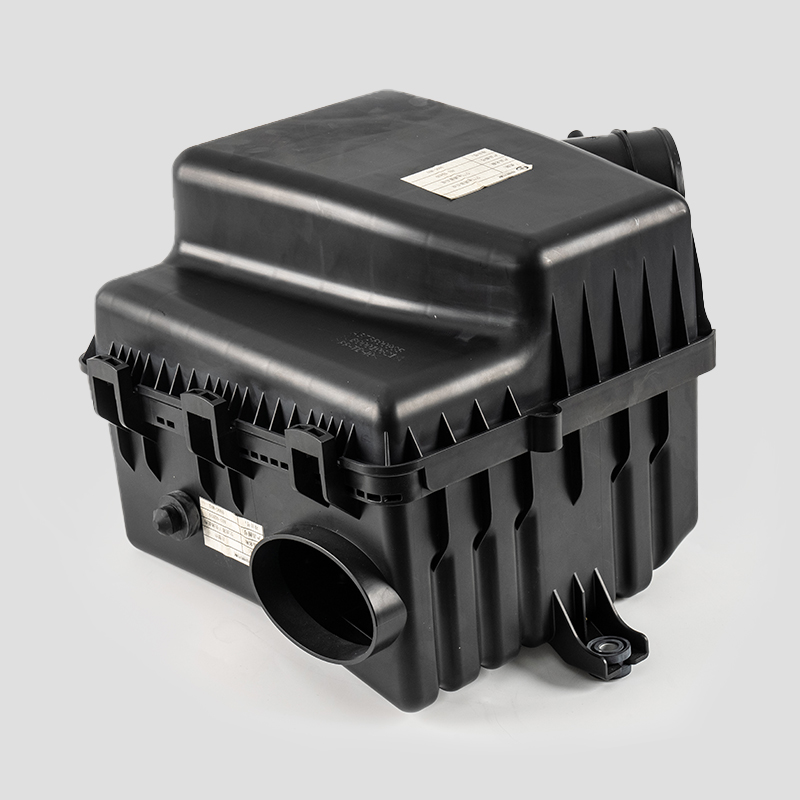
BAIC SUV Automotive Engine Air Filtration System Housing Assembly



Copyright © Ningbo Heyuan Auto Parts Co., Ltd. Rights Reserved. Custom Automobile Filter Parts Company OEM/ODM Automobile Filter Parts Manufacturer
