


 English
 Español
 عربى
عربى
Is your engine gasping for breath? Why this small component is the secret of the Longevit vehicle
Content
When it comes to car maintenance, most drivers immediately think of oil changes, tire rotations or brake pads. However, there's a "quiet hero" hidden under the hood that determines exactly how well your car performs on a daily basis. Automotive experts are increasingly pointing towards air filter as the most important factor in maintaining fuel efficiency and engine health in modern compact and crossover vehicles.
Recent consumer inquiries have focused on a common theme: How can I make my engine last longer without spending a fortune? The answer usually lies in the quality of the air entering the combustion chamber. For owners of popular city SUVs and agile city sedans, choosing a high-spec filtration unit is the easiest way to ensure a smooth ride.
The lung of your vehicle
To understand the importance of a quality filter, think of your car like an athlete. To run a marathon, an athlete needs to breathe deeply and cleanly. If they wear a mask full of dust, their performance decreases and they get tired quickly. Its engine works on exactly the same principle.
A high quality air filter It acts as the lung of the engine. It is designed to capture microscopic debris (road dust, sand, soot and pollen) before it enters the engine. In models built for efficiency and agility, such as modern Japanese-designed crossovers, even a small amount of sand can cause "scoring" on the cylinder walls, leading to costly repairs down the road.
Precision engineering for better airflow
Not all filters are the same. While many third-party options look similar on the outside, the internal "media" (the paper or fabric that filters) varies greatly. A premium filter, like the 13780-66M00 specification, it is designed with a specific number of pleats.
Why are folds important?
-
Surface area: More pleats mean a larger surface area to trap dirt without blocking air.
-
Air speed: High-quality filters are designed to keep air moving quickly, which is essential for the "lively" acceleration drivers expect from compact SUVs.
-
Structural integrity: Cheap filters can collapse or deform under strong acceleration. A dedicated piece ensures the seal remains airtight, preventing "unfiltered" air from entering the system.
Savings at the pump: the economic impact
One of the most frequently asked questions from drivers is: Can a new filter really save me money on gas? The answer is a resounding yes.
When an air filter becomes clogged, the engine computer detects a lack of oxygen. To keep the engine running, it may adjust the fuel mixture, which often results in "rich" combustion, meaning it uses more gasoline than necessary. Replacing a dirty filter with a new one restores the optimal air-fuel ratio. This can improve your fuel consumption by up to 10% , effectively paying the cost of the filter with just a few tanks of fuel.
Identify the right time for a change
Many drivers wait for a scheduled service to think about their leak, but their driving environment dictates the schedule. If you frequently drive on gravel roads, in construction zones, or in high-smog areas of the city, your filter will work twice as hard.
Watch for these "red flags":
-
A darkened appearance: A new filter is usually white or off-white. If it looks gray or black and is full of visible debris, it's time to change it.
-
Slow starts: If the engine takes a second longer to start in the morning, you may have difficulty getting the initial "puff" of air needed for ignition.
-
Strange noises: At idle, a clogged engine may make a "coughing" or "spitting" sound due to restricted airflow.
Simplified installation for the modern controller
One of the best things about this specific category of auto parts is the ease of installation. Owners of popular compact SUVs and "Speed Wing" style vehicles will find that the air box is usually held in place by simple clips or a few screws.
You don't need to be a professional mechanic to give your car a boost. Most owners can replace the air filter in less than ten minutes without specialized tools. This "DIY" approach not only saves labor costs at the dealership but also gives the owner a better connection to their vehicle's maintenance.
Protecting your investment
Whether you're cruising the narrow city streets or taking a weekend trip to the mountains, your vehicle is an important investment. Using parts that meet factory specifications exactly ensures that your engine's internal components remain pristine. For the 1.6L and similar displacement engines commonly found in today's most popular crossovers, clean air is the difference between a car that lasts 100,000 miles and one that lasts 200,000 miles.
Conclusion: small part, big difference
In the grand scheme of vehicle ownership, the air filter It's a cheap component, but its impact on performance, fuel economy and engine life is enormous. By choosing a part that fits perfectly and filters effectively, you'll be choosing a smoother, more efficient, and more reliable driving experience.
Related Products
-
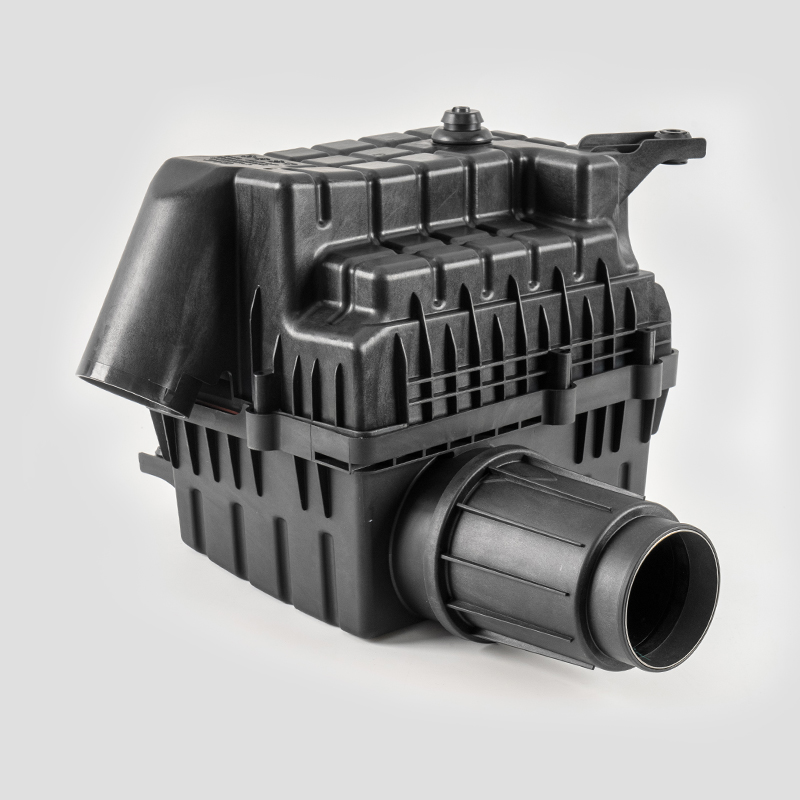
GAC A57 Automotive Engine Air Filtration System Housing Assembly
-
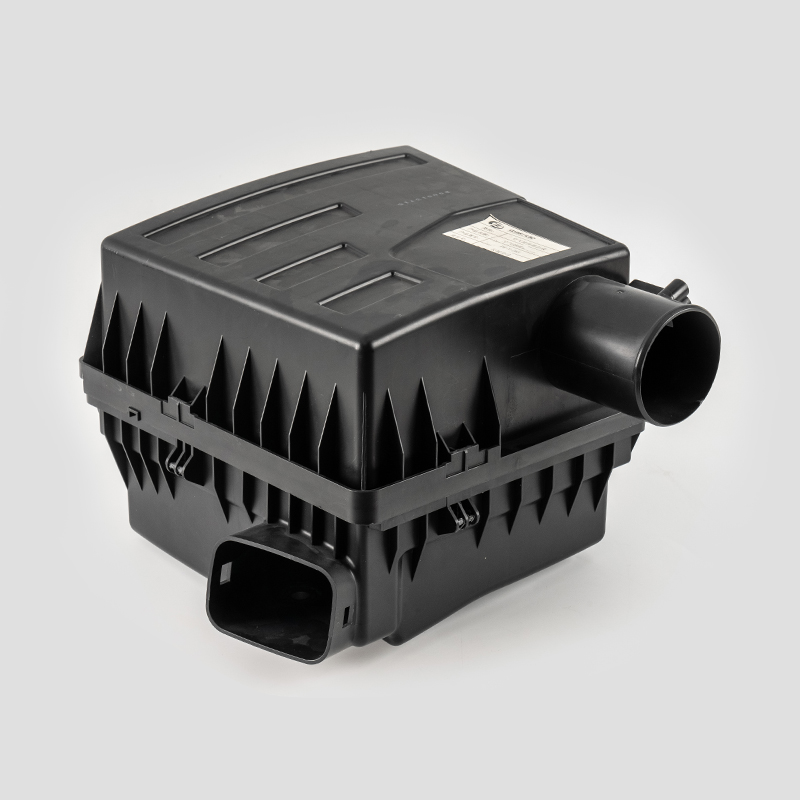
Great Wall A30 Automotive Engine Air Filtration System Housing Assembly
-
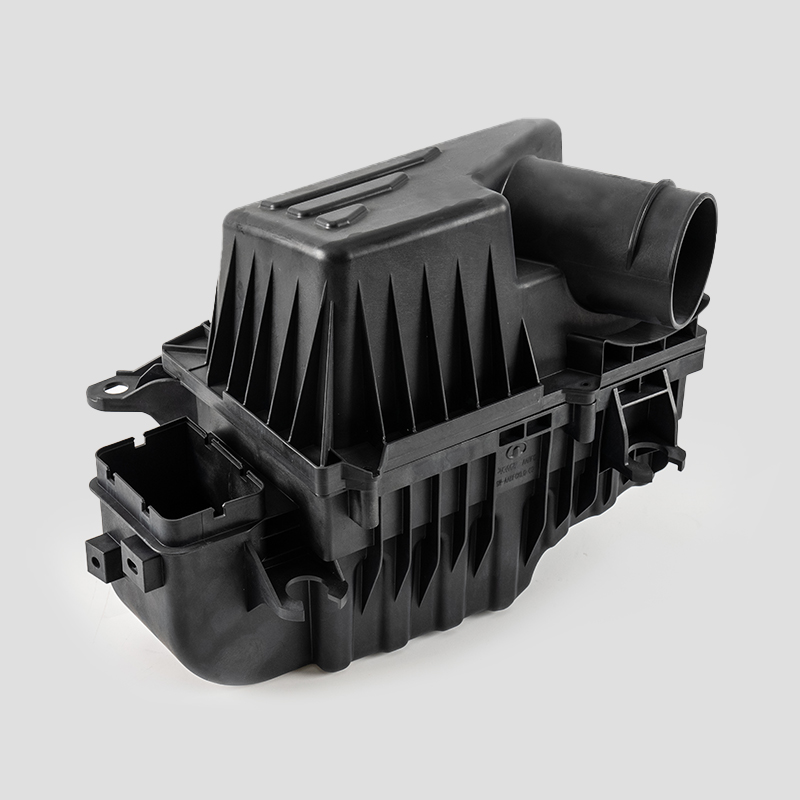
Great Wall B30 Automotive Engine Air Filtration System Housing Assembly
-
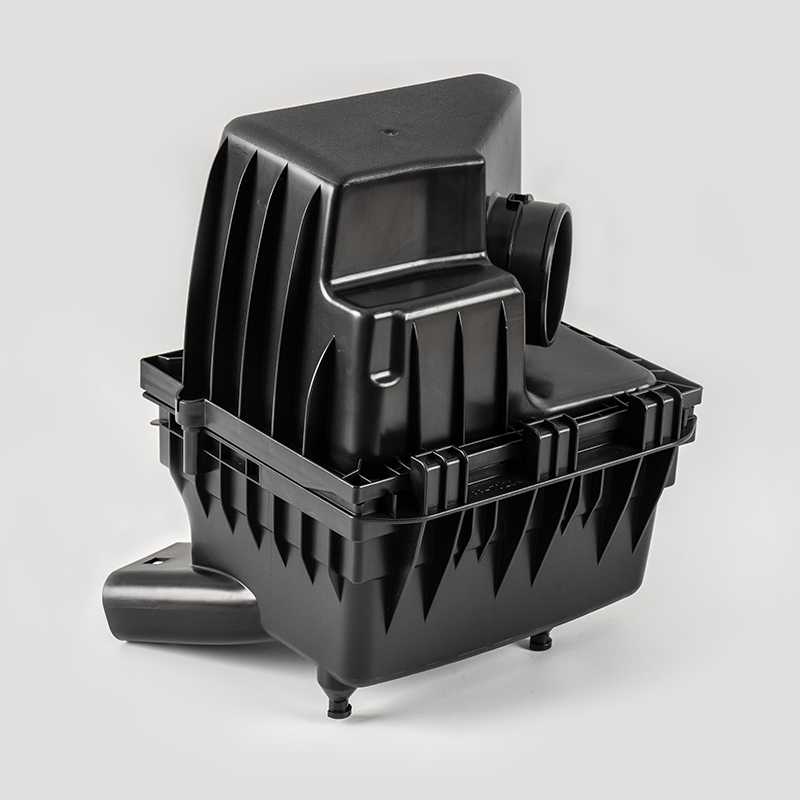
Great Wall Automotive Engine Air Filtration System Housing Assembly
-
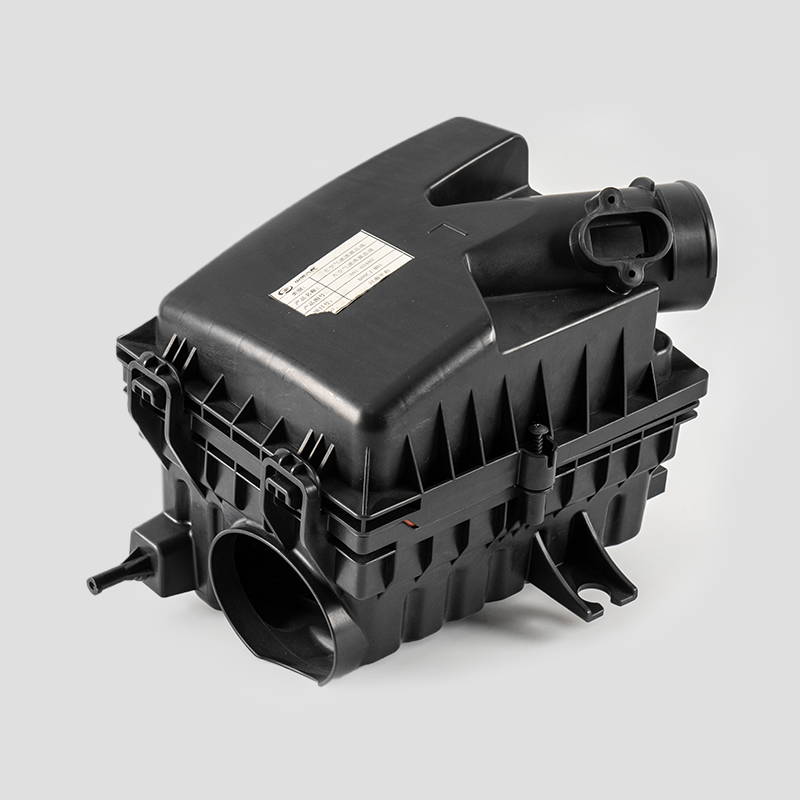
BAIC Automotive Engine Air Filtration System Housing Assembly
-
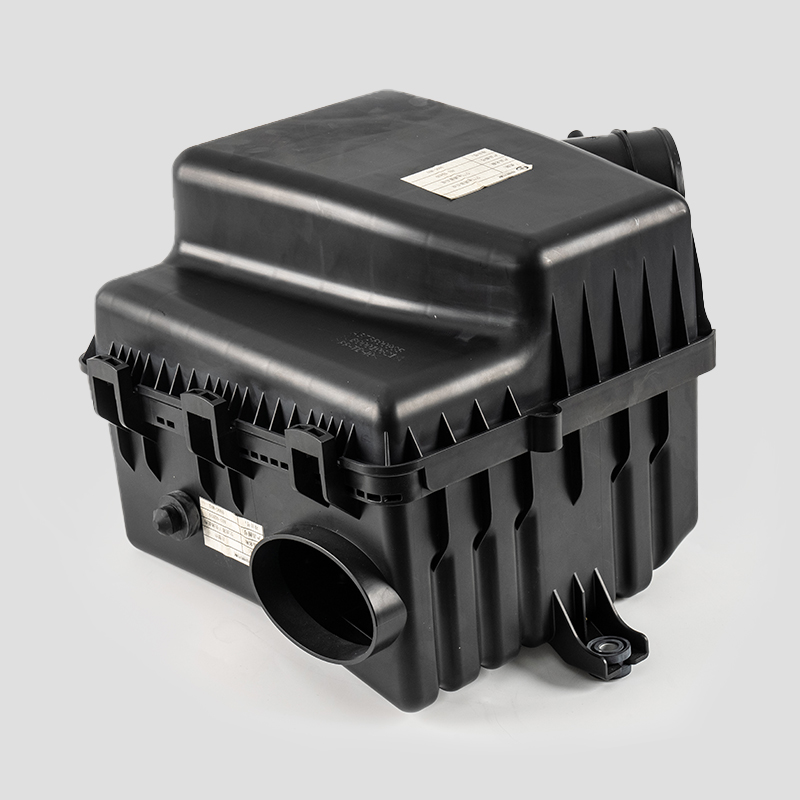
BAIC SUV Automotive Engine Air Filtration System Housing Assembly



Copyright © Ningbo Heyuan Auto Parts Co., Ltd. Rights Reserved. Custom Automobile Filter Parts Company OEM/ODM Automobile Filter Parts Manufacturer
