


 English
 Español
 عربى
عربى
How to choose the right material for injection molding plastic parts?
Content
Choose the right material for plastic parts injection molding
1. Matching of material properties
First, determine the operating environment of the part (temperature, chemical medium, mechanical load), and then select the appropriate engineering plastic. Commonly used materials include:
PP (Polypropylene): Lightweight, good chemical resistance, suitable for fuel tanks, pipes, etc.
ABS: High impact resistance, suitable for casings and decorative parts.
PA (Nylon): wear-resistant, high strength, suitable for low pressure injection molded parts such as gears and bearings.
2. Processing fluency and performance
The melt flow index (MFI) of a material determines its fillability during injection molding. Materials with good fluidity (such as polyethylene and polypropylene) are easier to mold into thin walls; while high strength materials (such as polycarbonate) require an appropriately higher injection pressure and temperature.
3. Shrinkage rate and dimensional stability
Crystalline materials (PP, PE) have higher shrinkage rates, so they require sufficient shrinkage compensation in the design phase; Amorphous materials (PC, PPS) have lower shrinkage rates, suitable for high precision parts. When selecting materials, the thermal expansion coefficient of the material and the design of the mold cooling system should be considered.
4. Cost and supply chain considerations
To meet performance requirements, a comprehensive evaluation of material costs, drying requirements, and suppliers' delivery capabilities is necessary. Ningbo Heyuan owns its own raw materials warehouse and long-term cooperative material supply chains, enabling it to provide customers with cost-effective material solutions and offer full process services including drying and pretreatment.
Related Products
-
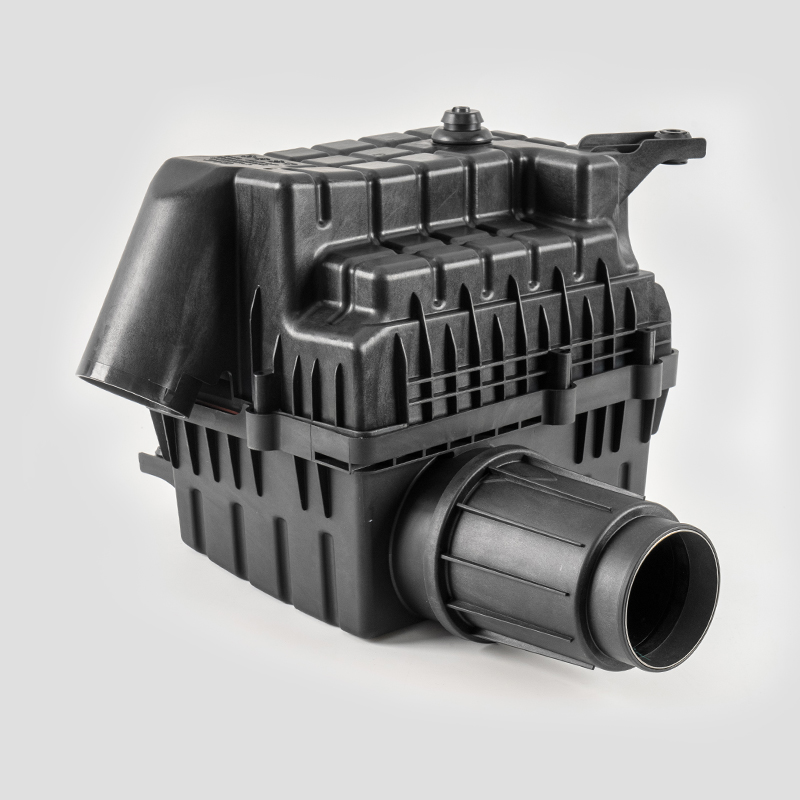
GAC A57 Automotive Engine Air Filtration System Housing Assembly
-
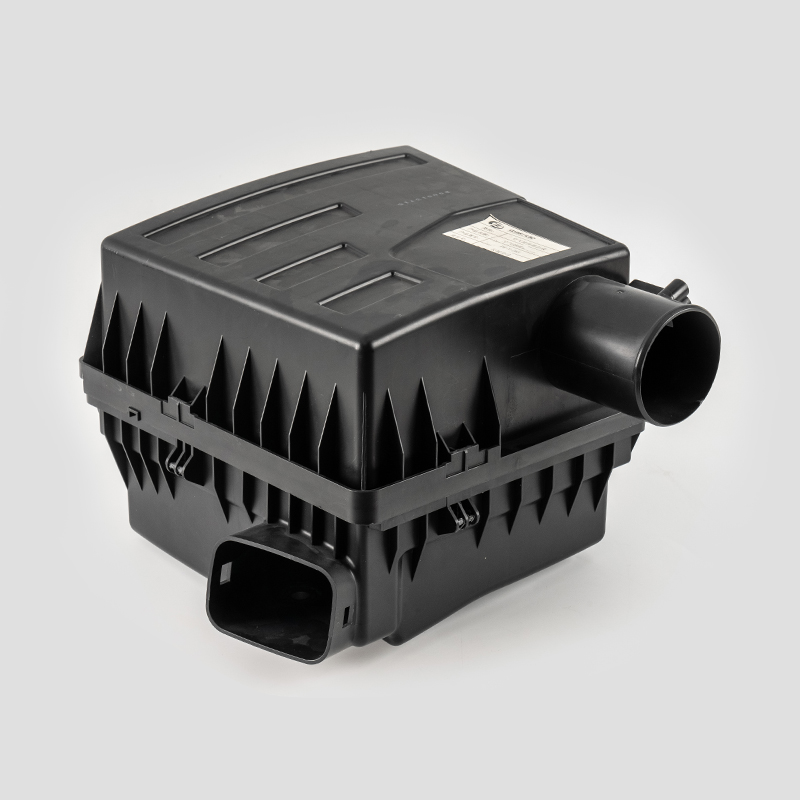
Great Wall A30 Automotive Engine Air Filtration System Housing Assembly
-
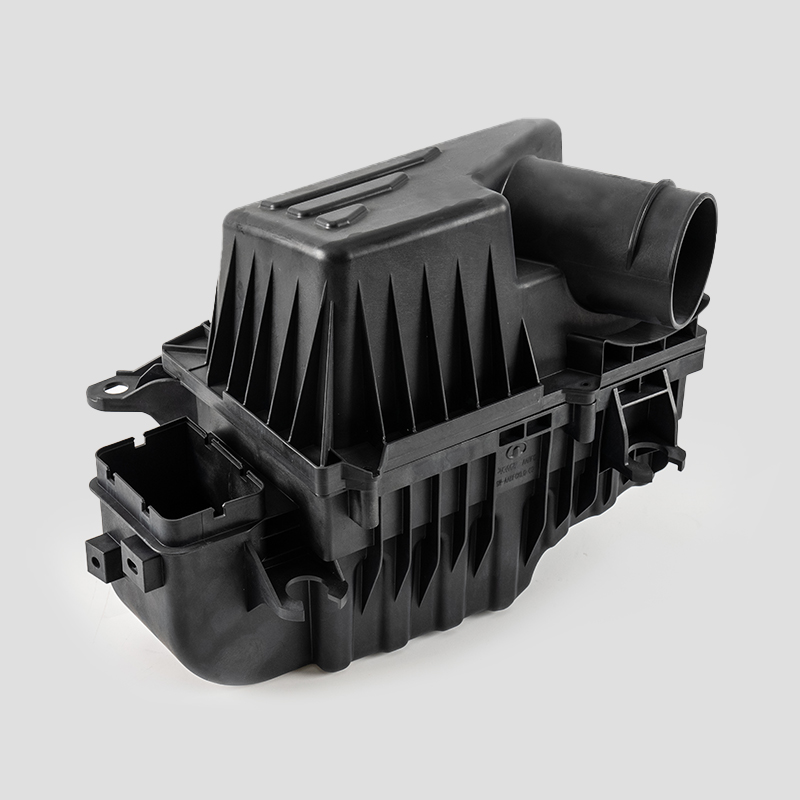
Great Wall B30 Automotive Engine Air Filtration System Housing Assembly
-
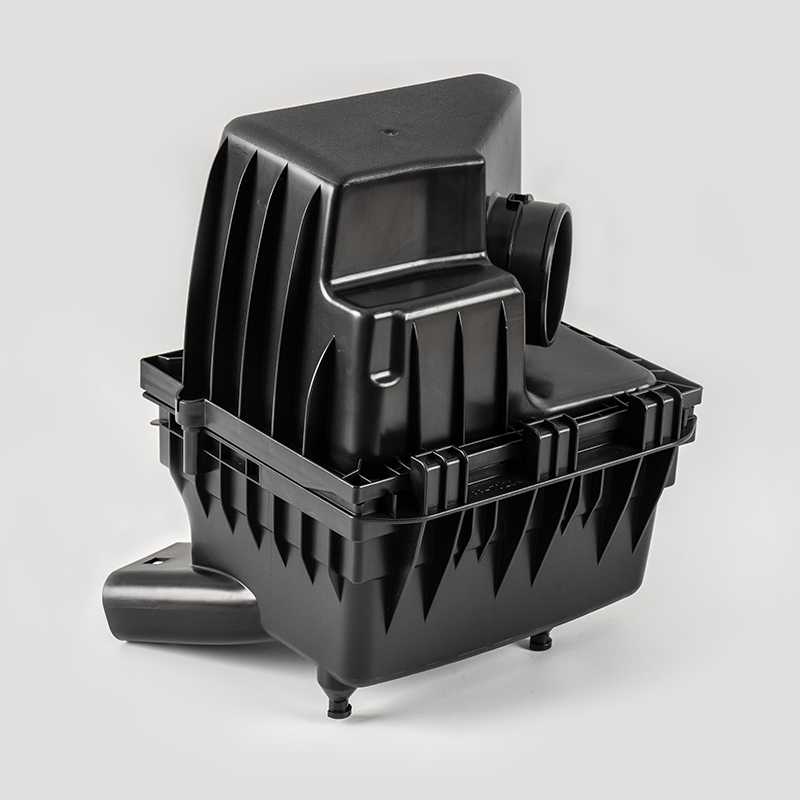
Great Wall Automotive Engine Air Filtration System Housing Assembly
-
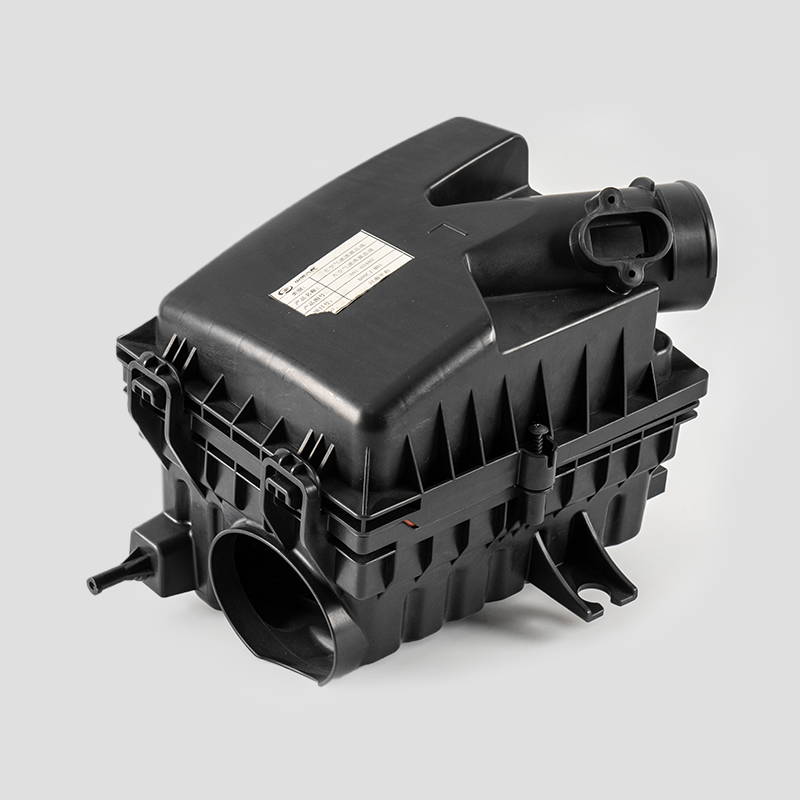
BAIC Automotive Engine Air Filtration System Housing Assembly
-
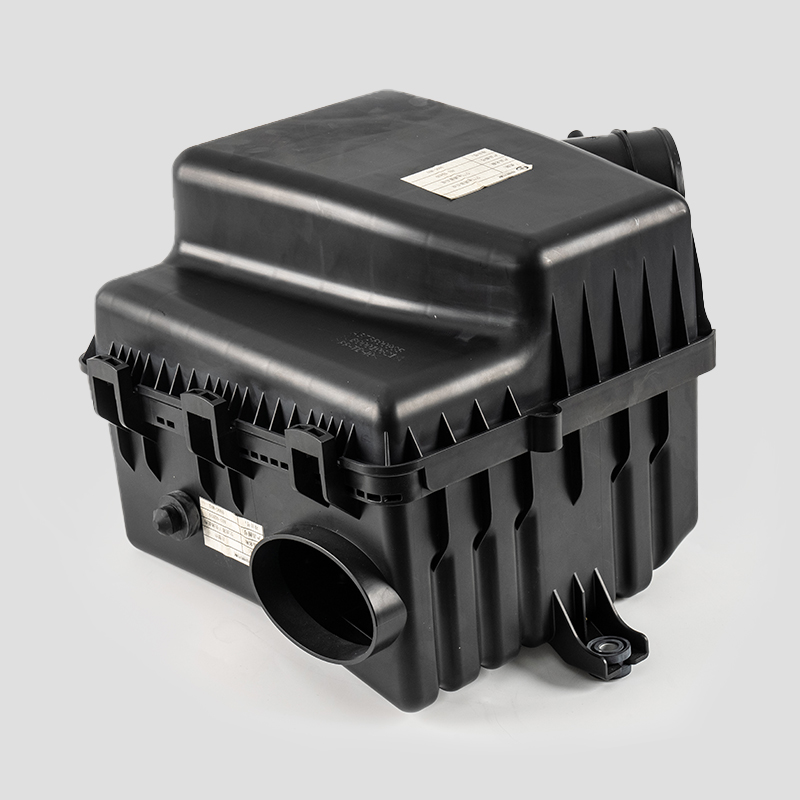
BAIC SUV Automotive Engine Air Filtration System Housing Assembly



Copyright © Ningbo Heyuan Auto Parts Co., Ltd. Rights Reserved. Custom Automobile Filter Parts Company OEM/ODM Automobile Filter Parts Manufacturer
