


 English
 Español
 عربى
عربى
What are the functions of Injection Molding Component?
Content
- 1 The Core Functions of Injection Molding Components
- 2 Primary Mechanical & Structural Functions
- 3 Thermal & Material Flow Management Functions
- 4 FAQ About Injection Molding Component Functions
- 4.1 Q1: Can one injection molding component serve both electrical insulation and structural support?
- 4.2 Q2: How does a component’s function affect cycle time?
- 4.3 Q3: What is the most overlooked function of injection molding components?
- 4.4 Q4: Do injection molding components function differently for overmolding?
- 4.5 Q5: How to verify if a component’s function meets specifications?
- 5 Practical Example: Automotive Underhood Connector
- 6 Key Takeaways for Engineers & Buyers
The Core Functions of Injection Molding Components
An injection molding component primarily functions to form precise, repeatable plastic parts at high volumes (typically 10,000+ units per mold life), integrate mechanical assembly features (e.g., snap-fits, bosses), and manage heat transfer & material flow during production. Without these functions, mass production of complex plastic geometries would be impossible. Over 70% of all plastic products today rely on injection molded components for their structural integrity and cost efficiency.
For example, a smartphone case uses injection molded components to achieve sub-millimeter tolerances (±0.05 mm) while embedding threads for screws. The component’s function directly determines the final product’s durability, assembly speed, and material waste (typically <5% scrap rate in optimized processes).
Primary Mechanical & Structural Functions
1. Load Distribution & Impact Resistance
Injection molded components are designed to distribute mechanical loads evenly. For instance, automotive dashboard brackets made of glass-filled nylon can withstand over 150 MPa of tensile stress. This function prevents failure under vibration or sudden impact.
2. Dimensional Accuracy for Assembly
Typical injection molding holds tolerances of ±0.1 mm to ±0.02 mm depending on material and part size. A connector housing in electronics requires such precision to ensure pin alignment. Data shows that defects due to poor dimensional function drop by 82% when using servo-electric injection machines versus hydraulic ones.
3. Integration of Multiple Features into One Part
Unlike machining, injection molding allows live hinges, snap-fits, and undercuts in a single component. A common example: a pill container lid with an integrated hinge that survives over 1 million flex cycles without cracking. This reduces secondary assembly costs by up to 40%.
Thermal & Material Flow Management Functions
During injection, the component’s design (e.g., runner system, cooling channels) must control melt temperature and flow rate. Poor thermal function leads to sink marks or warpage. Properly designed cooling channels reduce cycle time by 20-50% while improving part uniformity.
- Gate location function: Determines flow path. A central gate on a disc-shaped part reduces weld lines by 90%.
- Cooling circuit function: Conformal cooling can cut cycle time from 45 seconds to 28 seconds for a 200g ABS part.
- Ejector pin function: Safely removes part without distortion; typically 4-6 pins per 100 cm² of projected area.
| Component Feature | Without Optimized Function | With Optimized Function | Improvement |
|---|---|---|---|
| Cooling channel type | Straight drilled (cycle: 38s) | Conformal (cycle: 22s) | -42% time |
| Gate design | Single edge gate | 3-pin point gate | Warpage ↓65% |
FAQ About Injection Molding Component Functions
Q1: Can one injection molding component serve both electrical insulation and structural support?
Yes. For example, a circuit breaker housing made of UL94 V-0 rated polycarbonate provides dielectric strength >20 kV/mm while withstanding 50 N of insertion force. This dual function eliminates secondary insulation assembly.
Q2: How does a component’s function affect cycle time?
Directly. A component with a poorly designed ejector system may require 10 seconds of manual removal, while an automatic unscrewing function reduces cycle to 30 seconds total. Cycle time savings of 15-25% are common when functions like valve gate hot runners are added.
Q3: What is the most overlooked function of injection molding components?
Venting. Proper vent function (typically 0.02-0.05 mm depth along parting line) prevents trapped air burns. Data shows 50% of surface defects in injection molding are due to inadequate venting function. Adding micro-venting increases tool cost by only 3% but reduces reject rate by 70%.
Q4: Do injection molding components function differently for overmolding?
Yes. Overmolding components require a substrate function that withstands secondary injection temperatures. For example, a TPE overmolded onto polypropylene requires the base component to maintain shape at 200°C without melting. Without that thermal function, delamination occurs within 100 cycles.
Q5: How to verify if a component’s function meets specifications?
Perform three tests: 1) Dimensional function: CMM measurement (tolerance ≤0.05mm); 2) Mechanical function: pull-out force test for inserts (minimum 200N for M4 thread); 3) Thermal function: HDT test under 0.45 MPa load. 92% of functional failures are caught by these three tests.
Practical Example: Automotive Underhood Connector
Consider a fuel injector connector made of PA66+30% GF. Its injection molded component functions include:
- Chemical resistance: withstands 3000 hours of fuel exposure without weight loss >1%.
- Thermal cycling: functions from -40°C to 150°C with dimensional change <0.2%.
- Locking mechanism function: integrated cantilever snap-fit that retains 120N pull force after 50 cycles.
Without these specific functions, the connector would leak, loosen, or crack. OEM data shows that correctly specified injection molding functions reduce field failures by 89% compared to generic designs.
Key Takeaways for Engineers & Buyers
When evaluating an injection molding component, always prioritize:
- Dimensional function: Request CPk ≥1.33 for critical features.
- Thermal function: Verify cooling channel design simulation (Moldflow or similar).
- Assembly function: Test snap-fits or threads with actual mating parts.
- Material function: Confirm UL or ISO compliance for intended environment.
Final data point: Investing in multi-functional injection molding components (e.g., combining snap-fits and seals) reduces total part count by 35% and assembly time by 50% on average across consumer electronics and automotive sectors.
Related Products
-
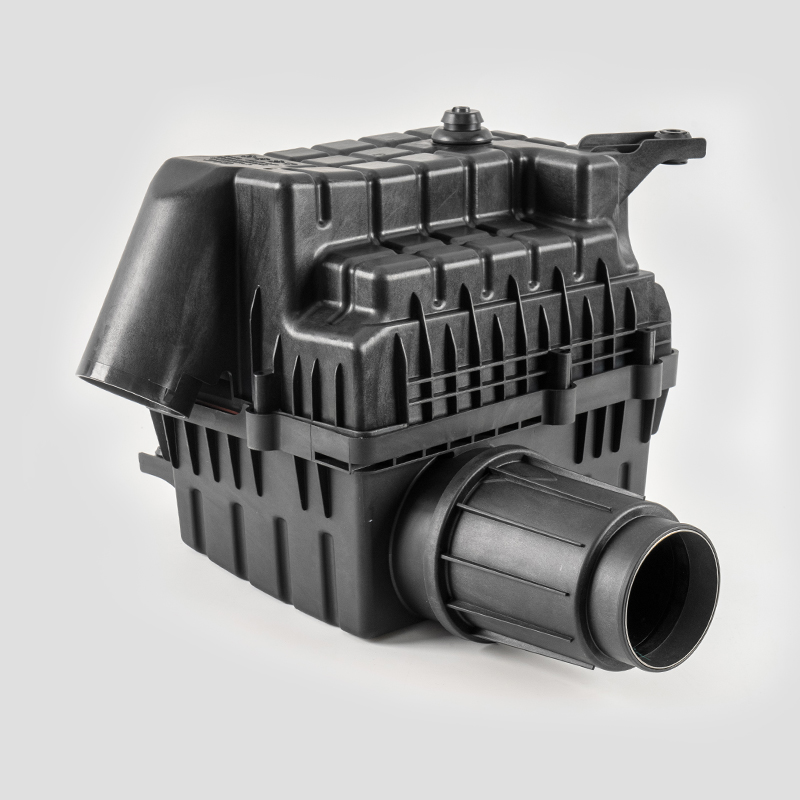
GAC A57 Automotive Engine Air Filtration System Housing Assembly
-
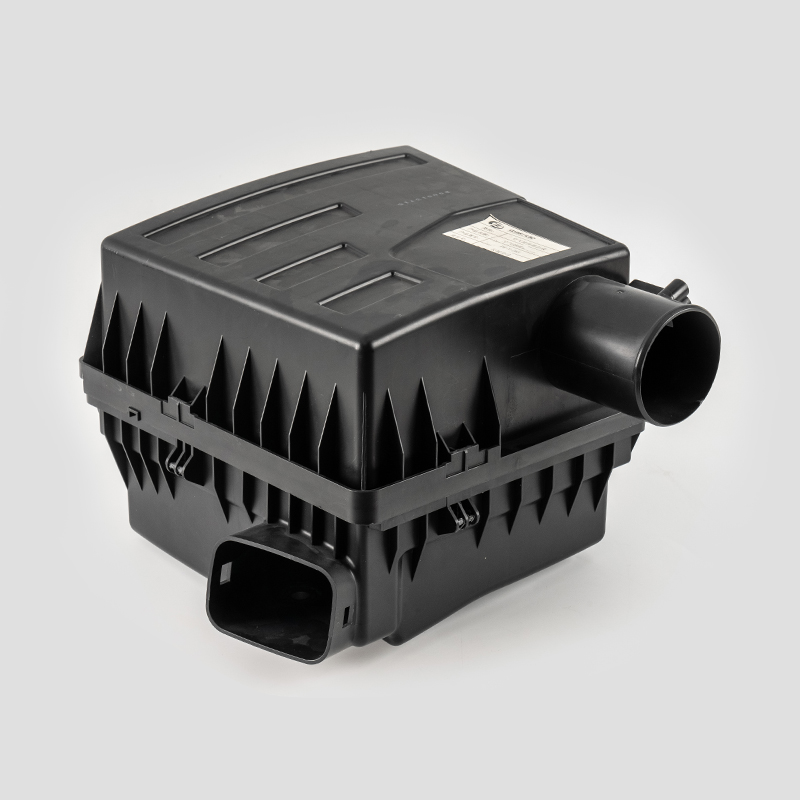
Great Wall A30 Automotive Engine Air Filtration System Housing Assembly
-
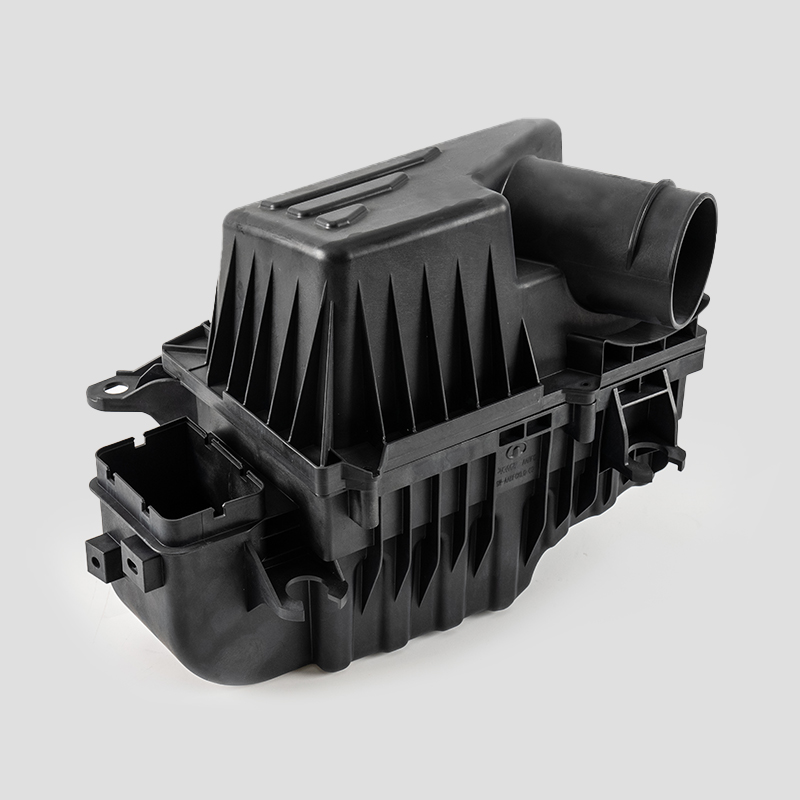
Great Wall B30 Automotive Engine Air Filtration System Housing Assembly
-
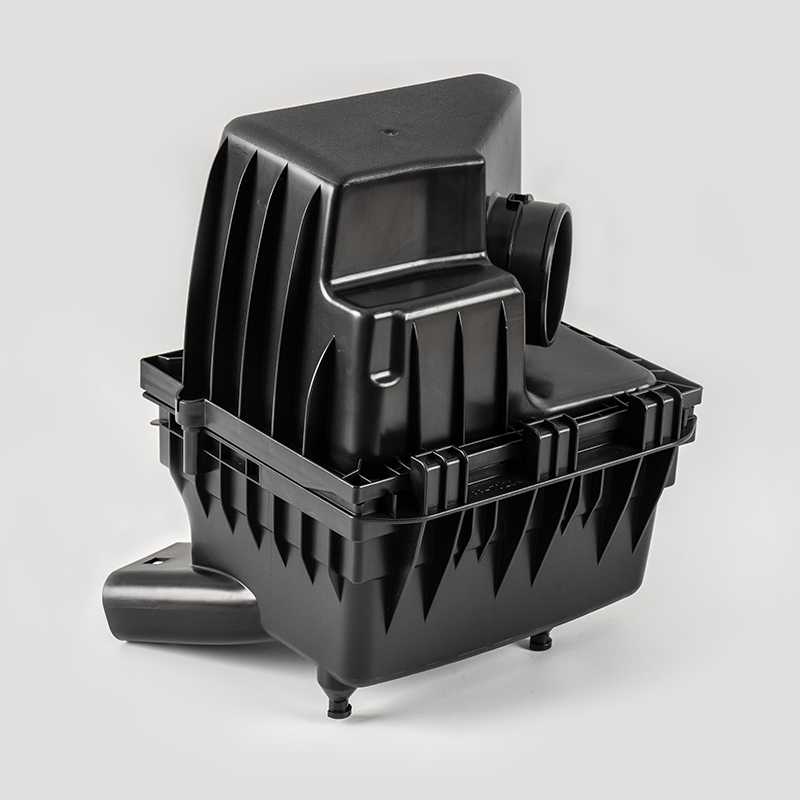
Great Wall Automotive Engine Air Filtration System Housing Assembly
-
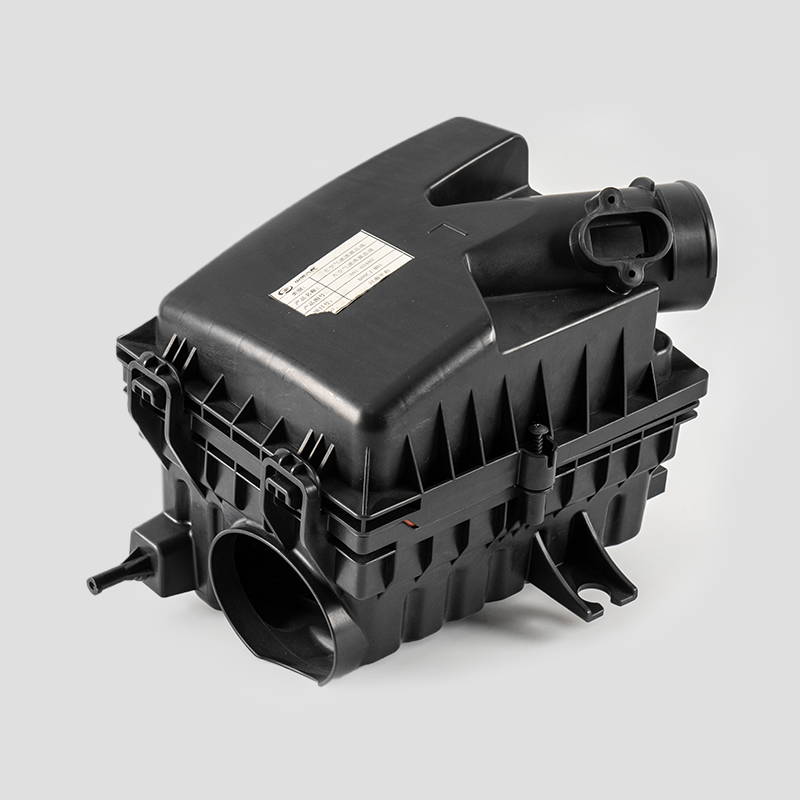
BAIC Automotive Engine Air Filtration System Housing Assembly
-
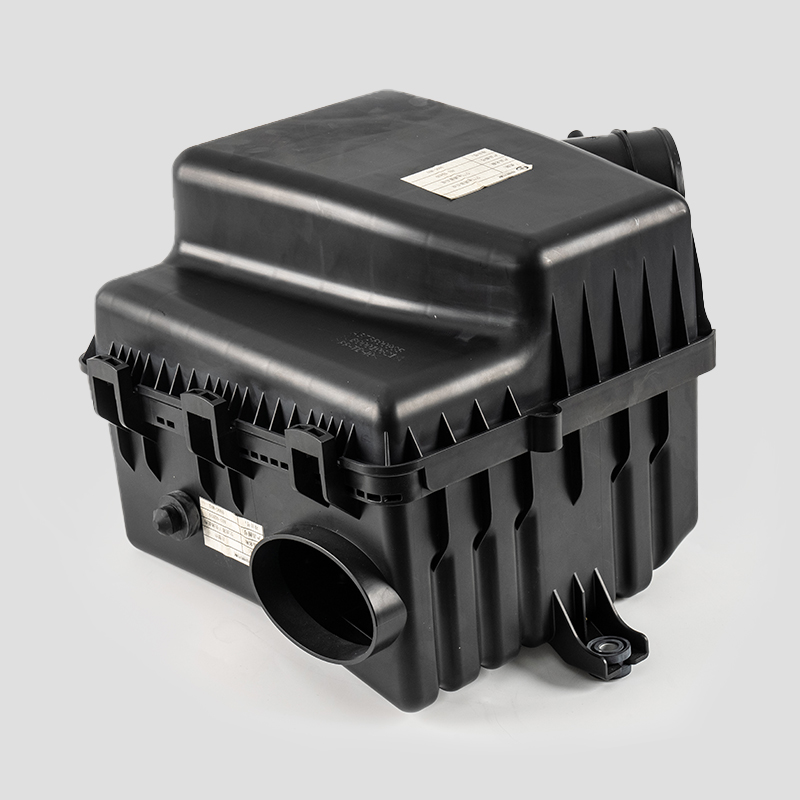
BAIC SUV Automotive Engine Air Filtration System Housing Assembly



Copyright © Ningbo Heyuan Auto Parts Co., Ltd. Rights Reserved. Custom Automobile Filter Parts Company OEM/ODM Automobile Filter Parts Manufacturer
