


 English
 Español
 عربى
عربى
What is the Cabin Filter?
Content
- 1 What is the Cabin Filter and How to Use It?
- 2 How to Use a Cabin Filter: A Step-by-Step Practical Guide
- 3 Summer Outdoor Cabin Filter: Why It Matters More in Hot Weather
- 4 FAQ About Summer Outdoor Cabin Filter: Answers with Data
- 4.1 1. Can I drive without a cabin filter in summer?
- 4.2 2. How often should I replace the cabin filter for summer outdoor use?
- 4.3 3. Does a cabin filter affect A/C cooling performance?
- 4.4 4. What's the difference between a standard and a summer-grade cabin filter?
- 4.5 5. Can a bad cabin filter cause health issues?
- 5 Comparison Table: Standard vs. Carbon Cabin Filter for Summer
- 6 Practical Tips: Signs Your Summer Cabin Filter Needs Immediate Change
What is the Cabin Filter and How to Use It?
A cabin filter (also known as a pollen filter or A/C filter) is a crucial component that cleans the air entering your vehicle's interior through the HVAC system. It traps dust, pollen, exhaust gases, mold spores, and even airborne pollutants, ensuring the air you breathe inside the car is significantly cleaner. To use it effectively, simply replace it every 12,000 to 15,000 miles (or once a year) – more often in heavy summer outdoor conditions. No special tools are needed for most vehicles; the filter is typically located behind the glove box or under the dashboard.
How to Use a Cabin Filter: A Step-by-Step Practical Guide
Using a cabin filter correctly isn't about operation – it's about timely maintenance. Follow this practical approach to maximize air quality and AC performance.
Step 1: Locate the Filter Housing
In over 80% of passenger vehicles, the cabin filter is behind the glove compartment. In some trucks or SUVs, it may be under the hood near the windshield base. Consult your owner's manual for exact placement.
Step 2: Inspect and Replace (Not Clean)
Never try to wash or vacuum a paper-based cabin filter – it destroys the electrostatic layer that captures micro-particles. Instead, remove the old filter and compare it with a new one. If it appears gray/black or has visible debris, replace it immediately.
Step 3: Install Correctly
Note the airflow arrow on the filter frame. It must point downward or toward the blower motor. A reverse installation reduces efficiency by up to 60%.
Summer Outdoor Cabin Filter: Why It Matters More in Hot Weather
Summer driving exposes your cabin filter to extreme conditions: high pollen counts, road dust, smog, and even insect debris. A clogged filter during summer can reduce A/C airflow by up to 30%, forcing your system to work harder and consume more fuel. For outdoor enthusiasts (camping, beach trips, off-roading), the filter's lifespan can drop to just 6 months or 6,000 miles due to higher particulate load.
If you frequently drive on unpaved roads or in urban areas with high ozone levels, upgrading to a carbon-activated cabin filter is recommended. These filters remove over 95% of volatile organic compounds (VOCs) and exhaust odors, which are more common in summer traffic jams.
FAQ About Summer Outdoor Cabin Filter: Answers with Data
1. Can I drive without a cabin filter in summer?
Technically yes, but it's harmful. Without a filter, pollen, mold spores, and even small insects enter the cabin directly. Allergy symptoms inside the car can increase by 40% when no filter is present, according to automotive HVAC studies.
2. How often should I replace the cabin filter for summer outdoor use?
For standard summer driving (city/highway), replace every 12 months or 12,000 miles. For heavy outdoor use (dusty trails, farms, or coastal areas with high salt spray), replace every 6 months. A simple test: turn on the A/C to max – if airflow feels weak or a musty smell appears, change the filter immediately.
3. Does a cabin filter affect A/C cooling performance?
Yes, significantly. A clogged cabin filter restricts airflow over the evaporator core. Airflow volume can drop by 25-35% when the filter is saturated with summer debris. This not only reduces cooling but also increases blower motor strain and fuel consumption by roughly 2-4% in extreme cases.
4. What's the difference between a standard and a summer-grade cabin filter?
There is no official "summer-grade" rating, but many brands offer high-performance filters with enhanced particle capture (up to 99% of PM2.5) and activated carbon. These are ideal for summer outdoor use because they neutralize smog, ozone, and exhaust fumes – common summer nuisances.
5. Can a bad cabin filter cause health issues?
Absolutely. A dirty filter becomes a breeding ground for Aspergillus, Penicillium, and Cladosporium molds. In summer's warm, humid conditions, these can trigger asthma attacks, persistent coughing, and eye irritation. Replacing the filter reduces airborne mold spores by over 85%.
Comparison Table: Standard vs. Carbon Cabin Filter for Summer
| Feature | Standard (Pollen) Filter | Carbon-Activated Filter |
|---|---|---|
| PM2.5 Capture Efficiency | ~85-90% | ≥99% |
| Odor & VOC Removal | None | Yes (up to 95%) |
| Summer Smog Protection | Low | High (ozone reduction) |
| Recommended Replacement | 12 months / 12k miles | 12 months (or 6 months in heavy dust) |
| Average Cost (USD) | $10 - $20 | $20 - $40 |
Practical Tips: Signs Your Summer Cabin Filter Needs Immediate Change
- Reduced A/C airflow – Even at max fan speed, air feels weak.
- Musty or dusty smell when you turn on the ventilation – a clear sign of mold or saturated debris.
- Increased allergy symptoms while driving (sneezing, watery eyes).
- Visible debris on the cabin air intake (near windshield wipers).
- Window fogging that doesn't clear quickly – a dirty filter can reduce dehumidification efficiency.
If you notice any of these signs, replace the filter within one week. Delaying replacement can lead to A/C evaporator freezing or blower motor failure, with repair costs exceeding $500.
Related Products
-
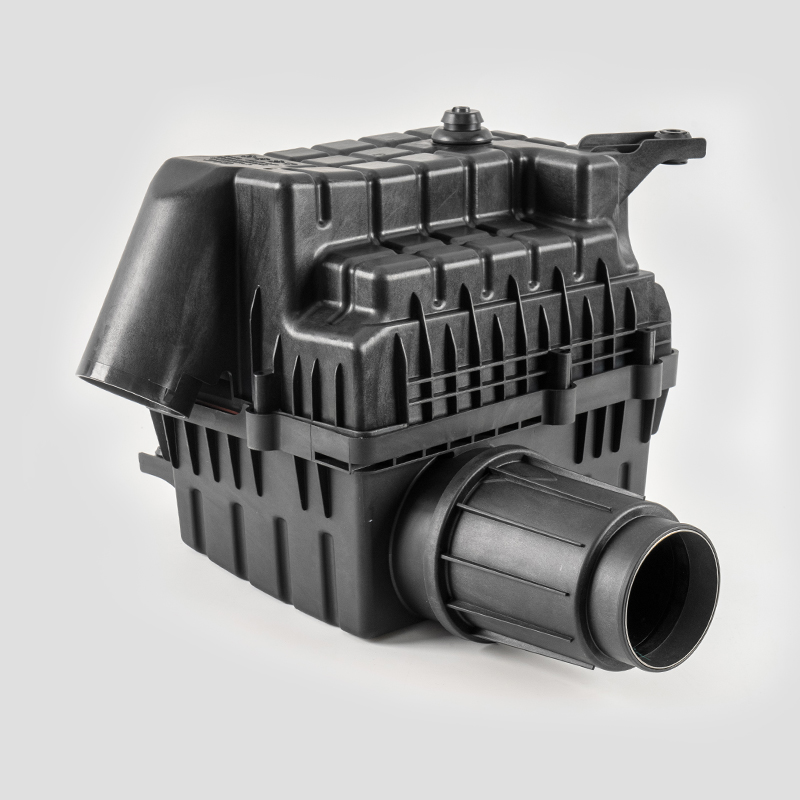
GAC A57 Automotive Engine Air Filtration System Housing Assembly
-
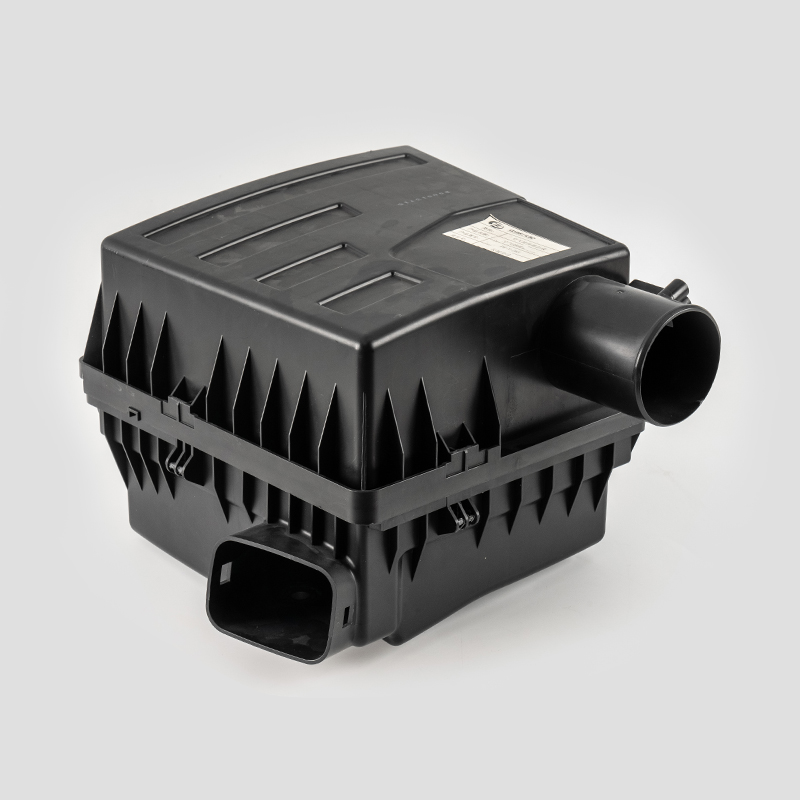
Great Wall A30 Automotive Engine Air Filtration System Housing Assembly
-
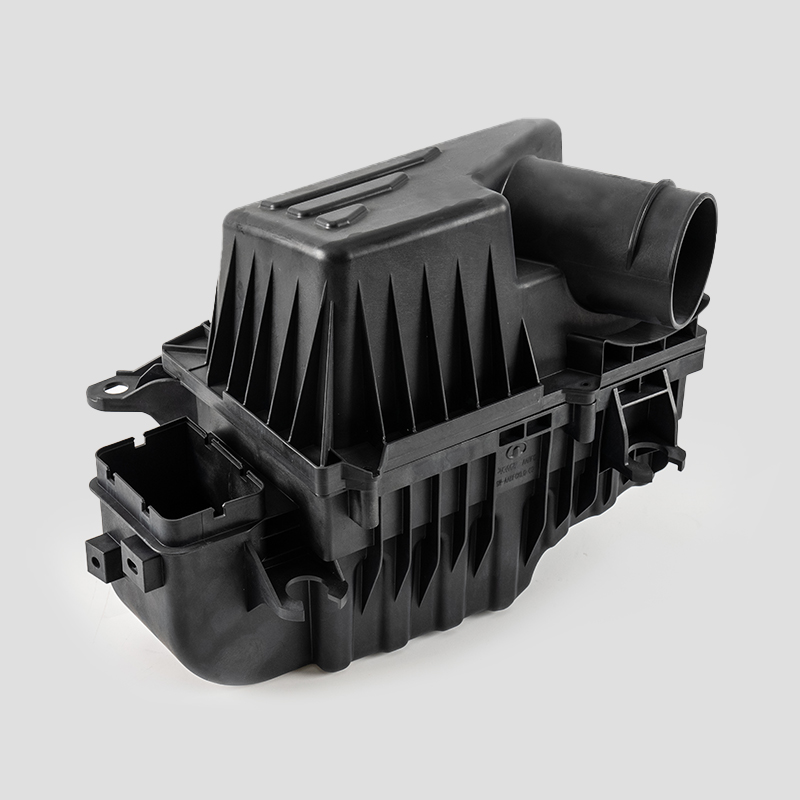
Great Wall B30 Automotive Engine Air Filtration System Housing Assembly
-
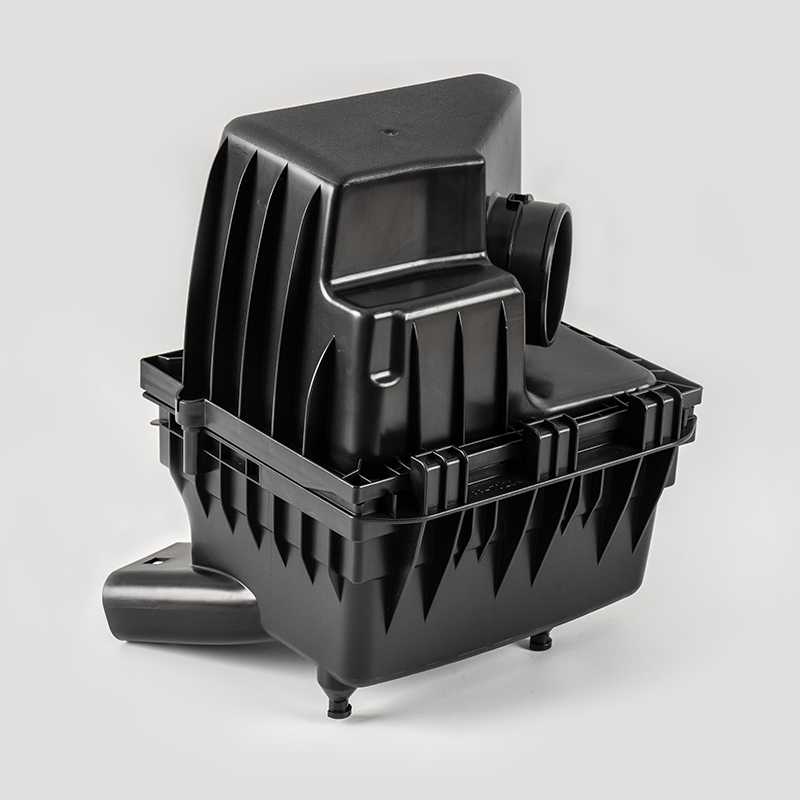
Great Wall Automotive Engine Air Filtration System Housing Assembly
-
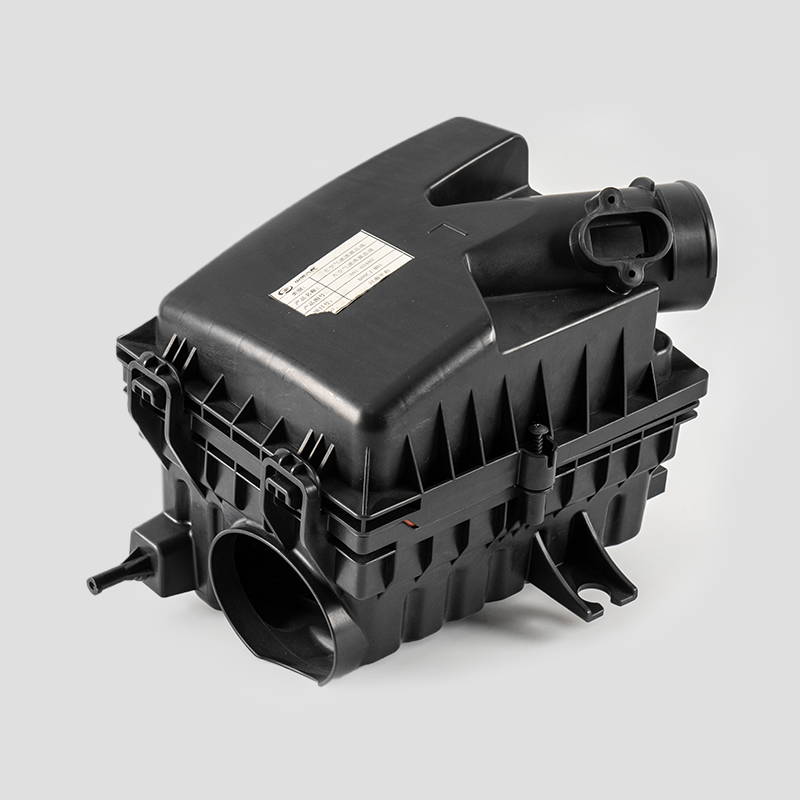
BAIC Automotive Engine Air Filtration System Housing Assembly
-
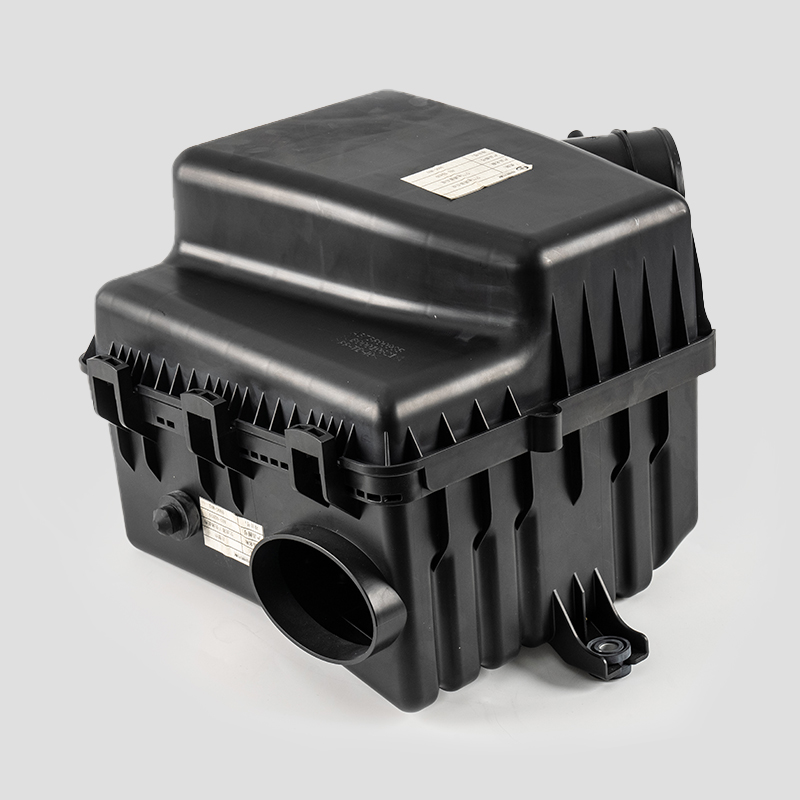
BAIC SUV Automotive Engine Air Filtration System Housing Assembly



Copyright © Ningbo Heyuan Auto Parts Co., Ltd. Rights Reserved. Custom Automobile Filter Parts Company OEM/ODM Automobile Filter Parts Manufacturer
