


 English
 Español
 عربى
عربى
Is Your BMW Losing Its Edge? Why the 13717536006 Air Filter is Non-Negotiable for N52 Engine Health
Content
- 1 The Critical Role of the 13717536006 Air Filter in BMW 1-Series and X1 Performance
- 2 Technical Specifications of the 13717536006 Filtration Element
- 3 Signs Your BMW Needs a New Air Filter Immediately
- 4 Constructive Maintenance: How to Correctly Replace Your BMW Air Filter
- 5 Economic and Environmental Benefits of Timely Replacement
- 6 Frequently Asked Questions (FAQ)
The Critical Role of the 13717536006 Air Filter in BMW 1-Series and X1 Performance
For owners of the BMW 125i, 128i, 130i, and X1 25i/28i, the engine is the heart of the "Ultimate Driving Machine." Specifically, these models often house the legendary N52 naturally aspirated inline-six engine, a powerplant known for its smooth power delivery and high-revving nature. The BMW 13717536006 Air Filter is the primary guardian of this engine. It is designed to capture microscopic contaminants—ranging from fine road dust to silica particles—that could otherwise enter the combustion chamber and cause catastrophic wear on the cylinder liners and piston rings.
Choosing the correct Automotive Engine Air Filtration element is not just about fitment; it is about air-flow precision. The N52 engine utilizes BMW’s Valvetronic technology, which controls engine breathing via valve lift rather than a traditional throttle body. This makes the engine exceptionally sensitive to intake air quality and pressure. A clogged or substandard filter can disrupt the delicate balance of the Air Intake System, leading to sluggish throttle response and a noticeable drop in the fuel efficiency that BMW owners expect.
Technical Specifications of the 13717536006 Filtration Element
The BMW 13717536006 Air Filter is engineered with a high-capacity pleated paper media, specifically treated to resist moisture and oil vapors. Unlike generic filters, this OE-spec component features a high pleat count, which maximizes the total filtration surface area within the compact housing of the E82, E88, and E84 chassis. This ensures that even as the filter accumulates debris, it maintains a consistent flow rate, preventing the "suffocation" of the engine during high-RPM driving.
Structural Integrity and Sealing Accuracy
One of the most overlooked aspects of the BMW 128i and 130i air filters is the polyurethane sealing frame. The 13717536006 filter uses a high-density foam seal that remains pliable even after 20,000 miles of heat cycling. This precision fit prevents "air bypassing"—a condition where dirty air leaks around the edges of the filter and enters the intake manifold. For BMW X1 owners who may drive in dustier environments, the integrity of this seal is the difference between a clean intake and a damaged Mass Air Flow (MAF) sensor.
| Feature | OE Specification (13717536006) | Standard Aftermarket |
|---|---|---|
| Filter Media | Synthetic-Reinforced Cellulose | Standard Paper |
| Filtration Efficiency | 99.7% for particles > 3 microns | 92.0% - 95.0% |
| Seal Material | Heat-Resistant Polyurethane | Recycled Rubber (Tends to harden) |
| Service Life | Up to 30,000 miles | 10,000 - 15,000 miles |
Signs Your BMW Needs a New Air Filter Immediately
Monitoring the condition of your BMW 125i or X1 28i engine air filter is a vital part of constructive maintenance. While BMW’s Condition Based Service (CBS) system provides an estimate of when to change the filter, driving conditions—such as urban smog or rural dust—can significantly shorten this interval.
Be alert for the following symptoms of a restricted air intake:
- A noticeable hesitation when pulling away from a stop or during rapid overtaking.
- Increased fuel consumption; a clogged filter can reduce MPG by up to 10% as the ECU attempts to compensate for poor airflow.
- Black smoke or a strong smell of unburnt fuel from the exhaust (especially under heavy load).
- A "Dirty Air Filter" warning or "Reduced Engine Power" message on the iDrive screen.
In the BMW 130i, which features a higher state of tune for the N52, air starvation will often result in a metallic or "raspy" intake sound that indicates the engine is struggling to pull in enough oxygen.
Constructive Maintenance: How to Correctly Replace Your BMW Air Filter
Replacing the 13717536006 Air Filter is a simple DIY task that can be completed in about 15 minutes. However, precision is required to ensure the housing assembly is correctly resealed. Follow these steps for the BMW 1-Series and X1:
- Locate the large plastic airbox on the driver's side (LHD models) of the engine bay.
- Release the stainless steel retaining clips (usually 4 to 6 clips depending on the model).
- Gently lift the upper housing cover. Warning: Do not pull too hard, as the MAF sensor wiring harness is attached to the rear of the lid.
- Remove the old filter and, most importantly, use a vacuum or clean cloth to remove any debris at the bottom of the lower housing assembly.
- Insert the new 13717536006 filter, ensuring the pleats are facing downward and the seal is perfectly flush with the housing edge.
- Re-secure the clips, ensuring that the back of the lid is properly hinged or seated before clamping the front.
Economic and Environmental Benefits of Timely Replacement
Maintaining a clean Automotive Engine Air Filtration System is one of the most cost-effective ways to manage vehicle ownership costs. Beyond fuel savings, a clean filter protects the BMW MAF sensor—a component that can cost upwards of $300 to replace. Furthermore, proper airflow ensures complete combustion, which significantly reduces the carbon buildup on intake valves, a common issue in modern engines. By spending a small amount on a high-quality filter like the 13717536006, you are effectively extending the operational life of your BMW's catalytic converters and oxygen sensors.
Frequently Asked Questions (FAQ)
Does the 13717536006 filter fit the BMW X1 35i?
No. The X1 35i uses the turbocharged N55 engine, which requires a different air filter configuration. The 13717536006 is specifically designed for the naturally aspirated inline-six models like the 25i and 28i.
Can I clean the 13717536006 filter with compressed air?
We strongly advise against this. While it may remove surface dust, compressed air can create microscopic tears in the paper media or force fine particles deeper into the fibers, permanently reducing airflow efficiency. Always replace the unit with a new one.
How often should I change the filter in a BMW 130i?
While the manual may suggest longer intervals, performance enthusiasts recommend replacing the BMW air filter every 15,000 miles (24,000 km) to ensure maximum horsepower and engine responsiveness.
Will using an aftermarket filter void my BMW warranty?
As long as the filter meets or exceeds the OE technical specifications, it will not void your warranty. However, using a low-quality filter that leads to engine damage (like a dusted turbo or scored cylinder) can result in a denied claim. Sticking with the 13717536006 part number is the safest choice.
Related Products
-
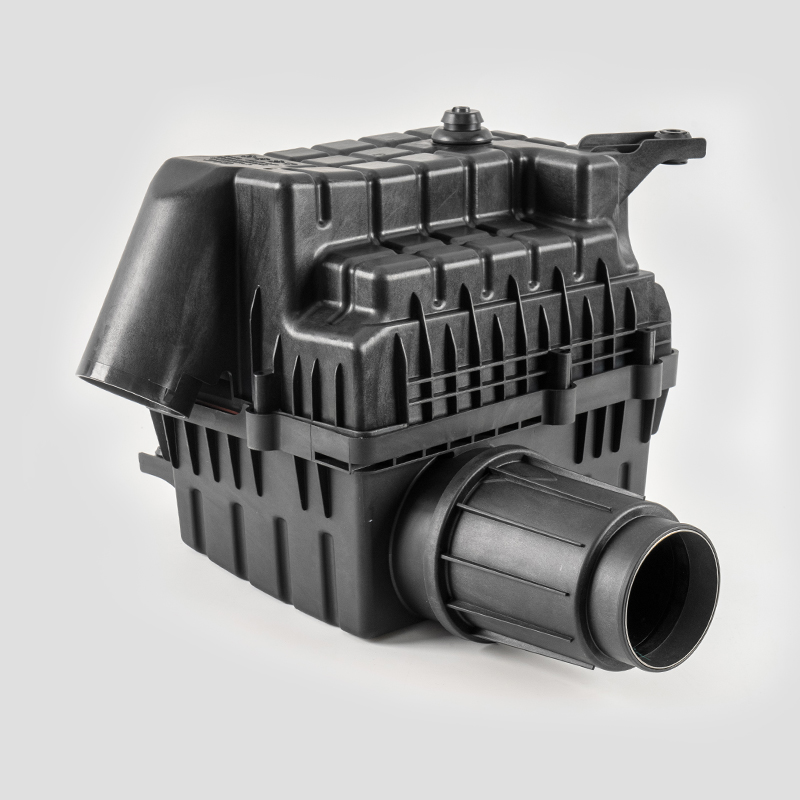
GAC A57 Automotive Engine Air Filtration System Housing Assembly
-
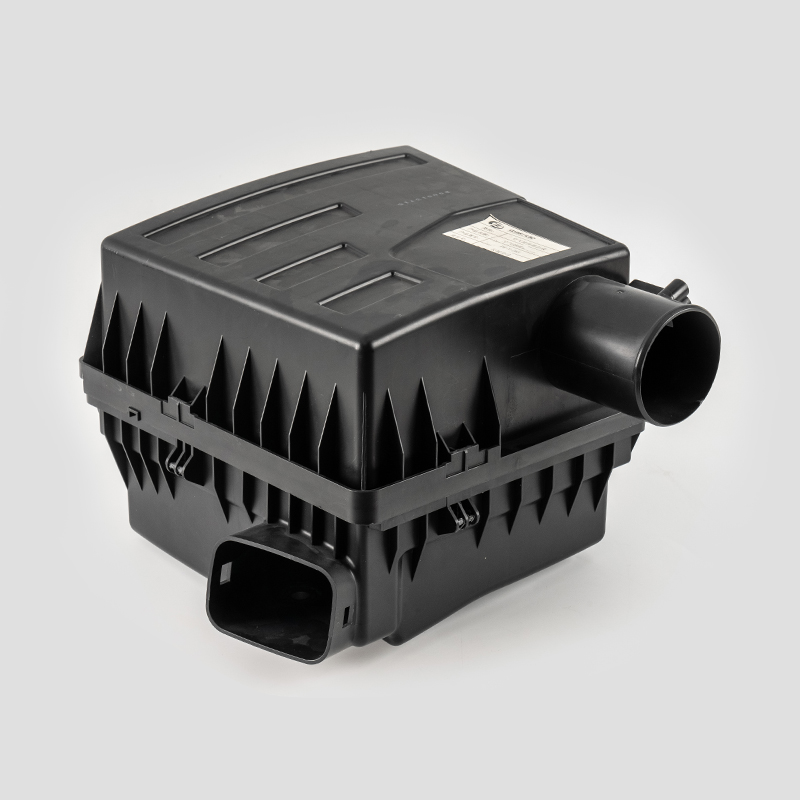
Great Wall A30 Automotive Engine Air Filtration System Housing Assembly
-
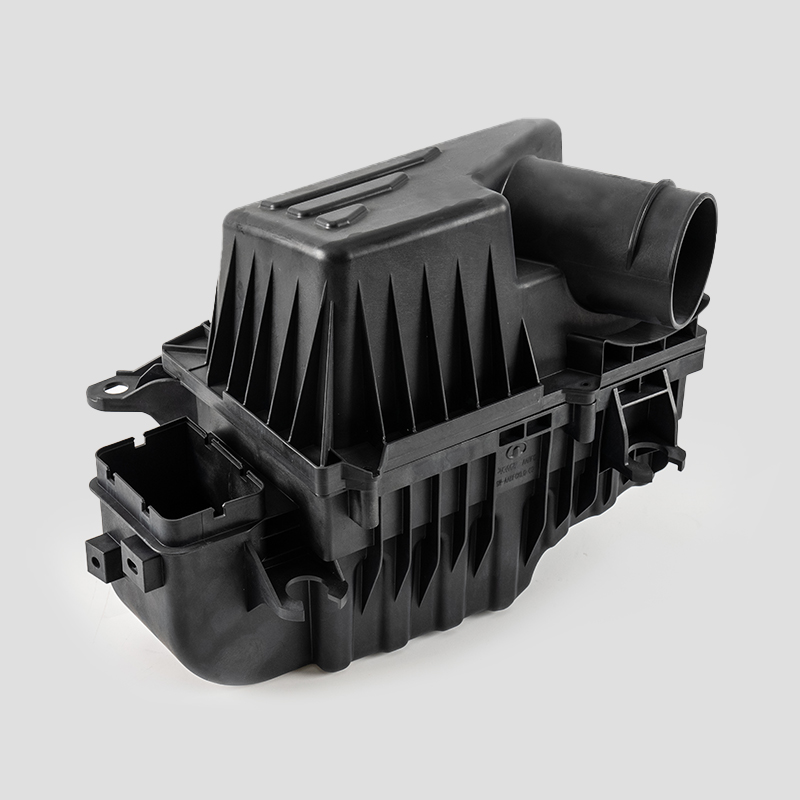
Great Wall B30 Automotive Engine Air Filtration System Housing Assembly
-
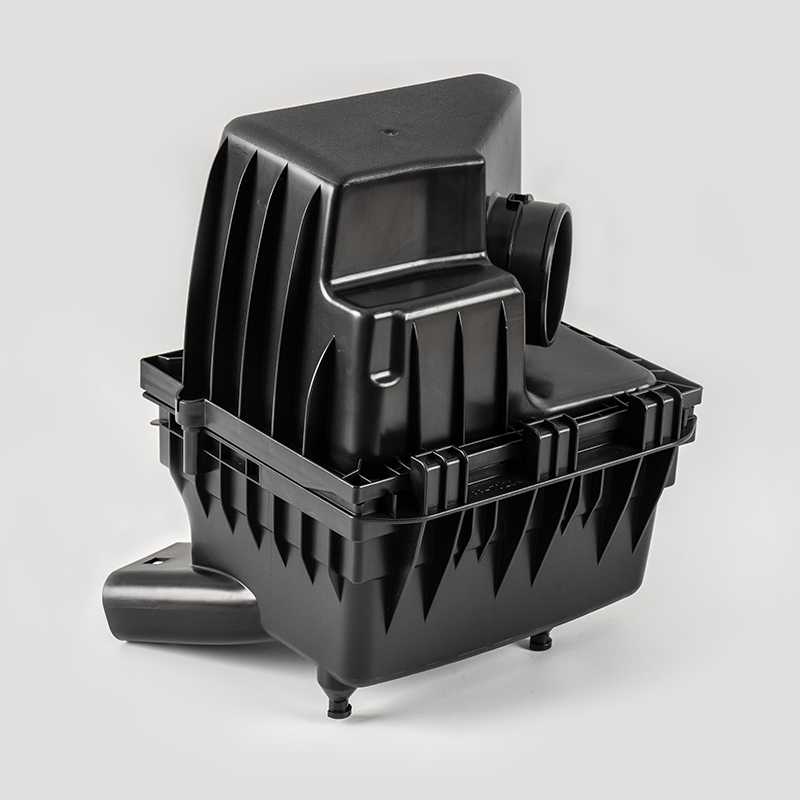
Great Wall Automotive Engine Air Filtration System Housing Assembly
-
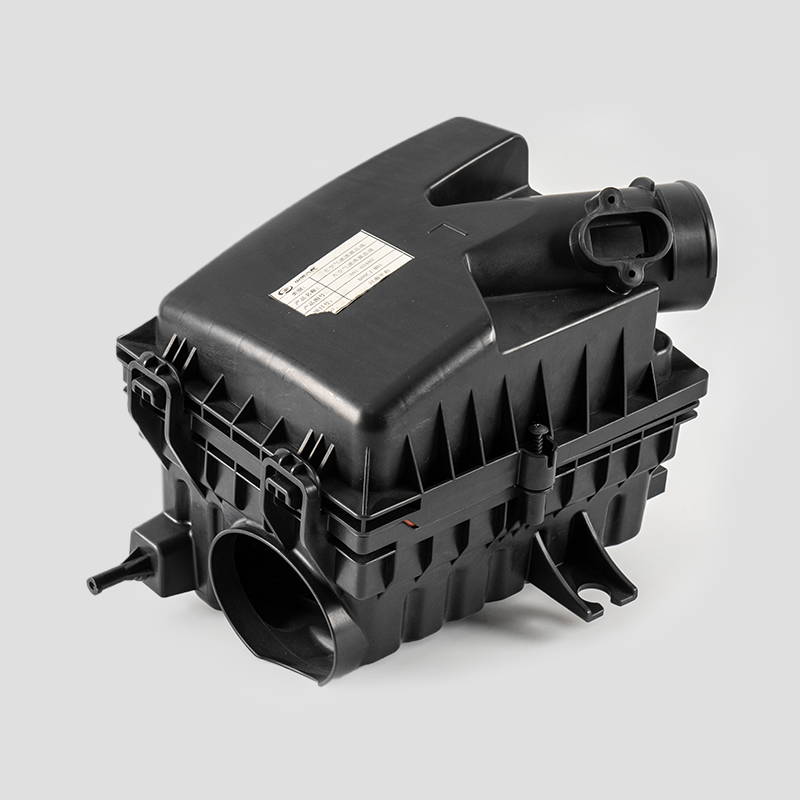
BAIC Automotive Engine Air Filtration System Housing Assembly
-
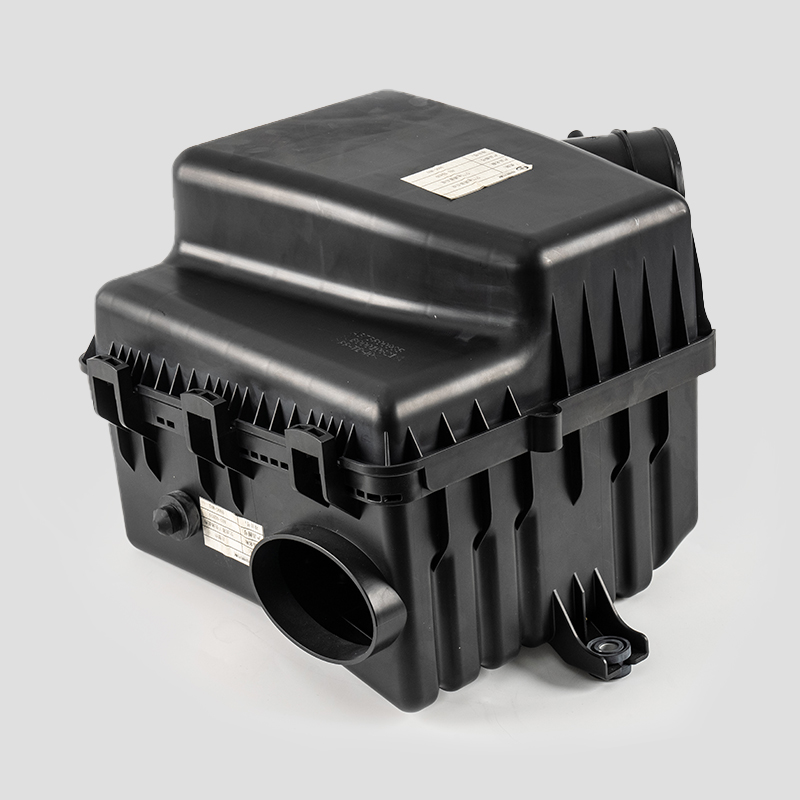
BAIC SUV Automotive Engine Air Filtration System Housing Assembly



Copyright © Ningbo Heyuan Auto Parts Co., Ltd. Rights Reserved. Custom Automobile Filter Parts Company OEM/ODM Automobile Filter Parts Manufacturer
