


 English
 Español
 عربى
عربى
Is a Leaky Intake Costing You Performance? The Ultimate Guide to the Air Filter Outlet Duct Assembly
Content
- 1 The Critical Function of the Air Filter Outlet Duct Assembly in Modern Engines
- 2 Advanced Material Composition and Structural Engineering
- 3 Common Symptoms of a Failing Air Filter Outlet Duct
- 4 Constructive Maintenance: Installation and Seal Integrity
- 5 Impact on Fuel Economy and Emissions
- 6 Frequently Asked Questions (FAQ)
The Critical Function of the Air Filter Outlet Duct Assembly in Modern Engines
The Air Filter Outlet Duct Assembly is a high-precision component that serves as the essential bridge between the air filtration housing and the engine’s throttle body or turbocharger inlet. While many vehicle owners focus solely on the air filter itself, the ducting that carries that clean air is equally vital. This assembly is responsible for delivering a laminar, high-velocity stream of filtered air to the combustion chamber. Any failure within this outlet duct assembly—such as a hairline crack or a loose clamp—can lead to "unmetered air" entering the engine, which bypasses the filtration system and the Mass Air Flow (MAF) sensor entirely.
For modern fuel-injected engines, the precision of the Air Filter Outlet Duct is paramount. It must maintain a perfect vacuum seal while simultaneously absorbing engine vibrations and allowing for the natural "torque twist" of the engine during acceleration. Without a robust and flexible intake duct assembly, the engine’s delicate air-fuel ratio is compromised, leading to poor idling, decreased fuel economy, and potential internal scarring from dust ingestion.
Advanced Material Composition and Structural Engineering
A professional-grade Air Filter Outlet Duct Assembly is typically constructed from a combination of high-density ethylene propylene diene monomer (EPDM) rubber and heat-stabilized plastics. These materials are chosen specifically for their ability to resist ozone degradation, oil vapor exposure, and extreme thermal fluctuations. Under-hood temperatures can easily reach 130°C in stop-and-go traffic, and the duct must remain pliable without collapsing under the vacuum pressure created by the engine's intake stroke.
The Importance of the "Accordion" Flex Section
Most Air Filter Outlet Duct Assemblies feature a pleated or "accordion-style" section. This is not an aesthetic choice; it is a critical engineering feature designed to dampen the vibration transferred from the vibrating engine to the fixed air filter box. Over time, these pleats are the most common failure point, as they flex thousands of times during a single drive. High-quality assemblies use multi-layer reinforcement in these flex zones to prevent the rubber from drying out and splitting.
| Feature | Standard Specification | Performance Benefit |
|---|---|---|
| Material Base | Reinforced EPDM / PA66 | High Heat & Chemical Resistance |
| Vacuum Tolerance | Up to 80 kPa | Prevents Duct Collapse at High RPM |
| Inner Wall Smoothness | < 0.5 Ra Surface Finish | Reduces Air Turbulence & Drag |
Common Symptoms of a Failing Air Filter Outlet Duct
Because the Air Filter Outlet Duct Assembly is located after the filter, any leak here is extremely dangerous for the engine. It allows raw, unfiltered air (and the grit it contains) to enter the intake manifold directly. Owners should be vigilant for the following constructive signs of wear:
- Hesitation or "stumbling" during rapid acceleration.
- A visible "Check Engine" light often indicating P0171 (System Too Lean).
- Cracks or dry-rot visible in the valleys of the flexible duct bellows.
- Rough idling that improves slightly when the duct is manually squeezed or moved.
A simple way to check for leaks is to perform a visual inspection while the engine is running. If you hear a high-pitched "sucking" or whistling sound, it is a definitive sign that the Outlet Duct Assembly has been compromised and requires immediate replacement to protect your engine’s internal components.
Constructive Maintenance: Installation and Seal Integrity
When installing a new Air Filter Outlet Duct Assembly, the secret to longevity lies in the sealing surfaces. Dust often accumulates at the connection points of the throttle body and the air box. If the new duct is clamped over this dust, it will not create a perfect seal, leading to microscopic leaks.
The Role of the Worm-Gear Clamps
The outlet duct must be secured with high-quality stainless steel clamps. Over-tightening these clamps can actually cut into the rubber, causing the very leaks you are trying to prevent. Technicians recommend tightening the clamps until the rubber just begins to bulge slightly through the clamp slots, ensuring a vacuum-tight fit that can withstand engine vibrations. Using a genuine duct assembly ensures that the diameter of the duct perfectly matches the throttle body, eliminating the need to over-tighten.
Impact on Fuel Economy and Emissions
In the era of strict emissions standards, the Air Filter Outlet Duct Assembly plays a silent role in keeping your vehicle legal. When air leaks into the duct, the oxygen sensors detect an lean condition (excess oxygen) and command the fuel injectors to spray more fuel to compensate. This not only wastes gasoline—reducing your MPG by up to 12%—but also causes the catalytic converter to run hotter than designed, potentially shortening its lifespan. Keeping this filtration ducting intact is one of the most cost-effective ways to maintain factory-level emissions and fuel performance.
Frequently Asked Questions (FAQ)
Can I repair a cracked air outlet duct with tape?
No. Using electrical tape or duct tape is a temporary "roadside" fix at best. The heat and vacuum pressure of the engine bay will cause the tape's adhesive to fail quickly, potentially allowing the tape itself to be sucked into the engine. Always replace the Air Filter Outlet Duct Assembly with a new part.
What causes the duct to crack in the first place?
The primary causes are heat cycling and engine movement. As the rubber ages, it loses its plasticizers and becomes brittle. Additionally, if engine mounts are worn, the engine moves more than normal, putting excessive physical stress on the duct assembly.
Is the Air Filter Outlet Duct the same as the Intake Snorkel?
No. The snorkel brings air from the outside to the air filter box. The Outlet Duct Assembly carries the air after it has been filtered to the engine. The outlet duct is much more critical because it handles "clean" air that goes directly into the engine's internal components.
Does a larger diameter outlet duct improve horsepower?
Not necessarily. Most modern engines are tuned for a specific air velocity. Changing the diameter of the outlet duct without recalibrating the ECU can actually hurt low-end torque. It is best to stick with the OE-specified dimensions for optimal daily driving.
Related Products
-
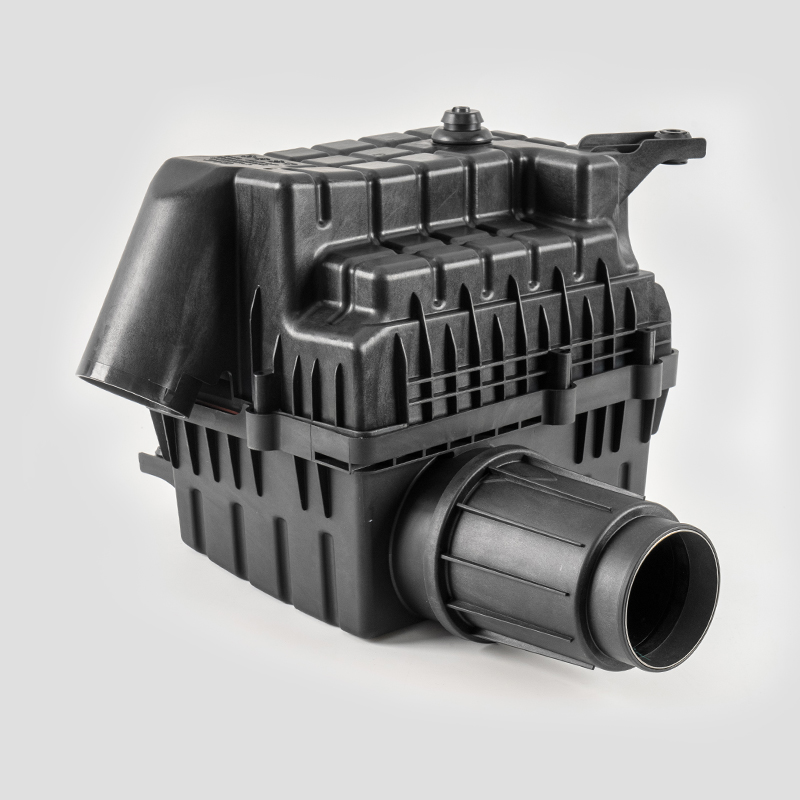
GAC A57 Automotive Engine Air Filtration System Housing Assembly
-
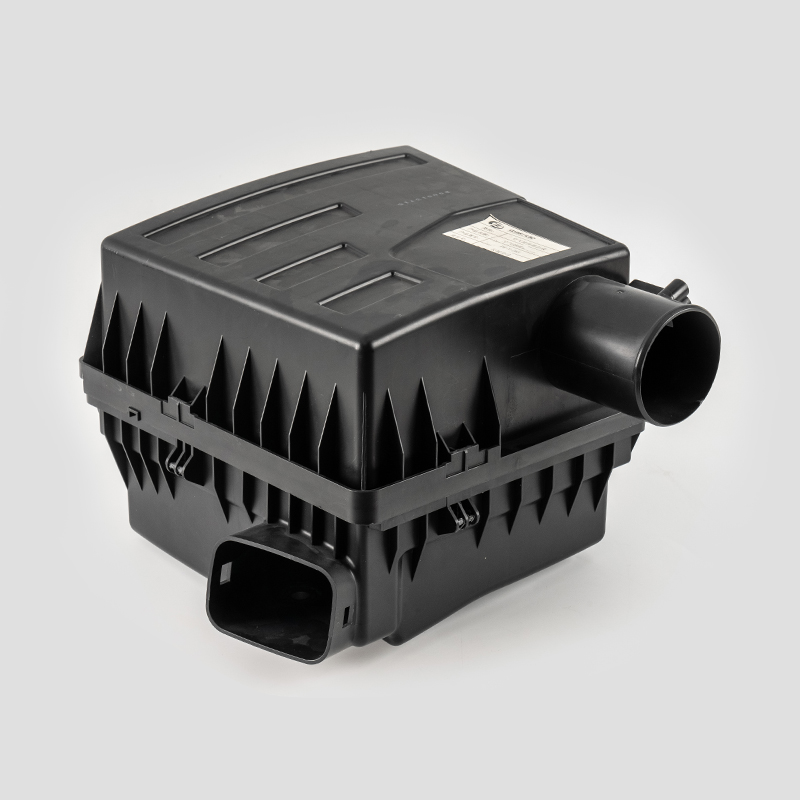
Great Wall A30 Automotive Engine Air Filtration System Housing Assembly
-
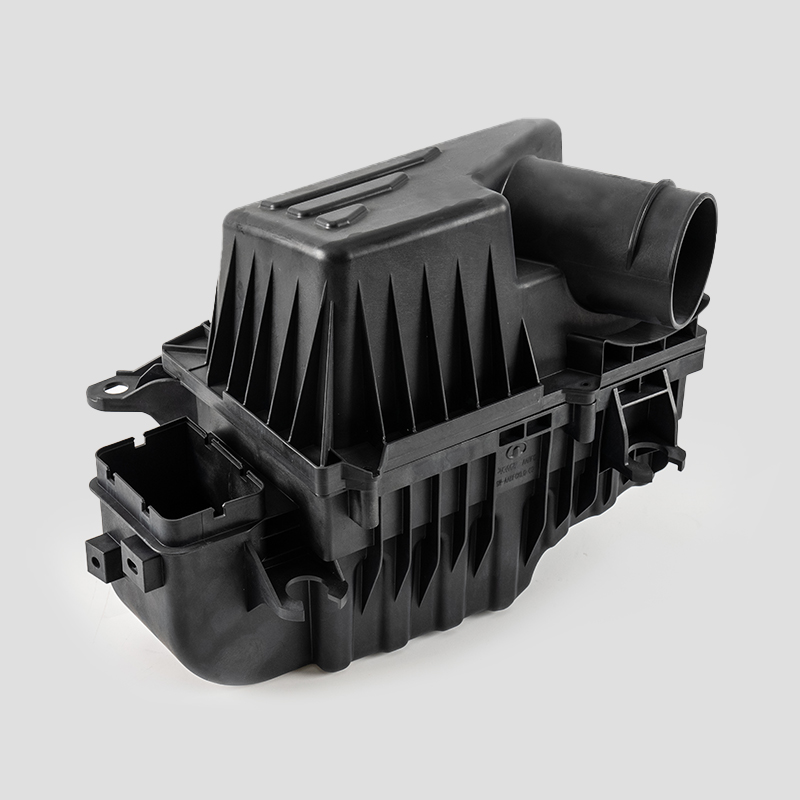
Great Wall B30 Automotive Engine Air Filtration System Housing Assembly
-
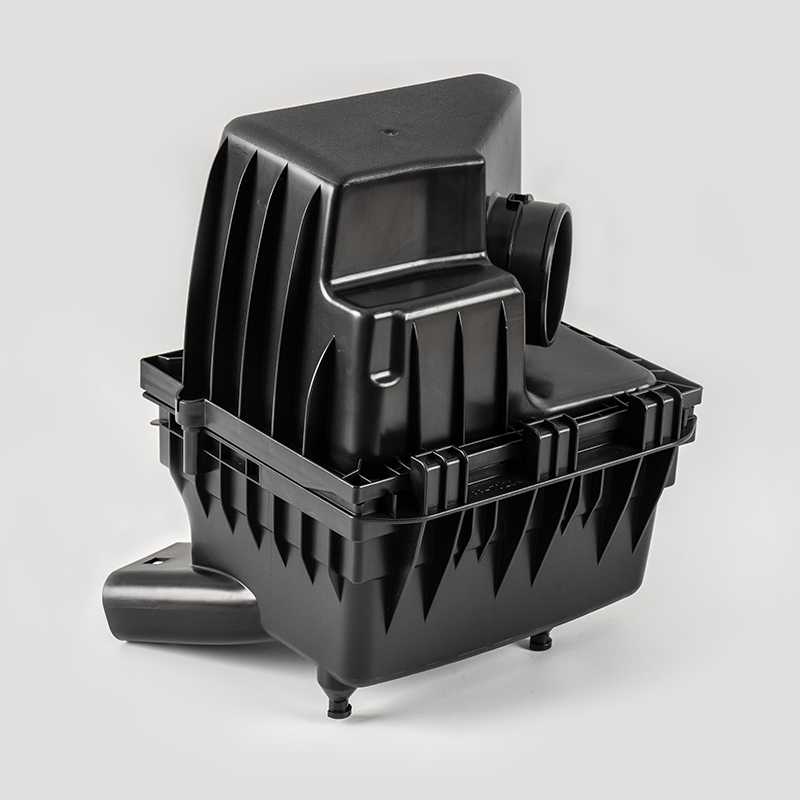
Great Wall Automotive Engine Air Filtration System Housing Assembly
-
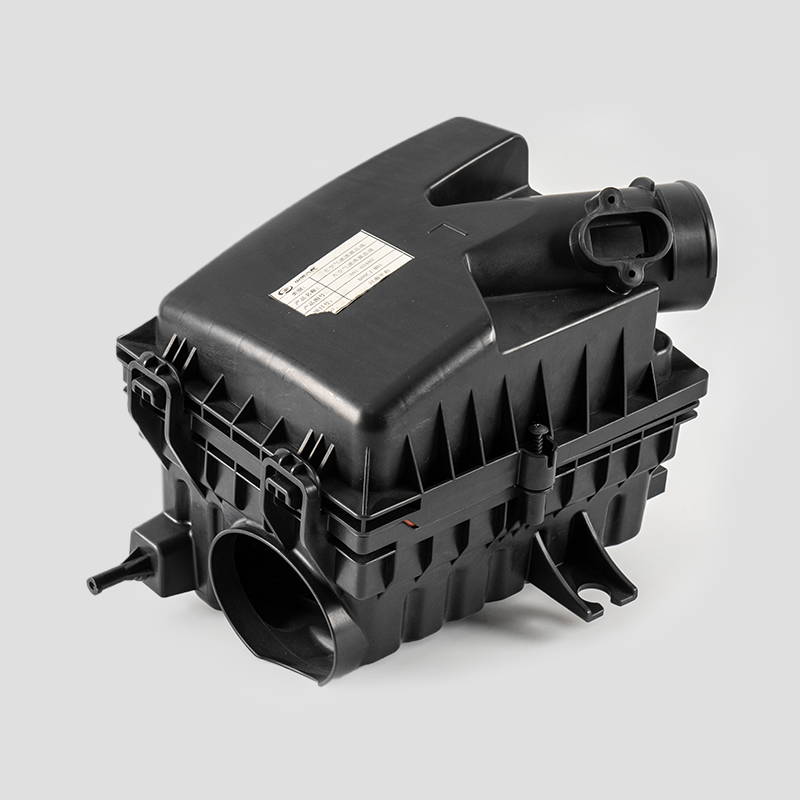
BAIC Automotive Engine Air Filtration System Housing Assembly
-
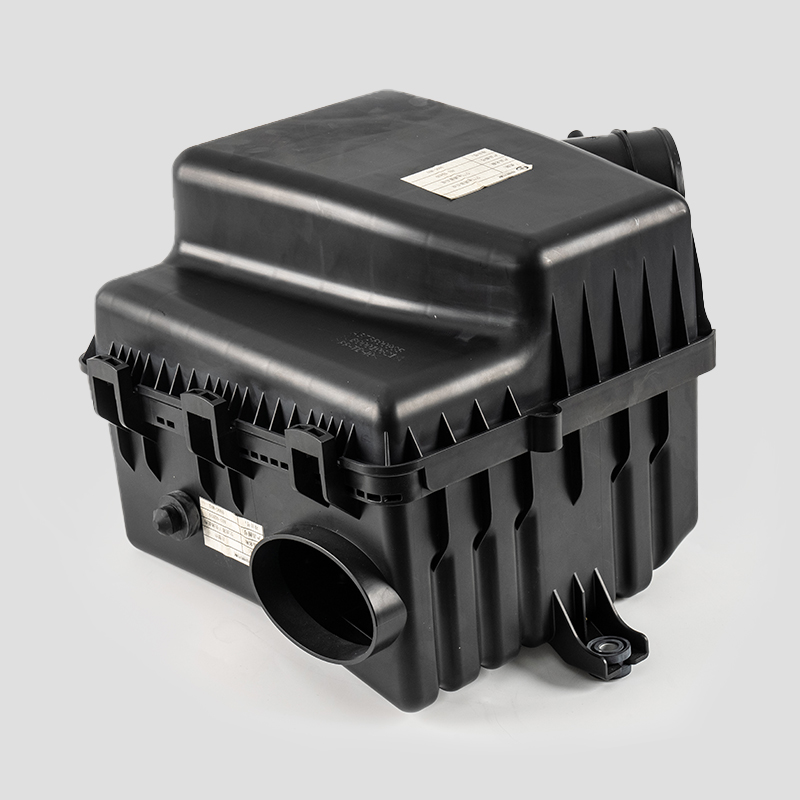
BAIC SUV Automotive Engine Air Filtration System Housing Assembly



Copyright © Ningbo Heyuan Auto Parts Co., Ltd. Rights Reserved. Custom Automobile Filter Parts Company OEM/ODM Automobile Filter Parts Manufacturer
