


 English
 Español
 عربى

why is my oil pressure low: Applications, Selection Criteria, and Practical Guidance
Content
- 1 Why Is My Oil Pressure Low? The Short Answer First
- 2 What the Gauge Is Actually Telling You
- 3 Where Low Pressure Usually Comes From
- 4 The Seven Causes, in the Order They Usually Turn Up
- 4.1 1. The oil level is genuinely low
- 4.2 2. The wrong viscosity, or oil that has been diluted
- 4.3 3. A restricted, collapsed or mismatched oil filter
- 4.4 4. A blocked pickup screen or heavy sludge
- 4.5 5. A faulty pressure sender, gauge or wiring
- 4.6 6. A weak oil pump or a relief valve stuck open
- 4.7 7. Worn bearings and internal leakage
- 5 Match the Symptom to the Cause Before You Open the Bonnet
- 6 How to Diagnose It Without Throwing Parts at It
- 7 Why the Oil Filter Plays a Bigger Role Than Most Drivers Expect
- 8 Can You Drive With the Light On?
- 9 What Wholesalers and Repair Chains Should Verify Before Ordering
- 10 Keeping Pressure Where It Belongs
- 11 Frequently Asked Questions
- 11.1 Why is my oil pressure low at idle but normal when driving?
- 11.2 Can low oil pressure fix itself?
- 11.3 Does thicker oil raise oil pressure?
- 11.4 How long can I drive with the oil pressure light on?
- 11.5 Can a bad oil filter cause low oil pressure?
- 11.6 Why did my oil pressure drop right after an oil change?
- 11.7 Is low oil pressure worse when the engine is hot?
- 11.8 What should a workshop keep in stock to diagnose this quickly?
If you have typed "why is my oil pressure low" into a search bar while the engine idles outside, you already know the pattern: the oil can symbol flickers at a stop light, disappears the moment you touch the throttle, then comes back ten minutes later with a faint tick from the top of the engine. It is one of the few warning lights that is genuinely time-sensitive, and one of the few that is routinely misdiagnosed.
Here is the conclusion before the explanation. In the great majority of vehicles that arrive with that complaint, the cause is one of seven things: a low oil level, the wrong oil grade, a restricted or collapsed oil filter, a blocked pickup screen, a faulty pressure sender, a weak pump or relief valve, or worn bearings that let oil escape too easily. Four of those can be checked in under ten minutes with a dipstick, a part number and a mechanical gauge. Only the last one is expensive, which is exactly why it should be checked last rather than first.
This guide is written for two readers at once. The first is the technician or owner chasing a specific vehicle and a specific reading. The second is the buyer at a repair chain, importing distributor or wholesale operation who decides which oil filters sit on the shelf, because filter quality and filter matching quietly remove a meaningful share of repeat low-pressure complaints before they ever reach a bay.
Why Is My Oil Pressure Low? The Short Answer First
Oil pressure is not a measurement of how much oil is in the engine. It is a measurement of how much resistance the pump meets while pushing oil through narrow passages — main bearings, rod bearings, cam journals, hydraulic lifters, variable valve timing phasers and piston cooling jets. The gauge or warning switch reads that resistance at one point in the circuit, usually downstream of the filter on the main gallery.
That single fact explains most of the confusion. Three separate things can drag the number down:
- Supply problems — not enough oil reaching the pump inlet, whether from a low sump level, a cracked pickup tube or a screen packed with sludge.
- Flow resistance problems — oil that is too thin for the operating temperature, or a filter and gallery network that will not pass the volume the pump is delivering.
- Leakage problems — internal clearances that have opened up, or a relief valve that is dumping pressure back to the sump when it should be closed.
Sorting the complaint into one of those three buckets takes about five minutes and saves hours. A car that shows low pressure only when hot at idle, and recovers fully by 2,000 rpm, is behaving like a leakage or viscosity problem. A car that shows low pressure at every speed, hot or cold, behaves like a supply or pump problem. A car whose gauge reads zero while the engine is mechanically quiet is usually a sender or wiring problem, not an oiling problem at all.
Practical triage, in the order most workshops actually use:
- Under five minutes: dipstick level, oil condition and smell, filter part number, sender behaviour with the key on and engine off.
- Under an hour: confirmation with a mechanical gauge at the gallery port, filter cut-open, visual check of the pickup screen through the drain plug or with a boroscope.
- With real tools: relief valve inspection, pump output test, bearing clearance measurement, oil analysis for bearing metals and fuel dilution.
What the Gauge Is Actually Telling You
A pressure reading without a reference point is meaningless, and that is where a lot of DIY diagnosis goes wrong. The same healthy engine can show 4.5 bar on a cold start in January and 1.1 bar at hot idle in July. Neither number is a fault. Oil viscosity changes by an order of magnitude across that temperature range, and pump output rises roughly in proportion to engine speed.
As a rough orientation for passenger car engines — always confirm against the workshop manual for the specific engine:
- Hot idle: commonly 1.0 to 1.5 bar (15 to 22 psi), with some engines specifying as low as 0.8 bar.
- 2,000 to 3,000 rpm, hot: commonly 3.5 to 4.5 bar (50 to 65 psi).
- Cold start: often pinned near the relief valve setting, typically around 4.5 to 5.5 bar, before the oil thins.
- Warning switch threshold: frequently 0.3 to 0.5 bar, which is why the light appears at idle long before there is a real risk of metal contact.
Two more details matter. First, the relief valve in the pump or filter housing caps maximum pressure, so a reading that never rises above 2 bar at speed is suspicious even if the idle figure looks acceptable. Second, the sender itself is a variable resistor with a ground path through the block; corroded threads, oil-soaked connectors and chafed wiring produce readings that wander, spike or drop to zero with no mechanical cause at all. A mechanical gauge screwed into the same port settles that question in one minute.
Where Low Pressure Usually Comes From
Before working through the causes one at a time, it helps to know where diagnostic time is usually spent. The bars below are an indicative split based on common workshop triage patterns, not a published survey — treat them as a way to order your checks rather than as a statistical claim.
Two things stand out. The first is that roughly one case in six involves the filter itself, which is the only part in the pressure circuit that is replaced on a schedule and the only one a distributor can influence directly. The second is that the genuinely expensive failure — pump wear — sits at the bottom of the list, yet it is the first part many owners replace.
For a workshop, that distribution has a straightforward operational consequence: keeping a small stock of correctly matched, properly specified oil filters removes the most avoidable category from the repeat-repair column. For a supplier shipping into a market with wide temperature swings and mixed fuel quality, it means filter specification has to be treated as an engineering decision rather than a catalogue convenience, because a filter with the wrong bypass setting behaves like a fault the moment the oil is cold.
The Seven Causes, in the Order They Usually Turn Up
1. The oil level is genuinely low
Check the dipstick on level ground, at least five minutes after shutdown, wiped and reinserted fully. A surprising number of "low pressure" cars are simply two litres short. Modern engines can consume oil legitimately — many manufacturers accept up to around one litre per 1,000 to 1,500 kilometres as within tolerance — and a car that has never been checked between services can arrive at the workshop well below the minimum mark.
The diagnostic tell is behaviour under cornering or braking. When the level drops far enough, the pickup can draw air during hard stops, long right-handers or steep inclines, and the light flickers for a second and then goes out. That flicker is not a sensor glitch. It is a momentary loss of oil supply to the bearings, and it does cumulative damage every time it happens.
Find the leak before topping up repeatedly: filter housing seals, drain plug washers, valve cover gaskets, front and rear crank seals, turbo feed lines and, on some engines, the oil cooler gasket. A filter that was installed with a doubled gasket or an over-torqued housing is a classic cause of a sudden loss right after a service.
2. The wrong viscosity, or oil that has been diluted
Viscosity is the single biggest lever on pressure at a given temperature. A 0W-20 in an engine specified for 5W-40 will read lower when hot, and the effect is large enough to trigger a warning light on some platforms. The reverse mistake is just as common: owners add a thicker grade believing it "protects better", which raises the reading and masks a real problem while slowing cold-start flow to the top end and upsetting variable valve timing behaviour that depends on a specific oil behaviour.
Dilution is the quieter version of the same problem. Short-trip driving, repeated cold starts, rich running and diesel particulate filter regeneration all push fuel into the sump. Fuel-thinned oil smells of petrol or diesel on the dipstick, feels thin between the fingers and loses film strength at exactly the moment the engine is hottest. Coolant ingress does something similar and usually leaves a milky residue under the filler cap.
If the oil is the right grade but has been in service far beyond its interval, sheared viscosity modifiers and accumulated soot produce the same low hot reading. In that case the fix is an oil and filter change plus a look at why the interval was stretched.
3. A restricted, collapsed or mismatched oil filter
The filter is the only scheduled replacement part in the pressure circuit, and it does three separate jobs that all affect the gauge. It holds the contamination that would otherwise score bearings. Its bypass valve decides when oil is allowed to skip the media during a cold start or when the media is loaded. Its anti-drainback valve keeps the galleries primed between shutdowns on engines where the filter is mounted horizontally or upside down.
When a filter is badly overdue, the media loads with sludge and restriction climbs. On many engines the sender sits downstream, so the reading can fall as flow through the element drops. Once differential pressure exceeds the bypass setting, the valve opens and unfiltered oil circulates — pressure may recover, but the bearings are now being fed debris. A filter that has collapsed internally is worse: pleats bunch together, flow is choked, and the reading falls sharply within a few hundred kilometres of fitting.
A mismatched filter creates a subtler failure. If the bypass valve opens at the wrong differential pressure, or the element has less media area than the housing was designed for, behaviour diverges from the original specification exactly when conditions are hardest — a cold morning, a long climb, a hot idle in traffic. That is the point at which a driver notices the light, and the filter is the last thing anyone suspects.
4. A blocked pickup screen or heavy sludge
The pickup sits at the bottom of the sump with a coarse mesh screen over its mouth. Sludge from neglected oil changes, silicone fragments from sealant used on a previous repair, and plastic debris from worn timing chain guides all collect there. The restriction is progressive, so the first symptom is usually a reading that falls a little further every month and is worst when the oil is hot and thinnest.
This one is easy to miss because the level can be perfect and the filter new. A boroscope through the drain plug often shows it; otherwise the sump comes off. Any engine that has had a timing chain guide failure, a head gasket job with excessive sealant, or a long history of extended drain intervals deserves a look before a pump is condemned.
5. A faulty pressure sender, gauge or wiring
This cause is cheap, common and dangerous in equal measure — dangerous because assuming it is the sender when it is not leads to a destroyed engine. The test is simple: tee a known-good mechanical gauge into the same port and compare. If the mechanical gauge shows healthy pressure while the dash reads low, the sender, connector, earth strap or instrument cluster is at fault.
Typical failure modes include a sender whose internal resistance has drifted with age, oil pushed past its seal into the connector, corroded threads that no longer provide a clean ground, and chafed wiring near the exhaust manifold. Cluster stepper motors on older vehicles also fail, producing a needle that reads low or sticks at zero while everything mechanical is fine.
6. A weak oil pump or a relief valve stuck open
Pumps wear gradually. Gear and rotor types lose efficiency as the housing and end plate scuff, and the clearance between the rotor tips and the housing opens up. The result is a pump that still moves oil at speed but cannot hold pressure at hot idle. A pressure relief valve held off its seat by a fragment of debris does the same thing more abruptly — pressure collapses at all speeds and the light stays on.
A stuck relief valve is a specific diagnosis: pressure is low everywhere, including on a cold start, and does not improve much with revs. A worn pump is more gradual and shows up first as a hot-idle problem. Relief valves stuck closed produce the opposite symptom — dangerously high pressure and a swollen filter canister — and should be treated as urgent.
7. Worn bearings and internal leakage
Main and rod bearings, cam bearings, phaser housings and piston cooling jets all present a controlled leak by design. As clearances open with mileage, more oil escapes sideways instead of building pressure in the gallery. The signature is unmistakable to an experienced ear: pressure reasonable from cold, dropping sharply to a very low hot idle, recovering partly with revs but never reaching specification again, often with a low rumble or a light knock at the bottom end.
Confirm before condemning an engine. Oil analysis showing elevated lead, copper or tin supports bearing wear; a mechanical gauge reading taken at the same temperature as the dash reading confirms the number is real; and a look at the filter pleats for bearing material settles it. Bearing wear is not repairable by changing oil, and continuing to drive accelerates it quickly.
Match the Symptom to the Cause Before You Open the Bonnet
The number on the gauge matters less than the pattern it makes over time. A reading of 1.0 bar at hot idle is normal on one engine and alarming on another; the same reading that appears only at idle after a service tells a completely different story from one that appeared gradually over three months. Use the pattern to choose the first check rather than working through a list blindly.
| What you observe | Most likely cause | First check |
|---|---|---|
| Light flickers at hot idle, goes out with revs, engine quiet | Thin or diluted oil, or early bearing wear | Verify grade and smell; fit a mechanical gauge; send a sample for analysis |
| Light appears immediately after an oil and filter change | Wrong filter part number, doubled gasket, wrong viscosity | Compare filter to the OE cross-reference; check housing and seal seating |
| Pressure falls gradually over weeks, worst when hot | Pickup screen restriction or sludge build-up | Boroscope the sump through the drain plug; check service history |
| Gauge reads zero or wanders, engine mechanically quiet | Sender, connector, earth or cluster fault | Mechanical gauge at the same port; inspect wiring and ground |
| Low at every speed, including cold start, with noise | Relief valve stuck open or pump failure | Stop driving; pressure test at the pump; inspect the relief valve |
| Normal cold, very low hot, oil smells of fuel | Fuel dilution from short trips or rich running | Change oil and filter; investigate injector balance and thermostat |
The rows are deliberately overlapping, because real vehicles rarely produce a single clean symptom. A car with a worn pump and a neglected filter will show a mixed pattern, and a car with a failing sender on top of slightly diluted oil will look worse on the dash than it is in the gallery. The mechanical gauge is what converts a story into data.
How to Diagnose It Without Throwing Parts at It
Work through the sequence below in order. Each step either confirms or eliminates a cause, and none of them requires removing the engine or the sump until the earlier steps have been cleared.
- Confirm the reading with a mechanical gauge. Remove the sender, fit an adapter and a known-good gauge, and record pressure at hot idle and at 2,000 rpm. Compare against the manual. This one step decides whether you are diagnosing an engine or an electrical circuit.
- Check the level properly. Level ground, engine off for five minutes, dipstick wiped and fully seated. Note the colour, the smell and whether the oil feels gritty or thin.
- Verify grade and service age. Match what is in the sump to the specification plate or manual, and check the invoice date. Oil that is two intervals overdue is a cause in itself.
- Check the filter installation. Confirm the part number against the OE reference, check that the old gasket came off with the old filter, check torque, and confirm the housing is not cracked or cross-threaded.
- Cut the old filter open. Look for collapsed pleats, media tears, sludge loading and metallic debris. Bronze or silver specks change the diagnosis immediately.
- Inspect the pickup screen. Through the drain plug with a boroscope where possible, otherwise by removing the sump. This is the step most often skipped and most often rewarded.
- Test the relief valve and pump output. Check the valve seat for debris and spring condition, and measure pump delivery against specification at a known speed.
- Measure clearances or send an oil sample. Bearing clearance measurement or spectrometric oil analysis closes the case when everything upstream has been cleared.
Two habits make this sequence faster. The first is recording the ambient and oil temperature alongside every reading, because a cold-engine figure that looks healthy can hide a serious hot-idle problem. The second is keeping the old filter. A cut-open filter is the cheapest diagnostic evidence available, and it is usually thrown away before anyone looks at it.
Why the Oil Filter Plays a Bigger Role Than Most Drivers Expect
Because the filter is changed on a schedule, it is also the component most exposed to specification drift. Two filters can look identical from the outside and behave very differently at minus ten degrees: different media area, different pleat geometry, different bypass cracking pressure, different anti-drainback material. Under normal hot running, none of that shows. On a cold start, at high flow, or after eight thousand kilometres of loading, it shows on the gauge.
Construction detail matters more than price tier. A pleat pack with adequate media area keeps differential pressure low for the whole service interval, so the bypass valve only opens when it should. A properly calibrated bypass protects the engine when the oil is thick and cold, then closes and forces full flow through the media once the oil warms. An anti-drainback valve that actually seals keeps the galleries primed, which is why some engines rattle for a second on start-up with a cheap filter and stay quiet with a correct one.
For spin-on applications, the canister itself is part of the pressure circuit. Wall thickness, seam quality and the internal support tube determine whether the element survives a cold-start pressure spike without collapsing. A canister that bulges or a seam that weeps is a pressure-related failure, not a cosmetic one.
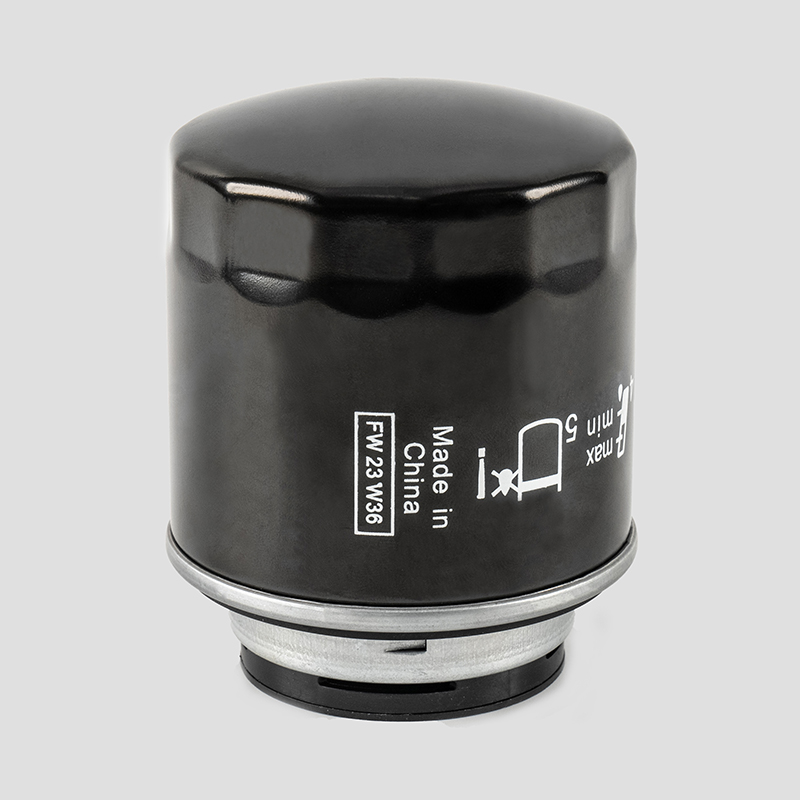 03C115561E Spin-On Oil Filter for Volkswagen 1.4T EnginesFits Volkswagen Jetta, Passat and Touran 1.4T applications; this spin-on filter matches OE 03C115561E for pressure-circuit use.View Product →
Cartridge and eco-style elements put the same demands on a different package. There is no canister to absorb load, so the end caps, the media-to-cap bond and the dimensional accuracy of the element all have to hold. An element that is a fraction of a millimetre short can let oil bypass the media entirely; one that is too tall will not seat and will leak pressure past the housing seal. This is where OE-number matching stops being a catalogue nicety and becomes a functional requirement.
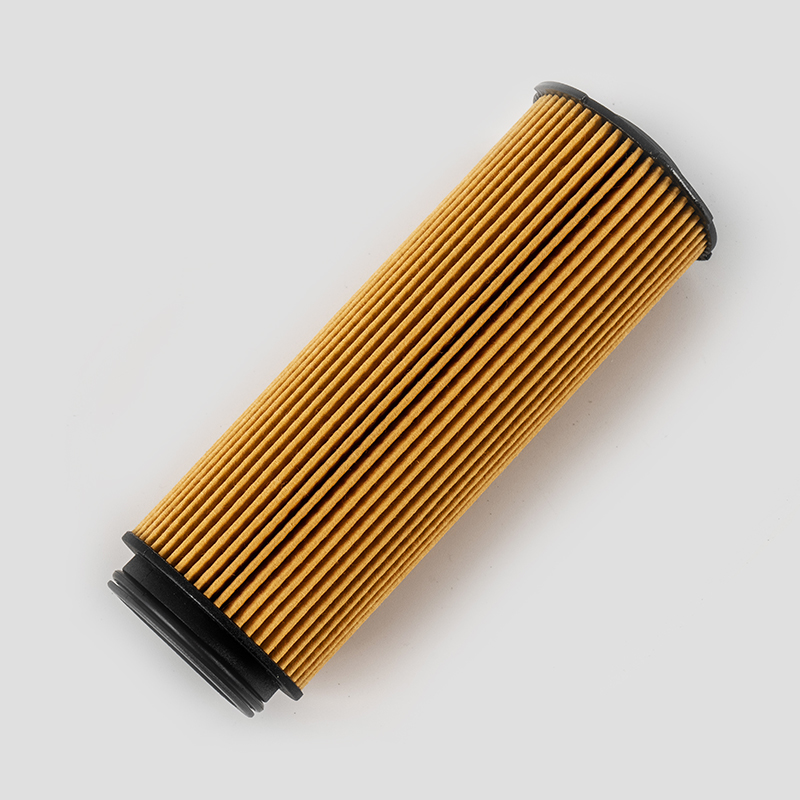 BMW ECO Oil Filter 11428583898 for 540Li, 640i, 740Li, M140i and X7ECO element for listed BMW models; OE-number matching and dimensional accuracy matter where end-cap bond and seating affect oil flow.View Product →
Production discipline is what keeps those dimensions consistent across a million units rather than across a sample. A filter manufacturer working to ISO/TS16949:2009 and ISO9001:2000, with in-house tooling, injection moulding, blow moulding and rubber processing under one roof, controls more of the variables that affect pressure behaviour than an assembler buying finished elements on the open market. Vertical integration of housing, seal and media is not a marketing point; it is the reason batch-to-batch behaviour stays predictable.
Can You Drive With the Light On?
The answer depends entirely on which of the two patterns you have. If the light appears only at hot idle, disappears the moment engine speed rises above about 1,200 rpm, and the engine is mechanically quiet, you can usually drive a short distance to a workshop at low speed and low load, keeping revs steady and avoiding hard acceleration. Check the oil level first and top up if it is low. That is a calculated risk, not a safe default.
If the light stays on above idle, if it is accompanied by ticking, knocking or a rattle from the bottom end, if the dashboard displays a stop-engine message, or if the gauge sits at zero while the engine is running, pull over and shut down. In that situation the bearings may be receiving little or no oil, and the difference between a tow truck and a new crankshaft is measured in minutes, not miles.
There is a middle case worth naming: a car that shows low pressure at hot idle and recovers to only 2 bar at speed when the specification calls for 4. That engine is not safe to drive any distance. It may survive a trip around the block, but the margin that protects it during a hill start or a traffic jam has already gone.
What Wholesalers and Repair Chains Should Verify Before Ordering
For a distributor or a multi-site repair chain, low-pressure comebacks are a warranty cost and a reputation cost at the same time. Most of that risk sits in three places: cross-reference accuracy, bypass valve calibration, and consistency between batches. A filter that fits but bypasses early will produce a customer complaint that looks like an engine fault, and the workshop will spend an hour proving it is not.
Application coverage is the first practical filter. A catalogue built around OE numbers rather than around vehicle names reduces mismatches at the counter, particularly for platforms that changed filter specification mid-production without changing the engine code. Where a single model year spans two different elements, the OE reference is the only reliable discriminator.
| What to verify | Why it matters | How to check it |
|---|---|---|
| OE cross-reference accuracy | Prevents fitment errors on mid-cycle platform changes | Sample three SKUs against OEM catalogues and a physical vehicle |
| Bypass valve opening pressure | Controls cold-start behaviour and whether unfiltered oil circulates | Request bench test data per batch, not a single type-test certificate |
| Media area and pleat count | Determines how long restriction stays low across the service interval | Cut open a production sample and compare against the drawing |
| Anti-drainback and seal material | Affects start-up priming and leak risk on horizontal housings | Cold-soak a sample and inspect the valve after cycling |
| Collapse and burst resistance | Protects the element during a cold pressure spike | Review test reports and run an independent sample |
| Batch traceability | Makes a field complaint investigable instead of guesswork | Confirm lot marking on the canister or element cap |
Volume manufacturers with their own moulding and rubber lines tend to hold tighter tolerances on the parts that touch the housing, because the tooling and the process sit in the same facility. A supplier producing more than fifty million filter assemblies a year, with three decades of design experience and computer-aided development behind the catalogue, is likely to have the process control needed for a consistent bypass characteristic. That is worth more to a wholesaler than a marginally lower unit price, because the cost of a single misdiagnosed comeback exceeds the margin on a whole carton.
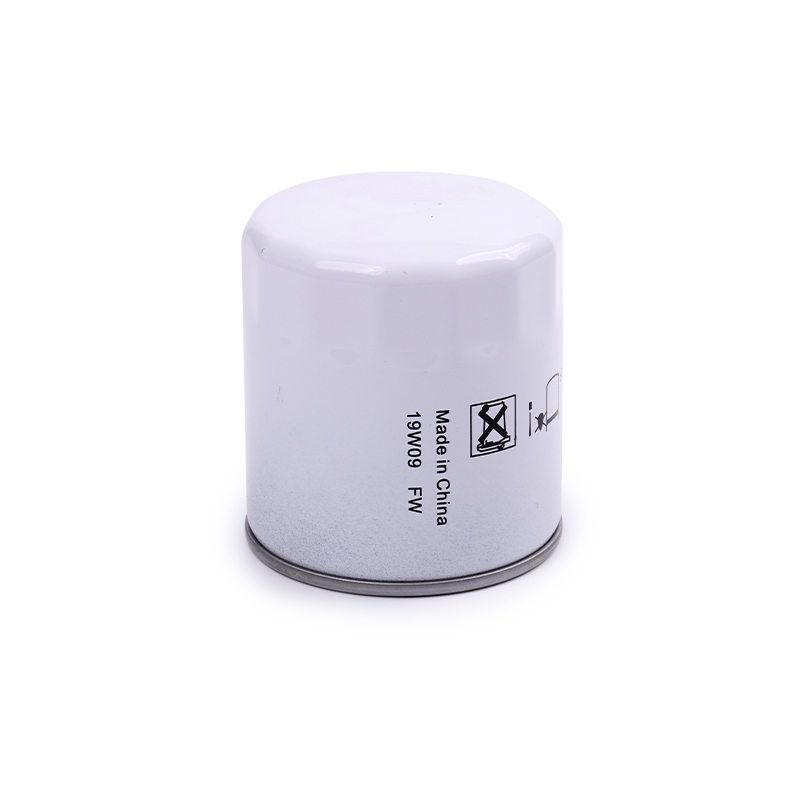 Ford Explorer 2.3T ECO Oil Filter 9W7E-6714-AAFits 2016–2021 Ford Explorer 2.3T applications; OE 9W7E-6714-AA element with listed size φ76*88 for reference checks.View Product →
Sampling discipline closes the loop. Ask for production samples rather than golden samples, cut one open, and compare the media area, end cap bond and bypass spring against the drawing. Then keep the sample on file. When a workshop reports a low-pressure complaint six months later, having the reference piece turns an argument into a measurement.
Keeping Pressure Where It Belongs
Most low-pressure events are maintenance events in disguise. The engine did not fail suddenly; it was allowed to drift. A few habits keep the gauge where it should be, and none of them are exotic.
- Check the level monthly, not annually. A two-minute dipstick check catches consumption and small leaks long before the pickup starts drawing air on a roundabout.
- Use the specified grade. Thicker oil raises the number and hides the fault; it does not fix the clearance that caused it.
- Change the filter with the oil, every time. A new charge of oil through a loaded element simply loads the new oil faster.
- Fix leaks at the first sign. A weeping filter housing seal becomes a two-litre loss and a flickering light within a few thousand kilometres.
- Watch for dilution if you drive short trips. Frequent cold starts, rich warm-up and regeneration cycles all push fuel into the sump; a used-oil sample every second service catches it early.
- Treat any new noise as urgent. A tick that appears alongside a low reading is the engine telling you the film thickness has already gone.
For high-mileage engines, a periodic oil analysis is the cheapest early-warning system available. Bearing metals, fuel dilution, coolant contamination and viscosity at 100 degrees together describe the internal condition of the engine far better than a single pressure reading, and they cost less than one diagnostic hour.
Frequently Asked Questions
Why is my oil pressure low at idle but normal when driving?
At idle the pump turns slowly and delivers its lowest volume, so any weakness in the system shows up there first. Thin or diluted oil, a partly restricted pickup screen, a sender that drifts at low signal, or early bearing wear all produce a low idle reading that recovers as soon as engine speed rises. The recovery does not mean the fault is harmless; it means the system still has enough margin at higher speed to mask it. Confirm with a mechanical gauge at hot idle before deciding how urgent it is.
Can low oil pressure fix itself?
Only in the sense that a low level topped up, or an over-restrictive filter replaced, will restore a normal reading. Mechanical wear does not reverse. A reading that returns to normal after an oil and filter change with the correct grade suggests the cause was viscosity or filter restriction and that no permanent damage was done, but a reading that stays low after those steps points to something that will not improve on its own.
Does thicker oil raise oil pressure?
Yes, and that is exactly why it is a poor diagnostic shortcut. A heavier grade slows flow through the same clearances, so the gauge reads higher and the underlying wear or leakage is hidden. Cold-start flow to the top end gets worse, variable valve timing components that depend on a specific oil behaviour can misbehave, and fuel economy drops. Use the grade the manufacturer specifies and fix the actual cause.
How long can I drive with the oil pressure light on?
If the light appears only at hot idle with a quiet engine, a short low-load trip to a workshop is a reasonable calculated risk after checking the level. If it stays on above idle, comes with knocking or ticking, or the dash shows a stop-engine message, the safe distance is zero. Bearings can be damaged within a few minutes of oil starvation, and the repair cost climbs steeply from that point.
Can a bad oil filter cause low oil pressure?
It can, in three ways: a heavily loaded element that restricts flow, a collapsed element that chokes the circuit, or a filter whose bypass valve opens at the wrong differential pressure. A filter fitted with a doubled gasket, cross-threaded, or simply the wrong part number for the engine can also cause a sudden loss. Any low-pressure complaint that begins within a few hundred kilometres of a service should start with the filter.
Why did my oil pressure drop right after an oil change?
The usual suspects are the wrong viscosity, the wrong filter, a doubled or missing gasket, a housing that was not seated properly, or a sender connector disturbed during the job. Occasionally a flush or additive dislodges sludge that then blocks the pickup screen, which is why a sudden drop after a service on a high-mileage engine deserves a boroscope check rather than a top-up.
Is low oil pressure worse when the engine is hot?
Almost always, yes. Hot oil is thinner, so it escapes through clearances faster and the pump has to work harder to hold pressure. That is why a worn engine reads acceptably on a cold start in winter and badly after twenty minutes of summer traffic. Any diagnosis conducted on a cold engine is incomplete; take the reading at normal operating temperature.
What should a workshop keep in stock to diagnose this quickly?
A mechanical gauge with the common adapter threads, a sender socket set, a boroscope small enough for a drain plug orifice, a filter cutter, and a small range of correctly cross-referenced filters covering the platforms the workshop sees most often. That kit resolves the majority of complaints without a parts cannon, and it turns a vague customer description into a recorded measurement.
Low oil pressure is rarely a mystery. It is a measurement with a small number of possible sources, and the order in which you check them determines whether the repair costs a filter or an engine. Start with the level and the grade, confirm the number with a mechanical gauge, cut the old filter open, and only then move toward the pump and the bearings.
For the people specifying and stocking the parts, the same logic applies in reverse. A filter matched by OE reference, built with a calibrated bypass valve and consistent media area, keeps the pressure circuit behaving the way the engine was designed for — and removes the most preventable cause from the complaint list before it ever reaches a workshop bay.
Related Products
-
GAC A57 Automotive Engine Air Filtration System Housing Assembly
-
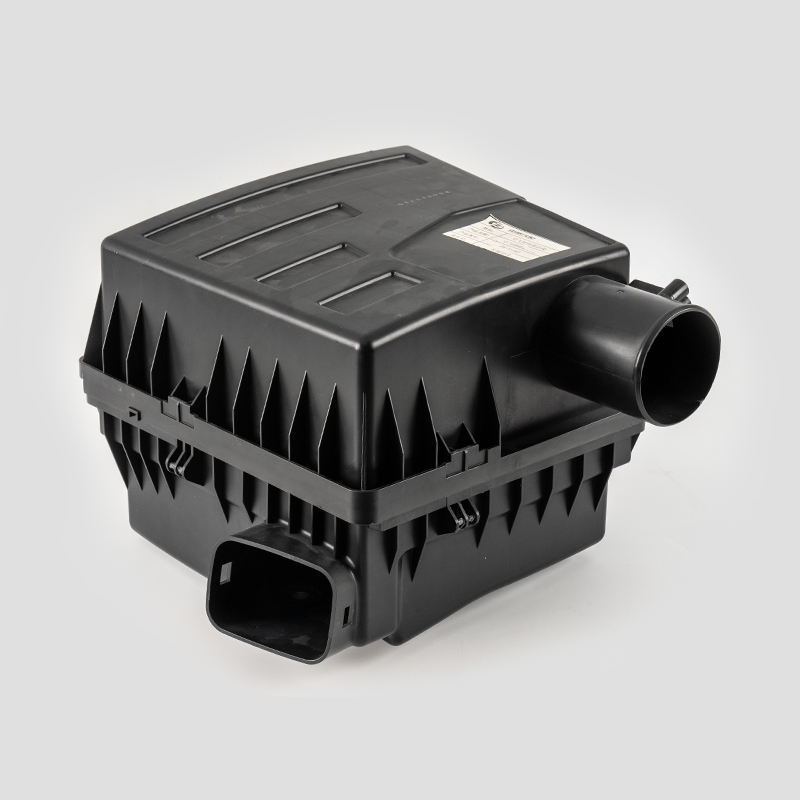
Great Wall A30 Automotive Engine Air Filtration System Housing Assembly
-
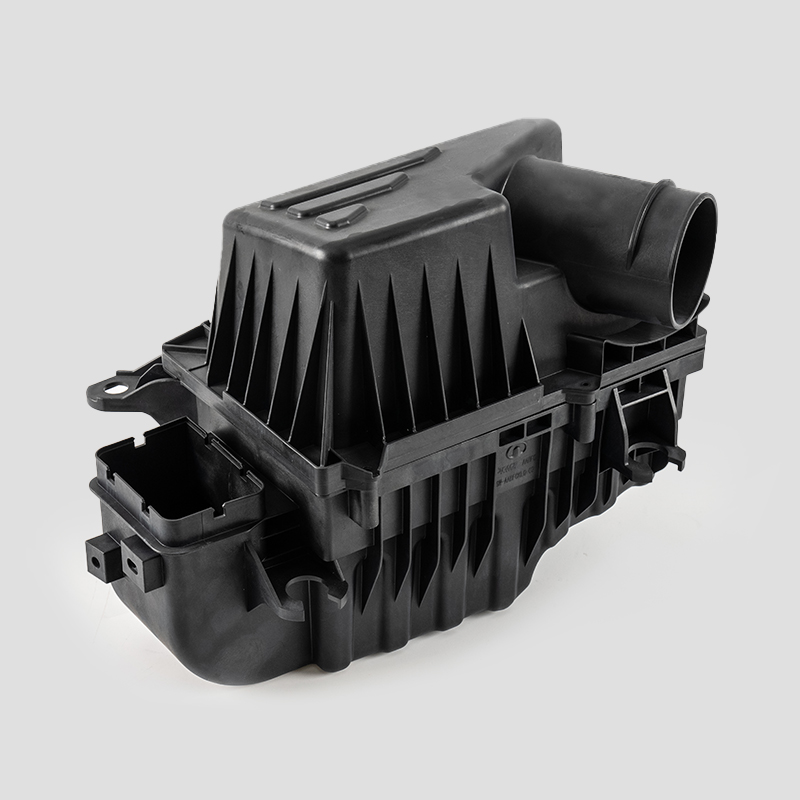
Great Wall B30 Automotive Engine Air Filtration System Housing Assembly
-
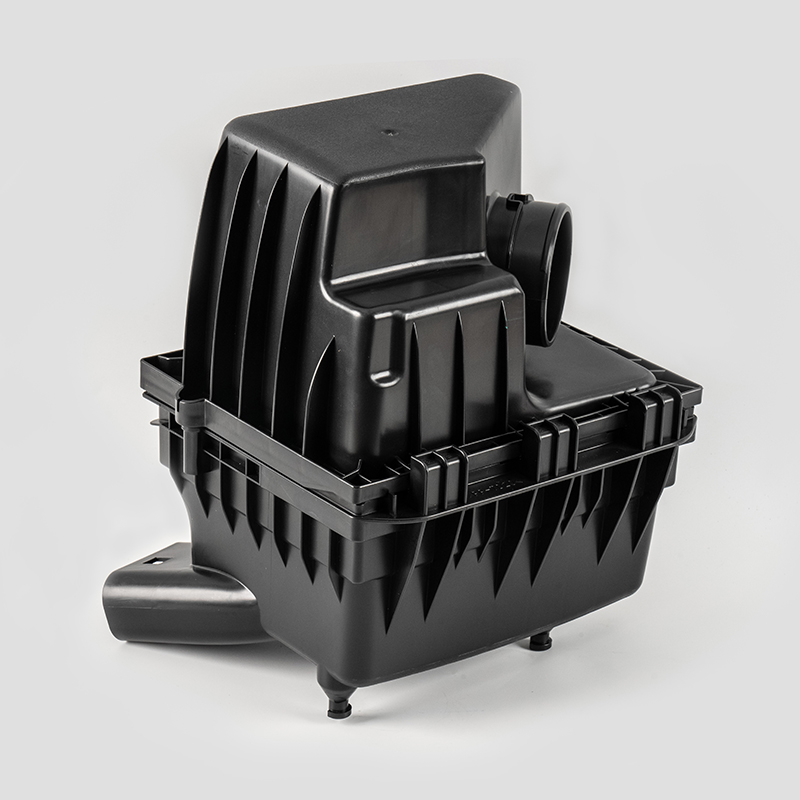
Great Wall Automotive Engine Air Filtration System Housing Assembly
-
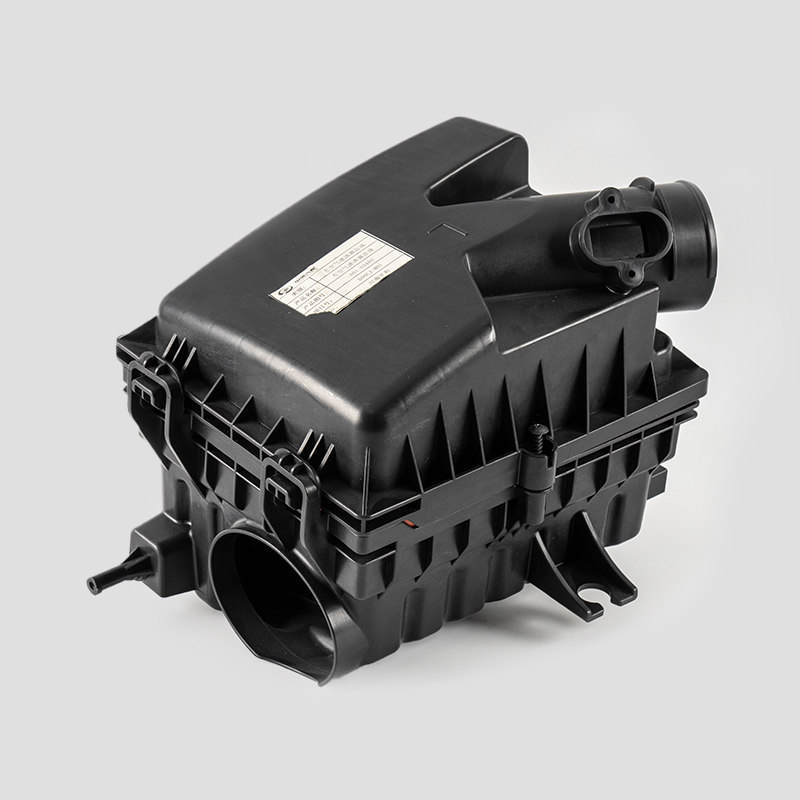
BAIC Automotive Engine Air Filtration System Housing Assembly
-
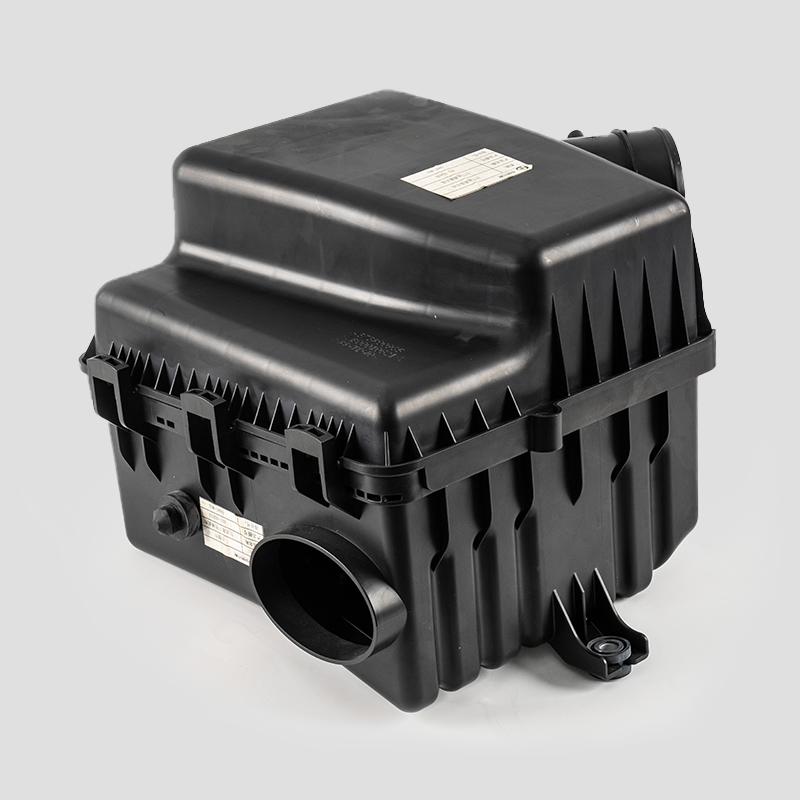
BAIC SUV Automotive Engine Air Filtration System Housing Assembly



Copyright © Ningbo Heyuan Auto Parts Co., Ltd. Rights Reserved. Custom Automobile Filter Parts Company OEM/ODM Automobile Filter Parts Manufacturer
