


 English
 Español
 عربى

What Does No Oil Pressure Mean? Zero Readings, Causes, and First Checks
Content
- 1 What Does No Oil Pressure Mean in Plain Terms
- 2 Zero on the Gauge and Low on the Gauge Are Different Faults
- 3 The Six Root Causes Behind a Zero Reading
- 4 Why the Oil Filter Belongs on the Diagnosis List
- 5 What Healthy Oil Pressure Should Look Like
- 6 Filter Format, Tolerances and the Risks Buyers Should Check
- 7 A Ten-Minute Triage Sequence for a Zero Reading
- 8 When Zero Pressure Has Already Caused Damage
- 9 Diesel, Turbo, Hybrid and Off-Highway Angles
- 10 Sourcing Oil Filters That Hold Their Specification
- 11 Where to Go Next
- 12 FAQ: No Oil Pressure Questions We Hear Most
- 12.1 What does no oil pressure mean if the engine still runs quietly?
- 12.2 Can a clogged oil filter cause zero oil pressure?
- 12.3 Is it safe to drive home with the oil light on if pressure returns at higher rpm?
- 12.4 How long can an engine run with no oil pressure?
- 12.5 Why does the gauge read zero right after an oil change?
- 12.6 Does the wrong oil filter cause low oil pressure?
- 12.7 Can a bad sensor cause a no oil pressure warning?
A driver pulls off a motorway slip road on a hot afternoon, feels the idle drop, and watches the oil pressure gauge fall flat to zero. The red warning light comes on. The engine still runs, and that is exactly what makes the moment confusing: nothing has seized, nothing is knocking, yet the dashboard insists there is no oil pressure at all.
What does no oil pressure mean? It means the oiling circuit is no longer building pressure that the sender can read. In practice there are only three possibilities: the pump is not moving oil, the oil is escaping before pressure can build, or the reading circuit itself has failed. All three look identical from the driver's seat, but only two of them will destroy bearings within minutes. Separating them takes a mechanical gauge and about ten minutes of work.
We manufacture oil filters and filter elements for engine rebuilders, aftermarket distributors and fleet workshops, so we see the filter side of this diagnosis every week. Our habit on the shop floor is simple: treat a zero reading as genuine until a mechanical gauge proves otherwise, and never let a customer drive away on the strength of a dashboard light alone.
Treat zero as real until proven otherwise: the cost of a wrong diagnosis in one direction is a pressure sender, and in the other direction it is an engine.
What Does No Oil Pressure Mean in Plain Terms
Oil pressure is not the amount of oil in the engine. It is the resistance that oil meets when the pump pushes it through the galleries, the filter and the bearing clearances. A positive displacement pump moves a nearly fixed volume per revolution, so the gauge is really reading back-pressure created by restriction. When the restriction disappears, or the supply stops, the needle drops.
That is why a healthy gauge climbs with engine speed. A pump turning at 3,000 rpm moves roughly twice the volume it moves at 1,500 rpm, and the relief valve caps the result somewhere near 5 bar on most passenger engines. If the needle sits at zero at every speed, the pump is either not turning, not priming, or dumping everything back into the sump.
Three states that produce the same needle position
- True starvation: an empty sump, a blocked pickup screen, a broken pump drive or a relief valve stuck wide open. Pressure really is close to zero.
- Real pressure, false reading: a failed pressure switch, a dead sender, a chafed wire, a corroded connector or a faulty instrument cluster.
- Pressure that collapses only under certain conditions: worn bearings, a cracked pickup tube or aerated oil that loses prime once the oil is hot and thin.
The first two are the common cases at a service desk, and they are easy to confuse because a switch-type sender has no numbers to show. It only closes below a threshold, often around 0.3 to 0.5 bar, so the light and the gauge can disagree while both are technically working.
Hot idle is worth a comment here. Many passenger car engines hold roughly 1.0 to 1.5 bar when the oil is at full temperature, and some worn but serviceable engines sit slightly below 1.0 bar without any drama. A reading of absolute zero, with a smooth idle and no top-end tick, pushes a sender fault to the top of the list, but the mechanical gauge test still comes first.
A zero reading describes pressure, not oil level, oil quality or filter condition; those are the things you inspect to explain the pressure, never the pressure itself.
Zero on the Gauge and Low on the Gauge Are Different Faults
Workshops that treat "low oil pressure" and "no oil pressure" as one complaint waste hours. The reading pattern narrows the list of suspects faster than any scan tool, so record it before touching a spanner: at idle, at 2,000 rpm, cold, hot, and whether the needle moves smoothly or jumps.
| Reading pattern | What it usually indicates | First move |
|---|---|---|
| Zero at all speeds, engine idles normally, no new noise | Sender, switch, wiring or cluster fault; occasionally a relief valve stuck open | Fit a mechanical gauge at the gallery port and compare |
| Zero within seconds, followed by top-end tick or rattle | Suction starvation, lost pump prime or a broken pump drive | Shut down immediately, do not attempt to drive |
| Low at hot idle, normal at 2,000 rpm and above | Worn pump, thin or diluted oil, restricted pickup, high-restriction filter | Check level and viscosity, then inspect the filter and pickup |
| Pressure falls as revs rise | Aeration, low level during cornering, blocked suction, cracked pickup | Inspect the sump, pickup tube and oil condition |
| Needle flickers or drops after a service | Cartridge O-ring pinched or missing, doubled canister gasket, air lock | Remove and reseat the filter, then re-prime |
A slow decline over months tells a different story from an instant drop. Wear produces a gradual loss that shows up first at hot idle; a mechanical failure or a service error produces a cliff edge. If the customer says the light came on right after an oil change, the filter and the priming procedure are the first things to inspect, not the pump.
Write down the pattern before you open the bonnet: when the reading changed is often more useful than what the reading is.
The Six Root Causes Behind a Zero Reading
1. The sump is empty, or the level is being read wrong
Dipstick checks fail more often than people admit. The car must be on level ground, the engine off for five to ten minutes, and some diesel engines need longer for oil to drain back from the filter housing and cooler. Reading too early shows a low level; reading on a slope can show a full sump when it is two litres short. Overfilling is not a safe answer either, because a crank spinning through foamed oil produces air, and aerated oil registers as low pressure even when the pump is healthy.
2. The suction side is blocked
Between the sump and the pump sits a pickup tube with a screen. Sludge from long oil intervals, silicone sealant beads from an earlier repair, or a broken plastic baffle can close that screen. The signature is pressure that looks acceptable at a cold start and then fades as the oil thins out and demand rises, or a reading that only collapses at idle.
3. The relief valve is stuck open
Every pump has a pressure regulator, either inside the pump body or in the block. A spring that has lost tension, a seat scored by debris, or sludge holding the plunger off its seat lets the pump circulate oil straight back to the sump. The result is low pressure at every speed, not just idle, and it often develops slowly on engines with a neglected service history.
4. The pump drive has failed
Chain-driven pumps are common on modern engines, and a snapped chain, a sheared shaft or a stripped drive gear stops the pump instantly. The engine may run for another twenty or thirty seconds on residual oil before the top end starts to complain. This is the scenario where a driver who "just wants to get home" turns a repair into a replacement engine.
5. The reading circuit is lying to you
A sender that has failed open, a wire rubbed through near the connector, a corroded ground strap or a cluster fault all produce a convincing zero. So does the wrong sender after a parts swap, because some senders are matched to a specific gauge resistance range. A mechanical gauge screwed into the gallery port settles the question in a couple of minutes.
6. The filter was fitted incorrectly
Two gaskets left on a spin-on pad, a canister cross-threaded, a cartridge element seated off-centre, a housing O-ring pinched or forgotten: each of these opens a leak path on the pressure side. On European cartridge housings, a missing O-ring can empty the gallery within seconds of start-up, which is why the "no pressure after service" call is nearly always a filter installation issue rather than a pump failure.
Work from the cheapest and most recent change outwards: level, filter fitment and sender first, pump and bearings last.
Why the Oil Filter Belongs on the Diagnosis List
The filter sits downstream of the pump and upstream of the bearings, so it is part of the pressure path even though it rarely causes a true zero. A clean element adds only a small restriction, typically a fraction of a bar. A loaded element adds more, and once the pressure differential across the media reaches the bypass valve's cracking point, the valve opens and oil takes the short route to the galleries. That design protects the engine from oil starvation and quietly protects a neglected filter from becoming the villain.
Where filters do earn a place on the list is at the edges of that design. A bypass valve that sticks open, a media pack that collapses and blocks the outlet, or an anti-drainback membrane that has hardened all change how the circuit behaves without ever triggering a code. Hardened anti-drainback material is a classic cause of the two-second rattle on cold start: the oil column drains back overnight, the pump needs a moment to re-prime, and the gauge hesitates before it climbs.
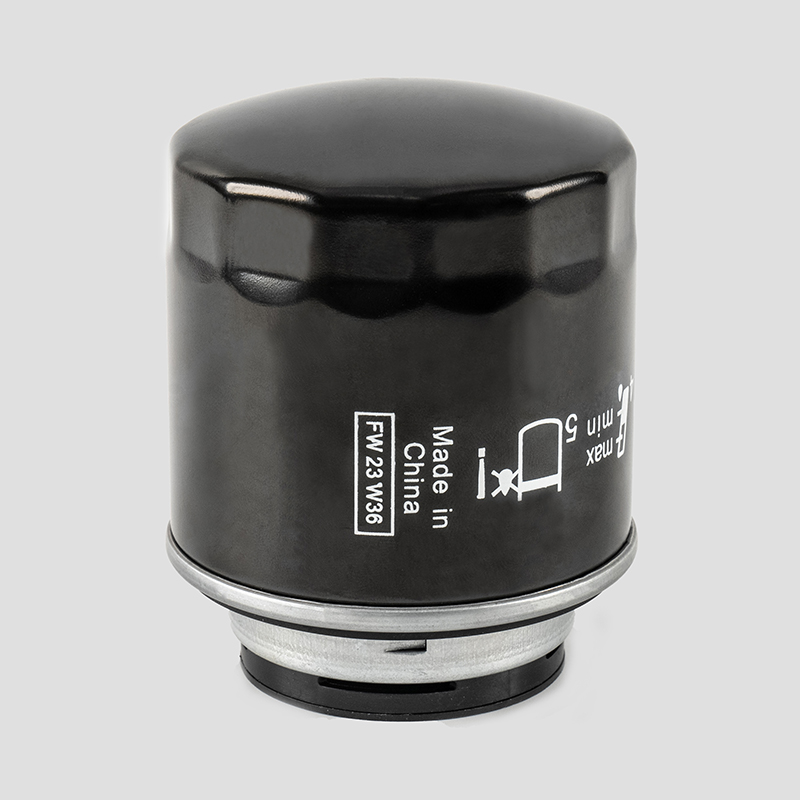 Volkswagen 1.4T Spin-On Oil Filter 03C115561ESpin-on oil filter listed for Jetta, Passat and Touran 1.4T engines; check the sealing gasket and thread pitch before installation.View Product →
Spin-on canisters are the format most exposed to installation error, because the sealing gasket is part of the part rather than the housing. A gasket that stays stuck to the block, a can tightened by hand only on a vibrating engine, or a mismatched thread pitch will all leak under pressure. When a customer reports zero after a quick service, we ask them to remove the can and photograph the mounting pad before anything else is ordered.
In most workshops a filter causes low pressure rather than zero; the exception is a cartridge seated on a pinched O-ring, which can empty the gallery in seconds.
What Healthy Oil Pressure Should Look Like
Numbers turn a vague complaint into a decision, so it helps to know what a normal gauge should show before you judge a zero. The window below reflects the general behaviour of passenger car engines at operating temperature and is meant as orientation only; always confirm against the OEM specification for the specific engine, because bearing clearances, pump displacement and relief valve settings vary widely.
Typical oil pressure windows at operating temperature (bar)
Bars are scaled to a 0 to 6 bar range and show orientation values, not a specification.
Two things in that chart matter more than the exact figures. First, the difference between 1.0 and 5.0 bar is mostly speed and oil temperature, not oil quality, so a single reading without context tells you very little. Second, the gap between hot idle and cruise is where wear shows up first: an engine that holds pressure at speed but cannot reach 1 bar at idle is telling you about bearing clearance or pump wear, not about the gauge.
For filter manufacturers, these windows shape how media and bypass valves are specified. A filter with generous media area and a bypass calibrated to open at a sensible differential keeps the downstream pressure stable as the element loads up, while a small media pack forces the differential higher and pushes the bypass valve to work earlier. Neither design is unsafe when it is matched to the application, but a mismatch shows up as a hot-idle reading that drifts lower as the service interval stretches.
Record pressure cold, hot, at idle and at speed: a single number cannot separate wear from a sender fault.
Filter Format, Tolerances and the Risks Buyers Should Check
Most pressure complaints that trace back to a filter trace back to fitment rather than design. The table below groups the four formats we produce most often and the pressure-related checks that matter before the part goes on.
| Format | Typical applications | Pressure-related check before fitting | Failure mode that reads as low or zero |
|---|---|---|---|
| Spin-on canister | Older and many Asian and American engines, light commercial, off-highway | Mounting pad clean and flat, old gasket removed, thread pitch matched, bypass rating matched to the engine | Doubled gasket, loose can, seam leak, bypass stuck open |
| ECO cartridge element | European passenger engines with a permanent housing | Housing O-rings present and lubricated, element length and diameter correct, cap torque to spec | Pinched or missing O-ring, element not seated, wrong element number |
| Element with plastic end caps | Current passenger engines, many Chinese and global platforms | Cap clip engaged, pleat count and media area as specified, anti-drainback membrane intact | Collapsed media, crushed end cap, blocked outlet |
| Heavy-duty spin-on | Diesel trucks, excavators, loaders, generators | Burst pressure rating, bypass cracking pressure, anti-drainback material suited to high soot load | Plugged media with a stuck bypass, thread mismatch, seal extrusion |
Tolerances deserve a closer look than most buyers give them. A nominal micron rating on a datasheet is not the same as an efficiency figure at a stated beta ratio, and two filters with the same nominal rating can differ by a wide margin in real holding capacity. The same applies to bypass valves: a valve that cracks early protects the engine but lets more unfiltered oil through, while one that cracks late keeps filtration efficiency high but loads the media harder. For a distributor, the practical question is not which number is bigger but whether the specification matches the engine and the service interval the fleet actually runs.
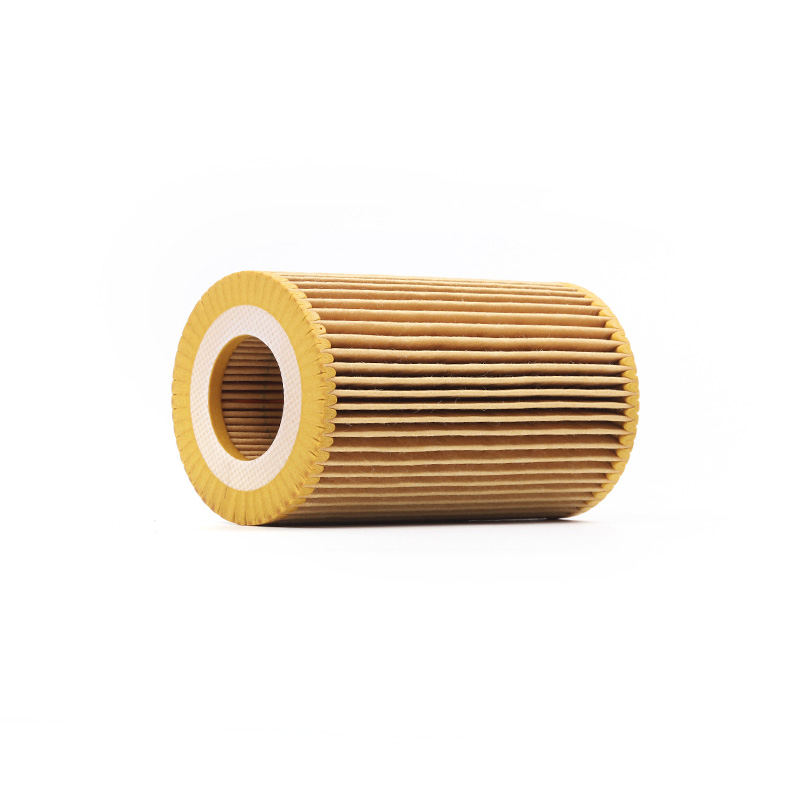 Audi A6L 3.0T ECO Oil Filter 06E115562BECO oil filter specified for 2015–2018 Audi A6L 3.0T; compare its fitment and sealing interface against OE 06E115562B.View Product →
Our own ECO oil filter line was developed around exactly this problem, with housings and O-ring sets that match the OE interface so the element seats the way the engine expects. When a cartridge is a fraction of a millimetre off on the spigot diameter, the cap still torques down and the engine still starts, but the pressure reading at hot idle will tell you something is wrong long before a leak appears on the driveway.
Ask for efficiency at a stated beta ratio and the bypass cracking pressure, not just a micron number on the box.
A Ten-Minute Triage Sequence for a Zero Reading
The order below is the one we recommend to fleet workshops, because it moves from free checks to expensive ones and never asks a technician to guess.
- Stop the engine. If the reading went to zero while driving and any new noise appeared, do not restart; arrange a tow.
- Check the level on level ground with the engine off for five to ten minutes, then look under the car for fresh oil at the filter, drain plug and rear main.
- Confirm the reading with a mechanical gauge at the gallery port. This single step separates a real pressure failure from an electrical one.
- Inspect the sender, connector and ground. Look for oil ingress in the connector, which is common on senders mounted low on the block.
- Remove the filter and examine the gasket, the mounting pad and the housing O-rings. Photograph the pad before cleaning it, because evidence disappears fast.
- Check the oil condition and viscosity grade against the OEM requirement, especially after a recent service at another shop.
- If pressure is still zero on the mechanical gauge, inspect the pickup screen and relief valve before condemning the pump.
- Send an oil sample if the engine has run with low pressure for more than a few seconds, and record the result with the repair order.
Step three is the one that gets skipped. A mechanical gauge costs less than an hour of diagnostic time and settles the argument between a fifteen dollar sender and a four figure pump job. Keep one in the workshop with the right adapters for the engines you see most, and calibrate it occasionally against a known reference.
Never order a pump before a mechanical gauge has confirmed that the pressure really is zero.
When Zero Pressure Has Already Caused Damage
Bearings do not need long. At cruising speed, a few seconds without oil film is enough to wipe a rod bearing, score a crank journal or spin a shell. Variable valve timing units, cam phasers and turbocharger bearings are even more sensitive, because they rely on a steady supply at the end of the oil circuit where pressure is lowest.
The symptoms to record after a low pressure event are a light knock at hot idle, metal debris in the filter pleats, a glittering film in the drain pan and a pressure reading that recovers at speed but sags at idle. Cutting the filter open is the cheapest inspection available: a few bright flakes are normal on a new engine, but a paste of fine grey material or visible bearing overlay is not.
If the engine has run with a genuine zero, plan the repair around inspection rather than assumption. Bearing shells, crank journals, cam lobes and the oil pump itself all need checking, and the pickup and galleries need cleaning so that debris from the failure does not circulate into a fresh build. Replacing a pump without cleaning the circuit is one of the most common reasons a repaired engine fails a second time.
After a real zero pressure event, the filter cut-open tells you more about bearing condition than any scan tool will.
Diesel, Turbo, Hybrid and Off-Highway Angles
Diesel engines add soot to the oil, and soot thickens the oil at low temperature while shortening the life of the media. A diesel that reads low at idle in winter is often suffering from a combination of cold oil, a loaded filter and a pickup that is partly restricted, rather than a worn pump. High pressure common rail systems also run hotter oil than older diesels, so the filter specification has to hold its shape over a longer, hotter service life.
Hybrids bring a different pattern. The engine stops and starts constantly, so the oil column drains back more often and the anti-drainback membrane works harder than on a conventional car. A hybrid that rattles for two seconds at every restart is telling you the filter is not holding its column, even though the pressure reading once running looks perfect.
 Sany SY215C-10 Oil Filter Element 60282026Oil filter element for the Sany SY215C-10; relevant when checking filter loading and oil pressure behavior on off-highway equipment.View Product →
Off-highway machines sit at the other extreme. An excavator may idle for long periods in hot weather with a hydraulic load behind it, and the oil temperature climbs while the pump turns slowly. Fleet operators who see the pressure light flicker at idle on a hot afternoon should look at oil condition, filter loading and the relief valve before assuming the pump is finished. Machines that work in dusty conditions also load the air side of the engine, and a restricted air filter raises soot intake, which in turn shortens oil filter life and pulls pressure down over a service interval.
Match the anti-drainback material and bypass rating to how the engine is actually used, not only to the model year.
Sourcing Oil Filters That Hold Their Specification
For distributors, wholesalers and workshop chains, a pressure complaint is a warranty cost plus a lost account. The way to reduce both is to buy from a filter manufacturer that can document the specification rather than one that only quotes a price per carton.
What to ask before placing an order
- OE cross-reference coverage by part number, engine code, displacement and model year, not by model name alone.
- Media specification: nominal rating, efficiency at a stated beta ratio, media area and pleat count.
- Bypass valve cracking pressure and anti-drainback material, since these two details decide how the filter behaves on cold start.
- Burst pressure and collapse resistance for the housing or element, particularly for diesel and off-highway applications.
- Quality system evidence, batch traceability and a sample retention policy for warranty disputes.
- Production scale, because a supplier that runs millions of units a year per line has more stable process control than one running short campaigns.
Ningbo Heyuan Auto Parts works as both a manufacturer and a trading partner, producing air, cabin, oil, fuel, hydraulic and special filters along with injection moulded housings, blow moulded intercooler pipes and rubber air ducts. Production runs under ISO/TS16949:2009 and ISO9001:2000 with an annual output of more than 50 million filter assemblies and elements, which matters when a buyer needs consistent batches across a mixed container of oil filters, air filters and cabin filters.
Buyers comparing a low cost wholesaler against a documented supplier should price the difference against one engine replacement. The gap between a properly specified filter and a cheap copy is usually a few cents per unit; the gap between a healthy engine and a wiped bearing is a four figure invoice, and the second gap is the one that reaches the customer's lawyer.
Buy on documented media, bypass and anti-drainback specifications; the purchase price is the smallest number in the whole calculation.
Where to Go Next
If you are diagnosing a vehicle, start with the gauge test and work outward. If you are specifying filters for a workshop, a fleet or a distribution programme, the same engineering details decide whether a pressure complaint ever reaches your desk.
NBHY filter resources
Diagnosis and specification share one principle: match the part to the engine, then verify with a gauge.
FAQ: No Oil Pressure Questions We Hear Most
What does no oil pressure mean if the engine still runs quietly?
It usually means the reading circuit has failed rather than the oiling system, because a genuine zero at running speed damages bearings quickly. A dead sender, a chafed wire or a bad ground will hold the gauge at zero while the engine is perfectly lubricated. Confirm with a mechanical gauge before assuming either outcome.
Can a clogged oil filter cause zero oil pressure?
A clogged filter normally causes low pressure at hot idle, not a hard zero, because the bypass valve opens and keeps oil flowing to the galleries. A true zero appears when the bypass is stuck closed and the media blocks the outlet, or when a cartridge is fitted with a pinched O-ring and the gallery is open to the sump.
Is it safe to drive home with the oil light on if pressure returns at higher rpm?
No. Pressure that only appears above idle means the engine is starved at exactly the speed where most of its running time is spent, and bearing damage accumulates in that condition. Have the car towed or driven no further than a nearby bay with the engine kept at the lowest possible load.
How long can an engine run with no oil pressure?
There is no safe interval. Some engines survive twenty or thirty seconds at idle on residual film, while a turbocharged engine at cruising speed can suffer bearing damage in a few seconds. Treat every minute with zero pressure as a risk of a full rebuild.
Why does the gauge read zero right after an oil change?
Air trapped in the pump or filter housing, a dry start after a cartridge change, a doubled gasket on a spin-on pad, or a missing housing O-ring will all produce a zero. Re-check the filter installation and crank the engine briefly with the fuel disabled to re-prime before suspecting the pump.
Does the wrong oil filter cause low oil pressure?
It can. A filter with the wrong bypass rating, a small media pack or a hardened anti-drainback membrane changes how pressure behaves at hot idle and on cold start. The effect is usually a drifting reading rather than an instant zero, which is exactly why specification matters more than appearance.
Can a bad sensor cause a no oil pressure warning?
Yes, and it is one of the most frequent causes of a false alarm. Switch-type senders fail closed or open, connectors fill with oil, and wiring near the exhaust manifold hardens and cracks. A mechanical gauge reading taken at the same port settles the question in minutes.
Every answer comes back to the same test: measure real pressure with a known good gauge, then inspect the filter and the circuit.
No oil pressure is a short message with several possible senders. It can be a sender that has quietly died, a filter seated on a pinched O-ring, a pickup screen closed by sludge, a relief valve held off its seat, or a pump that has stopped turning. The reading alone will not tell you which, but the pattern will, and a mechanical gauge will confirm it before any money is spent.
For drivers, the rule is to stop first and diagnose second. For workshops, the rule is to record the pattern before opening the bonnet. For distributors and fleet buyers, the rule is to source filters with documented media, bypass and anti-drainback specifications so that the pressure circuit is not compromised by the cheapest part in the service kit. Get those three habits right and a zero reading becomes a routine diagnosis rather than a replacement engine.
Related Products
-
GAC A57 Automotive Engine Air Filtration System Housing Assembly
-
Great Wall A30 Automotive Engine Air Filtration System Housing Assembly
-
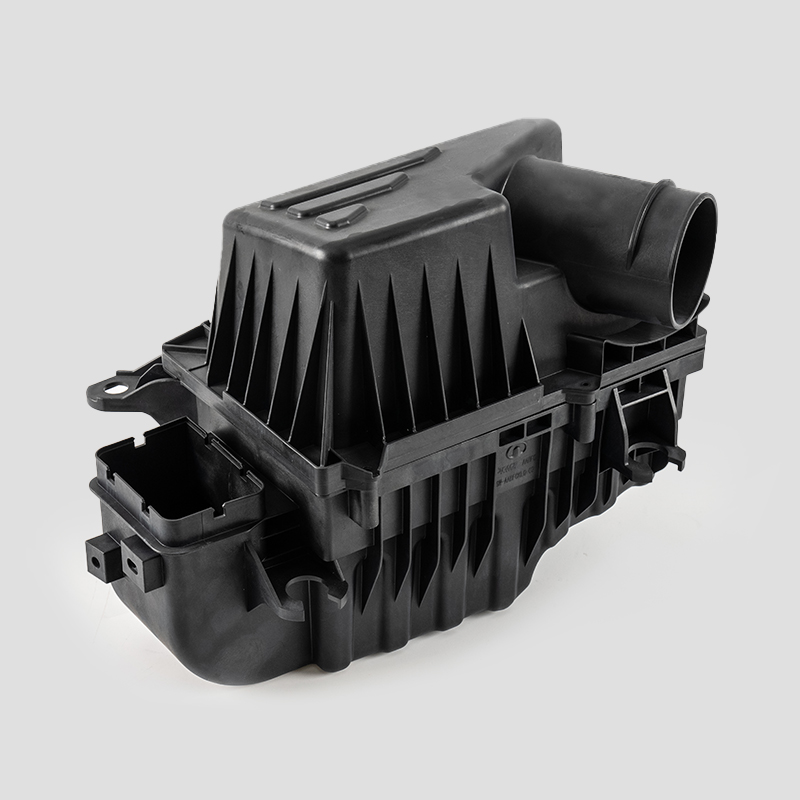
Great Wall B30 Automotive Engine Air Filtration System Housing Assembly
-
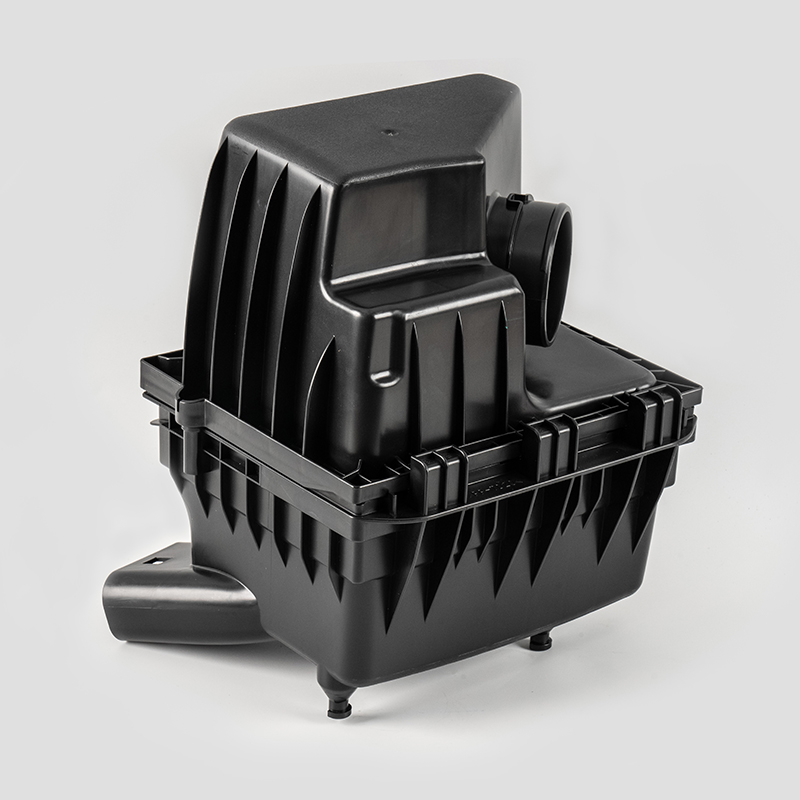
Great Wall Automotive Engine Air Filtration System Housing Assembly
-
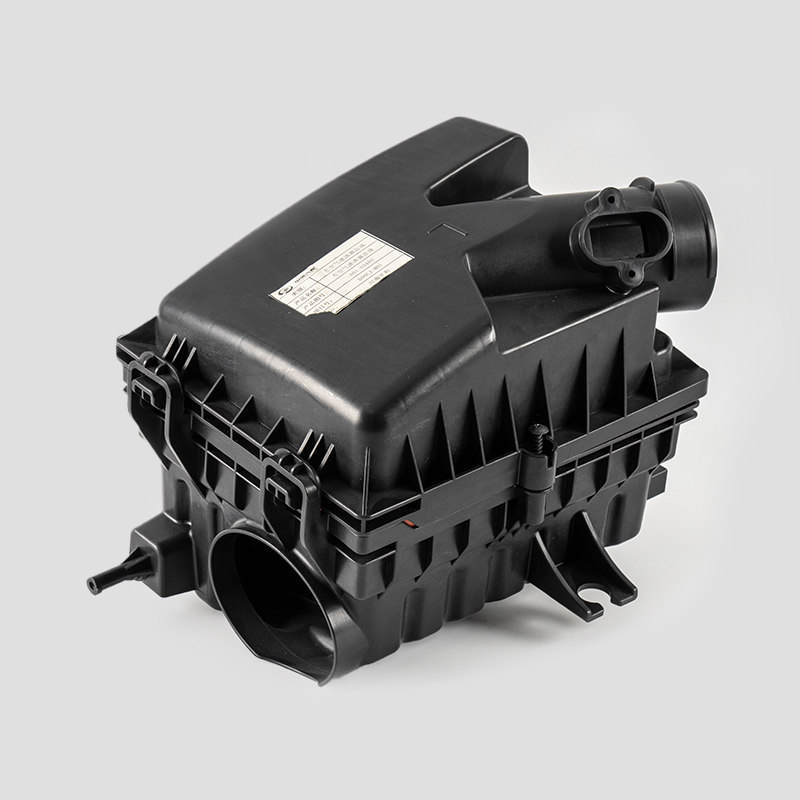
BAIC Automotive Engine Air Filtration System Housing Assembly
-
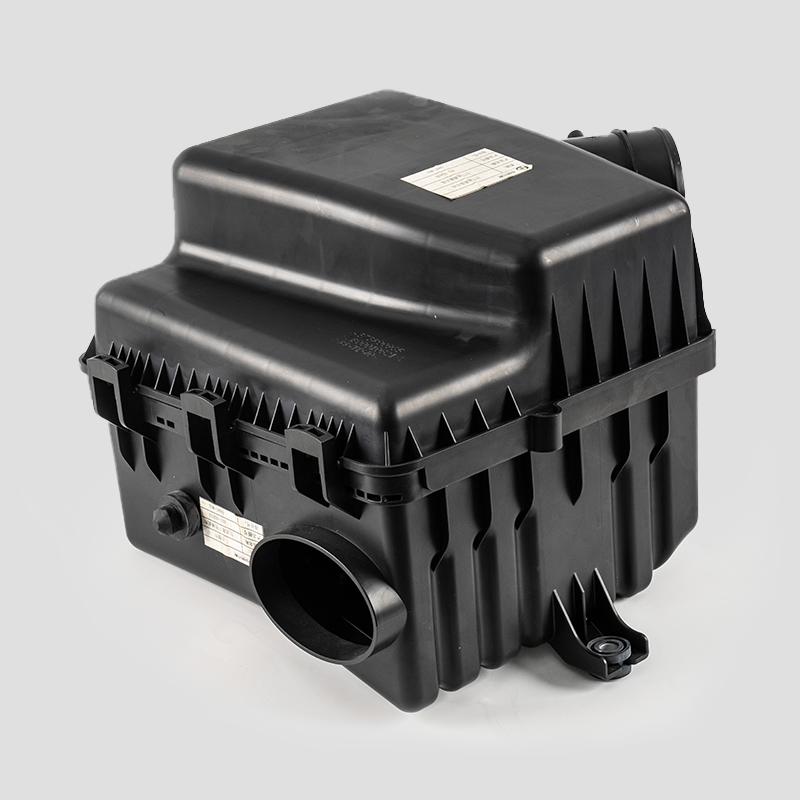
BAIC SUV Automotive Engine Air Filtration System Housing Assembly



Copyright © Ningbo Heyuan Auto Parts Co., Ltd. Rights Reserved. Custom Automobile Filter Parts Company OEM/ODM Automobile Filter Parts Manufacturer
