


 English
 Español
 عربى

Preventive Maintenance Car Guide: Filter Intervals, Inspection and Parts Supply
Content
- 1 Preventive Maintenance for a Car Starts Where Air and Oil Meet Metal
- 2 The Filter Map: Six Components That Set Your Maintenance Calendar
- 3 How Driving Environment Changes the Interval You Should Actually Set
- 4 Reading the Symptoms Before They Turn Into Repairs
- 5 Building a Preventive Maintenance Schedule That Survives Real Driving
- 6 Choosing Parts: Fitment, OE Cross-Reference and Supplier Checks
- 7 For Wholesalers, Workshops and Importers: Turning Maintenance Into Repeat Business
- 8 Related Reading From Our Own Workshop Notes
- 9 Preventive Maintenance Mistakes That Create Comebacks
- 10 Frequently Asked Questions About Preventive Maintenance for Cars
- 10.1 How often should a car's engine air filter be changed?
- 10.2 Why does preventive maintenance for a car cost more than just fixing things when they break?
- 10.3 Can I clean an air filter instead of replacing it?
- 10.4 Why does the cabin filter matter if the air conditioning still cools?
- 10.5 What is the difference between an ECO oil filter and a spin-on oil filter?
- 10.6 Do filter housings and air ducts really need attention during a routine service?
- 10.7 How can a workshop tell whether a filter supplier is reliable?
- 10.8 Is preventive maintenance worth it on a high-mileage car?
A customer picks up a car after a full service, drives 900 miles, and comes back with a rough idle, a faint fuel smell and a check engine light that was not there before. The oil was changed, the plugs were fine, the invoice looked complete. Nine times out of ten the comeback traces back to something small that was inspected but not replaced, or replaced but not seated properly: a clogged engine air filter, a cabin filter packed solid with pollen, a fuel filter past its flow limit, or an air duct that was refitted with a hardened gasket.
That is the short version of preventive maintenance for a car. The expensive failures are usually downstream of cheap parts nobody scheduled. Filtration and the plastic and rubber parts around it decide how long an engine breathes well, how clean the fuel burns and how comfortable the cabin stays, and they are the least glamorous line items on any maintenance plan.
Ningbo Heyuan Auto Parts Co., Ltd. (NBHY) sits on the manufacturing side of that problem. From Xidian Industrial Zone in Ninghai County, Zhejiang, the company produces air filters, cabin filters, oil filters, fuel filters, hydraulic and special filters, plus the injection-molded housings, blow-molded intercooler pipes and rubber air ducts that hold those elements in place. With roughly 30 years of design and production experience and an annual output above 50 million filter sets and elements, NBHY supplies workshops, distributors and importers who need the filters and the surrounding hardware from one source. This guide sets out how to plan car preventive maintenance around filtration, how to read the warning signs early, and what to check before ordering parts at volume.
Preventive Maintenance for a Car Starts Where Air and Oil Meet Metal
Preventive maintenance splits into three buckets: fluids, wear items and inspection. Fluids get the attention because they are visible and easy to sell. Wear items, especially filters, get squeezed because they look trivial on an invoice. Inspection gets skipped because it takes time and produces no parts revenue unless the technician writes something down.
In practice, filters are the highest-leverage items in the whole plan. A paper element costs a fraction of an injector, a mass airflow sensor or a turbocharger, yet it is the component that decides whether those parts see clean air, clean fuel and clean oil. An engine air filter running at high restriction forces the engine to work harder for the same intake charge, and on modern turbocharged and hybrid powertrains the effect shows up as poor throttle response and rising fuel consumption long before any fault code appears.
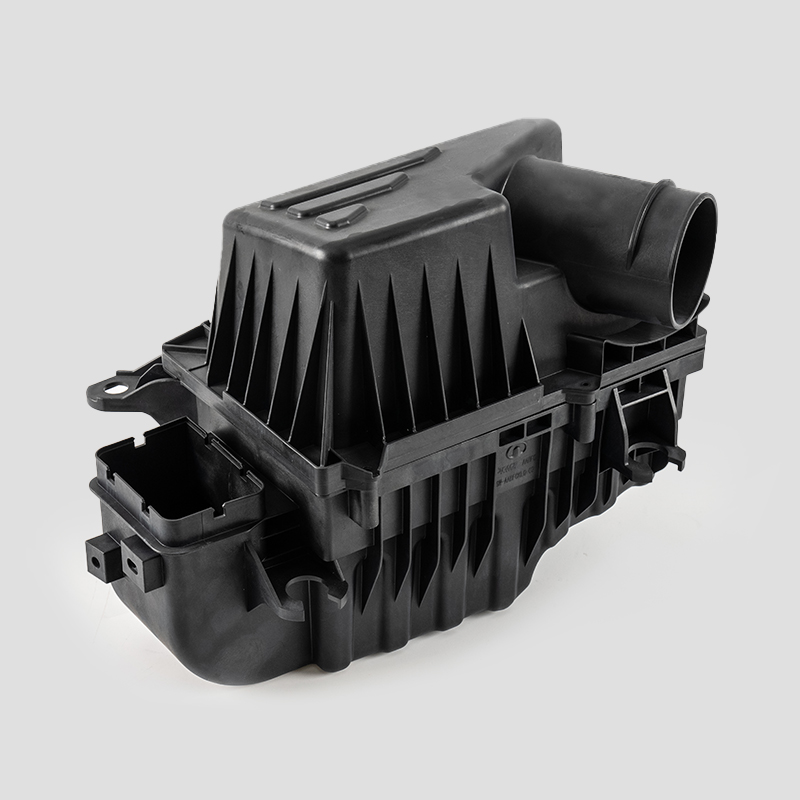
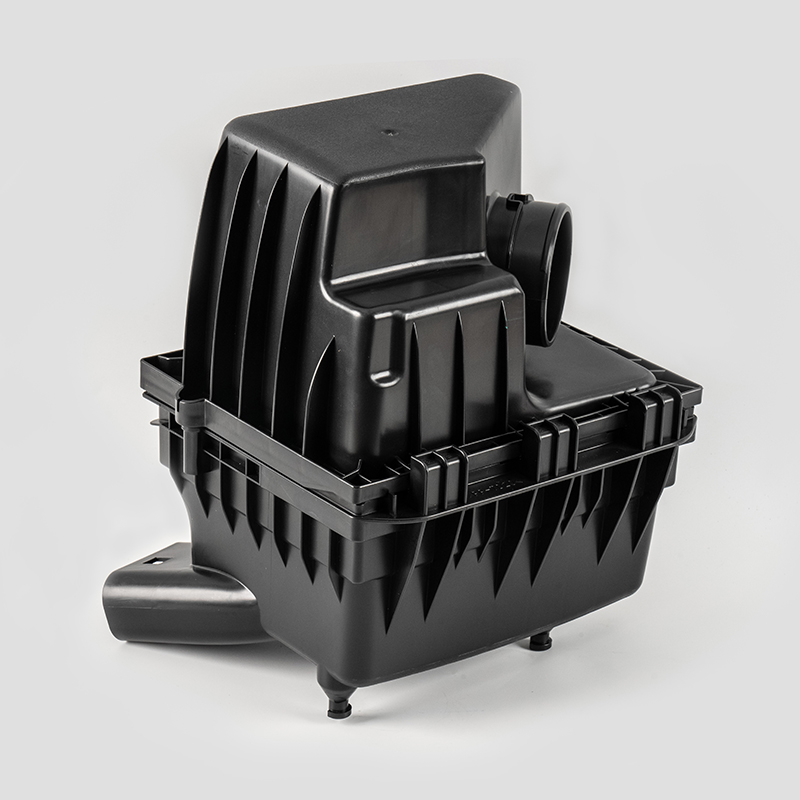
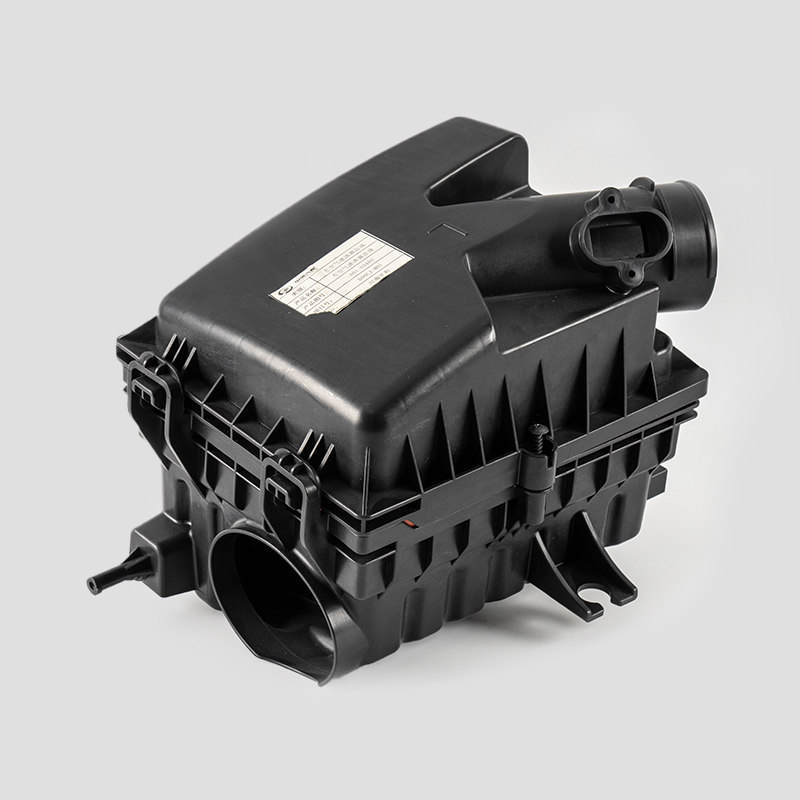
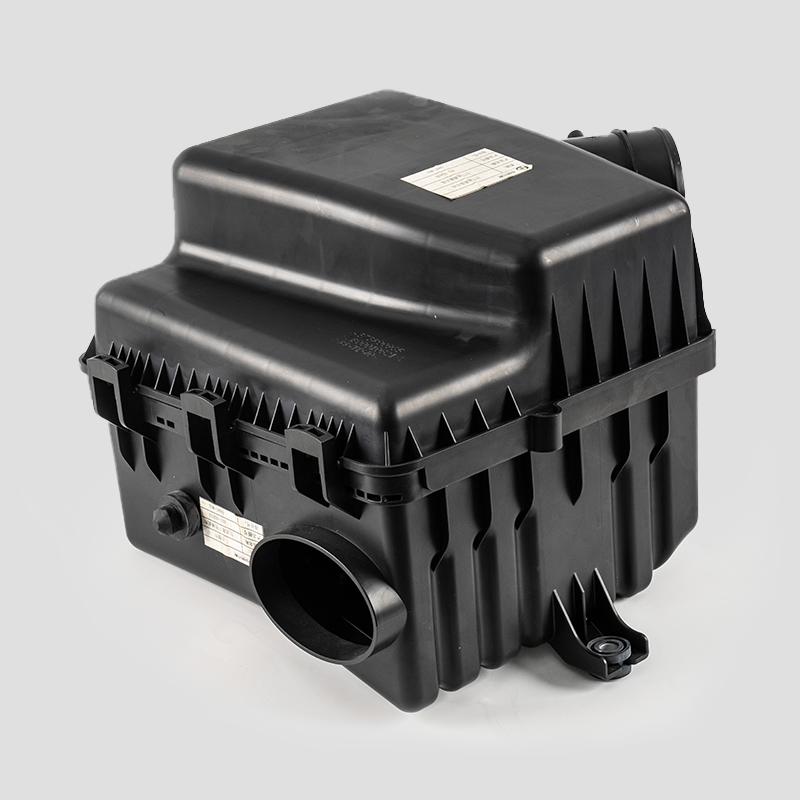
There is a second layer that workshops underrate: the housings and ducts. An air filter assembly housing that is cracked, or an inlet pipe that has lost its sealing lip, lets unfiltered air bypass the element entirely. NBHY manufactures both sides of that interface, the filter element and the injection-molded air filter assembly housing, the inlet pipe assembly housing and the outlet system housing, plus rubber air ducts and blow-molded intercooler pipes. That matters for maintenance planning because the failure modes are connected. If you replace the element but ignore a hardened rubber air duct, you have paid for filtration and delivered a leak.
Quality systems are the other half of preventive work. NBHY states that production follows ISO/TS16949:2009 and ISO9001:2000, with in-house testing and assembly lines, and that product development uses computer-aided design. For a buyer, that translates into repeatability: the fifth container of the same OE-numbered element should behave like the first.
The Filter Map: Six Components That Set Your Maintenance Calendar
Before setting intervals, it helps to see the whole filtration system on one page. The table below groups the components that matter most in routine car preventive maintenance, with the window most workshops work to, the symptom that shows up first, and what neglect costs. Manufacturer schedules always take priority over generic ranges, and severe duty use should pull every window shorter.
| Component | Typical replacement window | First symptom | Cost of running it long |
|---|---|---|---|
| Engine air filter | 15,000 to 30,000 miles, or 12 months in dusty use | Flat throttle response, rising fuel use, dark element pleats | Dust ingress, airflow sensor contamination, turbo wear |
| Cabin filter | 15,000 to 25,000 miles, or annually | Weak airflow, musty smell, fogging windows | Blower motor load, evaporator Odor, poor defrost |
| Oil filter | Every oil change, matched to oil interval | Noise on cold start, darker oil earlier | Bypass valve opening, unfiltered oil circulating |
| Fuel filter | 30,000 to 60,000 miles on petrol, shorter on diesel | Hesitation under load, long crank, loss of top-end power | Injector and high-pressure pump damage |
| Air filter housing and inlet pipe | Inspect every service, replace on cracking or seal loss | Whistle, unfiltered air trail, loose fit | Full bypass of the element, dirt straight to the engine |
| Rubber air duct and intercooler pipes | Inspect annually, replace when soft, hard or swollen | Boost leak, oil mist at joints, poor pull | Boost loss, over-fuelling, repeated fault codes |
Two things stand out when this is laid out. First, the top four rows are all consumables and can be planned from mileage alone; no diagnosis needed. Second, the bottom two rows are inspection items that cost nothing to check and everything to miss. A workshop that lists housings and ducts on the inspection sheet catches cracking before the customer notices a whistle.
How Driving Environment Changes the Interval You Should Actually Set
A factory interval assumes an average car in average conditions, and very few cars live there. Dust load, humidity, idling time and trip length all shift how fast a filter reaches its restriction limit. The chart below indexes contamination load against a dusty unpaved-road baseline, so you can see why two identical cars on the same schedule can arrive at very different filter conditions.
Relative contamination load by driving environment (dusty unpaved roads = 100)
Indexed planning guidance based on NBHY application notes for filter loading; it illustrates relative severity and is not a statistical survey.
The practical lesson is that a service operation should carry two interval tiers rather than one. A city courier fleet running constant stop-go duty at 78 on the index will load a cabin filter and an engine air filter far faster than a highway sales fleet at 45, even though both cover similar mileage. Coastal humidity pushes the same direction for a different reason: moisture encourages microbial growth on cabin filter media and hardens rubber air ducts from the inside, so the annual inspection matters more than the mileage count.
For workshops, this is where a filter supplier earns its place. NBHY's range covers the same model across petrol, hybrid and range-extended variants, from a Toyota Camry air filter and a Corolla cabin filter through to a Leapmotor C11 range-extended element, plus diesel and petrol fuel filters. When a fleet mixes duty cycles, having one supplier who can deliver both the standard and the heavy-duty end of the catalogue shortens the ordering cycle and keeps interval tiers workable.
Dust also changes what "clean" looks like. Blowing out a paper element with compressed air is popular because it is fast, but it widens pleat gaps and can drive trapped dust deeper into the media. Visual inspection through the housing tells you more: if the pleats are uniformly grey, the element is working; if the inlet side is dark and the outlet side is stained, you have a sealing fault, not just a dirty filter.
Reading the Symptoms Before They Turn Into Repairs
Most filter problems announce themselves weeks before they cause a repair. The skill is knowing which symptom belongs to which component, because customers describe them vaguely and technicians are often working from a short road test.
Engine air filter
A restricted engine air filter shows up as a soft throttle, a slight hesitation when pulling away, and fuel consumption creeping up over a few tanks. On turbocharged engines the effect is more obvious because the turbo has to work against additional restriction. On naturally aspirated engines it hides until the element is badly loaded. If the intake tract after the filter shows dust film, stop diagnosing the filter and start diagnosing the seal.
 Toyota Camry 2.5L 17801-F0060 Engine Air FilterFor Camry 2.5L owners diagnosing soft throttle or rising fuel use, this listed air filter matches OEM 17801-F0060.View Product →
Oil filter
Oil filters fail quietly. A partially loaded element simply bypasses, which means dirty oil circulates with no warning lamp at all. The signals are indirect: noisier cold starts, faster oil darkening, and on engines with variable valve timing, sluggish cam response. Matching the filter type to the engine matters, which is why the aftermarket separates conventional, ECO and spin-on formats. An ECO oil filter element for a European sedan and a spin-on can for an older engine are not interchangeable, even where the thread pitch looks similar.
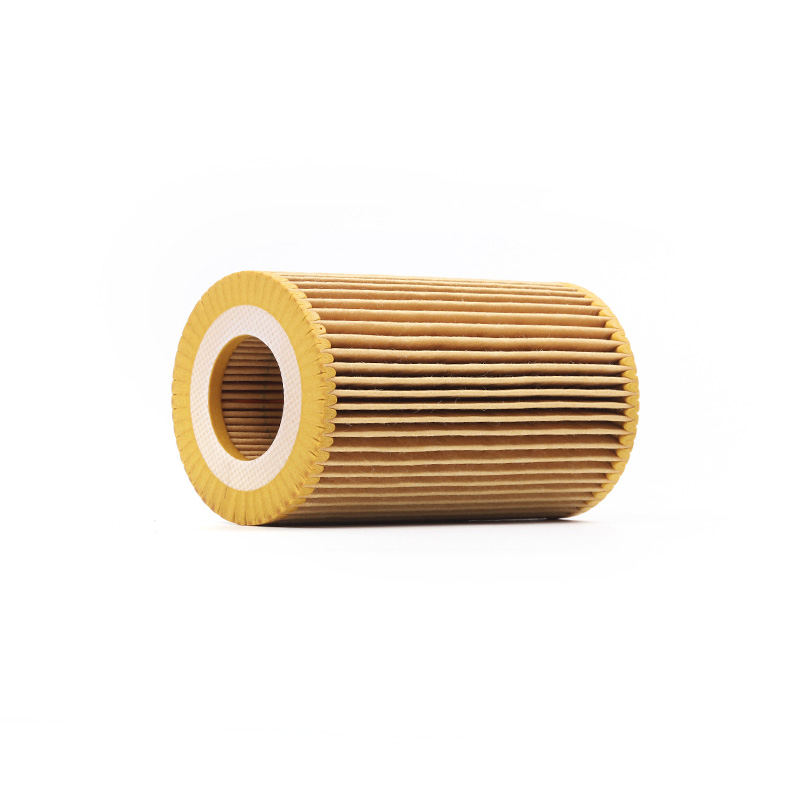 Audi A6L 3.0T 06E115562B ECO Oil FilterListed for 2015–2018 Audi A6L 3.0T, this ECO oil filter uses OE 06E115562B and suits engines where filter format must match.View Product →
Cabin filter
Cabin filters are the easiest sell in preventive maintenance and the most frequently postponed. The customer notices weak airflow on setting four, a musty smell after rain, and windows that fog faster in winter. By the time smell appears, the media is usually holding moisture and organic debris. On vehicles with automatic climate control, a loaded cabin filter also makes the blower run harder for the same output, which is a hidden electrical load on short-trip cars.
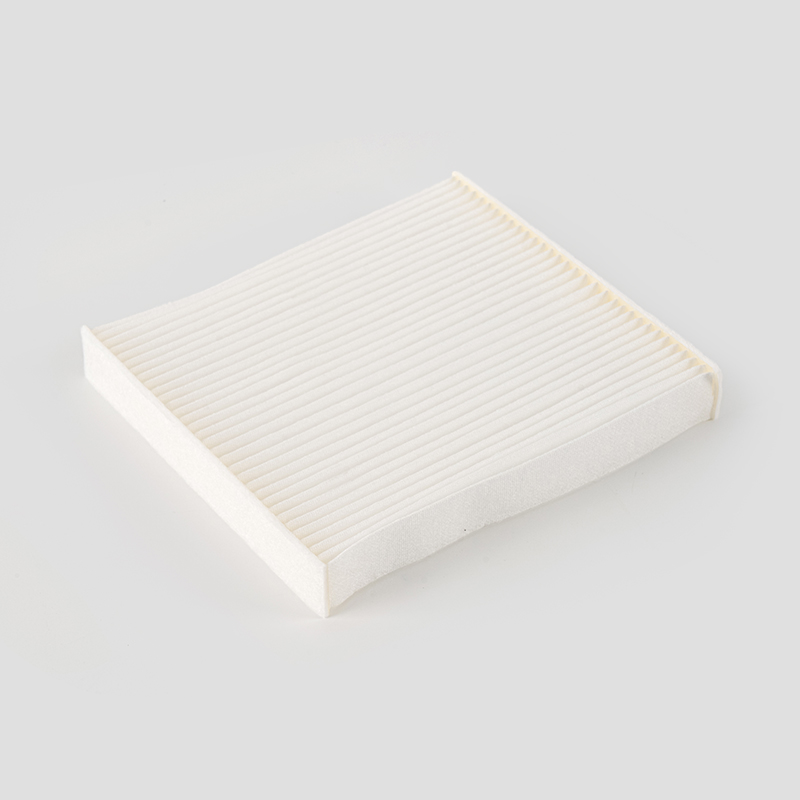 Toyota 87130-06060 Cabin Filter for Multiple ModelsWhen airflow weakens or odors appear, this cabin filter covers Corolla, Levin, Camry, Crown, Reiz, RAV4 and Prado under 87130-06060.View Product →
Fuel filter
Fuel filter symptoms appear under load, not at idle: hesitation during overtaking, a long crank after standing, and a top-end flat spot. Diesel filters clog faster and often carry a water separator that needs draining on its own schedule. Petrol direct-injection engines are less forgiving of restriction than port-injection engines, so extending a fuel filter interval to save a small part cost is a poor trade against injector replacement.
Housings, ducts and clamps
This is where many maintenance plans end and many comebacks begin. Plastic housings crack at mounting bosses after heat cycles. Rubber air ducts harden, swell or delaminate, and a duct that has gone soft will collapse under boost and then recover, producing an intermittent fault that is hard to reproduce. Intercooler pipes leak at the joints long before they split. Because NBHY manufactures injection-molded housings, blow-molded intercooler inlet and outlet pipe assemblies, and rubber air ducts alongside the filter elements, the fit between element and housing is designed as a system rather than matched after the fact.
Building a Preventive Maintenance Schedule That Survives Real Driving
A schedule that lives only in a service book gets ignored. A schedule that lives on a job card and a mileage record gets followed. The sequence below is the one that holds up in busy workshops and mixed fleets.
- Start from the manufacturer's schedule for the specific engine and market, not from a generic table. The same model year can carry different intervals for different emissions packages.
- Classify each vehicle by duty cycle: highway, mixed, city stop-go, dusty or coastal. Assign it to a short or standard interval tier.
- Convert the schedule into checkpoints rather than a single service event. Air and cabin filters can be checked at 10,000-mile points; oil and oil filter stay tied to the oil change.
- Add the inspection rows that carry no parts revenue: housing cracks, duct softness, clamp tension, seal seating.
- Record what was found, not just what was replaced. A note that the air duct was soft at 40,000 miles turns into a planned replacement instead of an emergency.
- Review intervals once a year against real filter condition. If elements consistently come out clean at the scheduled point, the interval is too short for that fleet; if they come out loaded, it is too long.
Two details decide whether this works in practice. The first is filter availability by OE number. A schedule that requires a specific element is worthless if the part arrives in three weeks, so the supplier's coverage of the models in the fleet is part of the maintenance plan, not a purchasing afterthought. The second is consistency of the part itself. If the same OE number arrives from two sources with different media depth or gasket hardness, the workshop cannot compare condition between services and the interval review loses its data.
For high-mileage cars, the same logic applies with one adjustment: inspection becomes more important than replacement frequency. A 150,000-mile engine with a cracked housing will not be saved by a new element, and a worn rubber duct will undo a new intercooler pipe within a season.
Choosing Parts: Fitment, OE Cross-Reference and Supplier Checks
Preventive maintenance is largely a parts decision made in advance. Get the part specification right and the labour is routine; get it wrong and every service becomes a diagnostic session.
Why OE numbers matter more than model names
Model names are too coarse. A single generation of a popular sedan can run three different air filter elements depending on engine, market and whether the car is hybrid. Catalogue entries that carry the original equipment number, along with year, displacement and engine code, remove most of the ambiguity. NBHY's product pages follow this pattern, listing an OE reference such as 17801F0060 or 1109103XKM01A beside the vehicle application, which lets a counter clerk confirm a match in seconds rather than guessing from a picture.
Where tolerances actually bite
Element dimensions matter to the millimetre at the sealing lip, because that is where bypass happens. Housing tolerances matter at the mounting bosses and clip points, because a housing that does not seat fully leaves a gap that no filter can compensate for. Rubber parts have their own tolerance story: a duct that is slightly too soft collapses under boost, and one that is too hard transmits vibration and cracks at the clamp. This is why a supplier who molds both the housing and the duct, and who cuts the filter media for the same assembly, can hold a system-level tolerance that a filter-only supplier cannot.
A short supplier checklist
| Check | What to ask | Why it matters |
|---|---|---|
| Quality system | Which management standard governs production, and is it current? | Repeatability between batches |
| Catalogue depth | Is the part indexed by OE number, year and engine code? | Fewer wrong-part returns |
| System coverage | Can the supplier also provide housings, ducts and pipes? | One fitment standard across the air path |
| Capacity | What is annual output and lead time on repeat orders? | Interval tiers stay workable |
| Documentation | Are drawings and specifications available on request? | Traceability for fleet audits |
NBHY's own position on these points is that products are developed with computer-aided design, produced under ISO/TS16949:2009 and ISO9001:2000, and supported by in-house testing and assembly lines, with annual output above 50 million filter sets and elements across air, cabin, oil, fuel, hydraulic and special filter categories. Those are claims a buyer should verify during sampling, but they describe the right shape of supplier for a maintenance programme: a manufacturer that can hold a specification across millions of pieces rather than a trader assembling whatever is available.
For Wholesalers, Workshops and Importers: Turning Maintenance Into Repeat Business
Filtration is one of the few aftermarket categories that repeats on a predictable clock. A customer who buys an air filter today will need another one inside twelve to twenty-four months, and the workshop that recorded the mileage owns that reminder. For a wholesaler or importer, the value is in the width of the catalogue, because a maintenance programme that covers a mixed fleet needs one order to fill many part numbers.
That width is the practical difference between a filter manufacturer and a filter trader. NBHY's catalogue runs from European sedans and SUVs through Japanese and Korean models to a very broad Chinese domestic range, and it extends into light commercial vehicles and off-highway equipment: Maxus V80 and V90 air filters, an Iveco Daily fuel filter, a Suzuki Alto element, an Isuzu D-Max ECO oil filter, and ECO oil filters for Kobelco SK200 and Sany SY215 excavators. For a distributor serving both a taxi fleet and a plant hire company, that spread means one supplier relationship instead of four.
Three commercial points usually decide the partnership. First, part-number discipline: an importer needs the OE reference printed on the box and stable across shipments, otherwise counter staff lose confidence in the line. Second, mixed-model ordering: workshops rarely order one number in volume, so a supplier who can consolidate air, cabin, oil and fuel filters plus a few housings and ducts on one order reduces inbound freight and customs work. Third, technical support on fitment, especially where a vehicle has several engine variants and the element differs between them.
There is also a margin argument. Preventive maintenance sells best when the workshop can show the customer a physical part. A dark, loaded cabin filter on the counter closes the conversation faster than any explanation. Supplying a wholesaler with consistent media quality, so that a used filter looks convincingly used at the right mileage, is a small thing that supports the whole sales story.
Related Reading From Our Own Workshop Notes
Two references are worth keeping open when you build or revise a maintenance programme. The first explains how filter media and airflow interact on real engines; the second is the catalogue entry point for the current filter element range, organised by application.
Use them together. The technical note tells you why a restriction limit matters; the catalogue tells you which element actually fits the vehicle in front of you. Neither is a substitute for the manufacturer's schedule, but both shorten the time between a symptom and a part number.
Preventive Maintenance Mistakes That Create Comebacks
The same handful of errors shows up across workshops, fleets and importers. Each one is cheap to prevent and expensive to fix after the fact.
- Replacing the element and ignoring the housing seal. The new filter cannot filter air that bypasses it.
- Cleaning a paper element with compressed air and refitting it. Pleat damage opens a path for dust that the media was designed to stop.
- Extending a fuel filter interval to save a small part cost on a direct-injection engine. Injector replacement is not a like-for-like trade.
- Assuming a cabin filter is fine because the air conditioning still cools. Cooling performance and airflow are separate problems.
- Ordering by model name instead of OE number, then discovering the part fits a different engine variant.
- Storing filters in a humid corner of the workshop. Damp media loses efficiency before it is ever installed.
- Skipping the duct and clamp check after refitting an air box. A loose clamp produces a fault that appears only under load.
- Recording only what was replaced, not what was found. The next technician starts from zero.
The pattern behind all eight is the same: filtration is treated as a single part rather than a small system. Once the element, the housing, the duct and the clamp are on one inspection line, the mistakes disappear because the check is on the job card.
Frequently Asked Questions About Preventive Maintenance for Cars
How often should a car's engine air filter be changed?
Most vehicles fall between 15,000 and 30,000 miles, or roughly once a year. Dusty, coastal or heavy idling duty pulls that shorter, sometimes to 10,000 miles. The manufacturer's schedule for the specific engine always overrides a generic figure.
Why does preventive maintenance for a car cost more than just fixing things when they break?
It usually costs less over a full ownership period. Scheduled filters and fluid changes are cheap line items; the repairs they prevent, such as injector sets, airflow sensors and turbo work, are not. The visible cost is higher per visit, the total is lower.
Can I clean an air filter instead of replacing it?
For a paper element, no. Compressed air damages pleats and pushes dust into the media. Washable cotton elements exist but have their own oiling and drying requirements, and they are not a substitute for a paper element in a standard housing.
Why does the cabin filter matter if the air conditioning still cools?
Cooling and airflow are separate. A loaded cabin filter restricts volume, makes the blower work harder and holds moisture that causes smell. It does not stop the compressor from cooling, which is exactly why it gets missed.
What is the difference between an ECO oil filter and a spin-on oil filter?
An ECO oil filter is a replaceable element that fits inside a reusable housing, common on European engines. A spin-on filter is a complete canister that threads onto the engine. They are not interchangeable even where the thread appears similar, so always match the format to the engine.
Do filter housings and air ducts really need attention during a routine service?
They need two minutes of inspection. Cracks in plastic housings and softening in rubber ducts let unfiltered or unmeasured air past the element. Both are far cheaper to replace at the point of detection than after a fault code appears under boost.
How can a workshop tell whether a filter supplier is reliable?
Check four things: OE-level catalogue indexing by year and engine code, a current quality management standard, in-house capability for the parts around the element, and consistent media and gasket quality across shipments. Sampling a few numbers across a year is more informative than a single test order.
Is preventive maintenance worth it on a high-mileage car?
Yes, with a shift in emphasis. Inspection matters more than interval precision on an older vehicle, because cracked housings and worn ducts become the dominant failure risk. A new element in a leaking air box changes nothing.
Preventive maintenance for a car is not complicated, but it is easy to do partially. The parts that protect the engine, the fuel system and the cabin are inexpensive, and the inspection that surrounds them takes minutes. What usually fails is the join between the two: the schedule that lists filters but not housings, the order placed by model name instead of OE number, the supplier chosen on price alone and then asked to cover forty models.
NBHY's contribution to that picture is a single-source position across the air path and the wider filter range, produced in Ninghai County, Zhejiang, under ISO/TS16949:2009 and ISO9001:2000, with roughly 30 years of design and production experience and more than 50 million filter sets and elements a year. For a workshop that wants maintenance intervals it can defend, or a wholesaler building a filtration line for a mixed fleet, that combination of catalogue width and manufacturing control is the part worth evaluating first.
Related Products
-
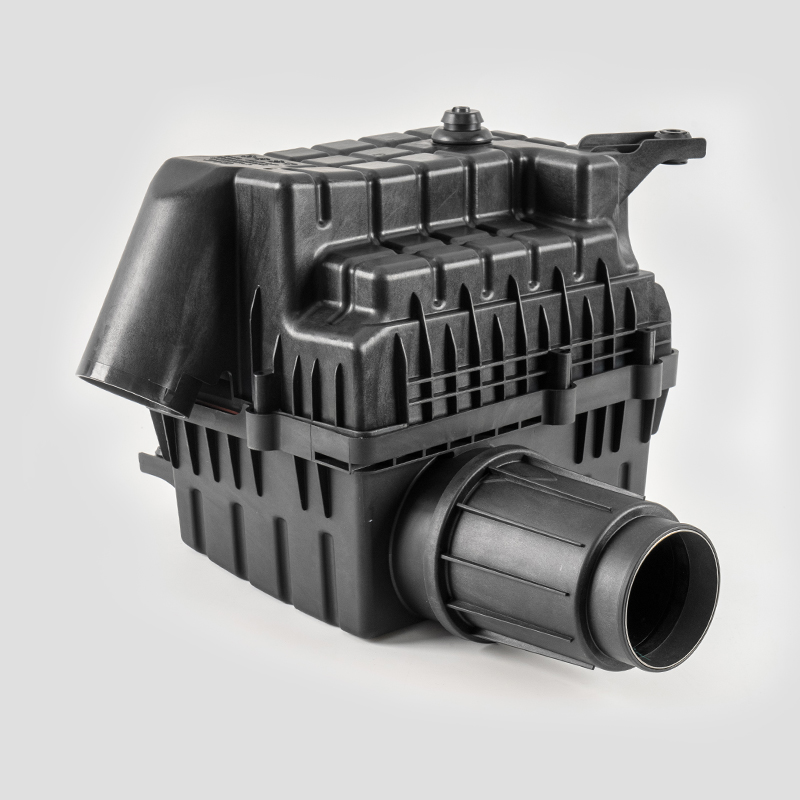
GAC A57 Automotive Engine Air Filtration System Housing Assembly
-
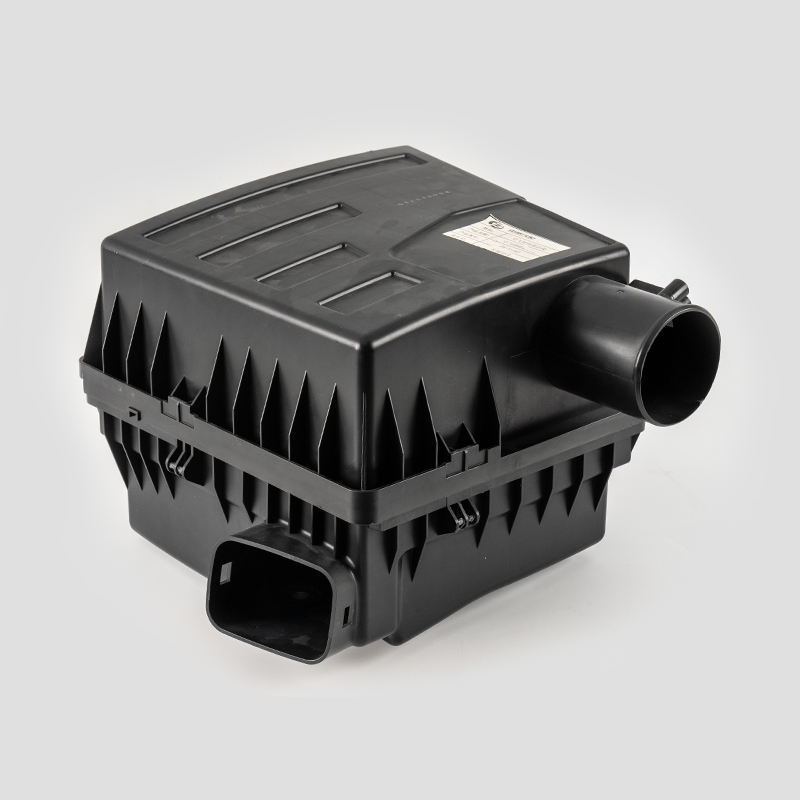
Great Wall A30 Automotive Engine Air Filtration System Housing Assembly
-
Great Wall B30 Automotive Engine Air Filtration System Housing Assembly
-
Great Wall Automotive Engine Air Filtration System Housing Assembly
-
BAIC Automotive Engine Air Filtration System Housing Assembly
-
BAIC SUV Automotive Engine Air Filtration System Housing Assembly



Copyright © Ningbo Heyuan Auto Parts Co., Ltd. Rights Reserved. Custom Automobile Filter Parts Company OEM/ODM Automobile Filter Parts Manufacturer
