


 English
 Español
 عربى
عربى
Oil Pressure Too Low: Causes, Diagnosis, and How Oil Filters Fix It Fast
Content
- 1 What an Oil Pressure Too Low Warning Actually Tells You
- 2 The Most Common Causes of Low Oil Pressure, Ranked
- 3 Why the Oil Filter Sits at the Top of the Suspect List
- 4 Oil Viscosity and Temperature: The Part Most Drivers Overlook
- 5 A Practical Diagnostic Sequence for Oil Pressure Too Low
- 6 What a Quality Replacement Filter Should Look Like
- 7 Sensor and Wiring Faults That Look Like Low Oil Pressure
- 8 Frequently Asked Questions About Oil Pressure Too Low
- 8.1 Can I keep driving with an oil pressure too low warning?
- 8.2 Can a bad oil filter really cause low oil pressure?
- 8.3 Why does the light come on at idle but go out when I rev the engine?
- 8.4 Will thicker oil fix an oil pressure too low problem?
- 8.5 How often should an oil filter be replaced?
- 8.6 Is a low oil pressure warning ever a false alarm?
- 9 The Order That Saves the Most Money
You turn the key on a cold morning, the oil light flickers, and instead of going out after a second or two it settles into a steady glow. That is the moment most drivers first meet an oil pressure too low warning, and it almost always means one of two things: the pump is not delivering enough volume, or something upstream of the sensor is holding pressure back. In our experience working with workshops, importers and aftermarket distributors, the second category is far more common, and a large share of those cases begin at the oil filter. Before you order a new pump or pull the sump, there is a cheaper and much faster sequence worth following.
What an Oil Pressure Too Low Warning Actually Tells You
Oil pressure is not the same thing as oil flow. The pump moves a fixed volume every rotation, and that volume has to squeeze through narrow galleries, a pleated filter medium and bearing clearances measured in hundredths of a millimetre. Pressure is what is left over after all of that resistance. When something restricts flow, the reading drops before the noise starts, which is why the warning light is genuinely useful rather than just annoying.
Most vehicles do not show a real number. They use a switch, a simple diaphragm that closes and lights the dash when pressure falls below roughly 0.3 to 0.5 bar, or about 4 to 7 psi. Seeing that lamp for a beat on a cold start is normal. Cold oil pours slowly, the pump needs a moment to fill the filter housing and pressurise the galleries, and then the light goes out. A lamp that stays on, or one that returns at hot idle after twenty minutes of driving, is telling you something real.
The path oil takes is short but full of places to lose pressure. The pump draws through a pickup screen in the sump, regulates itself through a relief valve, pushes into the filter housing, then into the main gallery and out through the crankshaft and connecting rod bearings. Any restriction along that route reduces the reading: a blocked pickup screen, sludge-loaded filter paper, a relief valve stuck part-open, worn pump gears. Equally, a failing pressure switch or a corroded connector can report the same symptom while the engine itself is perfectly healthy. Separating the two is the first job.
| Warning behaviour | Most likely explanation | First thing to check |
|---|---|---|
| Flickers on cold start, clears within two seconds | Thick cold oil, weak anti-drain-back valve, aged oil | Filter anti-drain-back valve and oil grade |
| Comes on only at hot idle, goes out when revved | Diluted oil or worn bearing clearances | Oil viscosity, oil smell, oil level |
| Stays on across the whole rev range | Collapsed filter element, blocked pickup screen, worn pump | Filter and sump pickup screen |
| On with an audible knock or rattle | Bearings already running metal on metal | Shut the engine down, do not restart |
The Most Common Causes of Low Oil Pressure, Ranked
The order below comes from the pattern we see most often when low-pressure vehicles come back with the old filter still in the box. It is not a scientific survey, but it does reflect where the money usually goes first in a busy workshop. The chart breaks the same information down into relative frequency so a technician can decide what to eliminate before ordering anything.
The chart is worth reading alongside a simple reality: the top two categories together account for more than half of all cases, and both of them are addressed by an oil and filter change. That is why the sensible first move on any low-pressure complaint is not a pressure gauge plumbed into the gallery, but a fresh filter of known quality and an oil that matches the specification on the filler cap.
Filter elements fail in a few recognisable ways. The pleated paper can load up with sludge until the pressure differential forces the bypass valve open. The centre tube can collapse inward under suction, strangling flow. The end caps can debond, letting unfiltered oil slip past the seam. On cartridge-style filters, a pinched or rolled sealing ring does the same thing. None of these show up on a visual inspection from outside the housing, which is exactly why substitution with a known-good unit is the fastest test.
Oil condition matters nearly as much. A 5W-30 that has been thinned by repeated short trips, a leaking injector or coolant ingress is no longer a 5W-30. It pours faster, the pump pushes it through the clearances more easily, and the gauge reads low even though nothing mechanical has changed. Bearing wear is the slow-moving cause at the bottom of the list, and it is the one you want to rule out rather than confirm.
- Filter first, because it is cheap, fast and reversible.
- Oil second, because a correct grade with the right high-temperature viscosity restores pressure immediately if dilution was the cause.
- Sensor and wiring third, because a multimeter costs nothing but ten minutes.
- Pump, relief valve and bearings last, because they involve dropping the sump or removing the front cover.
Why the Oil Filter Sits at the Top of the Suspect List
A filter is a deliberate restriction. That is the whole point of it. The medium is designed to trap particles down to roughly 20 microns while still passing enough volume to keep the galleries full, and the housing contains a bypass valve that opens somewhere around 1.0 to 1.5 bar of differential pressure so the engine never starves if the element blocks completely. That valve is a safety feature, but it is also a diagnostic clue: when it lifts, unfiltered oil circulates and the pressure reading can still look wrong because the pump is working against a restriction that the valve is only partly relieving.
Cold starts expose this most clearly. A 5W-30 at minus five degrees is many hundreds of times more viscous than the same oil at operating temperature. For the first few seconds the pump is pushing near-solid oil through a cold element, and the pressure switch sees the combination of high viscosity and filter resistance before the relief valve in the pump catches up. If the anti-drain-back valve in the filter is tired, the housing has also drained overnight, so the pump has to refill it before the galleries see pressure at all. Both effects show up as a lamp that lingers longer than it should. If you want the full mechanical walkthrough of how the housing, valve and medium interact, our team has written a plain-language explainer on how an oil filter actually works that pairs well with this section.
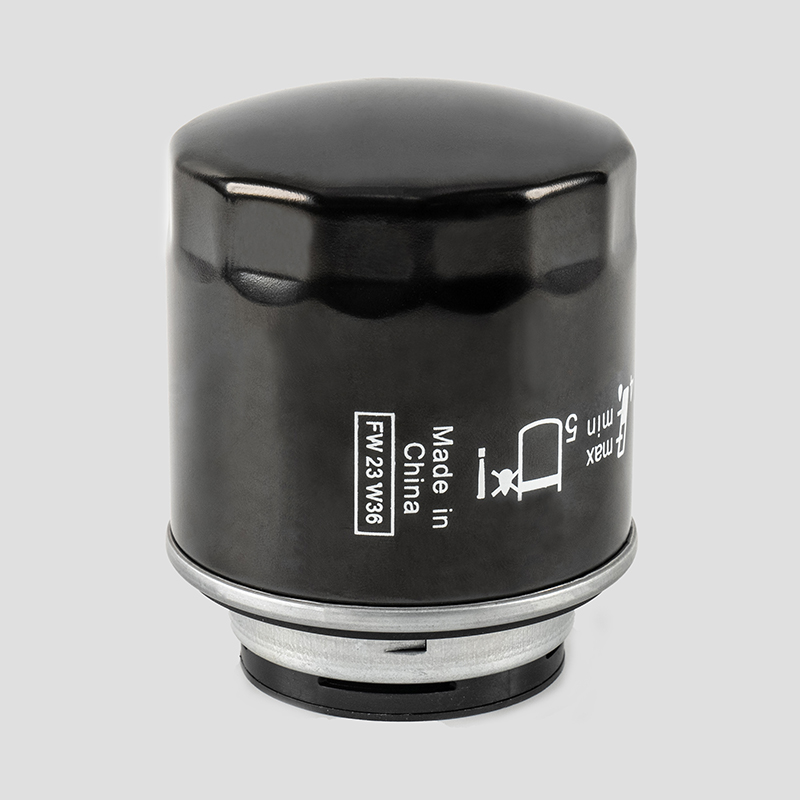 Volkswagen Jetta / Passat / Touran 1.4T Oil Filter 03C115561E Spin-on oil filterSAIC-GM-Wuling Baojun 730 1.8L Baojun 560 24569269 Air FilterView Product →
Spin-on filters handle this differently from cartridge types, and the difference matters when you are chasing pressure. A spin-on unit carries the bypass valve and the anti-drain-back valve inside its own shell, so the quality of those two small components decides whether a cold start is quiet or dramatic. A cartridge filter relies on the housing for the same functions, which puts more weight on the sealing rings and the cap torque. In either design, a filter built with a generous pleat count and a properly rated spring will hold pressure far more consistently than a low-cost unit that saves money on media area.
There is also a contamination story worth understanding. Every time the bypass valve opens, a slug of unfiltered oil travels through the bearings. Do that often enough and the clearances open up, which reduces pressure permanently. So a blocked filter does not just cause a temporary warning light; it quietly accelerates the wear that makes the warning permanent. That is the strongest argument for replacing the filter on schedule rather than stretching the interval, and for buying from a supplier who can actually document the media specification.
Oil Viscosity and Temperature: The Part Most Drivers Overlook
Viscosity is the single biggest variable in any pressure reading, and it changes constantly. The number on the bottle describes behaviour at two reference temperatures, not at the temperature your engine is actually running. Once the oil is in service, three things start working against it: heat, shear and dilution. Each one thins the oil, and thinner oil escapes through the same clearances faster, which reads as lower pressure.
Fuel dilution is the most common of the three and the easiest to miss. Short trips with a rich mixture push unburned fuel past the piston rings into the sump, and the oil level creeps up while the viscosity creeps down. A leaking injector does the same thing much faster. Coolant intrusion from a failing gasket emulsifies the oil and produces unstable readings that swing with temperature. Mechanical shear from the pump gears and the timing chain slowly chops long polymer molecules apart, so a 5W-40 can end a long drain interval behaving more like a 5W-20. None of these show up in a visual check of the dipstick.
| Source of thinning | How it develops | Effect on pressure |
|---|---|---|
| Short-trip fuel dilution | Rich combustion, blow-by past the rings, slow warm-up | Gradual fall over the drain interval |
| Leaking injector | A large volume of fuel reaches the sump in a short time | Rapid drop, oil smells strongly of petrol |
| Coolant intrusion | Head gasket or liner fault lets coolant into the oil | Unstable readings, milky emulsion on the dipstick |
| Mechanical shear | Polymer viscosity modifiers broken down by pump and chain | Lower pressure at high rpm and high temperature |
The practical response is straightforward. Check the oil level and smell it. If it reeks of petrol or looks like mayonnaise, the problem is not the filter and no filter change will fix it. If it looks and smells normal but is past its service interval, change it along with the filter and recheck pressure warm. If the pressure recovers, dilution or degradation was the cause and the fix is a shorter drain interval rather than a thicker oil.
Resist the temptation to jump two viscosity grades to prop up a falling gauge. A thicker oil can mask a worn pump or opened clearances for a few thousand kilometres, but it also slows cold-start flow, increases the load on the pump drive, and can push a variable valve timing system outside its designed operating window. On engines with hydraulic lash adjusters or cam phasers, the wrong grade creates new problems faster than it solves the old one. Staying within the specification and fixing the actual cause is almost always the cheaper path.
A Practical Diagnostic Sequence for Oil Pressure Too Low
Sequence matters more than tools here. The steps below move from free to expensive, and each one either confirms or eliminates a category before you spend money. On most engines the whole list takes under an hour, and you will usually have your answer by step five. Keep a notebook, because the pattern of when the light appears is as informative as the reading itself.
- Check the oil level on a level surface with the engine off for at least five minutes. Low level is the simplest cause and the easiest to rule out.
- Smell and inspect the oil. Fuel odour, milky appearance or a level that has risen since the last change all point at dilution rather than a mechanical fault.
- Confirm the grade against the filler cap or the workshop manual. If someone has used a different viscosity, correct it and recheck before going further.
- Replace the filter with a known-good unit of the correct specification and note the condition of the old one. A collapsed centre tube, a deformed sealing ring or heavy sludge loading is a confirmed finding.
- Change the oil and filter together, then run the engine to operating temperature and observe the warning at idle and at roughly 2,000 rpm.
- If the warning persists, fit a mechanical pressure gauge to a gallery port. Do not rely on the dash switch, which only tells you above or below its threshold.
- Compare the mechanical reading against the specification for your engine. Typical hot idle figures land somewhere around 1 bar or a little higher, with 2 to 4 bar at 2,000 rpm, but the acceptable window varies widely between designs.
- Test the pressure switch and its connector with a multimeter while the engine is running. Intermittent continuity under vibration is a classic false alarm.
- If pressure is genuinely low, drop the sump and inspect the pickup screen for sludge or a distorted tube.
- Only after all of the above should you consider the oil pump, the relief valve and the bearing clearances.
Two details are easy to skip and often decisive. First, run the engine long enough to reach full operating temperature; a reading taken after ninety seconds of idling tells you almost nothing about hot-idle pressure. Second, watch the tachometer as well as the gauge, because a warning that appears at exactly 800 rpm and disappears at 1,000 rpm is a very different signal from one that follows engine speed all the way up.
What a Quality Replacement Filter Should Look Like
For workshops, importers and wholesale buyers, the low-pressure conversation eventually turns into a sourcing question. The difference between a filter that holds pressure for a full drain interval and one that starts bypassing at 20,000 kilometres is not visible from the outside of the can. It lives in the media area, the end-cap bond, the spring rate of the bypass valve and the flexibility of the anti-drain-back lip. These are the four points worth auditing when you evaluate a manufacturer or supplier.
Start with media area. A pleat count that is ten or fifteen percent below the original equipment part raises the pressure differential across the element from day one, and the gap widens as the element loads up. Ask for the pleat count and the media specification rather than a photograph. Next, look at the end-cap bond. Poorly bonded caps debond under thermal cycling and let oil bypass the medium entirely, which shows up as a filter that looks fine on removal but has been doing nothing for thousands of kilometres.
The bypass valve spring rate is the third point and the one most directly tied to your pressure warning. If the spring is too soft, the valve cracks open early during cold starts and on loaded engines, and unfiltered oil circulates while the pump works harder than it needs to. If it is too stiff, the element collapses before the valve opens, which is worse. Finally, the anti-drain-back valve determines how quickly pressure builds after a cold start. A lip that has hardened or lost its memory lets the housing drain overnight, and the pump spends the first two seconds refilling it. On a filter produced by an experienced manufacturer, all four of these parameters are controlled in production rather than left to chance.
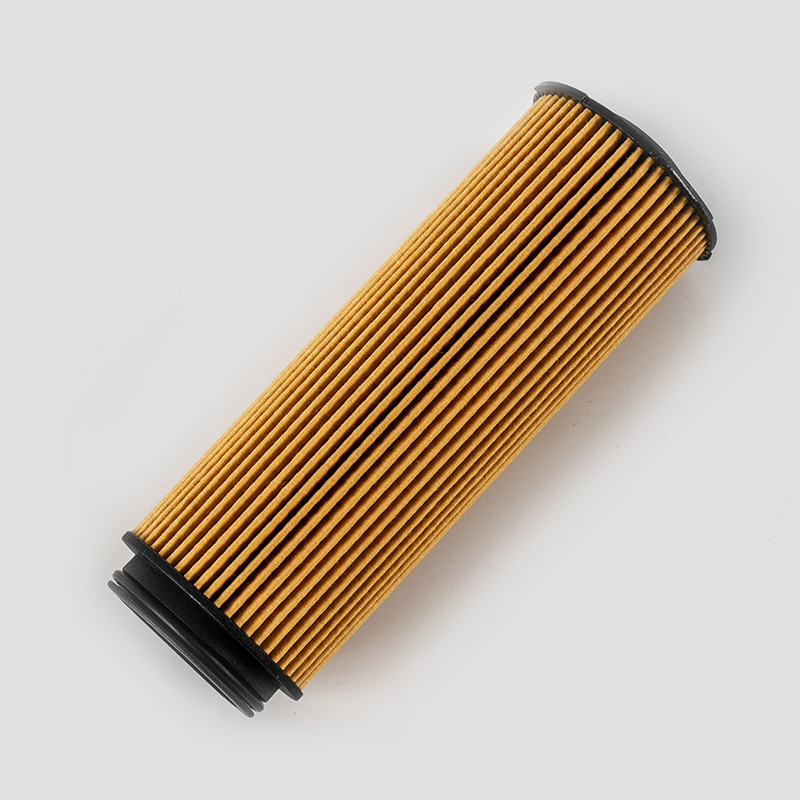 BMW 5 Series 540Li / 640i / 740Li / M140i / X7 11428583898 ECO Oil FilterSAIC-GM-Wuling Baojun 730 1.8L Baojun 560 24569269 Air FilterView Product →
Vehicle coverage is the other half of the sourcing decision. A filter catalogue that maps cleanly to original equipment numbers across European, Japanese, Korean and Chinese platforms saves an importer an enormous amount of cross-referencing time, and it reduces the risk of a wrong part being fitted and blamed for a pressure fault later. Cartridge-style ECO oil filters, for example, appear on a wide spread of modern engines where the housing carries the bypass function, so the sealing dimensions and the media stiffness matter even more than on a spin-on design. A wholesaler who can source both formats from a single manufacturer keeps the paperwork simple and the returns low.
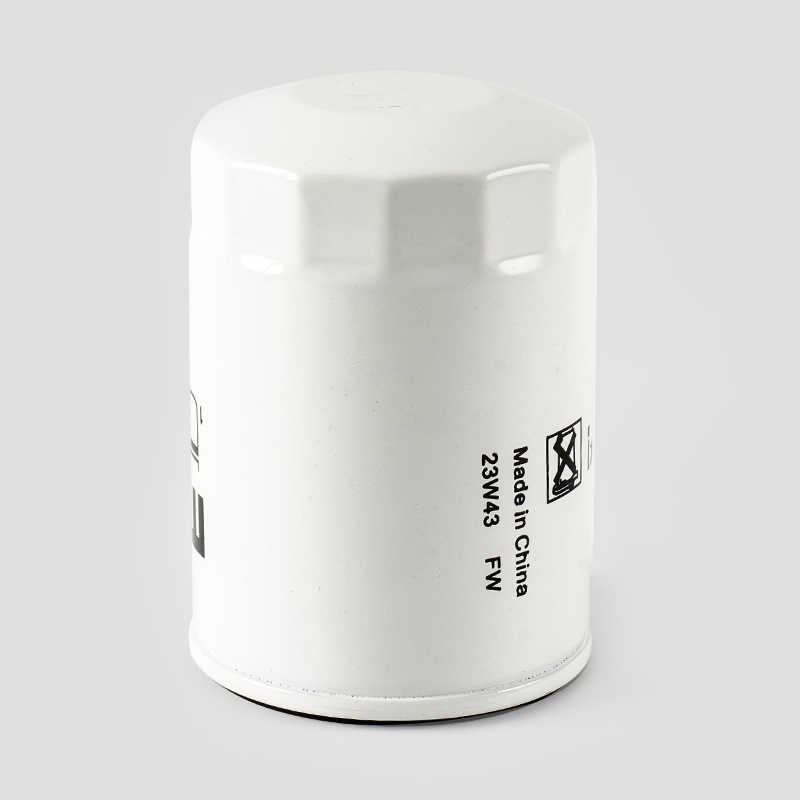 Ford Explorer MKX / Edge 3.5 / F150 Mustang MKST / Navigator 3.5T Oil Filter Element AA5Z-SAIC-GM-Wuling Baojun 730 1.8L Baojun 560 24569269 Air FilterView Product →
For larger displacement engines, the volumes involved change the design priorities. A 3.5 litre V6 moving high flow rates at highway speed puts a continuous load on the element, and a spin-on filter serving that duty needs a larger effective media area and a bypass valve calibrated for the higher flow. This is where a supplier with genuine in-house manufacturing capability has an advantage over a trading house that simply relabels whatever arrives at the port. When the production line controls the pleating, the bonding and the spring winding, batch-to-batch consistency becomes something you can audit rather than hope for.
Sensor and Wiring Faults That Look Like Low Oil Pressure
Not every warning is a mechanical problem, and the electrical side is worth ten minutes of attention before anything comes apart. The pressure switch on most engines is a simple on-off device mounted on the block or the filter housing, wired back to the instrument cluster through a single conductor. Oil mist, heat and vibration attack that circuit constantly, and the failure modes are predictable.
A switch can fail closed, which means the lamp stays on permanently regardless of actual pressure. It can develop a slow diaphragm leak, which makes it intermittent at idle. The connector can corrode or fill with oil, creating a high-resistance path that behaves differently hot and cold. The wire itself can chafe against the block and short to ground, producing a warning that appears and disappears with engine movement. None of these produce a mechanical symptom, and all of them are cheap to test.
- Disconnect the switch and check for oil inside the connector body.
- Measure resistance across the switch terminals with the engine off, then again at idle.
- Wiggle the harness while watching the lamp or meter for flicker.
- Compare the dash lamp against a mechanical gauge reading at the same moment.
The one thing you should not do is treat a new switch as a cure. If the mechanical reading is genuinely low and the switch has been replaced to silence the warning, the underlying wear continues unchecked. A switch that reads correctly is a useful reference, not a repair. Fit it, confirm the reading agrees with a mechanical gauge, and then act on what the gauge actually says.
Frequently Asked Questions About Oil Pressure Too Low
Can I keep driving with an oil pressure too low warning?
If the lamp is steady and accompanied by any knocking, ticking or loss of power, stop the engine as soon as it is safe and do not restart it. If the lamp only flickers briefly on a cold start and clears within a couple of seconds, you can usually drive gently to a workshop, but treat it as a prompt to check the oil level and the filter that day rather than next month. A warning that appears at hot idle and stays on is a stop-now condition because bearing damage accumulates quickly once the oil film breaks down.
Can a bad oil filter really cause low oil pressure?
Yes, and it is one of the most common causes. A loaded or collapsed element creates a pressure differential across the medium and forces the bypass valve open early. Once that happens the pump is pushing against a restriction it cannot relieve cleanly, and the gallery pressure falls. A filter with a stiff or leaking anti-drain-back valve makes cold-start pressure build more slowly, which shows up as a lamp that lingers far longer than it should.
Why does the light come on at idle but go out when I rev the engine?
That pattern is characteristic of oil that has thinned out or clearances that have opened up. At idle the pump turns slowly and produces its lowest volume, so any loss through the bearings becomes visible. Raising engine speed increases pump output and lifts the reading back above the switch threshold. It is a strong hint that the oil is past its useful life or that dilution has taken the viscosity below specification, and it should be investigated rather than ignored.
Will thicker oil fix an oil pressure too low problem?
It can raise the reading temporarily, but it does not fix anything. A heavier grade slows cold-start flow, increases the load on the pump drive, and on engines with variable valve timing or hydraulic lash adjusters it can push the system outside its designed operating window. Use thicker oil only as a deliberate short-term measure while you plan the real repair, and never outside the range the manufacturer specifies.
How often should an oil filter be replaced?
Follow the interval in the service schedule rather than stretching it, and replace the filter every time you change the oil. The cost of a filter is trivial next to the cost of accelerated bearing wear from repeated bypass events. On vehicles used mostly for short urban trips, a shorter interval than the book figure is a reasonable precaution because dilution and sludge loading both build faster under those conditions.
Is a low oil pressure warning ever a false alarm?
Quite often, yes. A failed switch, a corroded connector or a chafed conductor can all produce the same lamp behaviour with a perfectly healthy engine underneath. That is why a mechanical gauge reading is the reference point. Confirm the real pressure first, then decide whether you are chasing a mechanical fault or an electrical one. Guessing in the other direction is how people replace pumps that were never broken.
The Order That Saves the Most Money
Low oil pressure rewards patience more than it rewards parts. The engine is telling you that something in a short and fairly simple chain is restricting flow, and the cheapest links in that chain fail most often. Filter, oil, sensor, then the mechanical items underneath. Following that order means most drivers spend a filter and an oil change rather than a pump and a set of bearings, and they get a clear answer about what actually happened.
For distributors and wholesale buyers, the same logic applies to sourcing. A filter range built around consistent media area, controlled bypass cracking pressure and a reliable anti-drain-back valve removes an entire category of warranty claims before the parts ever leave the warehouse. That is the practical value of buying from a manufacturer who understands the failure mode rather than a supplier who only understands the part number.
Related Products
-
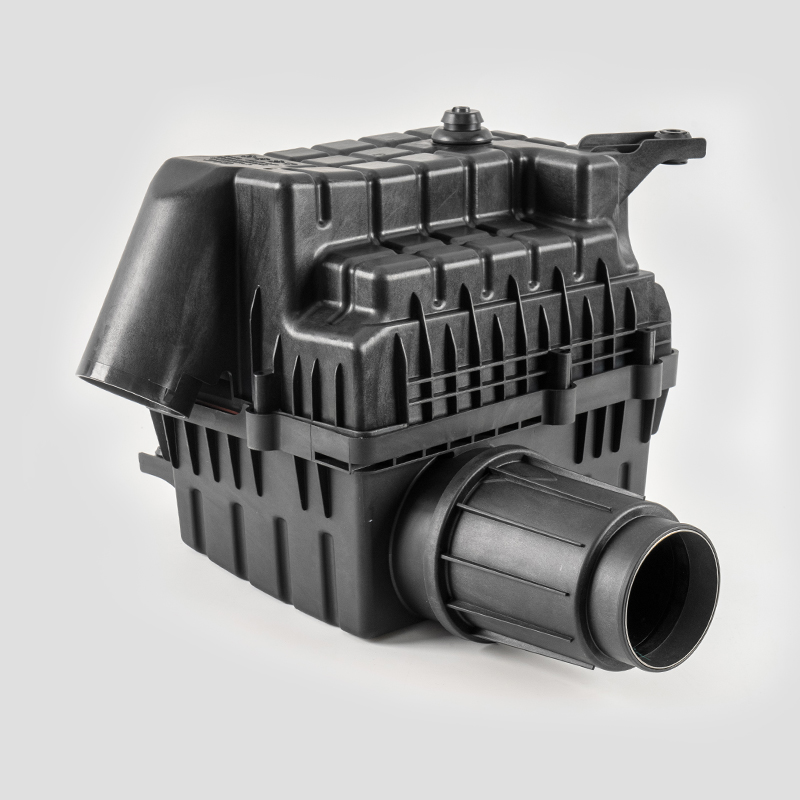
GAC A57 Automotive Engine Air Filtration System Housing Assembly
-
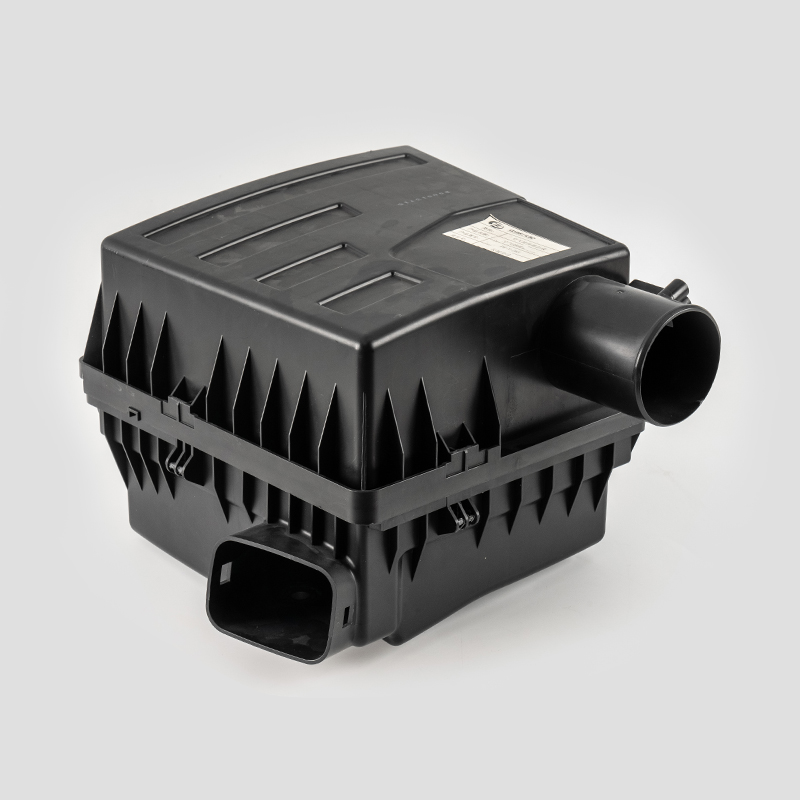
Great Wall A30 Automotive Engine Air Filtration System Housing Assembly
-
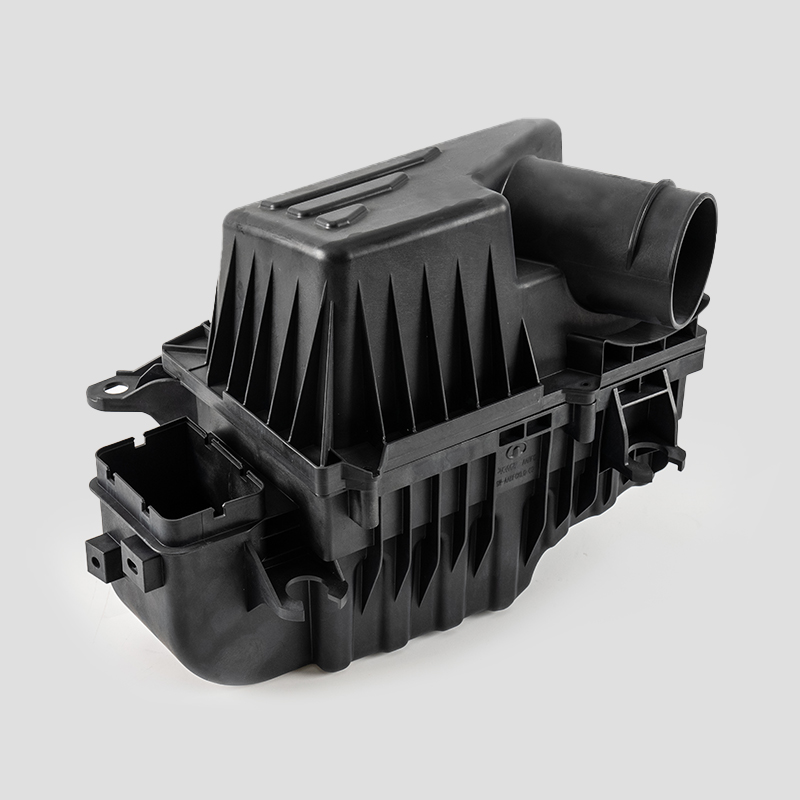
Great Wall B30 Automotive Engine Air Filtration System Housing Assembly
-
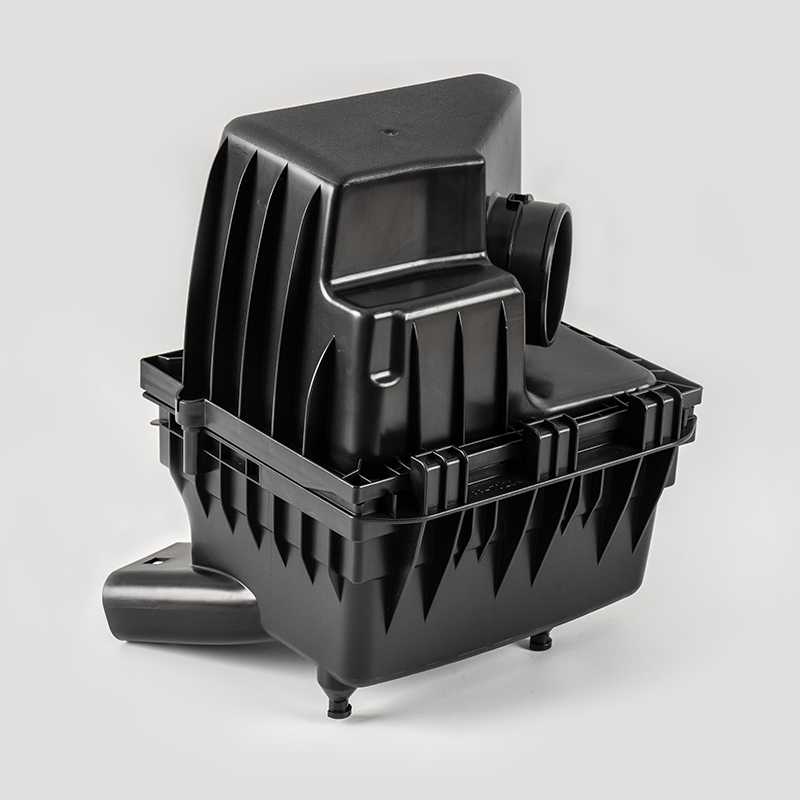
Great Wall Automotive Engine Air Filtration System Housing Assembly
-
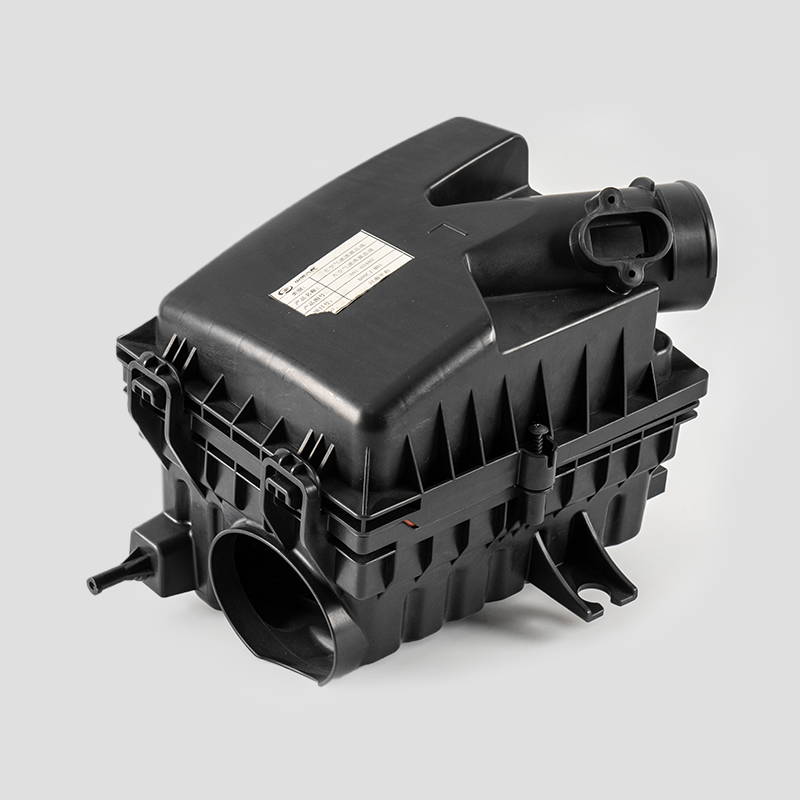
BAIC Automotive Engine Air Filtration System Housing Assembly
-
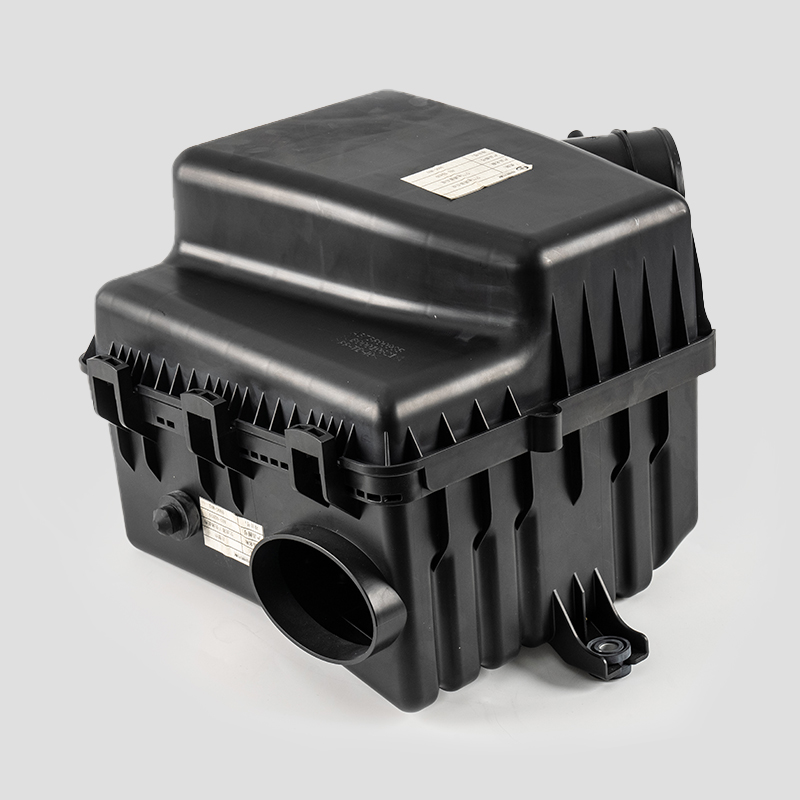
BAIC SUV Automotive Engine Air Filtration System Housing Assembly



Copyright © Ningbo Heyuan Auto Parts Co., Ltd. Rights Reserved. Custom Automobile Filter Parts Company OEM/ODM Automobile Filter Parts Manufacturer
