


 English
 Español
 عربى
عربى
Low Oil Pressure When Idle: Common Causes, Diagnostics, and How to Fix It
Content
- 1 What Does Low Oil Pressure at Idle Actually Mean?
- 2 Seven Most Common Causes of Low Oil Pressure at Idle
- 3 Interpreting Idle Oil Pressure Readings: What Is Normal and What Is Not
- 4 How to Diagnose Low Oil Pressure at Idle Step by Step
- 5 The Oil Filter's Role in Idle Oil Pressure
- 6 Oil Viscosity and Temperature: Why Hot Idle Pressure Drops
- 7 Repair and Prevention: From Quick Service to Full Overhaul
- 8 FAQ: Low Oil Pressure When Idle
- 8.1 Is low oil pressure when idle always serious?
- 8.2 What should oil pressure be at idle?
- 8.3 Why is oil pressure low at idle but normal at higher rpm?
- 8.4 Can a bad oil filter cause low oil pressure when idle?
- 8.5 How can I tell if the oil pressure sensor is faulty?
- 8.6 Will thicker oil fix low oil pressure at idle?
- 8.7 What is the difference between ECO oil filters and spin-on filters?
- 9 Bottom Line and Related Resources
The oil pressure warning light flickers when you come to a stop, then clears as soon as you give the engine a little throttle. If your car has a gauge, the needle drops toward the bottom at hot idle and climbs back when you accelerate. This is the classic picture of low oil pressure when idle, a complaint that causes more unnecessary engine replacements than almost any other oil-system failure, and one that causes just as many avoidable breakdowns when it is ignored.
Here is the conclusion up front: low oil pressure when idle is a condition that must be diagnosed in order of probability, not panic. The most common causes are a low oil level, oil that has thinned through heat or fuel dilution, a filter or pressure-relief fault, and only then internal wear such as main bearing or oil pump damage. In the majority of cases, a simple oil and filter service with the correct viscosity restores normal pressure. When it does not, the problem is usually mechanical, and continuing to drive will only increase the repair bill.
This guide explains what oil pressure reading is acceptable at idle, why the number drops when the engine is warm, how to check each suspect with basic tools, and when to stop driving. We will also cover how the oil filter behaves when it is clogged or bypassing, why viscosity matters more at idle than at any other speed, and a realistic maintenance plan for workshops and vehicle owners.
Act on the first warning: verify the reading with a mechanical gauge, then check oil level, oil condition, and filter before you assume major engine damage.
What Does Low Oil Pressure at Idle Actually Mean?
Oil pressure is the resistance the oil pump has to overcome to push oil through the filter, the main gallery, and the feed passages to the crankshaft bearings, rod bearings, camshaft journals, valve lifters, and top-end components. A minimum pressure ensures every bearing is filled with a load-bearing film of oil before metal touches metal. When engine speed drops to idle, the pump, which is driven by the crankshaft, slows down, flow decreases, and pressure falls to its lowest steady value of the drive cycle.
That is why idle pressure is the first parameter technicians check: if the system cannot hold a reasonable pressure when the demand is lowest, it cannot hold pressure when load and speed increase. An old workshop guideline says pressure should not fall below 10 psi for every 1,000 rpm of engine speed. On many four- and six-cylinder engines that translates to roughly 15 to 30 psi at a warm idle, and 45 to 70 psi above 3,000 rpm. In metric service data, 1 bar equals about 14.5 psi; many European manuals quote idle limits of 0.8 to 1.2 bar near operating temperature.
The table below lists typical values you might see on a healthy engine. These are ranges, not specifications: always compare against the number in your owner's manual or service data.
| Operating condition | Typical oil pressure | What to observe |
|---|---|---|
| Cold start idle | 40 to 70 psi | Oil is thick; relief valve controls maximum pressure |
| Warm idle, 80 to 100 degrees C oil temperature | 15 to 30 psi | Monitor the lowest steady reading |
| 2,000 rpm, warm | 30 to 50 psi | Pressure should build immediately with throttle |
| 3,000 to 4,000 rpm, warm | 45 to 70 psi | Compare with manufacturer data |
| Low-pressure warning threshold | 3 to 10 psi depending on engine | Many sensors trigger below 5 to 10 psi |
Two details confuse many owners. First, the original equipment pressure sensor is usually a simple switch that closes below a preset value, so you get a light, not a number. Installing a real gauge in the sensor port is the only reliable way to judge severity. Second, the location of the sender matters: some engines read pressure at the main gallery, while others read directly above the filter. A reading that seems low at one port may be perfectly normal at another.
Compare idle pressure against the engine-specific minimum, not against the needle position of the car next to you; 15 to 30 psi at hot idle is normal for most engines, while 10 psi or less demands investigation.
Seven Most Common Causes of Low Oil Pressure at Idle
Most low-pressure complaints trace back to a small group of repeat offenders. The list below follows the order a technician would normally check, because the cheapest and most common causes are also the easiest to confirm.
1. Low Engine Oil Level
The oil pump picks up from the sump through a strainer. One quart low may not matter on a straight road, but at a stoplight the oil can settle or slosh away from the pickup, the pump draws air intermittently, and pressure collapses. Always check the dipstick on level ground with the engine off for at least five minutes. Top up to the full mark and re-evaluate before replacing any parts.
2. Oil That Has Become Too Thin
Oil viscosity drops as temperature rises, and it also drops slowly with shear in service. Fuel dilution makes the problem worse, especially on cars with frequent short trips, leaking injectors, or a failing regeneration pattern. When the oil is too thin at operating temperature, it escapes through the bearing clearances quickly and the pump cannot keep up the pressure at idle. Smell the dipstick for fuel, look at the oil's color and consistency, and check whether the previous service used the correct grade.
3. Worn Main and Connecting-Rod Bearings
Bearings wear with mileage and with episodes of low oil pressure. As clearance grows, oil flows out of the sides of the bearing faster than the pump can feed it, and idle pressure drops first. A worn-engine signature is low pressure at idle that recovers as soon as revs rise, sometimes with a dull knock from the lower end when the engine is hot. A bearing clearance check and oil analysis are the definitive tests.
4. Failing or Worn Oil Pump
The oil pump itself wears, particularly if the oil has been run low or contaminated. Internal clearances increase, the gears or rotors lose their seal, and volumetric efficiency falls. A pump problem usually produces low pressure at both idle and higher speed, though idle is where the gauge first looks abnormal because there is less margin.
5. Pressure-Relief Valve Stuck Open
The relief valve is designed to limit maximum pressure by allowing oil to return to the sump when the system is cold or over-revved. If the valve sticks open, or a worn spring lets it open early, oil short-circuits back to the sump and system pressure drops at all speeds, including idle.
6. Clogged Oil Filter or Stuck-Open Bypass Valve
A severely clogged filter limits flow, and the bypass valve opens to keep oil moving. The result is filtered pressure low enough to trigger the warning at idle, plus unfiltered oil circulating through the engine. This is more common with overdue service intervals, cheap filter media that sheds fibers, or an engine that has been creating sludge. A correct-grade replacement filter restores normal circulation.
7. Faulty Oil Pressure Sensor or Gauge
The simplest cause, and the one most people hope for, is a false reading. Sending units fail with age, connections corrode, and wiring chafes near the alternator or exhaust. Fit a known-good mechanical gauge or a second electrical sender before you pull the oil pan. This step has saved many engines and many unnecessary tear-downs.
| Cause | Primary symptom | First check |
|---|---|---|
| Low oil level | Light flickers only on stops | Dipstick level; top up |
| Thin or fuel-diluted oil | Low pressure only when hot; oil smells of fuel | Oil and filter change at correct viscosity |
| Worn bearings | Idle pressure drops; lower-end noise; recovers with rpm | Oil analysis; bearing clearance check |
| Worn oil pump | Low pressure at all speeds | Pump pressure and flow test |
| Relief valve stuck open | Low pressure at all speeds; weak cold pressure | Inspect valve and spring |
| Clogged oil filter or bypass fault | Pressure drop at idle; overdue service | Replace filter; inspect bypass valve |
| Bad sensor or gauge | Inconsistent or pegged readings | Verify with mechanical gauge |
Start with level, viscosity, and filter, because together they account for most simple cases; treat the bearings and oil pump as suspects only after the cheap checks are cleared.
Interpreting Idle Oil Pressure Readings: What Is Normal and What Is Not
Oil pressure at idle is not a single universal number; every engine family has its own specification, and the reading depends on oil temperature, viscosity, engine wear, and sensor accuracy. A healthy engine with the correct 5W-30 grade usually holds between 15 and 30 psi at hot idle, while a cold engine can show 40 to 60 psi because the oil is far thicker. When pressure falls below roughly 10 psi at hot idle, most manufacturers consider the system unacceptable and request an inspection. The chart below compares a healthy baseline with five common fault conditions using representative readings. Use it as a diagnostic orientation tool, not as a substitute for your vehicle's service manual.
minimum specification at hot idle on many enginesThe first bar gives you a realistic healthy baseline: around 28 psi at hot idle, which satisfies the 10 psi per 1,000 rpm rule for most engines. Dropping the oil level by a single quart cuts that number roughly in half in many cases, which is why the level check always comes first. Fuel dilution and overheating thin the oil and push the pressure into the low teens. A clogged filter or a bypass valve that opens too early can pull the reading down to about 9 psi, below the typical warning threshold on many cars. Worn main and rod bearings usually take idle pressure down to 5 to 8 psi while the engine still runs quietly enough to be driven. A failing oil pump can drop the idle reading to only a few psi, and pressure rises weakly when you rev the engine. The dashed line on the chart marks the 10 psi threshold that many manufacturers treat as the lower limit at idle. Some pushrod V8s and older diesels idle at 10 to 15 psi for hundreds of thousands of miles without trouble. Conversely, a modern engine designed with lower internal friction may show a factory-specified idle pressure of only 12 psi. The trend matters more than the single digit: the same engine that used to read 35 psi and now reads 12 psi has a problem, even if the gauge still shows a number the manual calls acceptable. Never rely on the dashboard light alone to judge severity; use a mechanical gauge and compare warm idle, quick rev, and 2,000 rpm hold. A reading that recovers immediately when you rev the engine points toward clearance relationships, while a reading that stays low at all speeds points toward the pump, relief valve, or filter.
A low idle reading on its own is not the diagnosis; compare it to the engine's previous baseline and check how quickly pressure builds with rpm.
How to Diagnose Low Oil Pressure at Idle Step by Step
You do not need a workshop full of equipment to narrow down the cause. A mechanical oil pressure gauge, a clean cloth, the correct replacement oil and filter, and about an hour of time are enough for the first stage of diagnosis. The steps below follow the proven sequence used in service departments.
- Record the conditions: oil temperature, coolant temperature, engine speed, and gauge reading when the warning appears. Hot idle after a motorway exit is different from a cold start.
- Fit a mechanical gauge in place of the electrical sender, or use a known-good sender, and re-test at idle. Compare both readings to the manual specification.
- Stop the engine, wait five minutes, and check the oil level on level ground. Note the color, smell, and thickness of the oil on the dipstick.
- Confirm the oil change history: the grade used, the interval, and the brand or source of the filter. An air filter that has never been changed is a clue that the oil filter may also be overdue.
- Start the engine and watch the mechanical gauge as you accelerate to about 2,000 rpm. Pressure should climb immediately and hold steady.
- Listen at the rocker cover, the cylinder block, and the lower pan with a stethoscope for ticking lifters or a deeper bearing knock that disappears as rpm rises.
- Remove the oil filter and check its weight, media condition, and whether it carries the correct original-equipment cross-reference. Inspect the old oil for metallic particles against a bright light.
- If the filter, oil, and level are all correct and pressure is still low, remove the oil pan and inspect the pickup screen, oil pump gears, and bearing caps for visible damage.
Most diagnostic failures happen because people skip the mechanical gauge and start ordering pumps and sensors. The gauge removes guesswork: if a second instrument agrees with the dash warning, the problem is real; if not, you just saved the engine from an unnecessary disassembly. A closer look at what happens inside the filter during a service interval can be found in the NBHY maintenance library.
Never condemn the oil pump before the mechanical gauge confirms low pressure and the oil level, viscosity, and filter have been cleared.
The Oil Filter's Role in Idle Oil Pressure
The oil filter sits between the pump and the main gallery, so its condition has a direct influence on the pressure the bearings see. A filter that is doing its job adds a small amount of resistance, which is normal. The engineering problem starts when the media becomes saturated and the pressure drop across the filter rises enough to open the bypass valve.
The bypass valve is calibrated to open at a specific differential pressure, typically around 8 to 14 psi. When it opens, oil goes around the media to maintain flow, but the system pressure at the gallery can drop several psi at idle because the path of least resistance changes. At higher engine speeds the pump's volume compensates, which is why the symptom often appears only at idle. This is precisely why replacing a badly clogged oil filter can restore normal idle pressure in a car that has never received proper maintenance.
The anti-drainback valve is the second part affecting idle behaviour, though mostly on the first seconds after start. A worn drain-back valve allows the filter to empty into the pan while the engine sits; on restart, the pump must refill the filter and passages before pressure builds, causing a delay in the gauge and rattling lifters. At hot idle on an already warm engine this valve no longer matters, but a combination of a weak drain-back valve and a marginal pump can make the pressure warning appear within a minute of starting when the engine is still settling.
When you select a replacement, the design must match the engine family. Spin-on filters are used where the housing and filter are one replaceable unit; cartridge and ECO filters use a media pack that fits inside a reusable housing. Modern European applications very often use cartridge style, while many Japanese, Korean, and American engines continue with spin-on. For a Volkswagen 1.4 TSI family, a spin-on replacement such as the NBHY filter for the Jetta, Passat, and Touran 1.4T covers a widespread fitment.
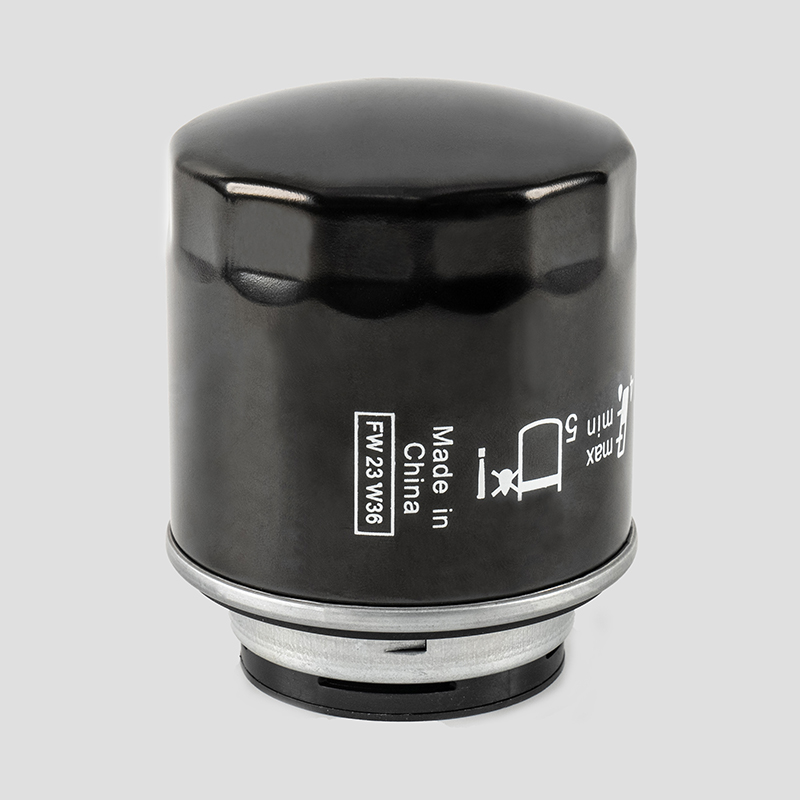 Volkswagen 1.4T Spin-on Oil Filter for Jetta, Passat, TouranThis spin-on oil filter matches the 03C115561E application for the VW 1.4 TSI engine family, offering a direct replacement for the specified Jetta, Passat, and Touran models.View Product →
On the cartridge side, the NBHY ECO oil filter range covers applications such as the Audi A6L and similar European sedans, following the original cavity dimensions and bypass behaviour.
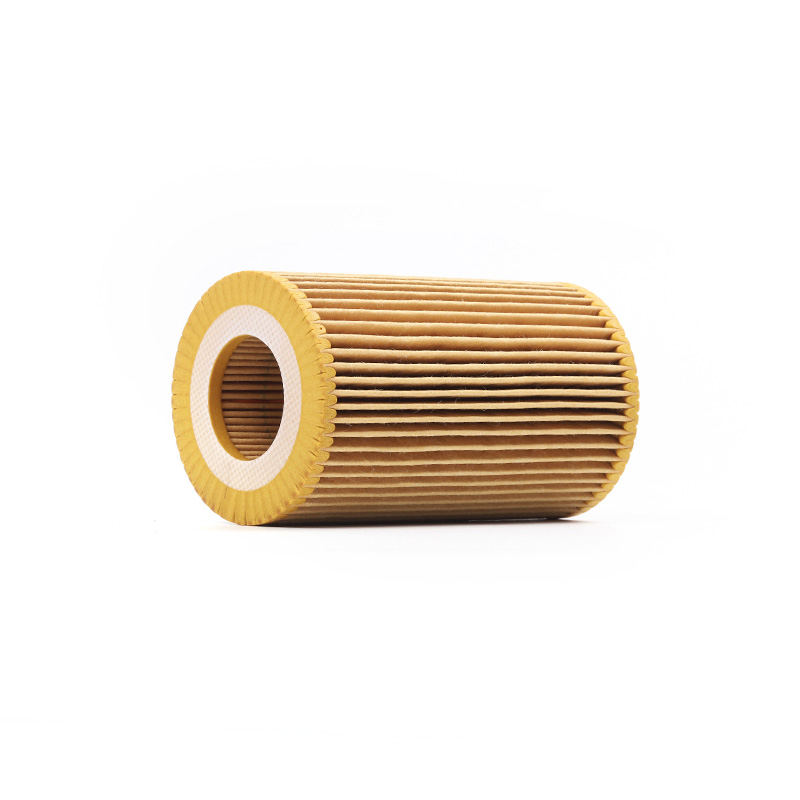 Audi A6L ECO Cartridge Oil Filter 06E115562BAn ECO cartridge oil filter engineered for the Audi A6L, preserving original cavity dimensions and bypass behavior, suitable for European sedans with extended service intervals.View Product →
Spin-on Oil Filter
|
Cartridge / ECO Oil Filter
|
Choose the filter by operating condition as well as by vehicle fitment. For a city car on a normal service interval, a standard oil filter with original-equipment-grade media is the safe default. For turbocharged direct-injection engines on extended oil-service plans, an ECO filter with higher-capacity synthetic media is usually a better match. For commercial fleets with frequent stops, towing, or long idling, a reinforced spin-on filter with a robust case and a stable bypass valve reduces the risk of pressure-related comebacks.
Standard City Use
OE-grade media, 5,000 to 7,500 mile interval, balanced bypass calibration for daily commuting. Extended Service / ECO
Higher-capacity synthetic media for 10,000 mile plus intervals; suited to turbo and direct-injection engines. Fleet / Heavy Use
Reinforced spin-on case, stable bypass valve, designed for frequent stops, towing, and extended idling.
The complete list of covered models and original-equipment references is available in the NBHY oil filter catalogue, organized by filter type and vehicle application.
The oil filter is a legitimate suspect in idle oil pressure complaints: a clogged element or a bypass valve opening early can pull the warm-idle pressure below the warning threshold, especially after long-overdue service intervals.
Oil Viscosity and Temperature: Why Hot Idle Pressure Drops
Viscosity is the single most important variable in oil pressure after wear and level. The same engine can show 45 psi at idle with cold 5W-30 and about half that value at operating temperature, simply because warm oil is thinner. The W grade defines winter or low-temperature behaviour, while the second number describes viscosity at 100 degrees C. When an engine is fully warm, the oil is at its thinnest, so the lowest pressure reading of the entire trip appears at a hot idle stopped at a traffic light.
| Oil grade | Typical hot idle pressure, healthy small engine | Best suited to |
|---|---|---|
| 0W-16 | 10 to 18 psi | Modern low-friction engines |
| 0W-20 | 12 to 20 psi | Late-model Asian and American engines |
| 5W-30 | 15 to 30 psi | Broadest manufacturer recommendation |
| 5W-40 | 20 to 35 psi | European turbo engines |
| 10W-40 | 25 to 40 psi | Older and high-mileage engines |
If the oil level is correct but the pressure at hot idle is a little low, switching to the next thicker grade can raise the reading. This is legitimate in some cases, but it is not a repair. Thicker oil only masks wear; it increases pumping losses, reduces fuel economy, and makes cold starts worse. Always start from the manufacturer's recommendation and only deviate with the engine builder's knowledge.
There are engines where low oil pressure at idle is normal. Some modern engines use a variable-displacement oil pump that shuts off part of the pump capacity at idle to reduce drag, so a hot-idle reading of only 8 to 12 psi is by design. Others place the sensor in a location that reads lower than the main gallery. If the owner's manual states the minimum idle pressure and your reading is above it, a low-looking number is acceptable. The problem is when the reading continues to fall week after week, which indicates wear or contamination rather than a calibration characteristic.
Thicker oil can move the needle but should never be used to hide a real mechanical problem; know the engine-specific minimum and confirm the cause before you change the grade.
Repair and Prevention: From Quick Service to Full Overhaul
Once the cause is identified, the repair ranges from a routine service to an engine rebuild. The table below matches the most common diagnoses with the appropriate corrective action. In a professional workshop environment, the cost difference between these options is huge, which is why the order of testing matters.
| Diagnosis | Typical repair | Expected result |
|---|---|---|
| Low oil level | Top up and inspect for leaks | Pressure normalizes immediately |
| Thin or fuel-diluted oil | Oil and filter change with correct grade | Pressure returns to specification |
| Clogged or wrong filter | Replace with original-equipment cross-referenced filter | Bypass closes; pressure recovers |
| Failed pressure sensor | Replace sender and repair wiring | Reading becomes accurate |
| Stuck pressure-relief valve | Clean or replace valve and spring | Full pressure returns at all speeds |
| Worn oil pump | Replace pump; clean pickup screen | Stable pressure at idle and load |
| Worn bearings | Replace bearings; regrind crank if needed | Long-term pressure restoration |
Prevention is simpler and far cheaper. Change the oil and filter at the interval that matches your driving pattern, not strictly at the calendar value; short-trip vehicles need shorter intervals because fuel dilution and water contamination accumulate faster. Use a filter with the correct bypass valve, anti-drain-back seal, and media rating for the engine family; an off-brand filter with a sloppy bypass spring can produce the exact symptom at idle. Keep the crankcase ventilation in good condition, because blow-by gases contaminate the oil and accelerate viscosity loss.
For workshops and wholesalers, the practical takeaway is that a reliable filter supply prevents repeat diagnostics. An oil filter that looks identical but has an incorrectly calibrated bypass valve will send the car back with the same warning light. This is why wholesale buyers usually choose a manufacturer with production experience and documented original-equipment cross-references. NBHY, for example, produces ECO, spin-on, and standard oil filters across thousands of vehicle fitments, with media selection, bypass calibration, and casing design matched to original part numbers.
If the engine has already suffered bearing damage, no filter or oil additive will repair it. Stop-and-go driving with a flashing oil light at idle is how a small service becomes a complete lower-end rebuild. The cheap insurance is a mechanical gauge and one hour spent checking level, viscosity, and filter before booking the car for major work.
Prevent low idle pressure with the maintenance triangle: correct oil level, correct viscosity, and a filter with validated bypass calibration; never drive repeatedly with the oil pressure light on.
FAQ: Low Oil Pressure When Idle
These are the questions workshop customers ask most often when the oil pressure warning appears at idle.
Is low oil pressure when idle always serious?Not always, but it deserves a quick check. A dirty sensor, a low oil level, or the natural behaviour of a variable-pressure pump can all trigger the light without internal damage. The serious threshold is when a mechanical gauge confirms low pressure and the engine is noisy; at that point, driving further risks bearing failure. |
What should oil pressure be at idle?Most petrol engines run 15 to 30 psi at warm idle with the correct viscosity; many diesel engines run slightly higher. A common lower limit is 10 psi at hot idle for general-purpose engines. Always use the manufacturer's figure from the service manual, because some modern engines are designed to idle in the 8 to 12 psi range. |
Why is oil pressure low at idle but normal at higher rpm?Because the oil pump turns with the crankshaft: more speed, more flow, more pressure. If the engine drops pressure only at idle, suspect worn bearings, a slightly weak pump, a bypassing filter, or low oil level. The pressure that matters is the minimum value at the lowest normal idle speed, so do not accept a low reading just because it improves when you rev the engine. |
Can a bad oil filter cause low oil pressure when idle?Yes. A clogged filter element or a bypass valve that opens too early can reduce gallery pressure at idle, while the pump's higher output at speed covers the deficiency. Replacement with a filter that has the correct bypass calibration, such as the original-equipment cross-referenced NBHY filters designed for each engine family, usually resolves the symptom. |
How can I tell if the oil pressure sensor is faulty?Install a mechanical gauge in the sensor port and compare readings. If the mechanical gauge shows normal pressure while the dash warning stays on, the sensor, the wiring, or the cluster is at fault. If both agree, the low pressure is real and you should continue diagnosis. |
Will thicker oil fix low oil pressure at idle?It can raise the reading, but it is a temporary fix. Thicker oil masks increased clearances and adds drag, hurting fuel economy and cold-weather starts. Use it only if the manufacturer allows it for high-mileage engines, and only after you have ruled out filter, level, and pump problems. |
What is the difference between ECO oil filters and spin-on filters?An ECO filter is a cartridge that holds only the media pack and installs into a reusable housing; a spin-on filter includes the housing and media in a one-piece can. They are not interchangeable, so always follow the original design. Both types are available in the NBHY range, with bypass valves and anti-drain-back seals matched to the original specification. |
Use this FAQ as a triage tool: when in doubt, fit a mechanical gauge and confirm the reading before you decide whether the car stays in service.
Bottom Line and Related Resources
Low oil pressure when idle is a warning that should be read calmly and checked quickly. The test sequence is short: verify with a mechanical gauge, inspect level and oil condition, check the filter and service history, then move to the pump and bearings. In most cases the fix is an oil and filter service with the correct viscosity. In the remaining cases, the information you collected is exactly what a workshop needs to plan a precise repair.
For businesses that buy filters for resale or workshop use, the lesson is consistency. A filter that does not match the original bypass pressure, gasket dimension, or drain-back behaviour can create puzzling pressure complaints and costly comebacks. Working with a manufacturer that documents original-equipment cross-references and builds filter lines for specific engine families reduces that risk. NBHY is a filter manufacturer and wholesale supplier with 30 years of production experience, an annual output of more than 50 million filter elements and assemblies, and quality management based on ISO/TS16949 and ISO9001 systems. Its catalogue covers air, oil, fuel, and cabin filters as well as injection-moulded housings, blow-moulded ducts, and rubber air hoses, making it a practical single source for workshops, wholesalers, and distributors.
Related reading on the NBHY site:
How does your car's oil filter work?
Oil filter products and applications
The cheapest engine repair is the one done before the warning light becomes permanent: verify the reading, service the oil and filter, and only open the engine when simple and mechanical causes have been separated.
Related Products
-
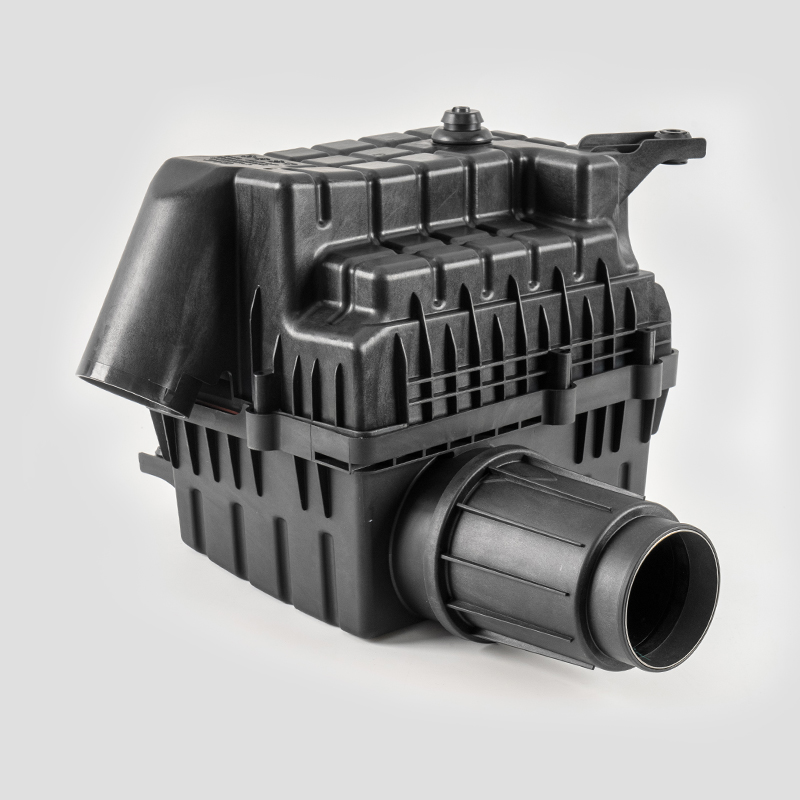
GAC A57 Automotive Engine Air Filtration System Housing Assembly
-
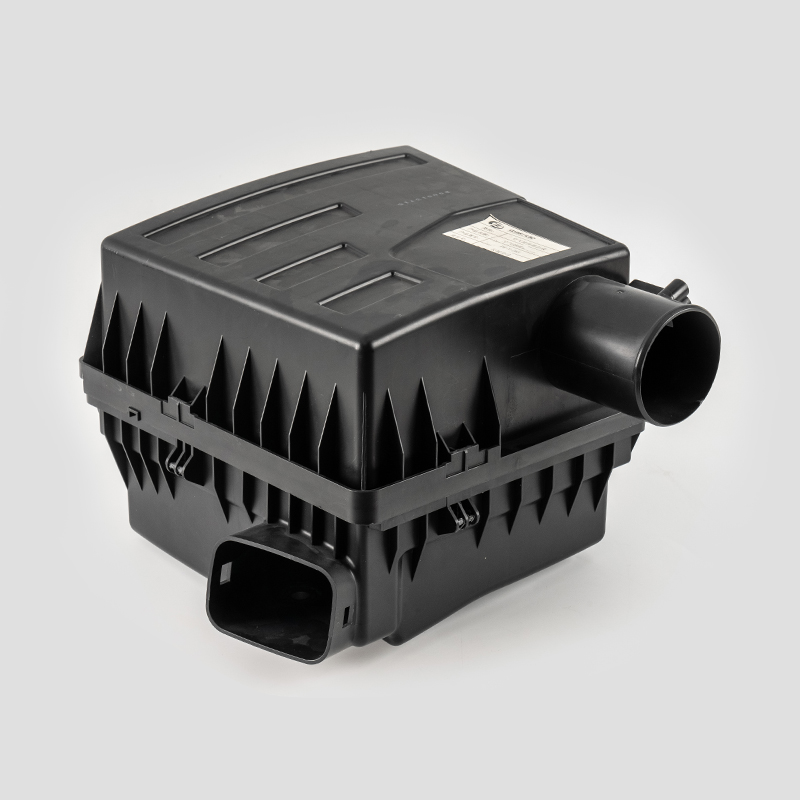
Great Wall A30 Automotive Engine Air Filtration System Housing Assembly
-
Great Wall B30 Automotive Engine Air Filtration System Housing Assembly
-
Great Wall Automotive Engine Air Filtration System Housing Assembly
-
BAIC Automotive Engine Air Filtration System Housing Assembly
-
BAIC SUV Automotive Engine Air Filtration System Housing Assembly



Copyright © Ningbo Heyuan Auto Parts Co., Ltd. Rights Reserved. Custom Automobile Filter Parts Company OEM/ODM Automobile Filter Parts Manufacturer
