


 English
 Español
 عربى
عربى
How Many Air Filters Does a Car Have? Engine and Cabin Air Filter Guide
Content
- 1 How Many Air Filters Does a Car Have? Two Filters, Two Very Different Jobs
- 2 Engine Air Filter: Protecting the Combustion Process
- 3 Cabin Air Filter: Cleaning the Air You Breathe
- 4 Are There Other Air Filters Lurking Under the Hood?
- 5 Typical Replacement Intervals for Both Air Filters
- 6 How to Check Whether Either Filter Really Needs Replacing
- 7 What to Consider When Buying Replacement Air Filters
- 8 Common Mistakes When Replacing Air Filters
- 9 Frequently Asked Questions
- 9.1 Do all cars have two air filters?
- 9.2 Can I clean and reuse an engine air filter?
- 9.3 Does a dirty cabin air filter affect fuel economy?
- 9.4 How often should I replace both air filters?
- 9.5 Do electric vehicles have air filters?
- 9.6 Do I need to change both air filters at the same time?
- 9.7 Can a bad cabin air filter cause damage to the air conditioning system?
- 10 Final Takeaway
Most cars have two air filters: an engine air filter and a cabin air filter. The engine air filter sits inside the air intake housing under the hood and cleans the air that mixes with fuel in the combustion chamber. The cabin air filter sits behind the glove box or under the dashboard and cleans the air flowing into the passenger compartment through the HVAC system. If you have been asking yourself "how many air filters does a car have," the direct answer for a typical gasoline or diesel passenger vehicle is two. Some commercial vans and stripped work trucks skip the cabin filter, while certain hybrid and electric models add extra filtration for the cabin or the battery cooling system. The cleanest way to confirm the exact count is to check your owner's manual or look up the parts diagrams for your VIN.
Most modern cars have two air filters: one for the engine intake and one for the cabin. Confirm the exact number for your vehicle in the owner's manual.
How Many Air Filters Does a Car Have? Two Filters, Two Very Different Jobs
Although both components are called air filters, they perform completely different duties and are under completely different stresses. The engine air filter is a performance and protection part: it keeps abrasive particles away from cylinder walls, piston rings, and mass air flow sensors. The cabin air filter is a comfort and health part: it reduces the dust, pollen, exhaust particles, and microbial matter that passengers would otherwise breathe.
Some online sources talk about "seven filters in a car" because they include the oil filter, fuel filter, transmission filter, and hydraulic filters in one single count. That number mixes several separate fluid systems together. When the question is specifically about air filters, the correct answer stays at two for the vast majority of cars: one for the engine and one for the cabin. This distinction matters because the replacement intervals, symptoms, and costs of the two air filters are completely different.
| Aspect | Engine Air Filter | Cabin Air Filter |
|---|---|---|
| Air being filtered | Intake air entering the engine | Cabin air entering the passenger compartment |
| Typical location | Under the hood, inside the air intake housing | Behind the glove box or under the dashboard |
| Replacement interval | Every 15,000–30,000 miles | Every 15,000–25,000 miles |
| Effect when clogged | Less power, higher fuel use, rough idle | Weak airflow, odors, increased dust in cabin |
| Typical cost range | $15–$40 | $15–$50 |
The engine filter and cabin filter are replaced independently. A vehicle can have a clean engine filter and a badly clogged cabin filter, or the opposite, depending on usage patterns. Service intervals in the table are typical values; European vehicles often follow similar mileages, while Japanese and Korean models tend to express the same intervals in months or kilometers. A dusty region shifts both filters toward the shorter end of the range.
The two air filters are independent service items; a clean engine filter does not guarantee a clean cabin filter.
Engine Air Filter: Protecting the Combustion Process
The engine air filter is usually a rectangular or cylindrical panel of pleated paper, cotton, or synthetic media enclosed in a hard plastic housing. Air enters through the intake duct, passes through the filter media, and travels to the throttle body and intake manifold. Any particle large enough to score a cylinder wall causes gradual wear that no oil additive can reverse. The filter is therefore the first line of defense for the entire fuel and combustion system.
Filters are rated by their ability to trap particles while maintaining low airflow resistance. A filter with high initial efficiency but excessive restriction will starve the engine at high RPM; a filter with very open media may allow fine dust to pass through and gradually wear the engine. Original-equipment specifications balance these two factors, which is why replacement filters should match OE dimensions and media grade rather than simply looking similar.
Where a Clogged Engine Air Filter Shows Up
As the media loads with dirt, intake restriction increases. The engine control unit compensates with different fuel trims, but the physical limit appears first at wide-open throttle. Noticeable symptoms include reduced acceleration, a slightly rough idle, and fuel economy that drifts downward in city driving. At the same time, even a partially clogged filter raises intake restriction. As explained in our guide on how air filters improve engine efficiency, the pressure drop across the filter media matters more than most drivers realize.
Under dusty conditions, the visible side of the filter can look clean while dirt accumulates deep inside the pleats. That is why a simple glance is not enough. Folding the pleats apart and checking the inner surfaces gives a much better picture of the actual condition.
- Loss of power when accelerating or climbing a grade
- Hesitation or stumbling during wide-open throttle
- Fuel consumption increases by several percent, most noticeable in the city
- Black soot on the inner side of the intake duct, suggesting incomplete combustion
- Check-engine light caused by intake-related misfire codes
Whatever vehicle you drive, selecting the correct filter element matters as much as changing it on time. For example, the NBHY replacement air filter for the Toyota Camry (OE 17801f0060) is designed to match the original dimensions, gasket profile, and filtration area so the housing seals correctly.
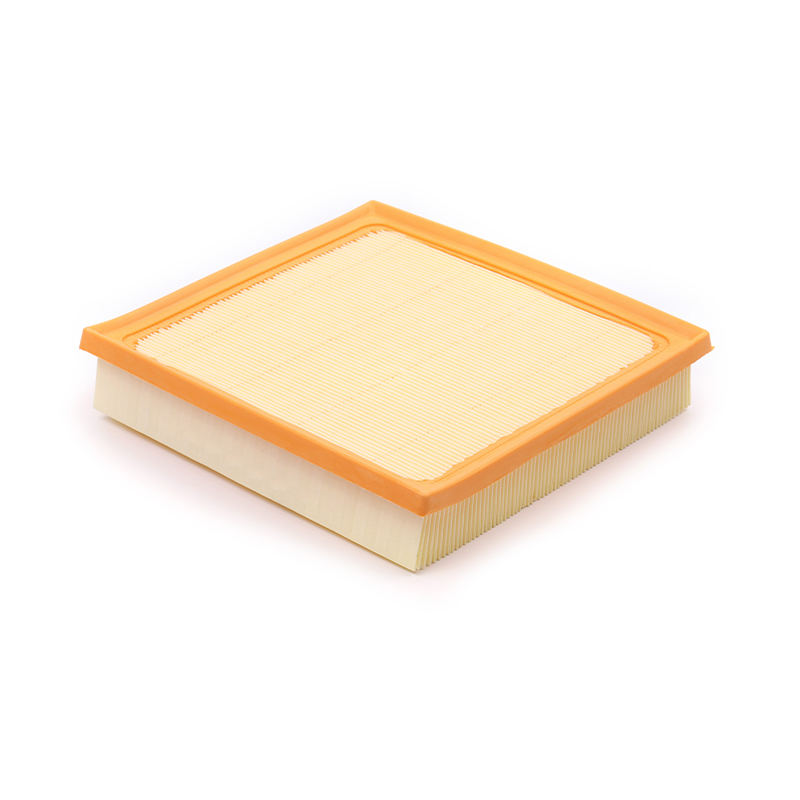 NBHY Replacement Air Filter for Toyota Camry (OE 17801-F0060)This replacement element matches the original dimensions and sealing profile for the Camry, ensuring proper housing closure. Its multi-layer cotton gauze construction is built for low restriction and durable filtration performance.View Product →
On many modern cars, the air filter is not sold alone but as part of a housing assembly with resonance chambers, inlet pipes, and outlet ducts. Some maintenance providers replace the whole housing instead of the element, which is rarely necessary. As long as the housing, rubber seal, and ducts are intact, changing only the filter element is the correct and economical approach. NBHY production covers the injection-molded housings, inlet pipe assemblies, outlet system housings, and rubber air ducts behind these systems, which is why the company can match the geometry of the whole intake path, not just the media.
Replace the engine air filter immediately when intake restriction becomes noticeable. Delaying replacement is false economy: the small saving on the part is usually offset by higher fuel use and accelerated engine wear.
Cabin Air Filter: Cleaning the Air You Breathe
The cabin air filter works on a much smaller air volume than the engine filter, but the air passing through it is the air you actually breathe. It sits at the inlet of the HVAC system, upstream of the evaporator and heater core. As the blower fan pulls outside air into the car, the filter catches road dust, pollen, brake dust, and in urban areas, diesel soot. When the system is set to recirculation, the same filter also collects particles released from the interior, such as fibers and food smells.
Cabin filters are lightweight compared to engine filters, and the replacement procedure on many models takes only a few minutes. That makes the cabin filter one of the quickest maintenance items on a modern car, but it is also easy to forget because the car still drives fine with a dirty cabin filter. The blower keeps pushing air through a blocked filter at reduced volume, and passengers often adapt to the weaker airflow without noticing the gradual change.
Main Types of Cabin Filter Media
Choose the media type based on your local air quality and whether anyone in the car suffers from allergies:
-
Standard particulate
Pleated non-woven media that traps dust, pollen, and coarse particles. Best for clean suburban and rural areas. It is the most cost-effective choice.
-
Activated carbon
Adds a carbon layer that absorbs odors, ozone, and some chemical vapors. Recommended for heavy city traffic, tunnels, and areas with industrial emissions.
-
HEPA / electrostatic
Captures fine airborne particles including many sub-micron pollutants. Makes sense for allergic drivers, but it must still fit the original frame dimensions.
The gap between a cheap cabin filter and a good one becomes obvious in wet weather. A weak frame can deform when wet, allowing unfiltered air to bypass the media. The air quality inside the cabin then returns to the same level as the street outside. In high-humidity climates, a cabin filter that stays wet accelerates the growth of fungal colonies on the evaporator. Replacing the filter and running the blower on high for ten minutes helps dry the system. Some workshops recommend treating the evaporator with a cleaning foam once a year, especially for vehicles used in short urban trips with the air conditioning always on.
Replacement quality varies widely among cabin filters. A filter with thin media and a weak frame may collapse during installation or leave gaps at the edges. For popular models such as the Corolla, Camry, and Crown families, NBHY supplies a cabin filter with media structure and dimensions matched to the OE specifications (8713006060 family).
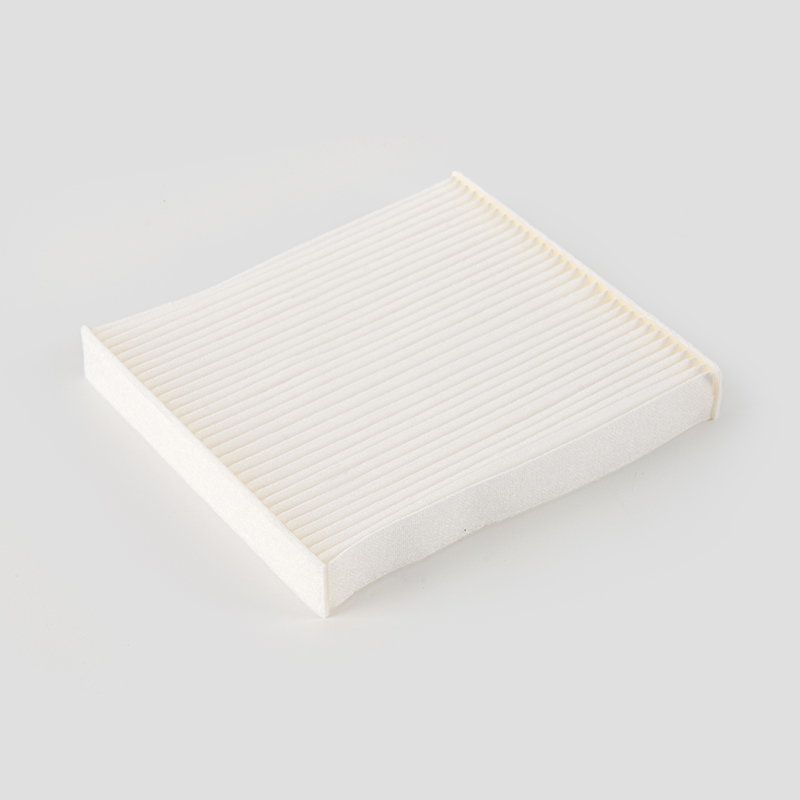 NBHY Cabin Filter for Toyota Corolla, Camry, Crown and RAV4 (OE 87130-06060)Designed to original specifications for several Toyota models, this cabin filter maintains consistent media structure and edge sealing, preventing bypass and collapse during installation while preserving HVAC airflow and cabin air quality.View Product →
Signs That the Cabin Filter Has Reached Its Limit
- Airflow from the dashboard vents drops noticeably even at maximum fan speed
- Unpleasant smells arrive when cooling or heating first starts
- Dust appears on the dashboard shortly after cleaning
- Windows fog up more easily because the moist air passes through a blocked filter
- Windscreen demisting feels slower in cold weather
Replace the cabin filter as soon as you detect reduced airflow or an odor change. The filter is cheap relative to HVAC cleaning, and delaying replacement allows the evaporator to collect the same contamination.
Are There Other Air Filters Lurking Under the Hood?
Besides the two main air filters, some vehicles use small additional air filtration elements. These are often overlooked because they are not listed as regular service items in the maintenance schedule. The total filter count on a car usually reaches four or more when you include the oil filter, transmission filter, and fuel filter, but the question "how many air filters does a car have" refers specifically to air-handling elements. The maintenance answer stays at two for most vehicles.
- Crankcase ventilation filter: fitted to some European and Asian engines, mounted on the rocker cover or the oil separator line.
- Transmission breather filter: used on certain SUVs and heavy-duty models to stop dirt entering the gearbox vent.
- Brake booster vacuum filter: a tiny foam or paper element in the vacuum line of some diesel and direct-injection engines.
- EV battery cooling filter: appears on some electric and hybrid vehicles with a forced-air battery cooling fan.
These extra elements do not change the official answer to "how many air filters does a car have" for maintenance planning. They are rarely sold or replaced as frequently as the two main filters. If you run a workshop, including them in a point-by-point inspection checklist helps catch failures that other shops miss and builds trust with customers.
Additional air filtering elements exist on some models, but they do not change the core answer: the engine air filter and the cabin air filter are the two parts you should track on your service schedule.
Typical Replacement Intervals for Both Air Filters
Both air filters follow service intervals that vary by vehicle model and driving conditions. A common recommendation is to inspect the engine air filter at every oil change. For most gasoline cars, the typical replacement window falls between 15,000 and 30,000 miles. Cabin air filters are usually specified for replacement every 15,000 to 25,000 miles. The chart below compares these typical service-life ranges on popular passenger vehicles.
The chart shows two clear patterns. First, both air filters share a similar lower service limit, usually around 15,000 miles. Second, the engine air filter has a wider window because it receives cleaner air in most driving situations. A cabin filter, by contrast, ages faster in dusty, industrial, or high-traffic environments. Many drivers replace the engine air filter every second oil change while ignoring the cabin filter completely. In our experience supplying air filters to overseas workshops and distributors, we see filters replaced too early out of habit and others replaced too late because nobody inspected them. A better approach is to inspect both filters twice a year and replace them when visual signs of clogging appear, rather than relying only on mileage. If you live in an area with high pollen or winter road salt, expect the cabin filter to need replacing at the shorter end. For mostly highway driving at moderate speeds, the engine air filter can often reach the longer end without noticeable drivability issues. Short trips, heavy traffic, and dusty roads shorten both intervals. The inspection method described in the next section takes less than ten minutes and requires no special tools.
Use the 15,000–30,000 mile window as a planning tool, not a fixed rule; inspect both filters against real driving dust load before deciding to replace them.
How to Check Whether Either Filter Really Needs Replacing
Manufacturers tell you an interval, but the only reliable way to know the condition of a filter is to look at it. The following two-column guide walks through both checks without any special tools. It also prevents unnecessary replacements: a slightly dusty filter can stay in service, while a loaded filter can be swapped during the same visit.
Engine air filter check
|
Cabin air filter check
|
An engine filter should not be washed. Compressed air can extend the life of a lightly dusty filter by a short period, but it also blows out the smaller dust particles that are already trapped inside the paper. Most manufacturers recommend replacement rather than cleaning. If the filter shows oil stains, check the crankcase breather system before fitting a new element, because oil-soaked media will not hold its structure or filtration efficiency.
A visual inspection of both filters takes minutes and saves money by replacing parts only when they are actually dirty, not on a fixed schedule.
What to Consider When Buying Replacement Air Filters
Both engine and cabin filters are low-cost, high-volume replacement parts. Prices differ, but the real value lies in correct fit and filtration quality. The filter you choose has to match the housing, survive temperature and moisture changes, and maintain its structure through thousands of miles of airflow. A cheap filter that collapses in hot weather or lets dust pass through the media ends up costing far more than the amount saved at the counter.
- OE number match: the original part number printed on the filter frame leads to the correct replacement more reliably than a vehicle brand and year alone.
- Media quality: the pleat depth, density, and resin coating determine how much dust the element holds before restriction becomes a problem.
- Sealing profile: the gasket or foam edge must seat firmly inside the housing; a thin gasket that rolls off under vibration lets unfiltered air past.
- Supplier traceability: a batch from a known manufacturer gives consistent quality; an unlabeled filter with a printed logo teaches nothing about what is inside.
For workshops, distributors, and exporters, working with a parts manufacturer or wholesale supplier who can guarantee batch traceability is often more important than price alone. NBHY operates as a trading and manufacturing company with roughly 30 years of production experience, manufacturing over 50 million filter units per year. Products are developed with CAD, tested on production and test equipment, and manufactured under ISO/TS16949:2009 and ISO9001:2000 quality systems. That gives importers, wholesalers, and service chains a single supplier covering air, cabin, fuel, oil, and specialty filters.
To narrow down the available options, browse the complete air filter catalog and match the part number to your vehicle before placing an order.
Choose a replacement air filter by OE number and supplier documentation first; the lowest price only looks cheap until a poor filter lets dust pass through.
Common Mistakes When Replacing Air Filters
Even experienced drivers sometimes make mistakes during filter replacement. These are the most frequent ones seen when workshops receive warranty claims or fit issues:
- Buying by brand and model instead of OE number, then forcing a slightly wrong filter into the housing.
- Installing the cabin filter upside down because the airflow direction arrow on the frame was not read.
- Over-tightening the clips of the engine filter housing and cracking the plastic lugs.
- Reusing a hardened foam gasket, which leaves a gap around the media.
- Cleaning a heavily loaded disposable filter with compressed air and refitting it, which only pushes fine dust deeper into the media.
Most of these problems come from the belief that "a filter is just a filter". In reality, the housing, frame, gasket, and media work together as a system. A millimeter of clearance difference can cause vibration, filter movement, or bypass. When a part number matches the OE specification, installation becomes a ten-minute job with no surprises and no need to force anything into place.
Most air filter fit problems are caused by parts bought without matching the OE number, not by the installation itself.
Frequently Asked Questions
-
Do all cars have two air filters?
No. Most gasoline and diesel passenger cars have an engine air filter and a cabin air filter, so the common answer to "how many air filters does a car have" is two. Some commercial vans and older base trims do not include a cabin filter, while certain electric cars have no engine air filter but still have a cabin filter.
-
Can I clean and reuse an engine air filter?
Paper and synthetic disposable filters are designed to be replaced, not washed. Cleaning with water or soap destroys the media structure. Some reusable cotton and foam filters exist, but they require oiling after washing and are normally fitted only in performance aftermarket intake systems.
-
Does a dirty cabin air filter affect fuel economy?
It does not directly affect engine fuel consumption, because the HVAC blower motor is electrically driven. However, a blocked cabin filter makes the blower work harder, raises electrical load, and can reduce EV range. On a combustion car, the effect is a weaker airflow and slower demisting rather than higher fuel use.
-
How often should I replace both air filters?
As a general rule, inspect both at every oil change. Replace the engine air filter when light no longer passes through the media, and replace the cabin filter when airflow drops, odors appear, or the pleats look fully loaded. Most drivers end up replacing each filter roughly once or twice a year depending on mileage and driving conditions.
-
Do electric vehicles have air filters?
An EV has no engine air filter, but it almost always has a cabin air filter. Some EVs with a cooled battery also use a small filter for the battery cooling intake. In practice, therefore, an EV usually has one air filter that serves the cabin, and possibly a second one in the cooling fan duct.
-
Do I need to change both air filters at the same time?
No, the two filters are independent. You can replace the engine filter now and the cabin filter next month. Synchronizing them is convenient for service scheduling, but their wear rates depend on completely different environments: the engine filter reacts to intake air dust, while the cabin filter reacts to HVAC usage and passenger exposure.
-
Can a bad cabin air filter cause damage to the air conditioning system?
Left unchanged for too long, a clogged cabin filter reduces airflow across the evaporator coil. The evaporator can then run colder than normal, risking ice formation in humid climates. The blower motor also operates under higher back pressure, which shortens its lifespan. So the damage is indirect but real.
The simple rule is: two air filters on most cars, inspect both regularly, replace on visual condition, and choose an OE-matched filter from a traceable manufacturer.
Final Takeaway
To summarize, the answer to "how many air filters does a car have" is two for most modern cars: an engine air filter and a cabin air filter. Both need regular inspection rather than blind adherence to a fixed mileage. The engine air filter protects engine wear and driving performance; the cabin air filter protects passenger health and HVAC comfort. When buying replacements, match the OE product number, choose a supplier with documented quality control, and install the new filter with the correct orientation.
For workshops and individual owners alike, the direct benefit of understanding the two-filter system is straightforward: fewer unnecessary replacements, fewer missed services, and no confusion when a vehicle arrives with one filter clean and the other packed with dust. A simple visual check, performed twice a year, gives you everything you need to make the right call.
Count two air filters on most cars, inspect them twice a year, replace them by visual condition, and always match the OE number before buying.
Related Products
-
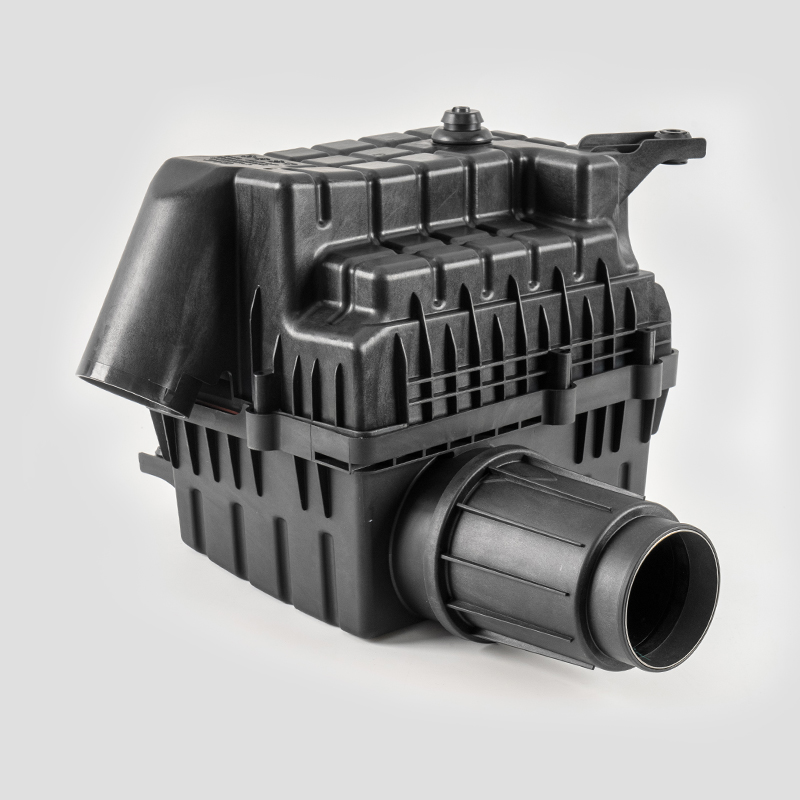
GAC A57 Automotive Engine Air Filtration System Housing Assembly
-
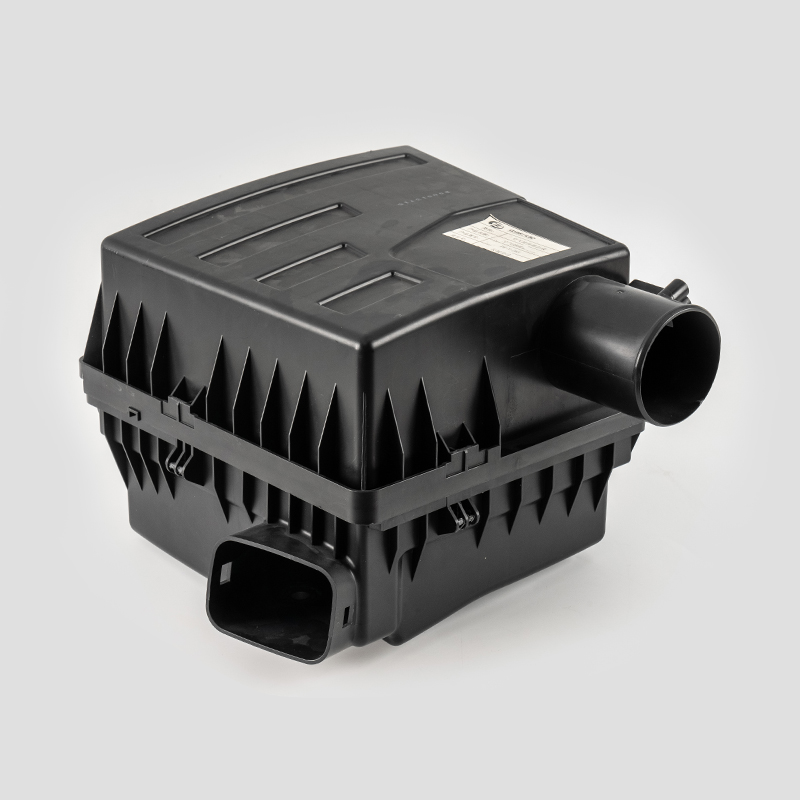
Great Wall A30 Automotive Engine Air Filtration System Housing Assembly
-
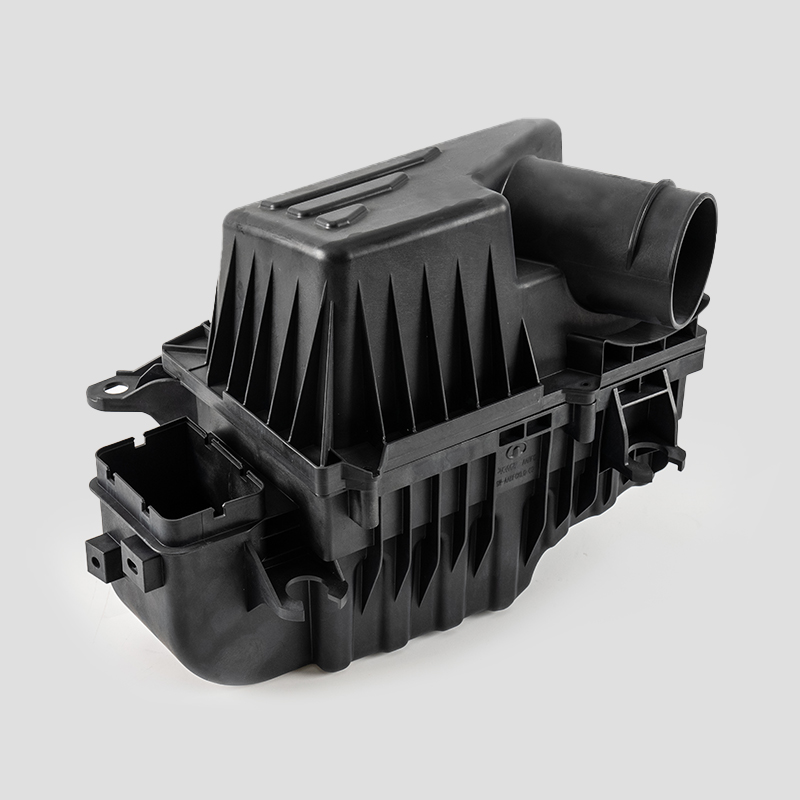
Great Wall B30 Automotive Engine Air Filtration System Housing Assembly
-
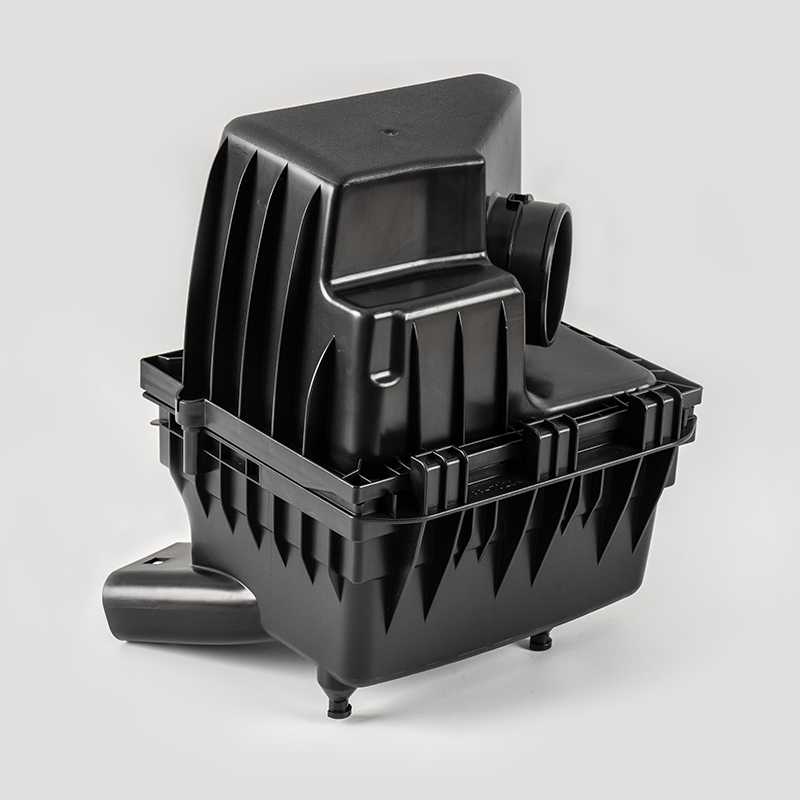
Great Wall Automotive Engine Air Filtration System Housing Assembly
-
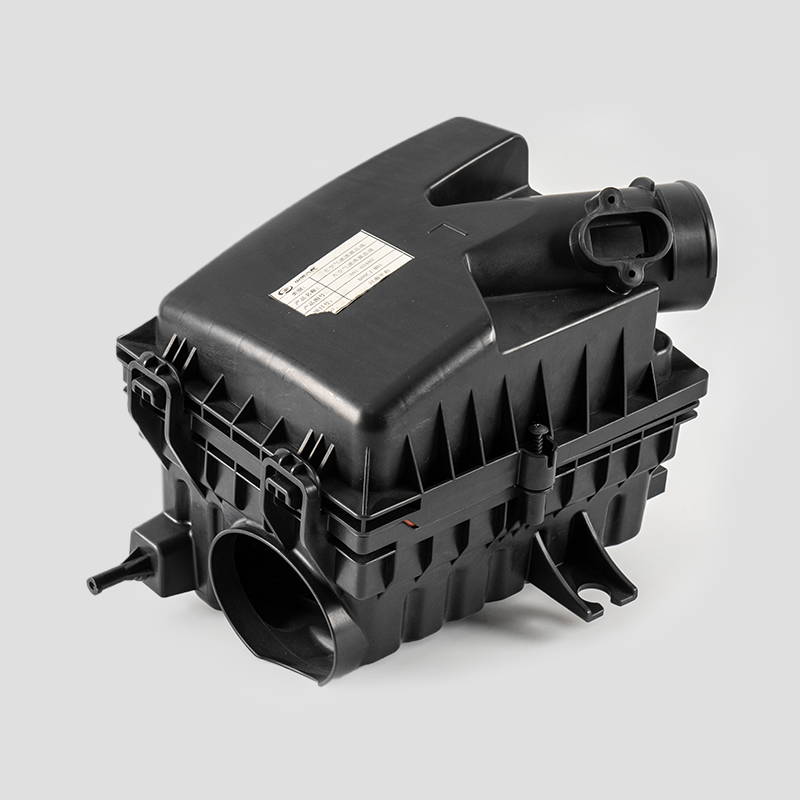
BAIC Automotive Engine Air Filtration System Housing Assembly
-
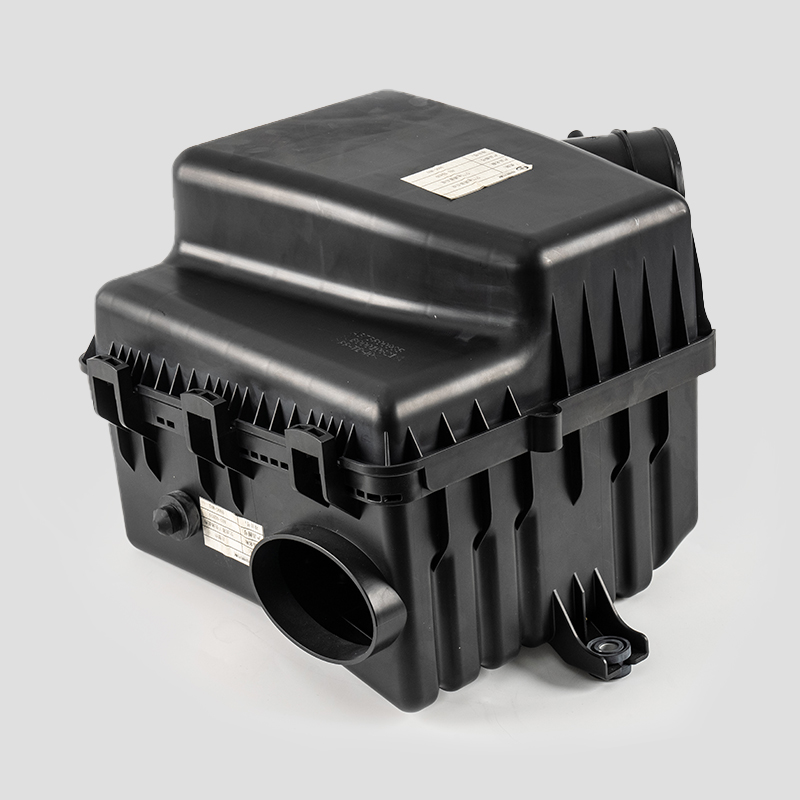
BAIC SUV Automotive Engine Air Filtration System Housing Assembly



Copyright © Ningbo Heyuan Auto Parts Co., Ltd. Rights Reserved. Custom Automobile Filter Parts Company OEM/ODM Automobile Filter Parts Manufacturer
