


 English
 Español
 عربى
عربى
Understanding Excessive Oil Consumption: Causes, Prevention, and Repair
Content
- 1 What Counts as Excessive Oil Consumption?
- 2 Common Root Causes of Excessive Oil Consumption
- 3 How to Diagnose Excessive Oil Consumption
- 4 The Hidden Role of Air, Oil, and Fuel Filters
- 5 Which Causes Are Most Common?
- 6 Selecting Quality Filters: A Guide for Workshops and Wholesalers
- 7 Preventive Maintenance to Limit Oil Loss
- 8 FAQ About Excessive Oil Consumption
- 9 Related Resources
Seeing the low oil pressure warning light come on between changes is never good. When a modern engine begins burning or losing oil at a rate that demands top-ups every few hundred miles, professionals call that excessive oil consumption. It is not a single failure, but a symptom with multiple possible roots, from worn piston rings to a clogged crankcase ventilation system. The quicker you diagnose it, the more you save on avoidable overhaul. In this guide, we explain what counts as excessive oil consumption, how to trace the causes, and why air, oil, and fuel filter choices matter in prevention.
What Counts as Excessive Oil Consumption?
There is no magic number that fits every engine, but most OEMs tolerate a small amount of natural oil loss. A commonly used benchmark is one quart per 1,500 to 3,000 miles under normal driving. If your car needs a top-up before 1,000 miles, or if oil consumption accelerates with mileage, it is excessive.
European and Asian manufacturers often set stricter limits. Some BMW, Audi, and Toyota service manuals specify up to 1 quart per 750 miles as "in spec", but that is widely considered too high by independent techs. For a practical rule, any consumption above 0.1% of fuel consumption means you have a problem worth investigating.
Also distinguish between consumption and loss. Blue smoke from the tailpipe signals burning oil. A wet oil pan or stained engine block indicates a leak. Both lead to low levels, but the fix is completely different.
| Engine type | Acceptable range | Excessive above |
|---|---|---|
| Modern petrol | 0.5–1.0 qt per 3,000 mi | 1 qt per 1,000 mi |
| Modern diesel | 1.0–1.5 qt per 3,000 mi | 1 qt per 800 mi |
| Turbocharged | Up to 1 qt per 1,200 mi | 1 qt per 600 mi |
| High-mileage engine | Up to 1 qt per 1,000 mi | 1 qt per 500 mi |
Conclusion: Track your oil level at every fuel fill. If consumption passes about 1 quart per 1,000 miles, stop delaying the diagnosis.
Common Root Causes of Excessive Oil Consumption
Excessive oil consumption usually grows from four subsystems: rings, valve seals, crankcase ventilation, or external seals. A professional diagnosis should cover all four.
Worn Piston Rings and Cylinder Walls
Oil control rings scrape oil off the cylinder wall. When they wear or get stuck due to carbon, oil passes into the combustion chamber and burns. This is the most frequent cause behind blue exhaust smoke on deceleration and heavy throttle. A compression test can reveal low readings, while a leak-down test shows blow-by percentage.
Valve Seal and Guide Failure
Valve stem seals regulate oil flow into the valve guide. As they harden and crack with heat, oil seeps down and burns on the exhaust stroke. The classic symptom is a puff of blue smoke after idling for a minute or during initial start-up.
PCV System Malfunction
The positive crankcase ventilation (PCV) system evacuates blow-by gases from the crankcase into the intake. A clogged PCV valve or blocked breather hose creates crankcase pressure that forces oil past rings and seals. This condition also increases internal wear and can cause oil leaks that were not there before.
External Leaks and Turbocharger Seals
Leaks from valve covers, oil pan gaskets, or oil coolers are easy to spot but still count as consumption if left unchecked. On turbo engines, a worn turbo seal can push oil into the intake tract and burn it without showing an obvious leak.
Conclusion: Diagnosis should begin with a leak inspection and PCV test before assuming rings are dead.
How to Diagnose Excessive Oil Consumption
A systematic approach saves time and money. Follow this order:
- Check the oil level cold and top up to full, then document mileage.
- Inspect the engine and undercarriage for wet oil marks.
- Run a crankcase pressure test or check PCV valve operation.
- Do a compression test and leak-down test to assess rings and valves.
- Look at spark plug tips: oil-fouled plugs indicate which cylinder burns oil.
- Monitor exhaust smoke on start-up, throttle, and overrun.
For all tests, record the amount of oil added between changes and the corresponding mileage. That measurement converts suspicion into data.
| Observed symptom | Likely cause | First test to run |
|---|---|---|
| Blue smoke at start-up | Valve seals | Park with nose up, idle, then rev |
| Blue smoke at acceleration | Piston rings | Leak-down test |
| Oil residue in intake hose | PCV or turbo seal | Inspect PCV and turbo inlet |
| Oil on engine block | External leak | UV dye test |
| High oil pressure + consumption | Clogged oil filter or oil passages | Replace oil filter, check pressure |
Conclusion: Data from a simple oil consumption log narrows the repair list faster than any expensive scan tool.
The Hidden Role of Air, Oil, and Fuel Filters
Filters do not directly burn oil, but they can accelerate oil consumption if they fail to do their job. A dirty air filter increases intake restriction, which enriches the air-fuel mixture and can cause fuel wash on cylinder walls, thinning the oil film. A blocked oil filter bypass opens, allowing unfiltered oil to circulate; abrasive particles then wear rings and bores. A fuel filter that lets contaminants through can damage injectors, causing poor atomization and fuel dilution in the sump. Using high-quality replacement filters is therefore part of a broad oil-consumption prevention plan.
Air Filter and Combustion Efficiency
Replace the air filter according to the maintenance schedule or sooner in dusty conditions. An OEM-grade air filter keeps out silica dust that acts like grinding paste on cylinder walls. NBHY offers precise air filter elements for popular models, such as the Toyota Camry 2.5L, to maintain correct airflow and filtration.
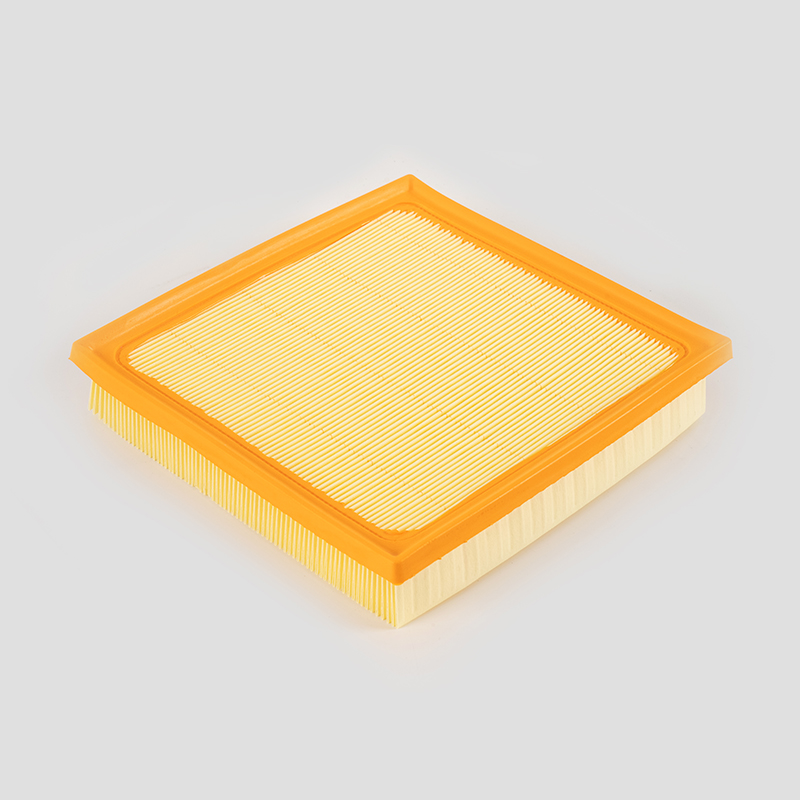 NBHY Toyota Camry 2.5L Engine Air Filter (17801-F0060)This OE-grade air filter for the Toyota Camry 2.5L is highlighted after a reminder about dusty conditions. It helps maintain correct airflow and filtration, protecting cylinders from silica dust that can wear engine bores.View Product →
Oil Filter and Contaminant Control
The oil filter is your engine's shield against soot, metallic debris, and sludge. Once the media loads, bypass opens and particles recirculate, directly scoring cylinder walls and rings. Regular oil filter changes with a quality spin-on or ECO oil filter, like the one NBHY supplies for VW 1.4T engines, help maintain a clean oil film between the piston rings and bores.
Fuel Filter and Fuel Dilution
On direct-injection engines, a failing fuel filter can lead to poor spray patterns. Unburned fuel then slips past rings into the crankcase, diluting the oil and reducing its viscosity. Installing a fuel filter that matches the vehicle's pressure specification, such as the NBHY filter for Volvo S60, minimizes that risk.
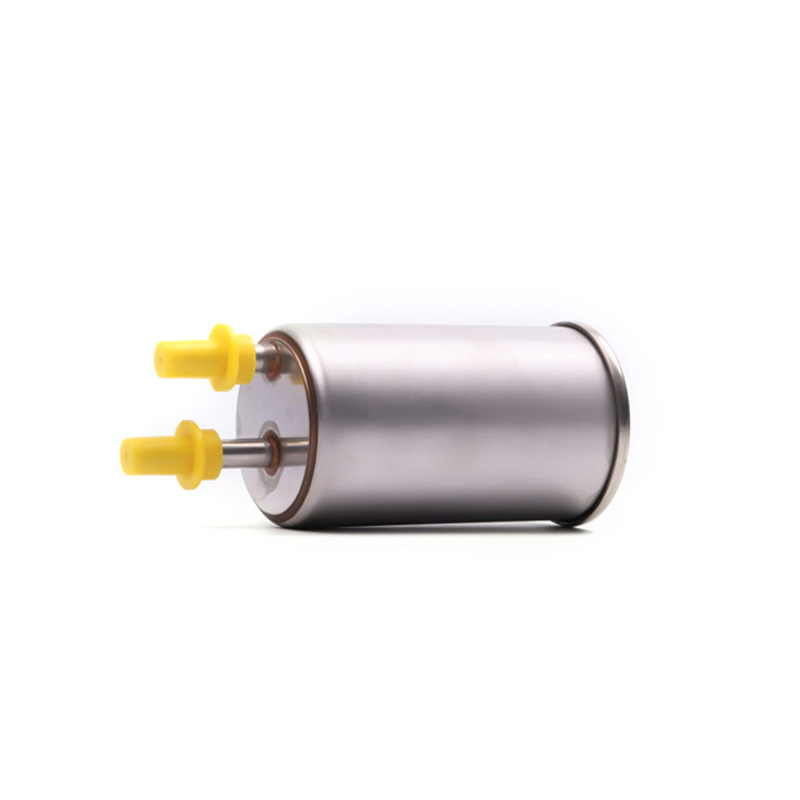 NBHY Fuel Filter for Volvo S60 (31355412)This fuel filter matches the Volvo S60's pressure specification, addressing poor spray patterns on direct-injection engines. It helps prevent fuel dilution of engine oil, keeping viscosity intact and reducing ring wear.View Product →
When you choose filters, look for reputable manufacturers with OE-compatible specs, consistent pleat density, and proper bypass valves. NBHY, a China-based filter manufacturer and supplier, produces over 50 million filter systems per year across air, cabin, oil, fuel, and hydraulic lines, serving wholesalers and distributors globally.
Conclusion: Neglected filters do not cause oil consumption directly, but they shorten the engine life that leads to it.
Which Causes Are Most Common?
Need some perspective before digging into repair? The chart below draws from independent shop surveys and technician reports on engines with confirmed excessive oil consumption. It is not a manufacturer statistic, but it shows where the diagnostic time is usually spent. These percentages vary with engine family, mileage, and maintenance history. Use it as a starting point for allocating your inspection effort. The chart places piston ring wear at the top, followed by valve seal degradation and PCV system failures.
Let's unpack the chart. Piston ring and cylinder wall wear accounts for roughly 38% of persistent oil-burning complaints, making it the first suspect when blue smoke appears under load. Valve stem seals follow at 22%, especially in engines over 100,000 miles with frequent short-trip driving. PCV-related faults contribute 16% and are often misdiagnosed as ring wear because symptoms overlap. External leaks, at 10%, are more common in older engines with degraded gaskets and can be repaired at low cost. Turbocharger seal issues make up 7%, mostly on high-mileage forced-induction engines with delayed oil changes. The remaining 7% includes rare causes such as overfilled oil, wrong viscosity, worn valve guides, or a restricted oil drain passage. Notice that none of these categories should be diagnosed by simply replacing the oil filter. A filter change alone will not cure consumption, but consistent filter maintenance lowers the long-term chance of ring and valve wear. The high share of ring and valve issues also explains why a compression and leak-down test should be part of any serious oil-consumption diagnosis. Finally, the relatively low share of external leaks is good news: a careful visual inspection can eliminate a cheap fix before touching the engine internals.
Conclusion: Start your repair plan with the top three causes above; over half of excessive oil consumption cases are linked to ring and valve seal wear.
Selecting Quality Filters: A Guide for Workshops and Wholesalers
For independent workshops, preventing excessive oil consumption starts with using durable filters. For wholesalers and distributors, choosing the right manufacturer is just as important. A supplier with manufacturing and trade experience, such as NBHY, can deliver consistent quality under ISO/TS16949 conditions. Their product range includes air, oil, fuel, cabin and hydraulic filters plus plastic and rubber air intake components, covering passenger cars, light trucks, and construction machinery.
When evaluating filter quality, consider the following:
| Filter type | Critical attributes | Impact on oil consumption |
|---|---|---|
| Air filter | Media density, gasket sealing | Prevents silica entry that wears rings |
| Oil filter | Bypass valve, pleat area, burst strength | Keeps debris away from ring/cylinder interface |
| Fuel filter | Micron rating, water separation | Avoids injector clogging and fuel dilution |
| Cabin filter | Not engine-related | No direct effect, but part of full service package |
A reputable filter manufacturer like NBHY supplies OE-replacement parts that match original dimensions, media specifications, and pressure drops. Their catalog uses OE reference numbers to guarantee fit. This reduces installation errors that could damage a filter housing or create an unfiltered air path.
Conclusion: Working with a dedicated filter manufacturer instead of a pure trader ensures traceable quality for oil-related engine protection.
Preventive Maintenance to Limit Oil Loss
Prevention is always cheaper than an engine rebuild. Follow these practical steps:
- Check oil level every second fuel fill; record consumption.
- Use the OEM-recommended oil viscosity and quality.
- Replace air filter at the scheduled interval, or sooner on dusty roads.
- Change oil filter with every oil change; do not stretch intervals excessively.
- Keep PCV system clean: inspect valve and hoses each 30,000 miles.
- Address small leaks immediately before they become an expensive top-up habit.
For turbocharged and direct-injection engines, pay extra attention to oil change intervals. Fuel dilution and heat accelerate oil breakdown, which is why a quality oil filter plus correct fuel filter matter so much.
Conclusion: A simple maintenance log catches oil consumption before it turns into internal damage.
FAQ About Excessive Oil Consumption
At what rate is oil consumption considered excessive?Most manufacturers view more than 1 quart per 1,000 miles as excessive, while some high-performance or turbo engines may consume slightly more. If you are topping up more than once between oil changes, start a log and check for smoke or leaks. |
Can a dirty air filter cause excessive oil consumption?A severely clogged air filter increases intake vacuum and can disturb the air-fuel ratio, causing fuel wash that thins oil film. It is not the root cause in most cases, but it worsens ring and cylinder wear. Replacing the air filter at the right interval helps protect oil control rings. |
Will a better oil filter solve excessive oil consumption?No. An oil filter cannot restore worn rings or seals. It can, however, prevent abrasive contaminants from accelerating future wear. If consumption is already high, the filter alone will not stop it; a proper repair is needed. |
Does a fuel filter really affect oil consumption?On direct-injection engines, a clogged fuel filter can cause weak atomization, leading to unburned fuel entering the crankcase and diluting the oil. Diluted oil loses film strength, increasing ring wear and oil consumption. So yes, it matters more than many drivers expect. |
Should I use a high-mileage oil to reduce consumption?High-mileage oils contain conditioners that can soften seals and reduce minor leaks. They are worth trying for small external seepage or valve seal puffing, but they cannot repair worn rings. If consumption is more than 1 quart per 1,000 miles, rely on diagnosis instead. |
Conclusion: In most cases, excessive oil consumption is a mechanical issue that filters and additives can only influence at the margins.
Related Resources
Excessive oil consumption is not a doom sentence. With a structured diagnosis and consistent filter maintenance, you can catch the problem early and avoid a full rebuild. If you supply filters to workshops, choose components from a manufacturer that understands both product quality and real-world engine conditions. The right filters will not stop an existing oil consumption problem, but they will keep a healthy engine from joining the statistics.
Related Products
-
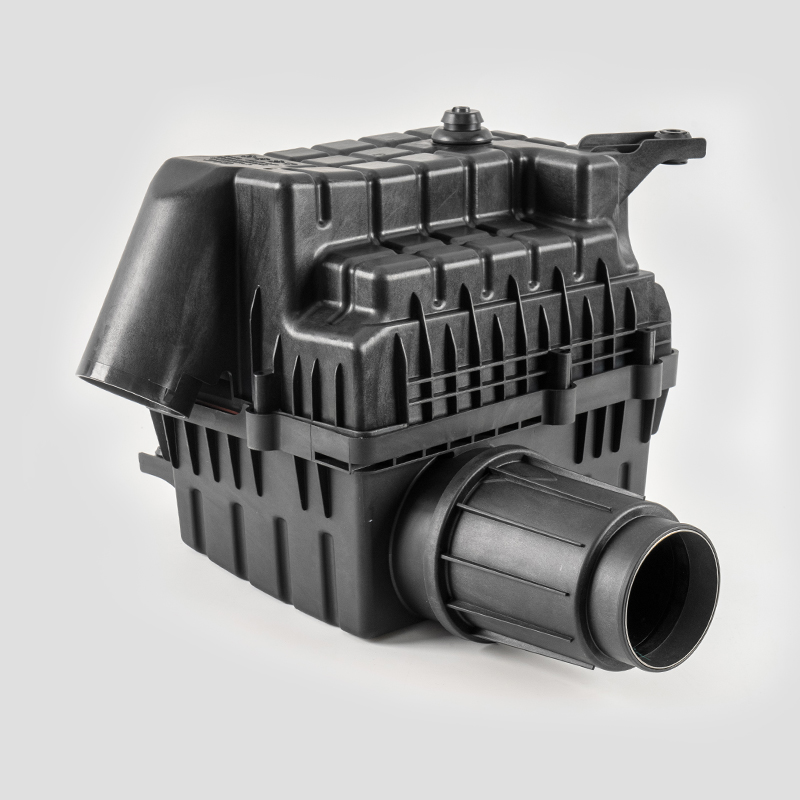
GAC A57 Automotive Engine Air Filtration System Housing Assembly
-
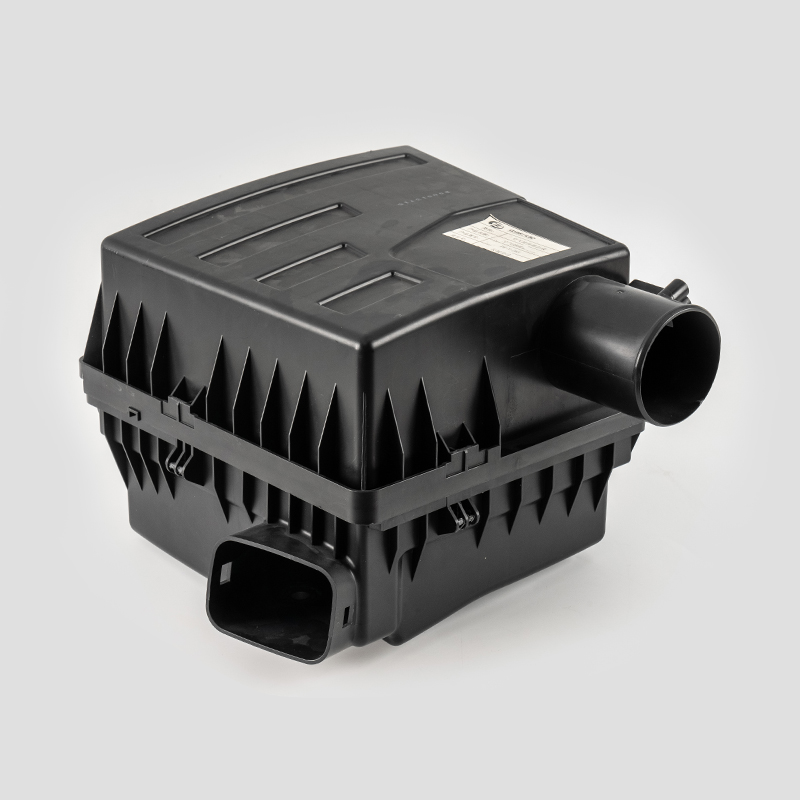
Great Wall A30 Automotive Engine Air Filtration System Housing Assembly
-
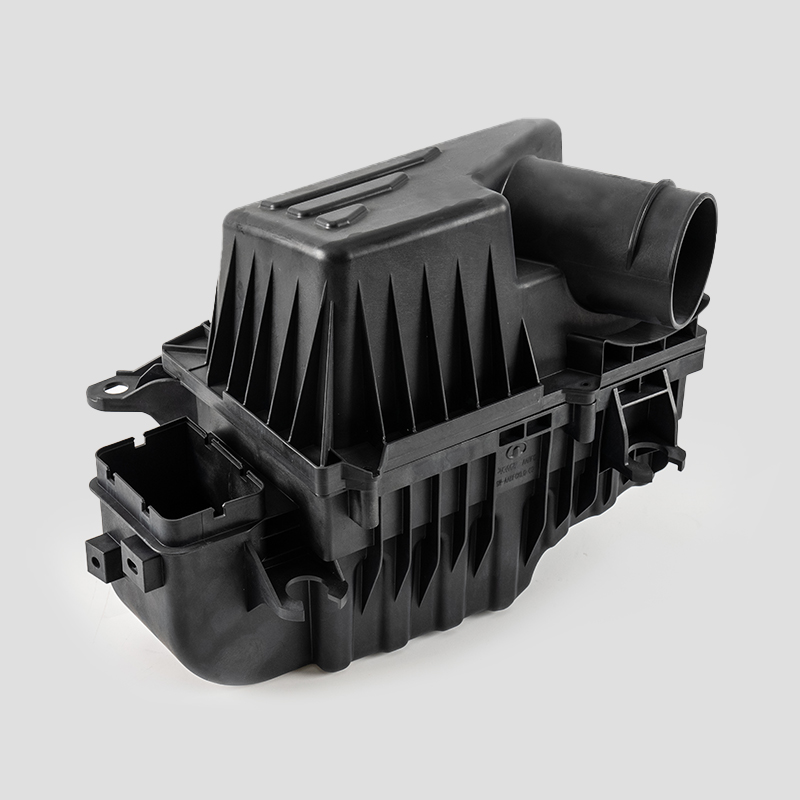
Great Wall B30 Automotive Engine Air Filtration System Housing Assembly
-
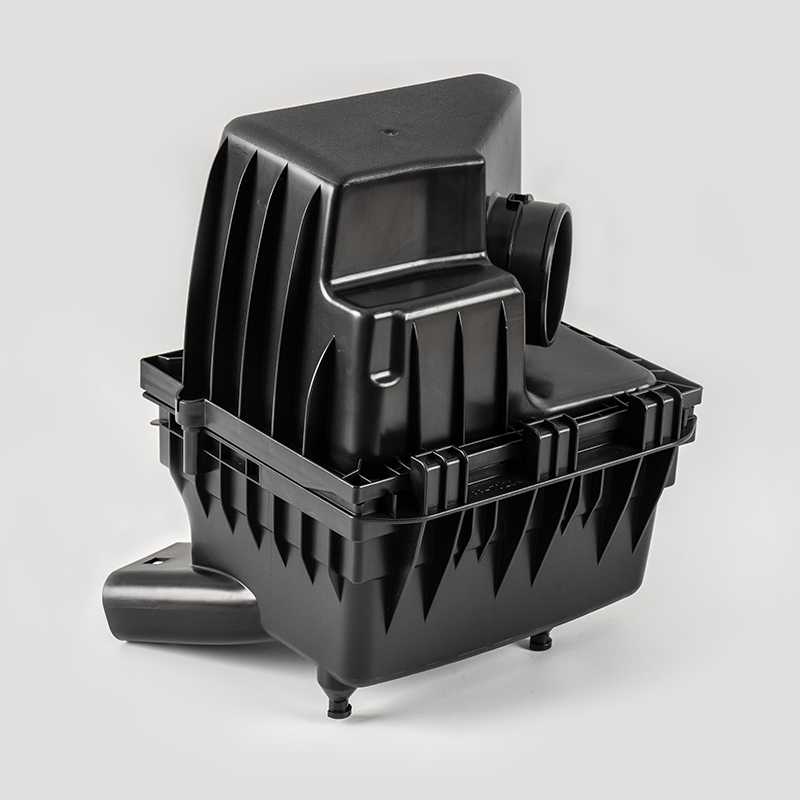
Great Wall Automotive Engine Air Filtration System Housing Assembly
-
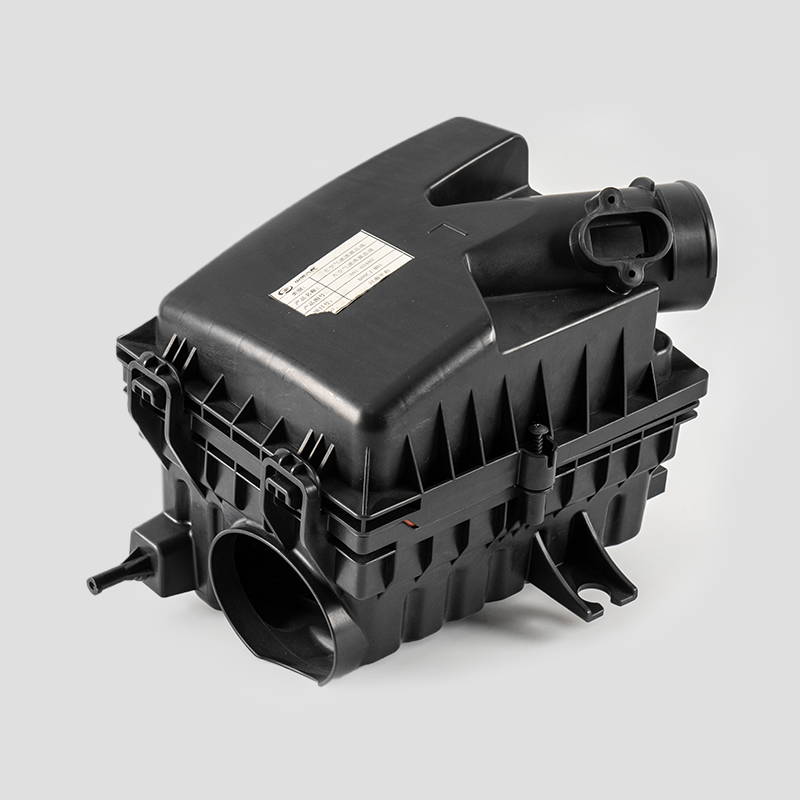
BAIC Automotive Engine Air Filtration System Housing Assembly
-
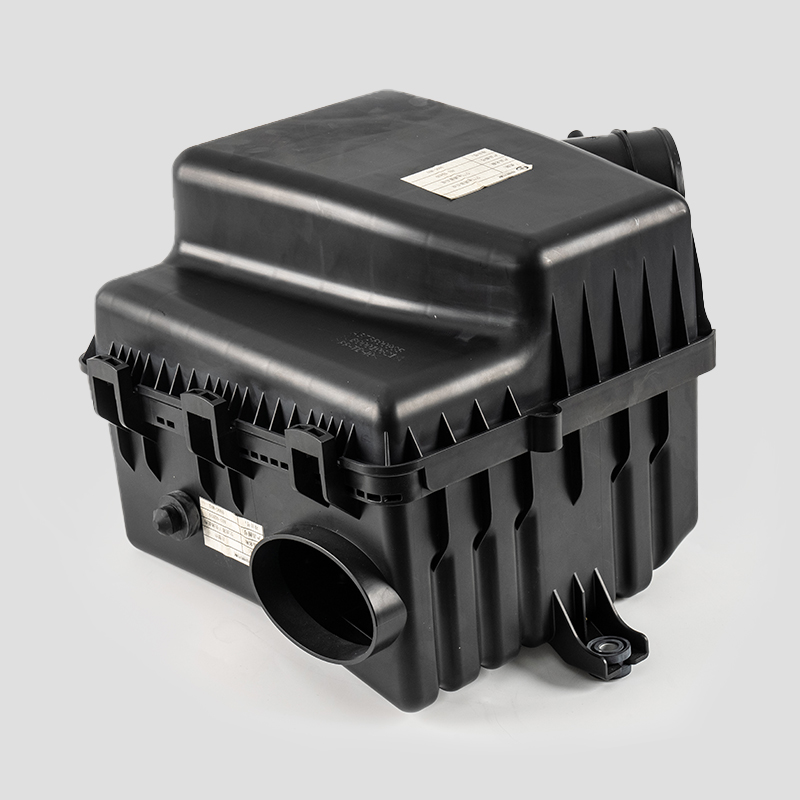
BAIC SUV Automotive Engine Air Filtration System Housing Assembly



Copyright © Ningbo Heyuan Auto Parts Co., Ltd. Rights Reserved. Custom Automobile Filter Parts Company OEM/ODM Automobile Filter Parts Manufacturer
