


 English
 Español
 عربى
عربى
No Oil Pressure Symptoms: Warning Signs, Root Causes, and Urgent Action Steps
Content
- 1 Why Oil Pressure Is the Lifeline of Your Engine
- 2 No Oil Pressure Symptoms: 8 Warning Signs You Must Not Ignore
- 3 What Causes Oil Pressure to Drop to Zero
- 4 How to Diagnose No Oil Pressure without Guessing
- 5 The Oil Filter's Role in Maintaining Oil Pressure
- 6 How to Prevent No Oil Pressure Problems
- 7 Frequently Asked Questions about No Oil Pressure Symptoms
- 7.1 What are the most common no oil pressure symptoms?
- 7.2 Can I drive with no oil pressure?
- 7.3 What is the most common cause of low oil pressure?
- 7.4 Why did my oil pressure suddenly drop to zero while driving?
- 7.5 Can a clogged oil filter cause low oil pressure?
- 7.6 How do I know if the oil pressure sensor is bad?
- 7.7 What oil pressure should a warm engine have at idle?
A truck driver on a morning delivery run notices the red oil can symbol glowing on the dashboard. He turns on the radio, drives another three kilometers, and the engine begins to rattle. When the wrecker finally arrives, the crankshaft bearings have already welded themselves to the journals. That outcome is common, and it is also avoidable. The no oil pressure symptoms are usually clear long before permanent damage occurs, provided you know what to look for and act quickly.
Oil pressure is the force that pushes a thin film of lubricant between moving metal surfaces inside the engine. When pressure disappears, metal-to-metal contact begins within seconds. Workshop records from independent repair chains show that a professional mechanic can usually catch a pressure-loss event early, but only if the driver pulls over the moment the warning appears. Hesitation is what turns a minor repair into a full engine replacement.
This guide walks through the warning signs in detail, explains the mechanical reasons behind a sudden pressure drop, gives a step-by-step diagnostic routine, and outlines practical ways to prevent the problem. Whether you are a fleet manager, an owner-operator, or a workshop technician helping a customer, the goal is the same: never let a small lubrication problem turn into a long block and a five-figure invoice.
No oil pressure symptoms should always be treated as an emergency; a true pressure loss can cause irreversible engine damage within seconds to minutes.
Why Oil Pressure Is the Lifeline of Your Engine
Engine oil has to do three jobs at the same time: reduce friction, carry heat away from bearings, and keep debris in suspension. All three depend on pressure. An oil pump draws oil from the sump, pushes it through the oil filter, and feeds it into a network of passages that lead to crankshaft bearings, connecting rods, camshaft journals, and valvetrain components. Each of those components is machined with clearances measured in thousandths of a millimeter, and it is the pressurized film of oil that keeps metal parts separated.
The most important fact for any driver is this: oil pressure tells you the oil is actually moving. A red warning light does not necessarily mean the engine is low on oil; it means the system is not producing enough pressure for safe lubrication. The table below shows the reference pressure values most technicians expect on a warm engine.
| Operating condition | Typical pressure range | What it indicates |
|---|---|---|
| Hot idle | 10-25 psi | Minimum pressure is still present |
| Cruising, 2000-3000 rpm | 25-60 psi | Healthy mid-range pressure |
| Full throttle, above 3500 rpm | 50-80 psi | High flow under heavy load |
| Cold start, momentary | 70-100 psi briefly | Thick oil causes a temporary spike, then pressure falls as oil warms |
These figures are reference values, not factory specifications. Many European engines display pressure in bar rather than psi; one bar equals roughly 14.5 psi. The exact reading depends on internal design, oil temperature, and the location of the sending unit. If you want to know the healthy range for a particular engine, check the service manual or consult your filter and parts supplier before assuming the gauge is wrong.
Three components work together to keep pressure stable: the oil pump, the pressure relief valve, and the oil filter. If any one of them fails, or if the oil level or viscosity is incorrect, pressure can fall quickly. Pressure is created by resistance to flow. Anything that removes that resistance, such as a severely worn bearing, or anything that blocks the flow, such as a plugged pickup screen, will make the pressure gauge fall toward zero.
Pressure is not created by the pump alone; it is the resistance of bearings, oil galleries, and the filter that builds pressure against the pump output.
No Oil Pressure Symptoms: 8 Warning Signs You Must Not Ignore
The signs of lost oil pressure are not always dramatic at first. In our experience with filter supply and engine repair, the eight symptoms below are the ones that appear most consistently before a confirmed pressure-loss event. Some of them overlap with other mechanical faults, which is why the full picture matters more than any single symptom.
- Oil pressure warning light or gauge drop. The red oil can symbol is wired to a pressure switch that closes when pressure falls below a threshold, typically around 4-7 psi on many engines. A gauge may also sink to zero or bounce erratically. This is the most direct signal.
- Ticking, tapping, or knocking noise. When oil pressure disappears, lifters, cam followers, and bearing shells lose their cushion. A fast tick at idle often indicates valvetrain starvation; a deep rhythmic knock means crankshaft or rod bearings are already taking damage.
- Rising engine temperature. Oil carries away as much as one-third of the heat generated inside an engine. Without pressure and circulation, hot spots develop around the bearings and pistons, and the temperature gauge climbs even when the coolant level is normal.
- Loss of power and poor throttle response. Dragging bearings and added friction make the engine feel sluggish. Acceleration becomes flat, fuel economy drops, and the vehicle may struggle to hold speed on an incline.
- Burning oil smell. Hot oil that escapes from worn seals, a leaking filter gasket, or an overfilled sump can land on exhaust components. The smell usually appears before visible smoke.
- Fresh oil spots under the vehicle. A sudden leak from a damaged oil pan, a loose drain plug, or a failed filter seal reduces the oil level and can lead to starvation at the pickup tube.
- Blue-gray exhaust smoke. Once bearings wear and clearances grow, oil can pass past rings or valve seals and burn in the combustion chamber. Blue smoke combined with low pressure points to serious internal wear.
- Rough idle, stalling, or slow cranking. Hydraulic tensioners, variable valve timing actuators, and other oil-pressure-driven systems stop working correctly at low pressure. The engine may idle unevenly or stall when you release the throttle.
Some warning signs appear far more frequently than others in real workshop reports. Independent technician surveys and used-oil analysis programs indicate a consistent ranking. The oil warning light is the most obvious signal, but it is not always noticed immediately, especially on bright days or busy roads. Noise and temperature changes are often the signals that actually get the driver to stop. Understanding this frequency ranking helps you decide which sign deserves immediate action. The chart below shows how often each symptom is reported among confirmed no oil pressure cases.
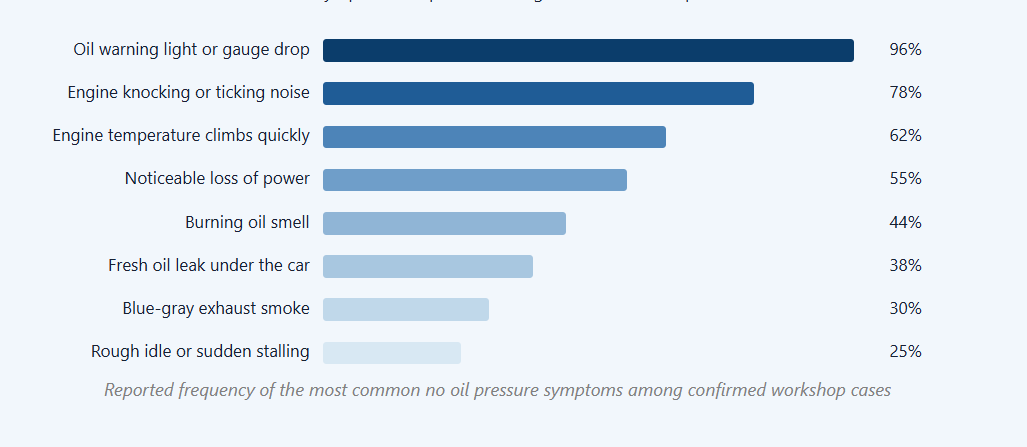
The pattern in this chart matches engine repair data from several markets, and it tells a practical story. First, the oil pressure warning light or gauge is the most reliable indicator because it is wired directly to the pressure switch, so it reacts within a fraction of a second. Second, engine noise appears in roughly four out of five confirmed cases, but the character of the noise matters a great deal; a fast idle tick often means valvetrain starvation, while a deep rhythmic knock points to bearing damage that is already underway. Third, overheating is reported in more than sixty percent of cases because oil pressure and oil flow remove a large share of combustion heat from the bearings and piston pins; without that cooling effect, metal temperatures rise fast enough to distort parts. Fourth, loss of power follows because friction increases dramatically when the oil wedge collapses, and the engine has to overcome dragging bearings on every revolution. The remaining signs, including oil smell, leaks, smoke, and rough idle, are slower to appear and often develop after the warning light has been ignored for a while. What the chart does not show is how quickly these symptoms can progress; in a severe case, the gap between the first tick and a seized engine can be no more than a few minutes. That is why professional drivers are trained to react to the light first and ask questions later. Every minute counts, and no oil pressure symptom should be treated as something to monitor and wait out.
The clearest no oil pressure symptom is a red warning light combined with a knocking or ticking noise; when both appear together, shut the engine off immediately.
What Causes Oil Pressure to Drop to Zero
A sudden loss of oil pressure is rarely a random event. Something in the oil supply chain has either stopped delivering oil, allowed it to escape, or removed the resistance that creates pressure. The most productive way to approach the problem is to work through the causes in order of probability rather than tearing the engine apart blindly.
- Low oil level or oil starvation. Leaks, burning, or simply an overdue oil change can leave the sump so low that the pickup tube sucks air under hard acceleration or cornering. Aeration destroys pressure almost instantly.
- Worn oil pump. The pump gears wear, the housing clearance opens up, and the pump can no longer move enough oil. Pump wear usually develops gradually, but the gauge can still fall quickly once a wear threshold is crossed.
- Clogged oil pickup screen. Sludge and degraded oil can block the mesh screen at the bottom of the pickup tube. The pump tries to pull oil, but nothing reaches it, so pressure drops to zero while the sump still has oil in it.
- Wrong viscosity or degraded oil. Fuel dilution, overheating, or a bad oil choice can make the oil too thin to maintain pressure at idle. The pressure might look fine when cold and then collapse as the engine reaches operating temperature.
- Clogged oil filter or failed bypass valve. A filter loaded with contamination creates a flow restriction. Most filters have a bypass valve that opens to keep the engine supplied when the filter is blocked, but a bypass valve that sticks closed or a filter that collapses can stop flow entirely.
- Stuck or weakened pressure relief valve. The relief valve protects the system from overpressure. If the spring weakens or the plunger sticks open, oil dumps back into the sump instead of building pressure, and the gauge may never rise above a few psi.
- Excessively worn bearings and journals. As bearings wear, the clearance between the bearing and the journal grows. Wider clearances make it easier for oil to escape, so the system loses pressure at the point where it is needed most.
- Defective oil pressure sensor or gauge. A failed sender, a chafed wire, or a broken gauge can show zero pressure even when the lubrication system is healthy. This is the most common false alarm and the easiest cause to rule out.
Not every cause has the same probability. Engine remanufacturing shops that tear down failed engines see clear patterns in the failure modes. Oil starvation from level or pickup problems is by far the most frequent cause of a true zero-pressure event. Pump wear and filter restriction also appear regularly, while sensor faults are common but never damage the engine by themselves. Professionals use this kind of ranking to decide what to inspect first, which is why the following donut chart breaks down the approximate distribution of confirmed causes.
| Cause | Share |
|---|---|
| Low oil level or starvation | 32% |
| Worn oil pump | 22% |
| Clogged oil pickup screen | 16% |
| Wrong viscosity or degraded oil | 12% |
| Clogged oil filter or stuck bypass valve | 9% |
| Faulty pressure relief valve | 5% |
| Defective pressure sensor or gauge | 4% |
The distribution reflects what you should check first when the gauge hits zero. Low oil level is the leading cause, and it is also the easiest to verify, since a five-second dipstick check can confirm it. Oil pump wear is second, and it explains why older engines with high mileage lose pressure gradually; the pump simply cannot maintain output as the clearances inside it open up. Clogged pickup screens rank third and are especially common on engines with a history of extended oil change intervals; the sludge that blocks the screen can be hard to see until you drop the oil pan. Wrong viscosity and degraded oil cause fewer cases but are much cheaper to fix, so oil analysis and an oil change should be part of any diagnostic process. The filter and bypass valve together account for about nine percent of confirmed cases, which is small but still significant, and it explains why professional workshops always inspect the oil filter before condemning a pump. A stuck relief valve is an occasional finding, and a defective sensor is the least harmful possibility of all. The practical lesson from this chart is that you should eliminate the cheap, simple causes first; checking the oil level, the filter, and the sensor takes minutes, while removing the oil pan and replacing the pump takes hours. A structured approach saves both time and money.
| Cause | Immediate action | Long-term fix |
|---|---|---|
| Low oil level or starvation | Stop the engine and add the correct oil if the level is low | Find and repair the leak; stick to correct intervals |
| Worn oil pump | Do not restart; have the engine towed for inspection | Replace the pump and inspect bearing wear |
| Clogged pickup screen | Replace the oil filter and flush the lubrication circuit | Drop the pan, clean the screen, and adjust oil change habits |
| Wrong viscosity or degraded oil | Do not drive at high load; start with an oil change | Use the recommended viscosity grade and check oil analysis |
| Clogged filter or bypass valve | Replace the filter immediately; verify pressure after restart | Use a quality filter that meets the bypass valve specification |
| Faulty relief valve | Assume the valve is mechanical, not electrical | Replace the relief valve assembly or the pump that houses it |
| Worn bearings or journals | Shut the engine off; extended running causes total failure | Machine or replace the crankshaft and fit new bearings |
| Defective sensor or gauge | Verify with a mechanical gauge before driving | Replace the sender or repair the wiring |
Always eliminate the low-cost causes first; oil level, oil filter, and sensor faults are easy to check, while pump and bearing failures require the engine to be opened for inspection.
How to Diagnose No Oil Pressure without Guessing
Diagnosing a no oil pressure complaint is a matter of process, not intuition. A logical sequence of checks separates a real mechanical failure from a cheap sensor fault, and it also protects the engine from further damage while you investigate. The steps below are the same ones professional technicians use before they decide to open an engine.
- Pull over and shut the engine off. Even if the oil light only flickered, stopping immediately is the cheapest insurance available. A few seconds of bearing contact can be the difference between a repair and a replacement.
- Check the oil level on a flat surface. Wait a few minutes, pull the dipstick, wipe it, reinsert it, and read the level. Also smell the oil and feel its thickness between your fingers; a strong fuel smell or a watery feel points to dilution.
- Restart the engine briefly and listen. If the engine is cold, run it for only a few seconds while you watch the warning light and listen for noise. If the light stays on and a knock appears, shut it down immediately.
- Fit a mechanical pressure gauge. Remove the sender and install a manual gauge or a pressure test kit. This removes the vehicle wiring from the equation and gives you a true pressure reading at idle and at 2000 rpm.
- Inspect the oil filter. Look for external damage, a loose gasket, or signs that the filter was installed incorrectly. Cut an old filter open if necessary and check whether the filter media collapsed or the bypass valve shifted.
- Check the pressure relief valve and oil pump operation. Low pressure across the whole range often points to the relief valve or pump. Some engines let you access the valve externally, while others require the pan to come off.
- Drop the oil pan and inspect the pickup screen and pump. If every other check points to a mechanical problem, the pan comes off. Look for sludge on the screen, loose bolts, and visible wear on the pump housing.
| Step | Action | What you are looking for |
|---|---|---|
| 1 | Stop the engine | Prevent additional bearing and journal damage |
| 2 | Check dipstick level and condition | Low level, fuel smell, dark color, gritty texture |
| 3 | Listen for noise after restart | Ticking from lifters or a deep knock from bearings |
| 4 | Install mechanical pressure gauge | Compare true pressure to manufacturer reference values |
| 5 | Inspect and replace the oil filter | Collapsed media, missing bypass valve, damaged gasket |
| 6 | Test the pressure relief valve | Stuck open or closed valve, weak spring |
| 7 | Remove the oil pan | Sludge in the pickup screen, worn pump gears, debris |
There is one question that every technician has to answer early in the diagnosis: is the pressure loss real, or is the gauge lying? The comparison below separates the two conditions using the same evidence a workshop would collect.
Signs of genuine mechanical pressure loss
|
Signs of a faulty sensor or gauge
|
The mechanical gauge is the single most important tool in this process because it removes every electrical variable. If the mechanical gauge reads healthy, the engine is almost certainly fine and the problem is in the sender, the cluster, or the wiring. If the mechanical gauge also reads zero, then you are chasing a real lubrication problem, and the engine should not be run until the root cause is found. When the cause is a restricted or failed oil filter, replacing it with a quality unit from a reliable manufacturer often restores pressure immediately; when the cause is a worn pump or blocked pickup, the filter change will not help.
Never condemn a pump without first verifying pressure with a mechanical gauge and inspecting the oil filter; both checks are fast, cheap, and can save you from replacing a healthy component.
The Oil Filter's Role in Maintaining Oil Pressure
Many drivers assume that a clogged oil filter is always responsible for low pressure, but the relationship is more nuanced. A filter creates a small amount of flow resistance, which is exactly what helps the system build pressure. In a full-flow oil filter, the pressure difference across the filter media is normally a few psi. When the media becomes blocked, the bypass valve opens and allows unfiltered oil to reach the engine. That protects the engine from starvation, but it also means that oil is no longer being filtered. The real danger is a bypass valve that sticks open, a filter element that collapses, or a filter that was manufactured with the wrong bypass cracking pressure, which can redirect oil away from the circuit and cause a significant pressure drop.
This is why filter quality matters far more than most owners realize. A cheap oil filter with an improperly calibrated bypass valve can make the oil pressure light flicker even though the pump and bearings are perfectly healthy. A filter with a weak anti-drainback valve allows oil to drain out of the filter when the engine sits overnight, which causes dry starts and accelerates wear. A filter with sturdy media and a correctly calibrated bypass valve, by contrast, maintains a stable pressure differential and keeps the engine protected across its entire operating range. If you want to understand the exact flow path and how the bypass valve behaves, this technical article on how your car's oil filter works explains the mechanics in plain language.
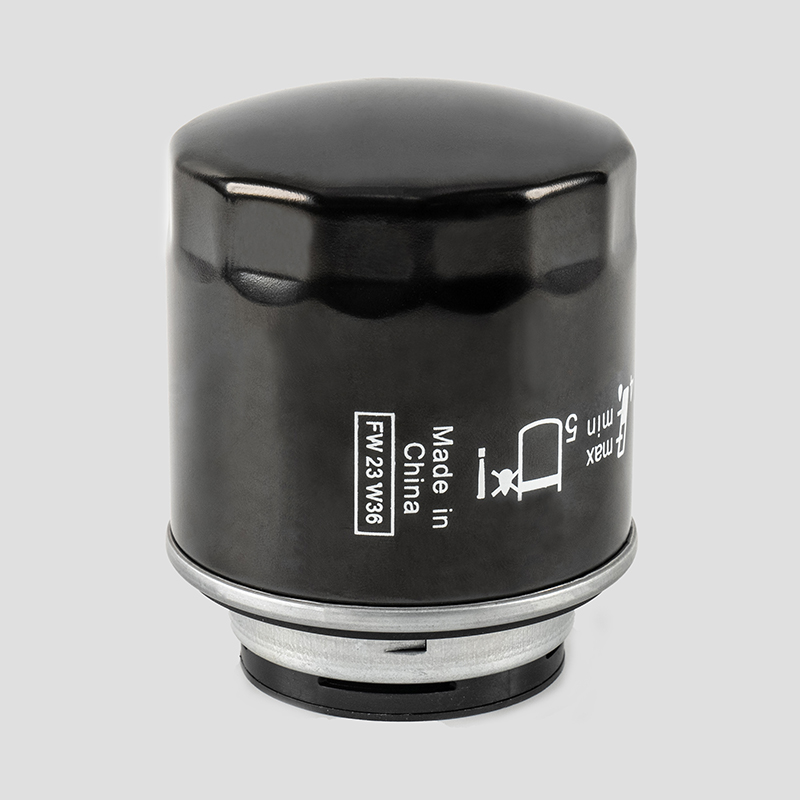 Volkswagen 1.4T Spin-On Oil Filter for Jetta, Passat, TouranThis spin-on oil filter matches the factory thread, seal, and bypass pressure for older Volkswagen 1.4 TSI engines, helping to prevent oil pressure flicker and dry starts.View Product →
The three filter constructions you will most often fit are the traditional spin-on canister, the ECO cartridge element, and the standard replaceable element. Spin-on filters screw directly onto a threaded mount and are common on older and many current gasoline engines. ECO filters drop a dry cartridge element into a reusable housing and are increasingly found on modern European and Asian engines. Standard elements are used in housings mounted on the cylinder block or remote filter heads. Each type has the same job, but the way it is replaced, sealed, and checked differs, and using the wrong style can affect oil pressure at start-up.
| Spin-on filter One-piece steel can with thread plate; replaced as a complete unit. Simple to fit, reliable sealing, and common on older vehicles, light trucks, and many commercial applications. ECO cartridge element Dry pleated paper element inserted into a reusable plastic or aluminum housing. Produces less waste and is common on newer European, Korean, and Chinese vehicle platforms. Standard element Element held inside a remote or block-mounted housing. Often used on heavy-duty engines where service intervals are long and filter area needs to be large. |
Choosing a filter by OE number and application data, rather than by brand name alone, keeps the bypass valve setting and gasket geometry correct for the vehicle. At Ningbo Heyuan Auto Parts, each oil filter is designed around the original equipment dimensions, media area, and valve specifications, which is why our filters appear as a direct-fit replacement across such a wide range of car and truck models. For example, an owner of an older Volkswagen Jetta, Passat, or Touran with the 1.4 TSI engine can select a spin-on filter that matches the factory thread, seal, and bypass pressure for that platform. For an Audi A6L equipped with the V6 family of engines, an ECO filter element restores the same filtration area and flow characteristics as the OEM component. And for a Ford Explorer or Edge with the 3.5-liter V6, a matching ECO oil filter keeps the anti-drainback valve and bypass calibration consistent with the original part.
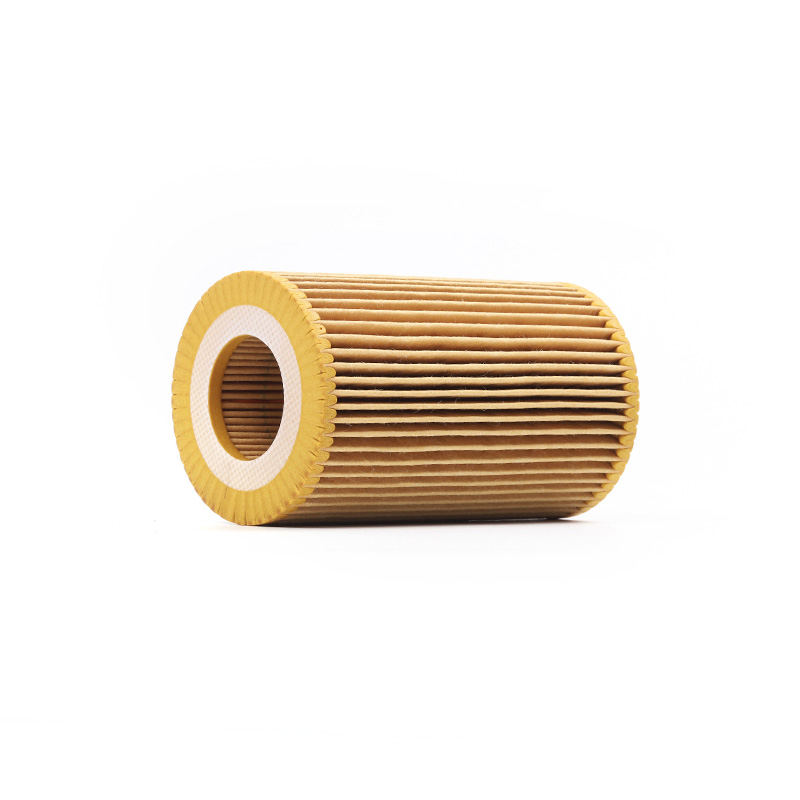 Audi A6L ECO Oil Filter Element 06E115562BDesigned as a direct-fit ECO cartridge element for Audi A6L V6 engines, this filter restores original filtration area and flow characteristics for reliable pressure control.View Product →
As an oil filter manufacturer, supplier, and wholesaler, we frequently receive samples from fleets and distributors who want to verify pressure drop, filtration efficiency, and bypass valve operation before placing orders. The inspection process for a filter involved in a low-pressure complaint should include a check of the bypass valve spring, a look at the gasket surface, and a cut-open examination of the media. A properly engineered filter will hold its shape, allow clean oil to flow, and keep the bypass closed until the engine actually needs it. Our full product range is designed to meet those expectations, and we provide technical support to customers who are evaluating filter performance for procurement or repair decisions.
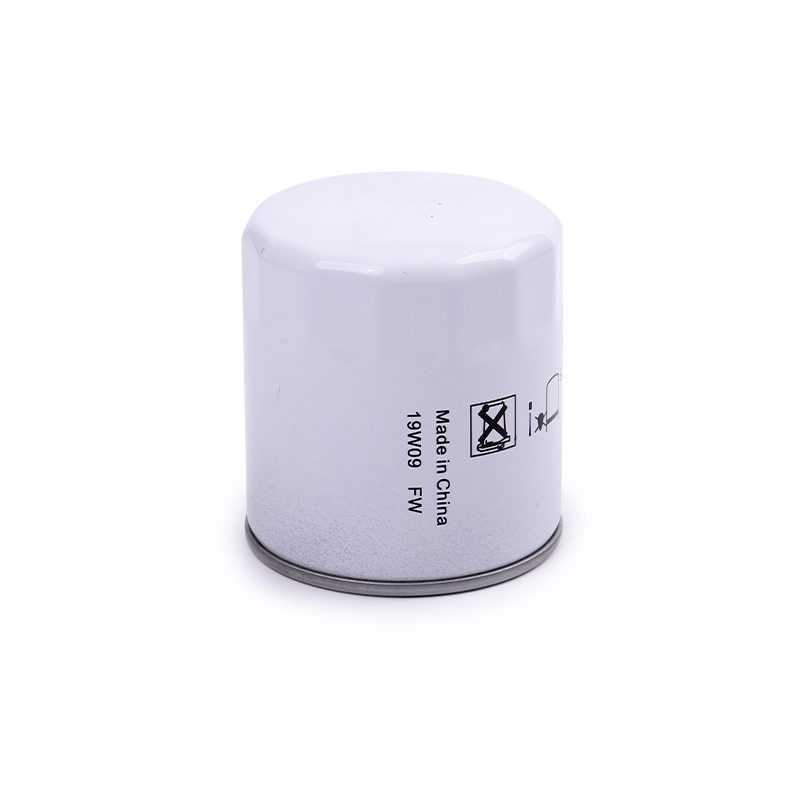 Ford Explorer ECO Oil Filter 9W7E-6714-AAThis ECO oil filter for Ford Explorer and Edge 3.5L V6 maintains proper anti-drainback valve and bypass calibration, supporting consistent oil pressure and engine protection.View Product →
The takeaway is simple: the oil filter is not just a disposable canister; it is a calibrated part of the pressure and filtration system. Replacing it with the correct specification is one of the fastest ways to resolve certain no oil pressure symptoms, and it is also one of the cheapest parts of a preventive maintenance program. If you are a workshop or a parts distributor, stocking a range of verified spin-on and ECO filters lets you fix pressure complaints without waiting for deliveries or risking a mismatch.
Before replacing an oil pump, always replace the oil filter with a unit that matches the OE bypass and anti-drainback specifications; a stuck, collapsed, or mis-calibrated filter can cause the exact same symptoms as a failed pump.
How to Prevent No Oil Pressure Problems
Prevention is far cheaper than repair, and most no oil pressure events are avoidable with routine checks that take less than ten minutes. The maintenance points below cover the causes that workshops see most often, and they are the same recommendations we give to fleet operators and distributors who buy filters from us directly.
| Maintenance item | Recommended interval | Why it matters |
|---|---|---|
| Check oil level | Every second fuel fill-up | Catches leaks and oil burning before the pickup runs dry |
| Change oil and filter | Follow the maker's interval or earlier if analysis shows dilution | Removes sludge, fuel, and particles that clog screens and filters |
| Inspect for external leaks | Monthly or at every service | Finds worn seals, damaged pans, and loose drain plugs early |
| Verify oil pressure at service | Whenever the sump is off or the filter is changed | Records a baseline reading for future comparison |
| Use the correct viscosity | At every oil change | Prevents pressure loss when the engine is hot |
| Fit quality filters | Every oil change | Keeps bypass valve and anti-drainback behavior correct |
Pay special attention to engines that are used for short trips. Short-run driving never lets the oil reach full operating temperature, so water and fuel accumulate in the sump, and the oil becomes sludge over time. Sludge is the leading cause of clogged pickup screens and blocked filter media. If a vehicle is used for frequent short journeys, shorten the oil change interval and use a filter with a generous media area. In severe cases, an engine flush and a second oil change after a short run can restore the lubrication circuit to a clean state.
Also pay attention to the warning light system itself. A failing pressure sender can give false readings, but it can also fail in a way that hides a real problem. Testing the sender and wiring at each service, or whenever the gauge behaves erratically, takes a few minutes and prevents both false alarms and missed warnings. For fleet owners, recording the oil pressure reading at every preventive maintenance visit creates a trend that makes it easy to spot a pump or relief valve that is starting to weaken.
Most causes of no oil pressure are preventable with a simple combination of regular oil level checks, correct viscosity, and timely replacement of quality filters.
Frequently Asked Questions about No Oil Pressure Symptoms
What are the most common no oil pressure symptoms?The most common symptoms are the illuminated oil pressure warning light, a gauge that drops to zero, ticking or knocking engine noise, rising temperature, and a noticeable loss of power. The warning light appears in nearly all confirmed cases, while engine noise appears in about four out of five. Any combination of these signs should be treated as an emergency. |
Can I drive with no oil pressure?No. If the warning light is on and the gauge reads zero, the engine is running without adequate lubrication. In a matter of seconds, bearings and journal surfaces can overheat and score. Pull over, turn the engine off, and arrange a tow. Paying for a tow is always cheaper than paying for a replacement engine. |
What is the most common cause of low oil pressure?Low oil level is the most common cause of a true pressure loss. Oil can leave the sump through leaks, past worn rings, or simply because the oil change interval was ignored for too long. A worn oil pump and a clogged pickup screen are the next most common mechanical causes, and a defective pressure sender is the most common false cause. |
Why did my oil pressure suddenly drop to zero while driving?A sudden drop usually means that the oil supply path has been interrupted. The most likely explanations are a very low oil level after a leak or rapid burning, a clogged pickup screen that suddenly sealed off, a failed oil pump, or a filter bypass valve that stuck open. Stop immediately and begin diagnosis with a dipstick check and a mechanical pressure gauge. |
Can a clogged oil filter cause low oil pressure?Yes, but with an important nuance. A fully blocked filter normally opens the bypass valve so the engine still receives oil, but if the media collapses or the bypass valve sticks open, the pressure at the gauge can fall below specification. A filter with the wrong bypass cracking pressure can also make the warning light come on even though the engine is healthy. Always replace the filter as part of the diagnosis. |
How do I know if the oil pressure sensor is bad?Fit a mechanical oil pressure gauge in place of the sender. If the mechanical gauge shows healthy pressure while the dashboard gauge or warning light still misbehaves, the fault is electrical. Check the connector for corrosion, inspect the wiring for chafing, and measure the resistance of the sender if required. A mechanical gauge is the fastest way to separate a sensor problem from a real lubrication problem. |
What oil pressure should a warm engine have at idle?Most engines show between 10 and 25 psi at hot idle, and between 25 and 60 psi at cruising speed. Some high-performance or heavy-duty engines use different ranges because of their bearing clearances and pump design. Check the service manual for the exact figures, and use the same conditions and gauge position for every comparison so the reading is meaningful. |
In most cases, the root cause of no oil pressure is found before the pump itself; oil level, oil filter, and sender checks should always come first.
Reacting quickly to no oil pressure symptoms is the single most important habit a driver or fleet manager can develop. The difference between a warning light that gets attention and an engine knock that gets ignored is often a difference of minutes, and those minutes determine whether the repair bill stays in the hundreds or climbs into the thousands. When a filter is at the center of the problem, choosing the right component matters just as much as changing it on time.
At Ningbo Heyuan Auto Parts, we design and build oil filters for a broad range of vehicles, from compact sedans to heavy-duty commercial platforms, and we support workshops, distributors, and importers as a manufacturer and wholesale partner. Our filters are produced with computer-aided design, modern assembly lines, and quality control procedures that follow recognized automotive quality management systems. If you need a reliable supply of spin-on filters, ECO filter elements, or complete filter lines for your market, our product catalog covers thousands of OE-referenced applications across global brands.
The next time the oil can symbol lights up, remember the sequence: stop, check the oil level, inspect the filter, verify pressure with a mechanical gauge, and then decide. A disciplined approach protects the engine, saves money, and keeps every vehicle on the road longer.
Treat every no oil pressure symptom as a stop-and-inspect event; a combination of quick checks and a quality oil filter will resolve the majority of cases without a major repair.
Related Products
-
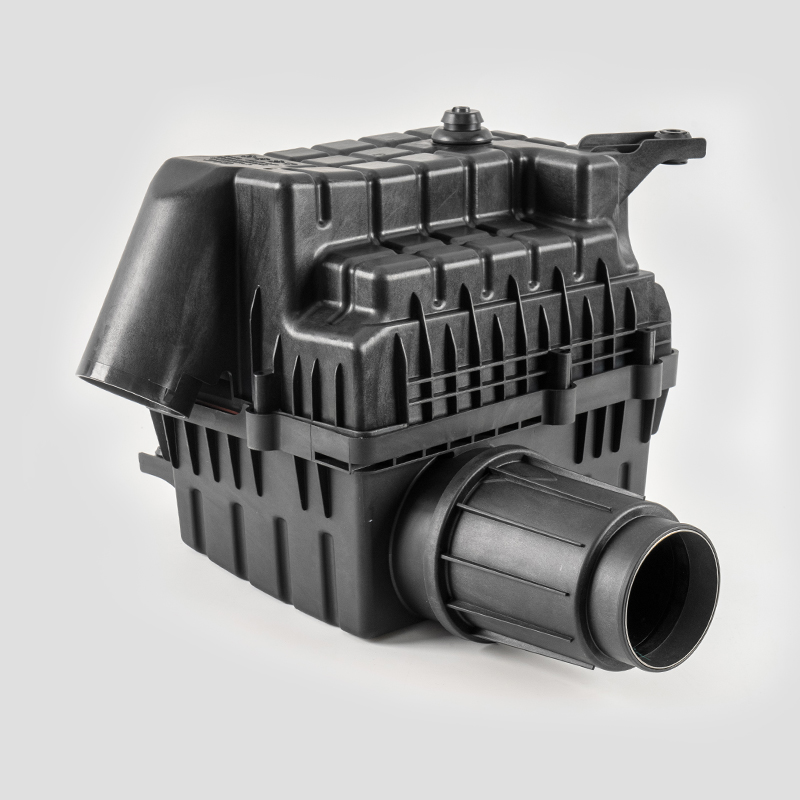
GAC A57 Automotive Engine Air Filtration System Housing Assembly
-
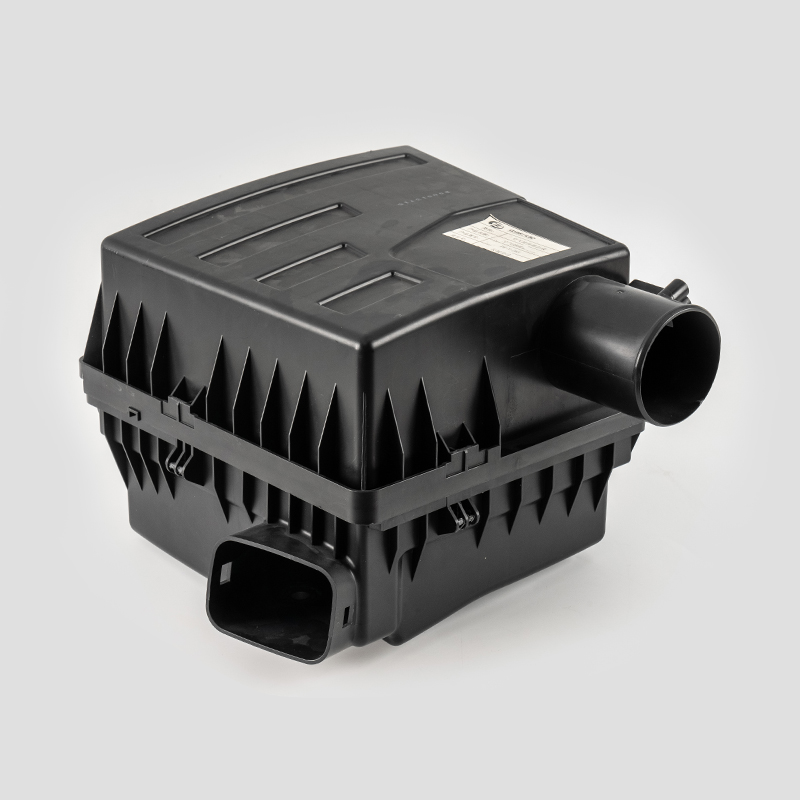
Great Wall A30 Automotive Engine Air Filtration System Housing Assembly
-
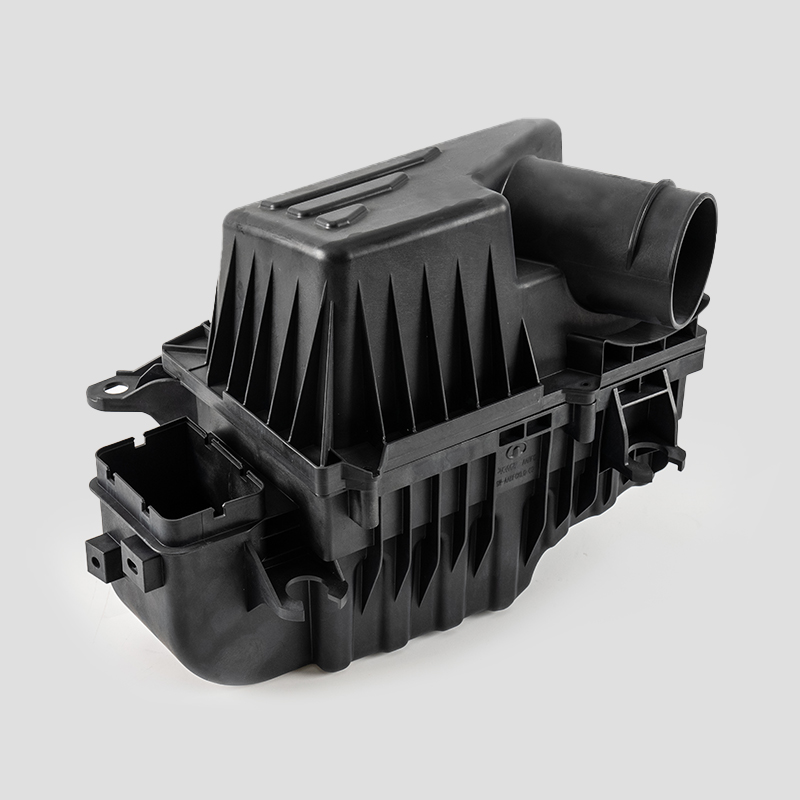
Great Wall B30 Automotive Engine Air Filtration System Housing Assembly
-
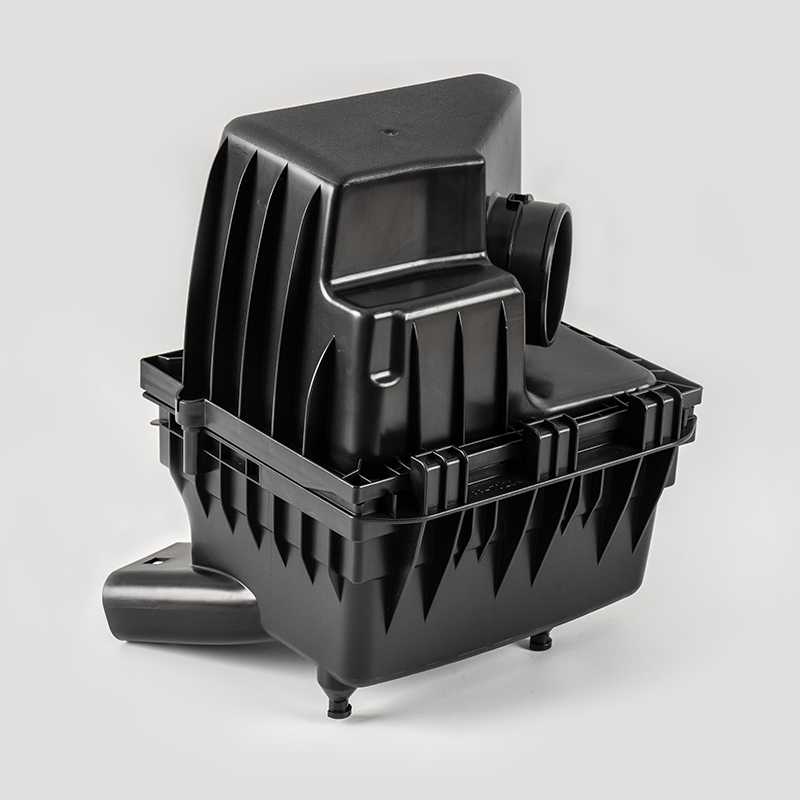
Great Wall Automotive Engine Air Filtration System Housing Assembly
-
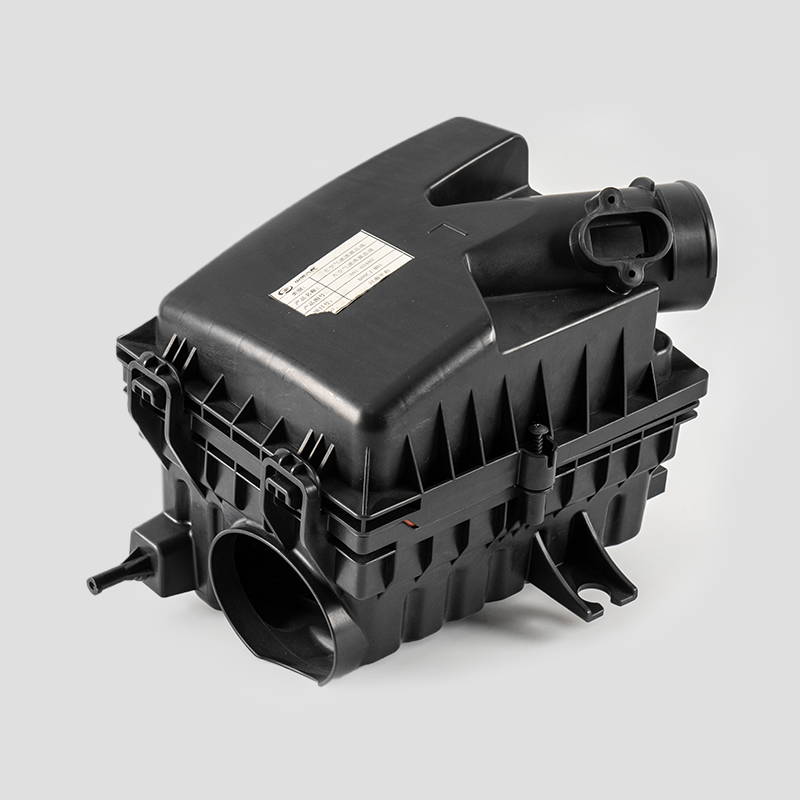
BAIC Automotive Engine Air Filtration System Housing Assembly
-
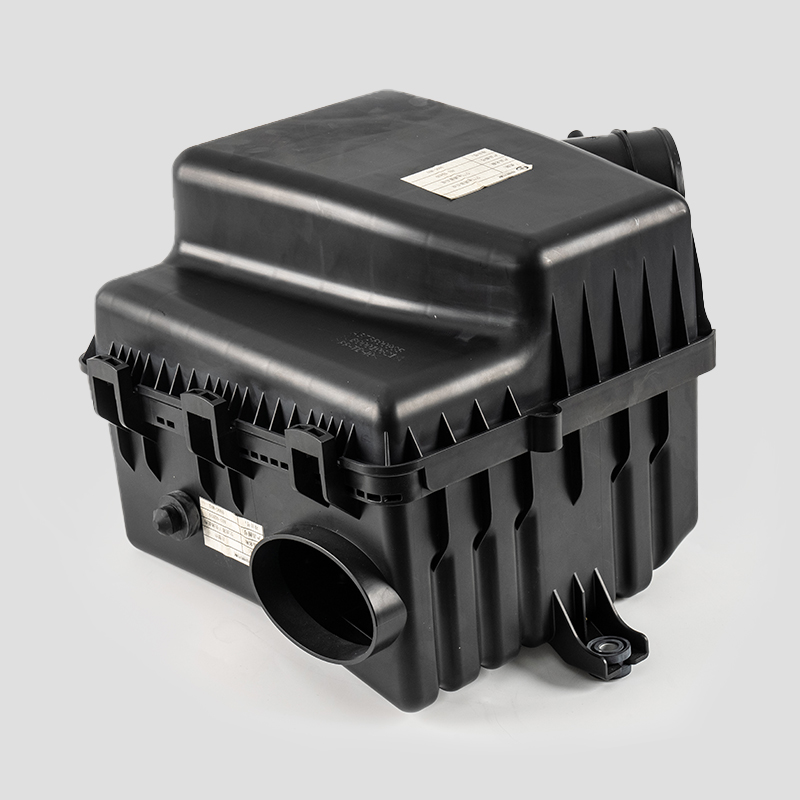
BAIC SUV Automotive Engine Air Filtration System Housing Assembly



Copyright © Ningbo Heyuan Auto Parts Co., Ltd. Rights Reserved. Custom Automobile Filter Parts Company OEM/ODM Automobile Filter Parts Manufacturer
