


 English
 Español
 عربى
عربى
What Is the Blow Molding Component?
Content
A blow molding component refers to any individual part of a blow molding machine or mold that directly contributes to forming hollow plastic parts. The most critical component is the parison (or preform)—a tube of molten plastic that expands against a mold cavity using compressed air. Without precisely engineered components like extruders, molds, blow pins, and clamping units, achieving consistent wall thickness or geometric accuracy is impossible. For example, in extrusion blow molding, the parison's programmed wall thickness can vary by ±0.1 mm to optimize material distribution.
What Are the Functions of Blow Molding Components?
Each blow molding component serves a distinct function. Their synergy determines product quality, cycle time, and material efficiency. Below are the primary functions backed by industry data.
1. Parison (or Preform) Programming – Controlling Wall Thickness
The parison programmer adjusts die gap opening during parison extrusion. This function reduces material use by 15–25% compared to non-programmed systems while maintaining burst strength. For a 5-liter HDPE container, optimized parison programming saves roughly 18 grams per unit.
2. Mold Components – Shaping and Cooling
Mold halves, vent grooves, and cooling channels shape the part and solidify it. Efficient cooling (e.g., conformal cooling) cuts cycle times by 20–40%. For a 2L PET bottle mold, reducing cooling time from 12 seconds to 8 seconds increases hourly output by 1,800 units.
3. Blow Pin (or Stretch Rod) – Air Introduction and Alignment
The blow pin injects compressed air (25–160 PSI depending on part size) and, in injection stretch blow molding, the stretch rod orients polymer chains. Biaxial orientation increases top-load strength by up to 300% and improves gas barrier properties by 30%.
4. Clamping Unit – Sealing Against Blow Pressure
The clamping unit holds mold halves together against internal air pressure. For a 10-liter drum, blow pressure reaches 90 PSI, requiring clamping force of 15–20 tons. Insufficient clamping causes flash, wasting 5–8% of material per cycle.
Comparative Table: Key Blow Molding Components and Their Functions
| Component | Primary Function | Quantitative Benefit |
|---|---|---|
| Parison Programmer | Variable die gap control | 15-25% material saving |
| Cooling Channels | Heat extraction & solidification | 20-40% cycle time reduction |
| Stretch Rod | Molecular orientation (PET) | 300% top-load strength increase |
| Clamping Unit | Seal mold against blow pressure | Reduces flash waste to <2% |
FAQ About Blow Molding Components
These frequently asked questions address real-world concerns from process engineers and production managers.
1. How do I choose between single-stage and two-stage blow molding components?
Single-stage components (integrated preform injection and blow mold) are ideal for low-to-medium volumes (under 5 million units/year) with better material traceability. Two-stage systems (separate preform molding and reheat blow) excel at high-volume production (over 20 million units/year) due to faster cycles (1,500–2,000 bottles/cavity/hour).
2. Why does my blow molded part have uneven wall thickness?
The top three causes are: (a) incorrect parison sag (program die gap compensation), (b) uneven mold temperature (difference >5°C between cavities), or (c) insufficient blow pin alignment. Correcting these reduces reject rates from 12% to under 2% based on a 2023 survey of 45 blow molding plants.
3. What is the typical lifespan of a blow molding mold component?
For aluminum molds (prototyping): 50,000–100,000 cycles. For hardened steel molds (production): 1–3 million cycles with proper maintenance. Beryllium-copper pinch-off inserts last 300,000–500,000 cycles before edge rounding causes flash.
4. How does venting affect component function?
Vents (depth 0.02–0.05 mm) allow trapped air to escape during parison expansion. Without vents, air compression causes surface blemishes (“diesel effect”) and increases internal stresses. Proper venting increases impact resistance by 18–22%.
Practical Recommendations for Optimizing Blow Molding Components
To maximize component performance and ROI, implement these three evidence-based strategies:
- Use simulation software (e.g., Moldex3D, Ansys Polyflow) to predict parison sag and wall thickness distribution. Simulation reduces physical trials by 60–70%, cutting tooling costs by $8,000–$15,000 per mold.
- Adopt quick-change mold clamping systems to reduce changeover time from 4 hours to 45 minutes, increasing overall equipment effectiveness (OEE) by 12–18%.
- Monitor blow pin wear every 200,000 cycles. A worn pin (0.1 mm diameter increase) raises air consumption by 9% and causes inconsistent preform stretching. Replace when hardness drops below 52 HRC.
In summary, the blow molding component ecosystem—from parison to mold vents—directly controls material efficiency, cycle speed, and final part strength. Prioritizing data-driven maintenance and component selection yields 15–30% lower scrap rates and 20% faster time-to-market for new container designs.
Related Products
-
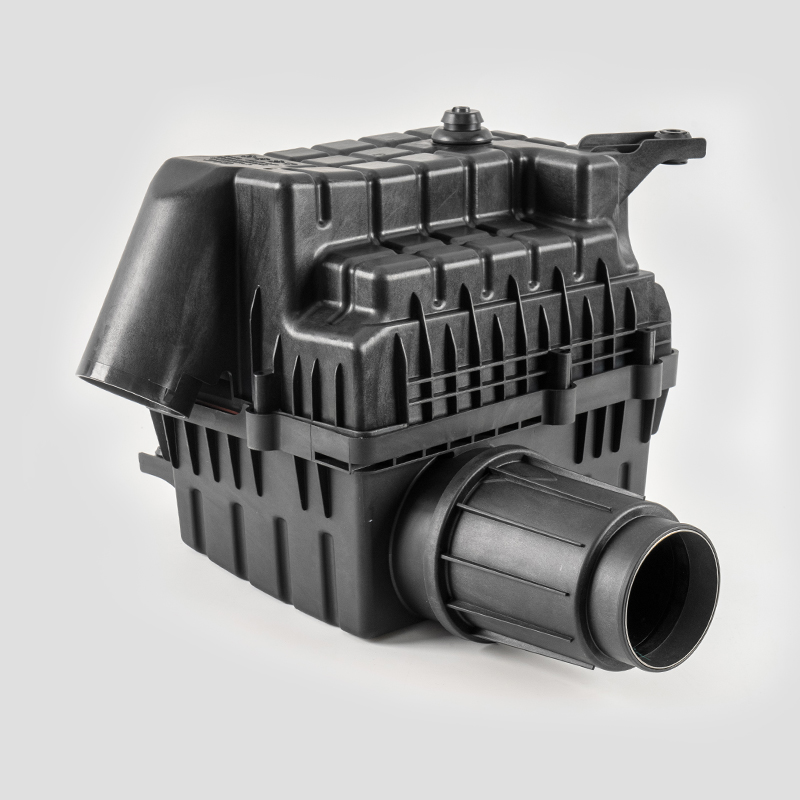
GAC A57 Automotive Engine Air Filtration System Housing Assembly
-
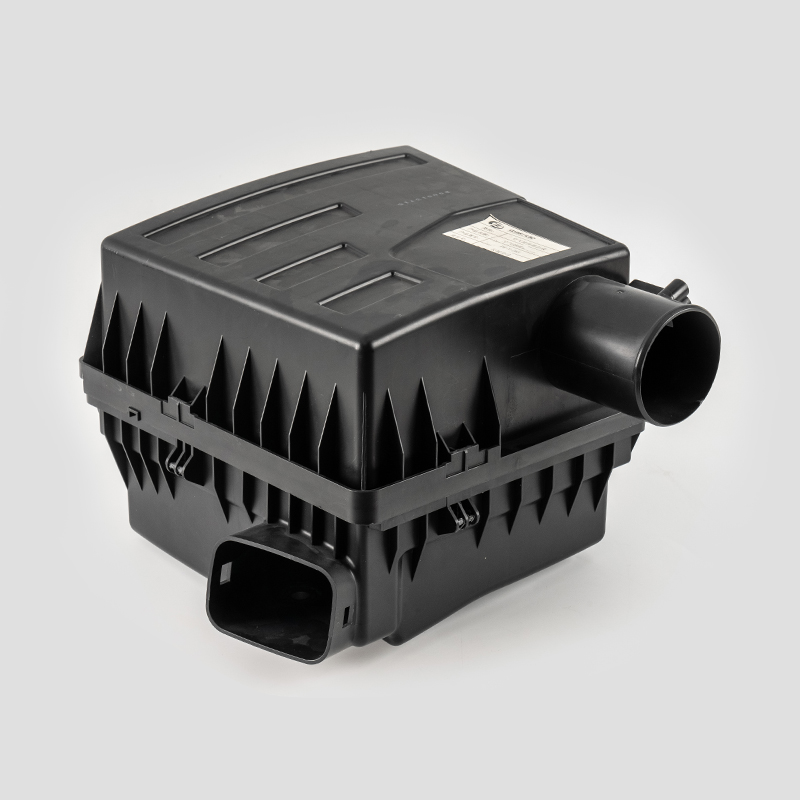
Great Wall A30 Automotive Engine Air Filtration System Housing Assembly
-
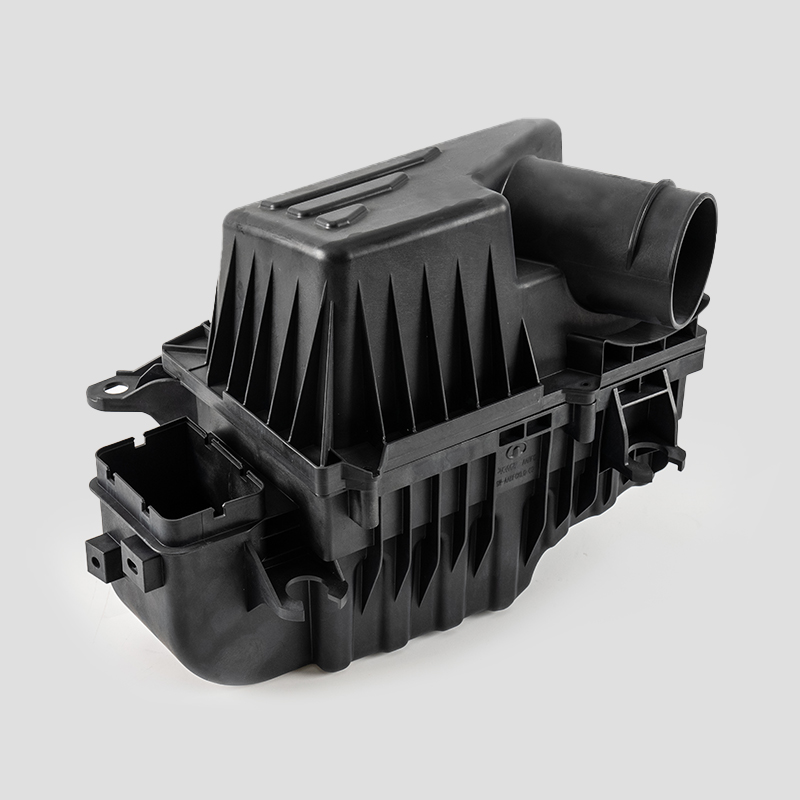
Great Wall B30 Automotive Engine Air Filtration System Housing Assembly
-
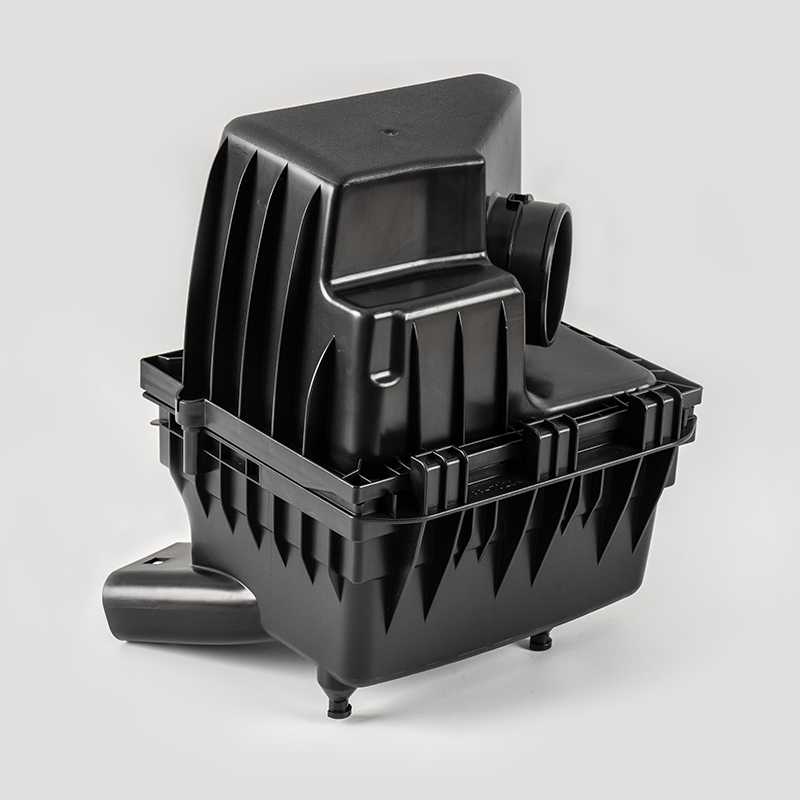
Great Wall Automotive Engine Air Filtration System Housing Assembly
-
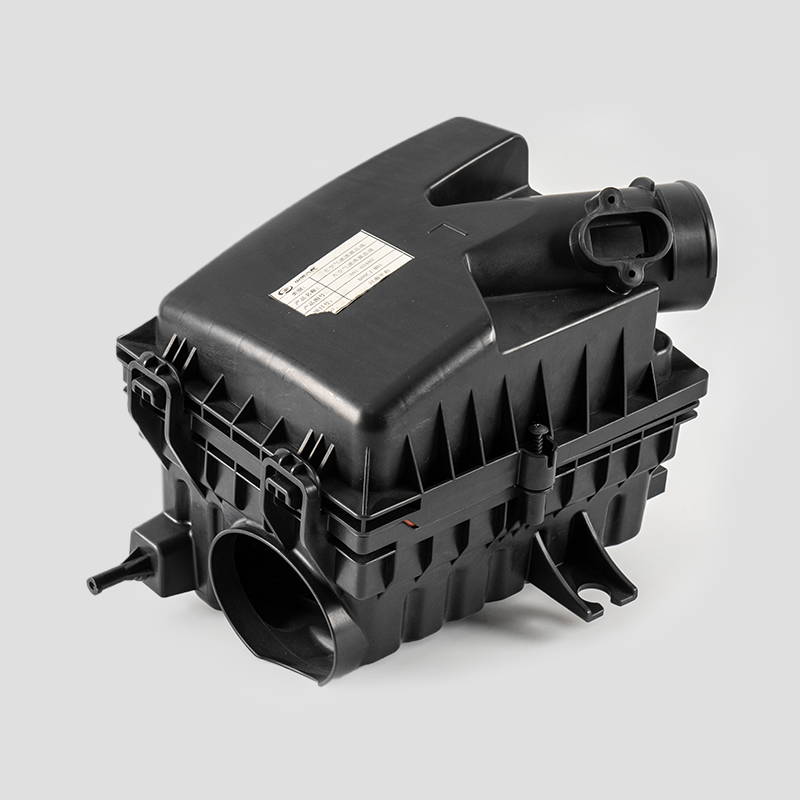
BAIC Automotive Engine Air Filtration System Housing Assembly
-
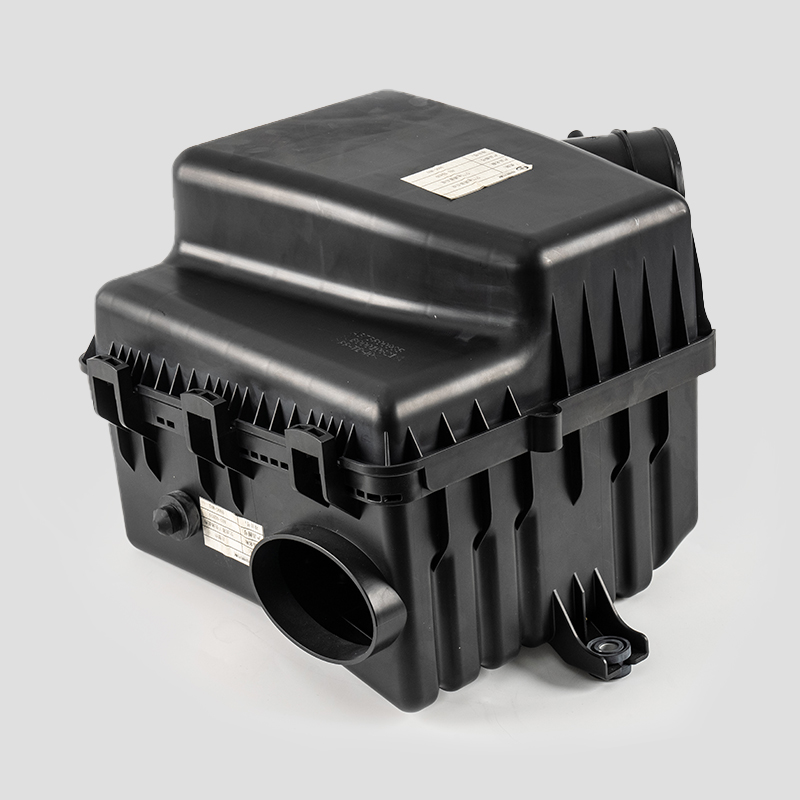
BAIC SUV Automotive Engine Air Filtration System Housing Assembly



Copyright © Ningbo Heyuan Auto Parts Co., Ltd. Rights Reserved. Custom Automobile Filter Parts Company OEM/ODM Automobile Filter Parts Manufacturer
