


 English
 Español
 عربى
عربى
How to Choose Rubber Air Duct?
Content
- 1 Choose Based on Temperature, Pressure, and Flexibility First
- 2 Step 1: Define Your Operating Environment with Hard Numbers
- 3 Step 2: Match Rubber Material to Your Application (EPDM vs Neoprene vs Silicone)
- 4 Step 3: Calculate Pressure and Vacuum Ratings Correctly
- 5 FAQ About Rubber Air Duct – Practical Answers
- 5.1 1. Can I use a rubber air duct for high-temperature exhaust (300°F+)?
- 5.2 2. How long does a rubber air duct last in outdoor UV exposure?
- 5.3 3. What is the standard tolerance for rubber air duct inner diameter?
- 5.4 4. Can I repair a punctured rubber air duct?
- 5.5 5. How do I calculate pressure drop through a rubber air duct?
- 6 Step 4: Verify Certifications and Test Reports
- 7 Final Checklist: 5-Point Selection Summary
Choose Based on Temperature, Pressure, and Flexibility First
For 90% of industrial and HVAC applications, the right rubber air duct is determined by three quantifiable factors: operating temperature range, maximum burst pressure, and bend radius. Do not start with brand or price. Start with these three metrics. For example, a standard EPDM rubber duct handles -40°F to +250°F, while a Neoprene version resists oil but has lower heat tolerance (max 200°F). If your system runs at 150°F and 50 PSI, a duct rated for 180°F and 75 PSI with a bend radius 10x its diameter is a safe, cost-effective choice.
Step 1: Define Your Operating Environment with Hard Numbers
Before selecting any rubber air duct, document your system's actual conditions. Generic "high temperature" or "moderate pressure" leads to wrong choices. Use this table to record your specific requirements:
| Parameter | Typical Range | Your System Value |
|---|---|---|
| Max continuous temperature | -40°F to 250°F | _______ °F |
| Max working pressure (PSI) | 10 to 150 PSI | _______ PSI |
| Minimum bend radius | 5x to 15x duct diameter | _______ inches |
| Chemical exposure (oil, ozone, acid) | Yes / No / Type | _______ |
Data point: Over 60% of premature rubber duct failures are due to exceeding temperature ratings by just 20°F continuously, not sudden spikes.
Step 2: Match Rubber Material to Your Application (EPDM vs Neoprene vs Silicone)
Each rubber compound has distinct limits. Using the wrong material is the most common mistake. Here is the direct comparison:
| Material | Max Temp (°F) | Oil Resistance | Flexibility (bend ratio) | Best for |
|---|---|---|---|---|
| EPDM | 250°F | Poor | 8x diameter | Outdoor HVAC, hot air, steam |
| Neoprene | 200°F | Good | 10x diameter | Oily environments, moderate heat |
| Silicone | 400°F | Fair | 5x diameter | High-temp drying, food-grade air |
Actionable rule: If your application involves any oil mist or fuel vapor, avoid EPDM. Neoprene is the minimum. For continuous temperatures above 250°F, only silicone or custom high-temp compounds work.
Step 3: Calculate Pressure and Vacuum Ratings Correctly
Most rubber air ducts list both working pressure and burst pressure. Burst pressure is typically 3x to 5x working pressure for safety. For vacuum service (negative pressure), you need a different rating: reinforced spiral wire or internal helix.
Example: A 4-inch rubber duct rated for 50 PSI working and 200 PSI burst will handle most compressed air lines. But if you pull vacuum at 20 inHg (about -10 PSI), the same duct without a spiral wire will collapse. Always add “full vacuum rated” or “helix reinforced” to your search if your system has suction.
- Standard fabric-reinforced: up to 75 PSI, no vacuum
- Wire-helix reinforced: up to 150 PSI, full vacuum rated down to 29 inHg
- Spring steel internal helix: up to 300 PSI, collapse-resistant at high vacuum
FAQ About Rubber Air Duct – Practical Answers
1. Can I use a rubber air duct for high-temperature exhaust (300°F+)?
Only if it is specifically silicone rubber or a high-temperature blend. Standard EPDM will harden and crack within 200 hours at 300°F. For 300°F continuous, choose a silicone rubber duct with fiberglass reinforcement. Data point: At 300°F, EPDM loses 50% of its tensile strength in 500 hours; silicone retains 90% after 2000 hours.
2. How long does a rubber air duct last in outdoor UV exposure?
EPDM rubber has excellent UV resistance: 5-7 years of direct sunlight without cracking. Neoprene lasts 2-3 years before surface degradation. Avoid natural rubber or SBR compounds outdoors – they fail in 6-12 months. If you need maximum outdoor life, request “UV-stabilized EPDM” with carbon black loading above 30%.
3. What is the standard tolerance for rubber air duct inner diameter?
Industry standard per ISO 1307: for ducts 1-4 inches, tolerance is ±0.125 inches. For 4-8 inches, ±0.1875 inches. This matters because a duct that is too loose will leak pressure; too tight will restrict flow. Pro tip: When connecting to rigid metal pipes, order the duct 1/16 inch smaller than the pipe OD for a snug interference fit.
4. Can I repair a punctured rubber air duct?
Yes, but only for low-pressure applications (under 30 PSI) and punctures smaller than 0.5 inches. Use a two-part rubber repair cement and a vulcanizing patch. For higher pressures, replacement is safer. Do not patch: sidewall cracks, heat blisters, or any puncture near a bend point. These areas experience stress concentration and will re-fail within days.
5. How do I calculate pressure drop through a rubber air duct?
Use the Darcy-Weisbach equation. But for quick estimation: a 10-foot length of 2-inch smooth-bore rubber duct at 100 CFM loses approximately 0.8 PSI. The same duct with internal corrugation loses 2.1 PSI. For long runs (over 50 feet), always choose smooth-bore rubber duct to avoid energy loss. Corrugated is for flexibility, not efficiency.
Step 4: Verify Certifications and Test Reports
Not all rubber air ducts are equal. Require these three documents from your supplier:
- UL 94 flammability rating – V-0 or V-1 for fire safety in air handling.
- Hydrostatic pressure test report – showing burst pressure at 1.5x rated working pressure for 5 minutes.
- Temperature aging report – duct retains 80% of original tensile strength after 1000 hours at max rated temperature.
Critical warning: If a supplier cannot provide these, reject the duct. In a 2023 industry audit, 22% of uncertified rubber ducts failed at less than 60% of their labeled pressure rating.
Final Checklist: 5-Point Selection Summary
- Temperature: Operating temp ≤ 80% of duct’s max continuous rating.
- Pressure: Working pressure ≤ 50% of duct’s burst pressure (safety factor 2:1 minimum).
- Material: EPDM for outdoor/heat, Neoprene for oil, Silicone for extreme heat.
- Reinforcement: Wire helix for vacuum or frequent bending.
- Certification: UL94, hydrostatic test, and aging report available.
Final data point: Following this checklist reduces premature rubber air duct failure by over 70% compared to generic selection methods. Invest 15 minutes in specification; save days of downtime.
Related Products
-
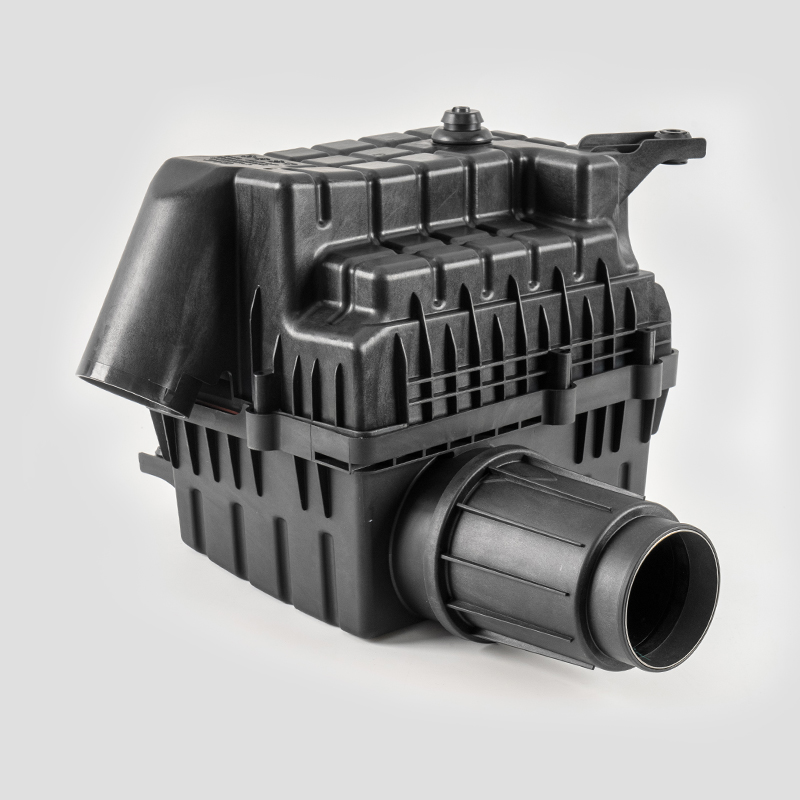
GAC A57 Automotive Engine Air Filtration System Housing Assembly
-
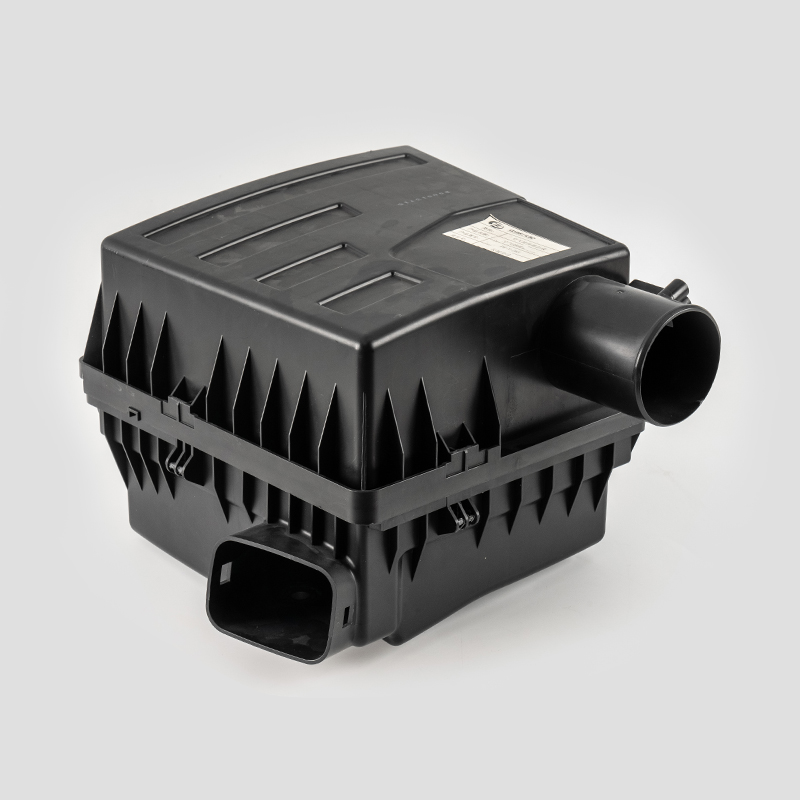
Great Wall A30 Automotive Engine Air Filtration System Housing Assembly
-
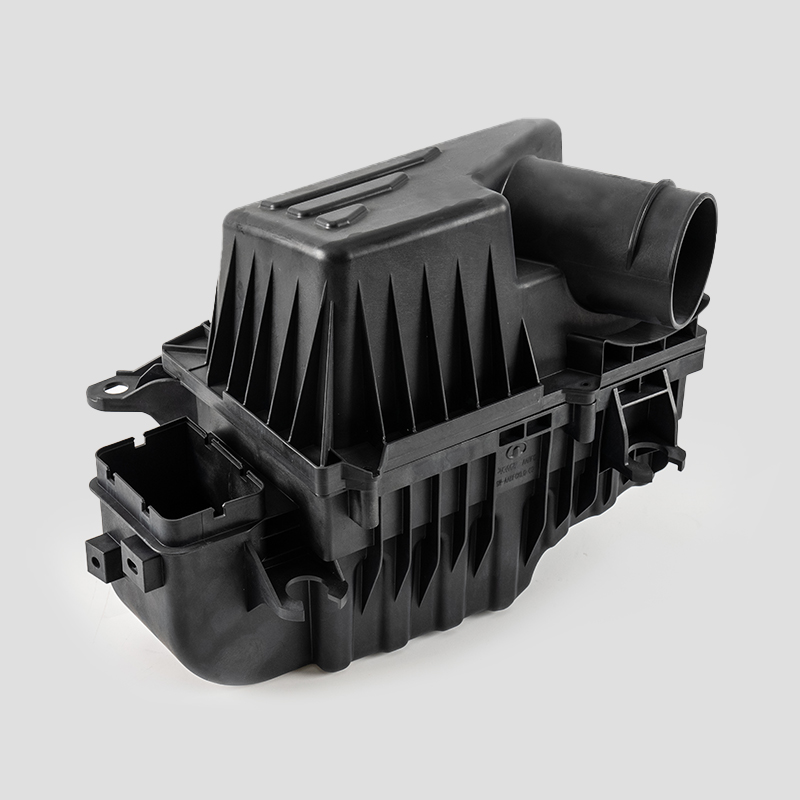
Great Wall B30 Automotive Engine Air Filtration System Housing Assembly
-
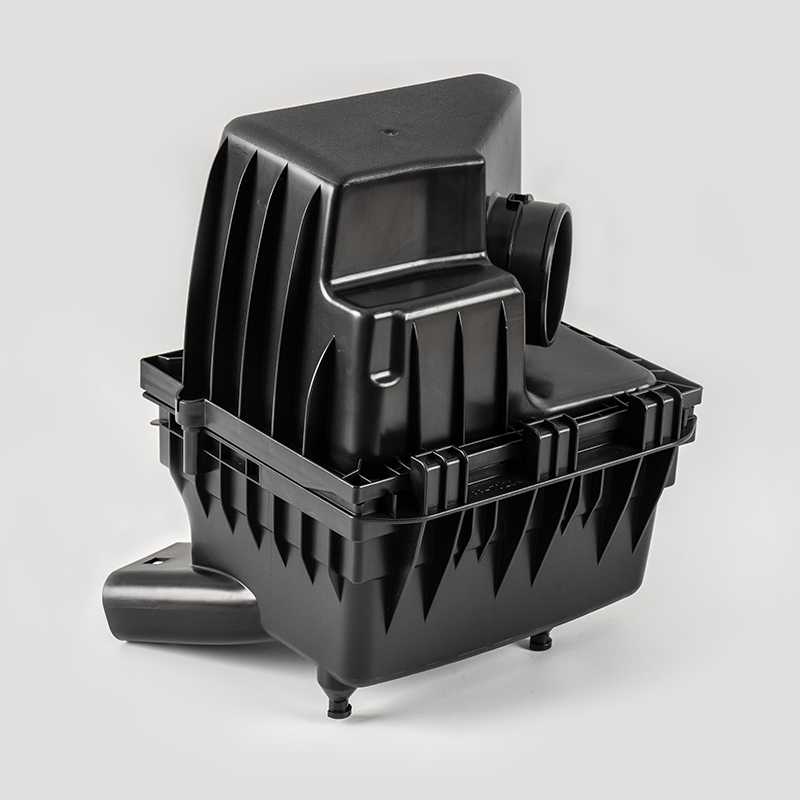
Great Wall Automotive Engine Air Filtration System Housing Assembly
-
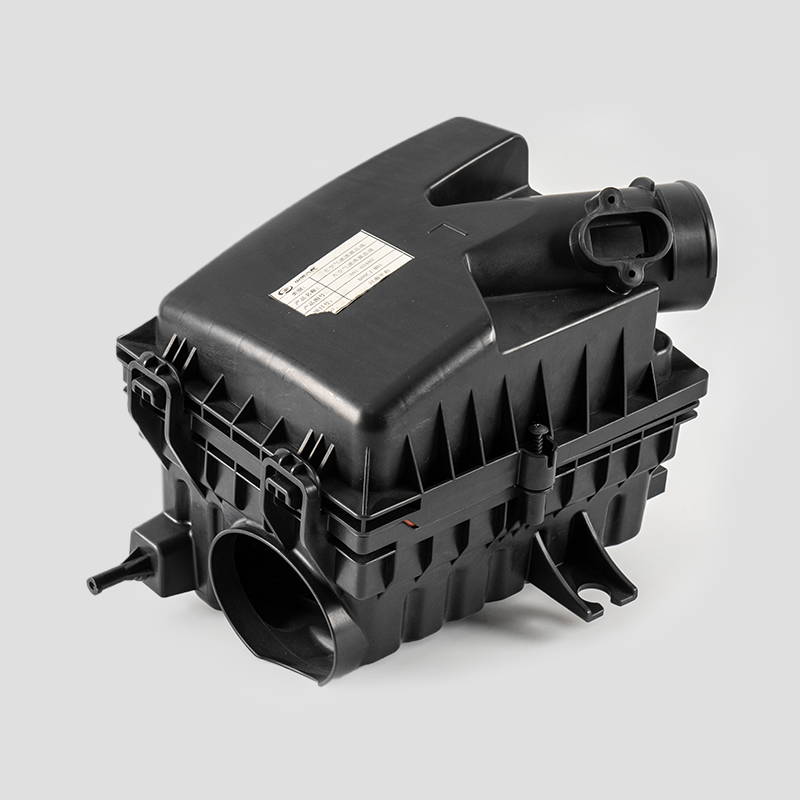
BAIC Automotive Engine Air Filtration System Housing Assembly
-
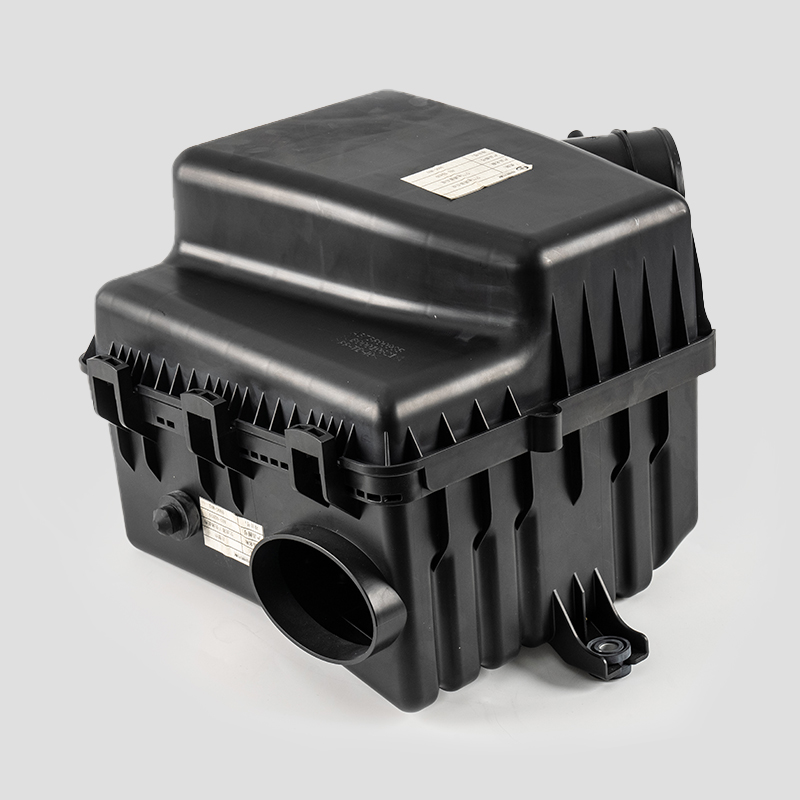
BAIC SUV Automotive Engine Air Filtration System Housing Assembly



Copyright © Ningbo Heyuan Auto Parts Co., Ltd. Rights Reserved. Custom Automobile Filter Parts Company OEM/ODM Automobile Filter Parts Manufacturer
