


 English
 Español
 عربى
عربى
What are the functions of Oil Filter?
Content
What Are the Core Functions of an Oil Filter?
The primary function of an oil filter is to remove contaminants from engine oil, including metal particles, dirt, soot, and sludge. By doing so, it ensures that only clean oil circulates through the engine, reducing friction and wear. Without this filtration, engine life can be reduced by up to 50% due to accelerated abrasion. In short, the oil filter is the guardian of your engine's internal cleanliness and longevity.
Beyond basic filtration, modern oil filters also serve as a reservoir for anti-drainback valves and pressure-relief systems, preventing dry starts and maintaining oil flow during cold starts or clogged conditions. Every time you change your oil, the filter is responsible for trapping particles as small as 20-40 microns—some premium filters capture down to 10 microns.
The Function of Oil Filter: 4 Critical Roles Explained
1. Mechanical Contaminant Removal
The filter media (typically cellulose, synthetic, or microglass) traps abrasive particles generated by engine wear, combustion byproducts, and external dirt. Over 90% of engine wear is caused by particles larger than 10 microns, making efficient filtration essential. A standard oil filter holds 10–20 grams of sludge and debris between changes.
2. Maintaining Oil Viscosity & Additive Performance
By removing oxidation byproducts and fuel soot, the filter helps preserve the oil's viscosity and the effectiveness of detergent, anti-wear (ZDDP), and dispersant additives. Clean oil lasts 2–3 times longer than oil saturated with contaminants, directly impacting change intervals.
3. Enabling Proper Oil Pressure & Flow
A clogged filter bypass valve opens to prevent oil starvation, but this allows unfiltered oil to circulate. The filter's functional role is to delay bypass activation as long as possible—typically after 20,000–30,000 km of normal driving. A clean filter ensures steady pressure between 30–80 PSI depending on engine RPM.
4. Reducing Start-up Wear via Anti-Drainback Valve
Most spin-on filters include a silicone or rubber anti-drainback valve that prevents oil from draining out of the filter when the engine is off. This ensures oil reaches critical components within 2–3 seconds after start-up, reducing dry-start wear by up to 70% compared to filters without this feature.
FAQ About Oil Filter: Practical Answers
Q1: How often should I replace my oil filter?
Every oil change. For conventional oil, that’s every 3,000–5,000 miles (5,000–8,000 km). For full synthetic, follow the vehicle manufacturer’s recommendation, typically 7,500–10,000 miles (12,000–16,000 km). Never skip a filter change—a dirty filter can reduce oil flow by 40% and cause premature bypass activation.
Q2: Can I use a different brand of oil filter?
Yes, as long as it matches the OEM specifications for thread size, bypass valve pressure (typically 10–25 PSI for passenger cars), and anti-drainback design. Using an incompatible filter can cause oil starvation or leaks. Premium filters (e.g., synthetic media) capture 99% of particles at 30 microns, while economy filters may only trap 80% at 40 microns.
Q3: What happens if I don’t change the oil filter?
The filter becomes saturated, the bypass valve opens constantly, and unfiltered oil circulates. This accelerates wear: bearing clearances can increase by 0.002–0.005 inches after just two missed filter changes, leading to low oil pressure and eventual engine knock. In extreme cases, a collapsed filter media can block oil passages entirely.
Q4: Are expensive oil filters worth the extra cost?
For high-performance or turbocharged engines, yes. Premium filters offer higher dirt-holding capacity (up to 28 grams vs. 12 grams for standard), finer filtration (20 microns absolute vs. 40 microns nominal), and robust construction. In lab tests, premium filters maintained oil cleanliness for 40% longer intervals. For regular commuting, a quality OEM-equivalent filter is sufficient.
Q5: Can I clean and reuse an oil filter?
No. Oil filters are disposable. Washing damages the filter media and cannot remove embedded particles. Reuse risks media rupture and total bypass operation, leading to catastrophic engine wear within 500 miles.
Comparative Data: Oil Filter Efficiency by Type
| Filter Type | Efficiency at 20 microns | Dirt holding capacity | Anti-drainback valve |
|---|---|---|---|
| Economy (cellulose) | ~70% | 8–12 grams | Nitrile rubber (basic) |
| Standard OEM-grade | 85–90% | 12–16 grams | Silicone (durable) |
| Premium synthetic media | 99% at 20 microns | 20–28 grams | High-temp silicone |
As the table shows, premium synthetic filters offer the best protection for extended oil change intervals and severe driving conditions. However, for regular highway commuting, a standard OEM-grade filter provides adequate engine safety.
Practical Maintenance Tips Based on Oil Filter Function
- Always pre-fill the filter before installing (on top-mount or vertical filters) to reduce dry-start time by 90%.
- Tighten by hand only – 3/4 to 1 full turn after gasket contact. Over-tightening can crush the gasket and cause leaks.
- Check the bypass valve setting – Using a filter with a PSI rating too high or low may cause oil starvation or constant unfiltered circulation.
- Cut open old filters every other change to inspect for metal flakes – excessive glitter indicates internal engine wear.
- Use a filter magnet wrap (for ferrous particles) to extend filter life by up to 25% in high-wear conditions like racing or towing.
Following these practices ensures that the oil filter performs its core functions—contaminant removal, flow maintenance, and start-up protection—without premature failure or bypass activation.
Related Products
-
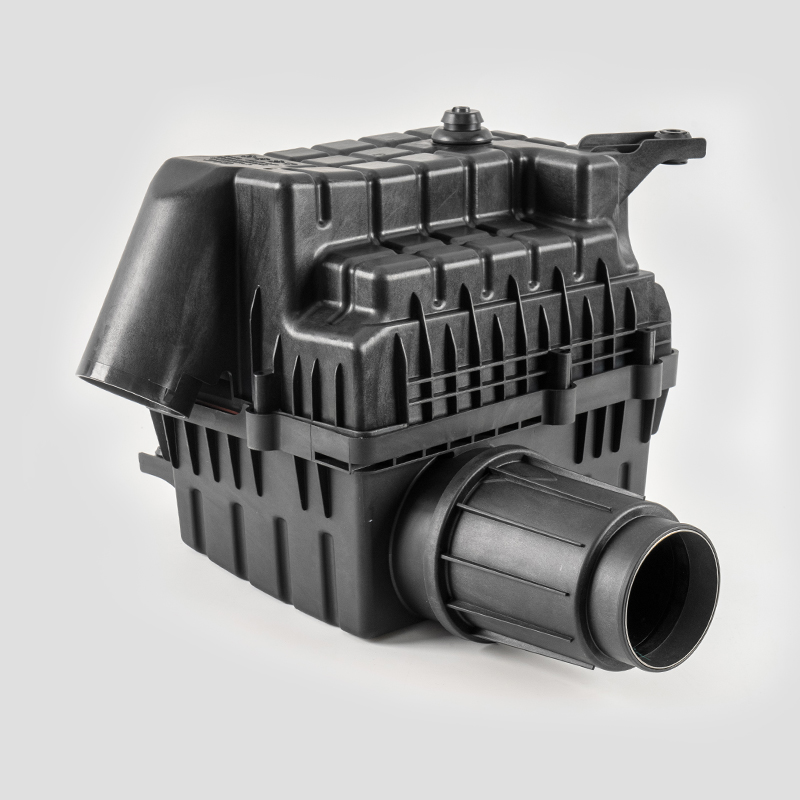
GAC A57 Automotive Engine Air Filtration System Housing Assembly
-
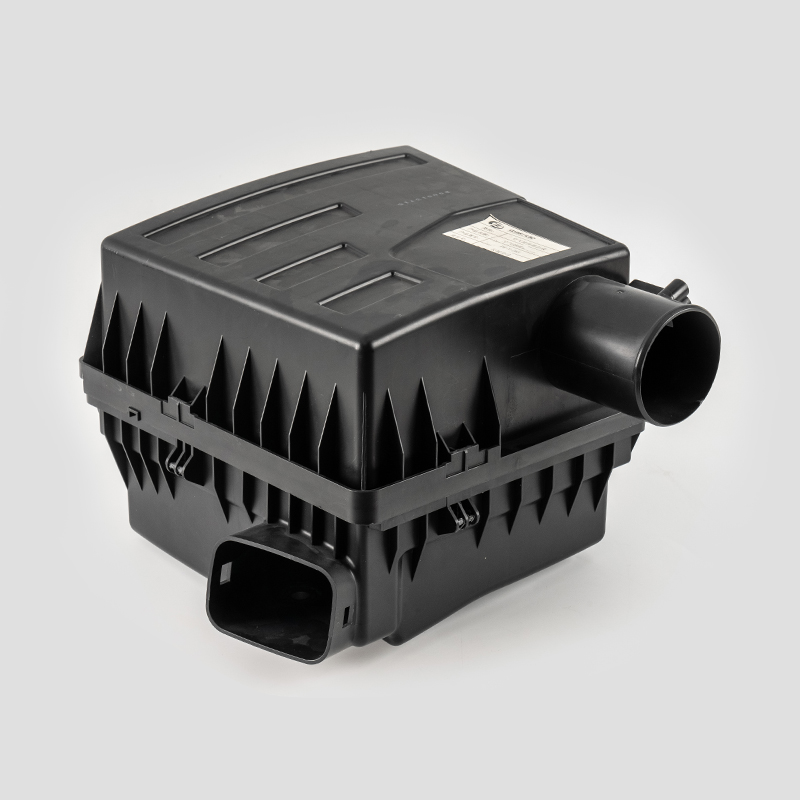
Great Wall A30 Automotive Engine Air Filtration System Housing Assembly
-
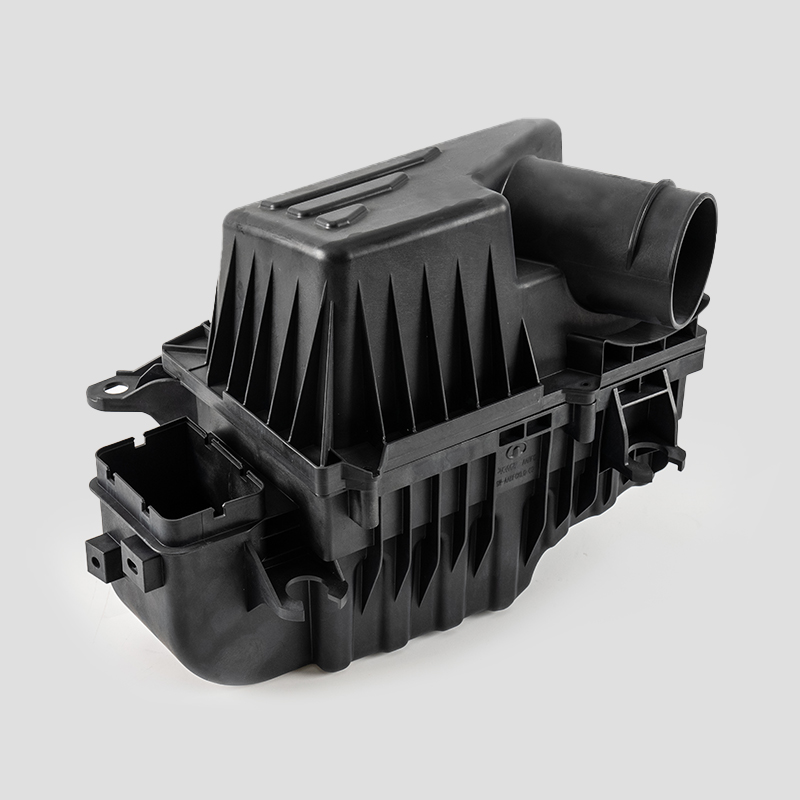
Great Wall B30 Automotive Engine Air Filtration System Housing Assembly
-
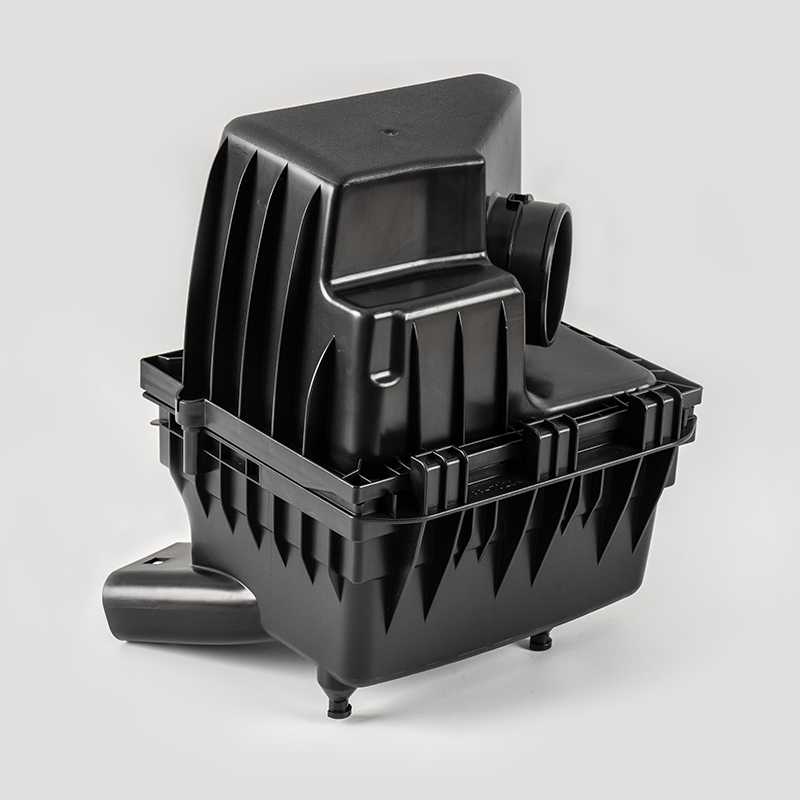
Great Wall Automotive Engine Air Filtration System Housing Assembly
-
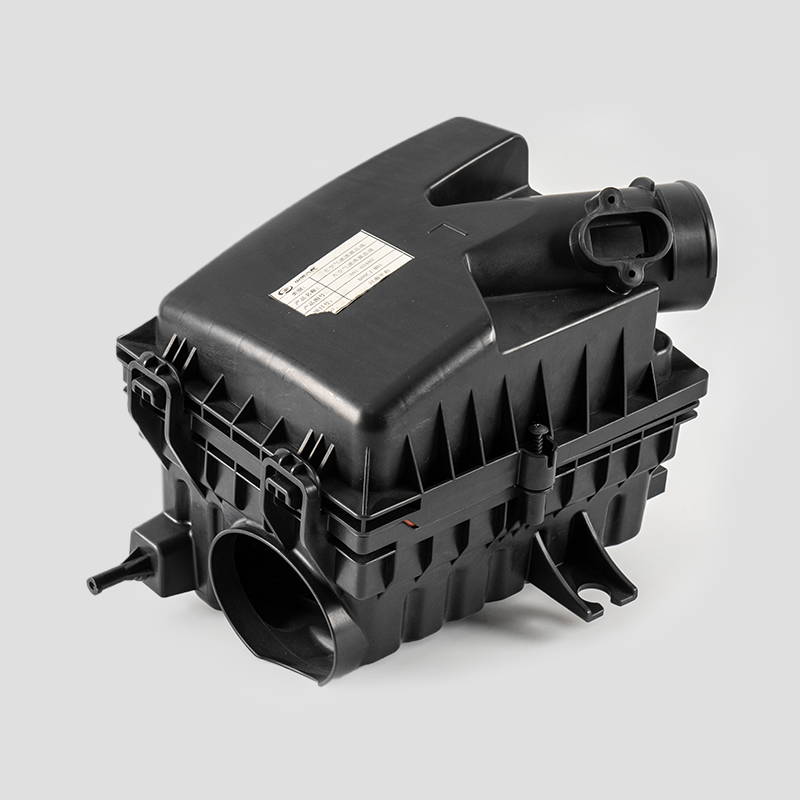
BAIC Automotive Engine Air Filtration System Housing Assembly
-
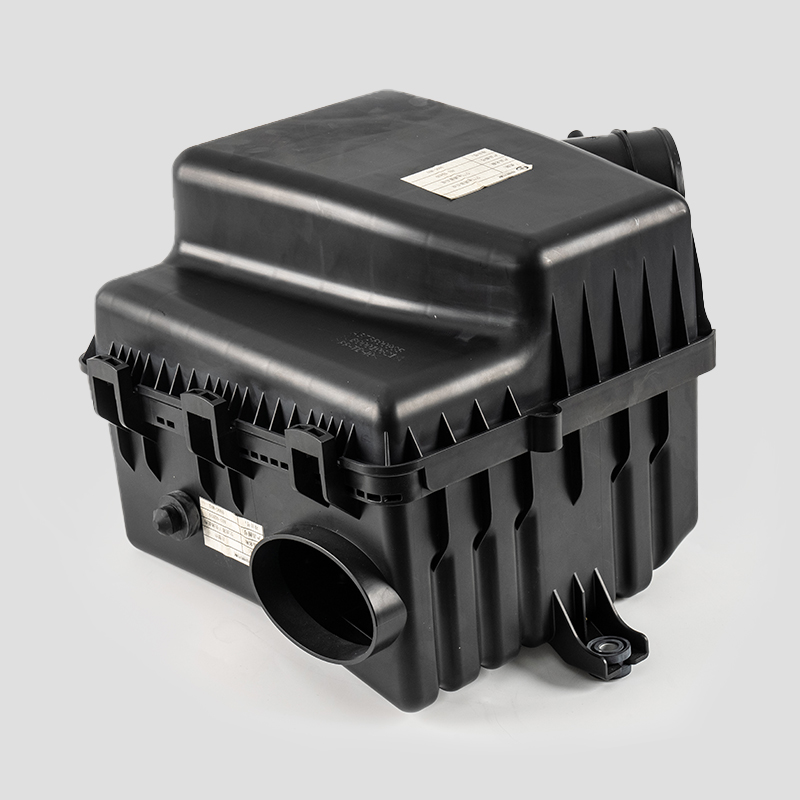
BAIC SUV Automotive Engine Air Filtration System Housing Assembly



Copyright © Ningbo Heyuan Auto Parts Co., Ltd. Rights Reserved. Custom Automobile Filter Parts Company OEM/ODM Automobile Filter Parts Manufacturer
