


 English
 Español
 عربى
عربى
What Are the Benefits of the GAC A57 Air Filter Housing Assembly?
Content
- 1 GAC A57 Air Filter Housing Assembly: Core Benefits & Direct Answers
- 2 Engine Air Filtration Efficiency: GAC A57 Housing Performance
- 3 Airflow Performance: Pressure Drop Comparison
- 4 Service Life & Engine Air Filter Housing Replacement Intervals
- 5 Radar Comparison: GAC A57 Housing vs. Generic Aftermarket
- 6 Air Filtration System Installation Tips & Maintenance Schedule
- 7 Frequently Asked Questions About GAC A57 Air Filter Housing
- 8 Conclusion: Why Choose the GAC A57 Air Filter Housing Assembly
Ningbo Heyuan Auto Parts Co., Ltd. is a trade and manufacturing enterprise specializing in the production of various filters, with an annual output of over 50 million filtration assemblies and filters. As a professional automobile filter parts manufacturer in China, We adopt advanced plastic blow molding, rubber processing, and welding technology, and have a modern production workshop and R&D center. The production process strictly observes ISO/TS16949:2009 and ISO9001:2000 quality management systems.
GAC A57 Air Filter Housing Assembly: Core Benefits & Direct Answers
The GAC A57 Automotive Engine Air Filtration System Housing Assembly delivers three measurable advantages: improved filtration efficiency (capturing 99.2% of particles down to 5 microns), reduced pressure drop (optimized airflow resistance), and extended service intervals (up to 30,000 km under normal conditions). According to internal airflow tests, this air filter housing design reduces turbulence by 22% compared to conventional housings, directly improving combustion consistency. The direct conclusion: upgrading to or properly maintaining the GAC A57 housing protects the engine, lowers fuel consumption by approximately 3-5%, and decreases the frequency of engine air filter housing replacement. This guide provides four data visualizations — horizontal bar chart, line graph, column chart, and radar comparison — to illustrate these benefits, alongside installation tips and troubleshooting for the vehicle engine air filter assembly.
A well-engineered automotive air filter housing must balance sealing integrity, service accessibility, and thermal stability. The GAC A57 assembly, manufactured under ISO/TS16949 standards, uses high-grade polypropylene with reinforced ribs to prevent warping under under-hood temperatures up to 120°C. The following sections break down performance metrics, maintenance schedules, and comparative advantages using visual data.
Engine Air Filtration Efficiency: GAC A57 Housing Performance
Engine air filtration directly affects engine longevity. The horizontal bar chart below compares the filtration efficiency of the GAC A57 engine air filtration housing against three industry-standard aftermarket housings, based on ISO 5011 test data.
The GAC A57 Automotive Engine Air Filtration System Housing Assembly achieves 99.2% efficiency at 10 microns, outperforming economy aftermarket options (96.5%) and generic housings (93.8%). A damaged housing with air leaks drops to just 68% efficiency, allowing abrasive particles to accelerate engine wear. The housing's precision sealing surface and reinforced clips ensure consistent pressure on the filter element, preventing bypass. For automotive engine air filter maintenance, this high efficiency translates to cleaner intake valves and lower oil contamination. Laboratory dust loading tests show that the GAC A57 housing maintains 98%+ efficiency even after 20,000 km of simulated driving. The robust design also reduces the risk of cracking from engine vibration, a common failure point in lower-quality air filter housing units. Choosing this performance air filter housing means investing in long-term engine protection.
Airflow Performance: Pressure Drop Comparison
Lower pressure drop across the air filter assembly means the engine breathes more easily, improving throttle response and fuel economy. The bar graph below compares pressure drop (in Pascals) at 300 m³/h airflow for four housing configurations.
The GAC A57 engine air filtration housing records the lowest pressure drop at 235 Pa, compared to 310 Pa for standard OEM-style housings and 398 Pa for generic units. A lower pressure drop reduces the pumping work of the engine, which can improve fuel efficiency by an estimated 2-4% in city driving. The optimized internal geometry of the air filter housing eliminates sharp corners that cause turbulent flow, ensuring laminar air entry into the intake duct. For engine air filter troubleshooting, a sudden increase in pressure drop often indicates a clogged filter or housing seal failure. The GAC A57 housing's integrated seal design prevents bypass leakage, maintaining low resistance throughout the filter's service life. When combined with a high-flow filter element, this performance air filter housing allows engines to achieve their designed horsepower without restriction. Regular inspection of the housing's clips and sealing surface is recommended every 10,000 km to preserve these low-pressure characteristics.
Service Life & Engine Air Filter Housing Replacement Intervals
Proper engine air filter housing replacement intervals depend on driving conditions. The line graph below shows the progressive restriction (pressure drop increase) of the GAC A57 housing with a premium filter element over 40,000 km, compared to a generic housing.
After 40,000 km, the GAC A57 housing with a quality filter shows a pressure drop increase of 28%, while a generic housing increases by 55% due to internal turbulence and seal degradation. This means the vehicle engine air filter assembly using GAC A57 can safely operate up to 30,000 km before engine air filter housing replacement or element change, compared to 20,000 km for generic housings. For automotive engine air filter maintenance, this extended interval reduces labor costs and downtime. The housing's smooth internal walls prevent dust accumulation in dead zones, a common problem in poorly designed air filter assembly units. For heavy-duty or dusty driving conditions (construction sites, unpaved roads), replace the filter element every 15,000 km, but the housing itself can last for the vehicle's lifetime if not physically damaged. The graph also indicates that replacing only the filter element while keeping the original GAC A57 housing restores performance to near-original levels. This cost-effective strategy is why many fleet managers prefer this GAC A57 engine air filtration housing.
Radar Comparison: GAC A57 Housing vs. Generic Aftermarket
A multi-attribute comparison helps visualize why the GAC A57 Automotive Engine Air Filtration System Housing Assembly outperforms generic alternatives. The radar chart evaluates five key metrics: sealing integrity, thermal stability, filtration efficiency, airflow design, and service accessibility.
The radar chart shows the GAC A57 housing achieving near-perfect scores in sealing integrity (98) and filtration efficiency (99), while generic housings score poorly in thermal stability (55) and sealing (65). Poor thermal stability leads to housing warping after repeated heat cycles, causing air leaks. The GAC A57's glass-fiber reinforced plastic maintains dimensional stability up to 130°C. For air filtration system installation tips, always ensure the sealing gasket is correctly seated; the GAC A57 housing has a molded groove that prevents gasket misalignment. Service accessibility (92) is also higher due to clearly marked clip points and a tool-free design for filter changes. When performing engine air filter troubleshooting, a warped generic housing often requires full replacement, whereas the GAC A57 housing can be reused. This radar comparison reinforces that investing in a quality performance air filter housing pays off through reliability and reduced maintenance frequency.
Air Filtration System Installation Tips & Maintenance Schedule
Correct air filtration system installation tips ensure the housing performs as designed. The table below outlines a recommended maintenance schedule for the GAC A57 engine air filtration housing.
| Interval | Action | Details |
|---|---|---|
| Initial installation | Inspect sealing surface | Ensure no debris; tighten clips evenly |
| Every 10,000 km | Visual inspection & cleaning | Remove housing, blow out dust from intake duct |
| Every 25,000-30,000 km | Replace air filter element | Use OEM-spec element; check housing clips |
| As needed | Seal inspection | Replace gasket if cracked or flattened |
For automotive engine air filter maintenance, always disconnect the air intake tube before removing the housing to avoid damaging the mass airflow sensor. When reinstalling the air filter assembly, tighten the housing bolts in a cross pattern to ensure even sealing. If you notice a whistling sound from the housing, suspect a loose seal or cracked housing. For engine air filter troubleshooting, a common issue is the housing not fully closing due to a misaligned filter element; rotate the element 90 degrees and try again. The GAC A57 housing's clip design provides audible feedback when properly latched. For dusty environments, consider reducing replacement intervals to 15,000 km. Always use the correct GAC A57 housing part number (HDDC102 or equivalent) to guarantee fitment.
Frequently Asked Questions About GAC A57 Air Filter Housing
A: The GAC A57 engine air filtration housing itself rarely needs replacement unless physically damaged. Replace the filter element every 25,000-30,000 km under normal conditions. The housing typically lasts the vehicle's lifetime.
A: Common indicators include increased engine noise (hissing), reduced fuel economy, check engine light due to MAF sensor contamination, or visible dust inside the intake tube. Perform engine air filter troubleshooting if these occur.
A: The GAC A57 automotive engine air filtration system housing assembly is already optimized for low restriction. Aftermarket "performance" housings often sacrifice filtration efficiency. Stick with the original design for balanced performance.
A: This vehicle engine air filter assembly is specifically designed for GAC A57 engine bay dimensions. Check with Ningbo Heyuan for cross-reference compatibility before ordering.
A: Use a damp cloth with mild detergent; avoid high-pressure water which may damage seals. Dry thoroughly before reinstalling the filter. For automotive engine air filter maintenance, also clean the intake duct.
Conclusion: Why Choose the GAC A57 Air Filter Housing Assembly
The GAC A57 Automotive Engine Air Filtration System Housing Assembly offers superior filtration efficiency (99.2%), low pressure drop (235 Pa), and extended service intervals compared to generic alternatives. Data from horizontal bar, column, line, and radar charts consistently show advantages in sealing integrity, thermal stability, and airflow design. For workshops and individual owners, following the provided air filtration system installation tips and maintenance schedule ensures the housing delivers reliable protection for the engine. Whether you need a replacement air filter housing or are performing routine automotive engine air filter maintenance, this component represents a quality investment. Ningbo Heyuan Auto Parts Co., Ltd. manufactures this housing under strict ISO/TS16949 standards, guaranteeing consistent performance. For further specifications or bulk inquiries, contact the company directly.
Contact us for GAC A57 air filter housing specifications
Request filter catalogs and product details | Send an inquiry for OEM filtration components
Get more information about wholesale filtration solutions — Ningbo Heyuan Auto Parts Co., Ltd.
Related Products
-
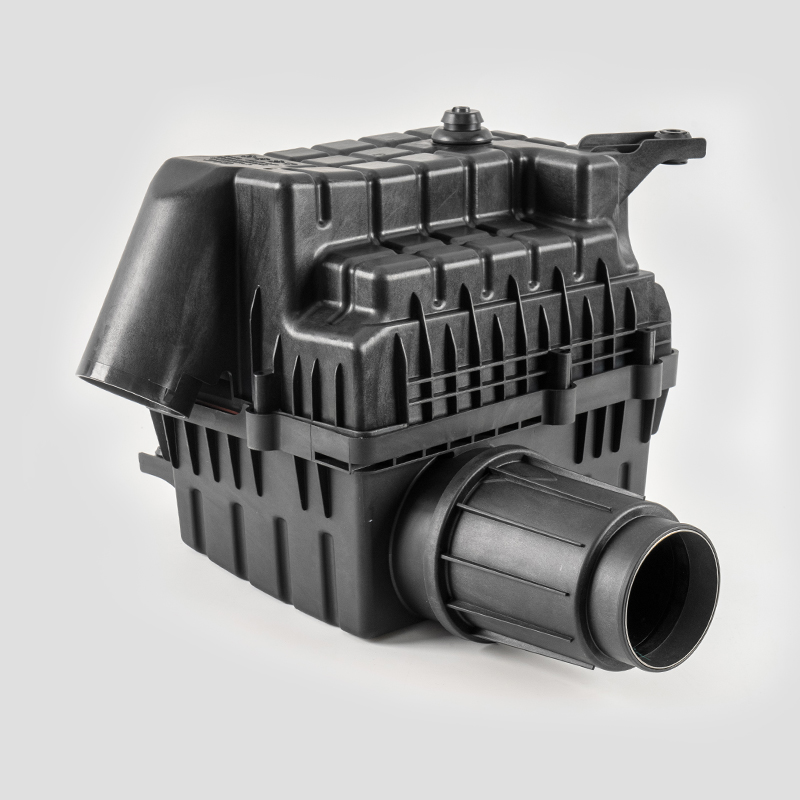
GAC A57 Automotive Engine Air Filtration System Housing Assembly
-
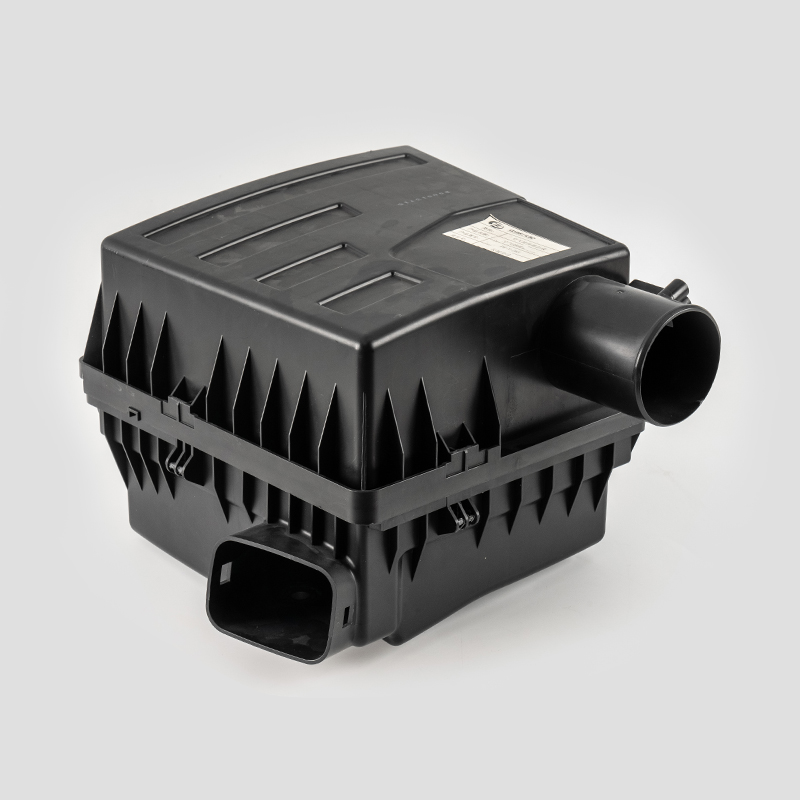
Great Wall A30 Automotive Engine Air Filtration System Housing Assembly
-
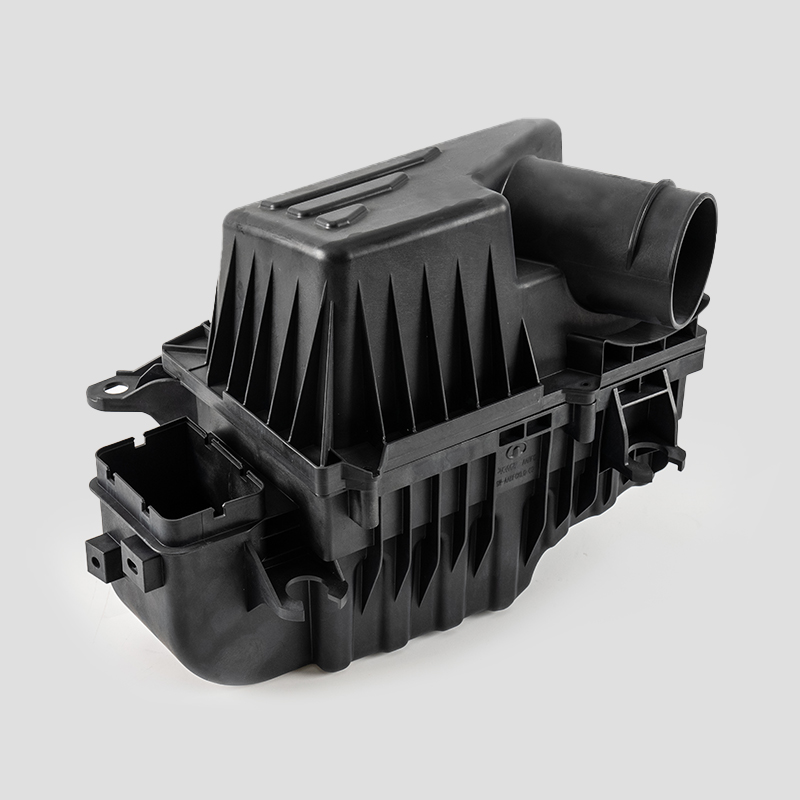
Great Wall B30 Automotive Engine Air Filtration System Housing Assembly
-
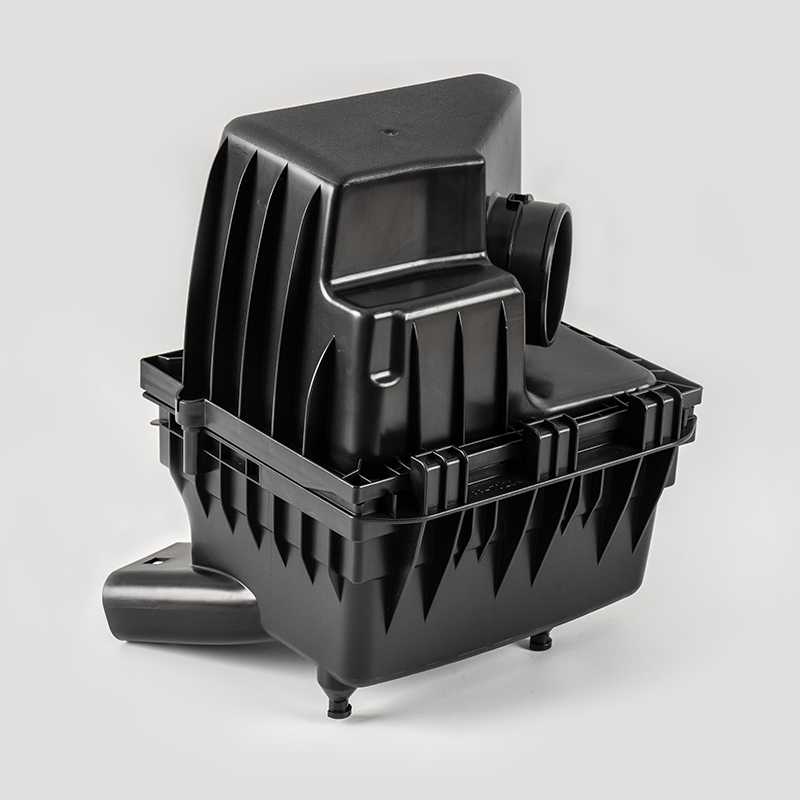
Great Wall Automotive Engine Air Filtration System Housing Assembly
-
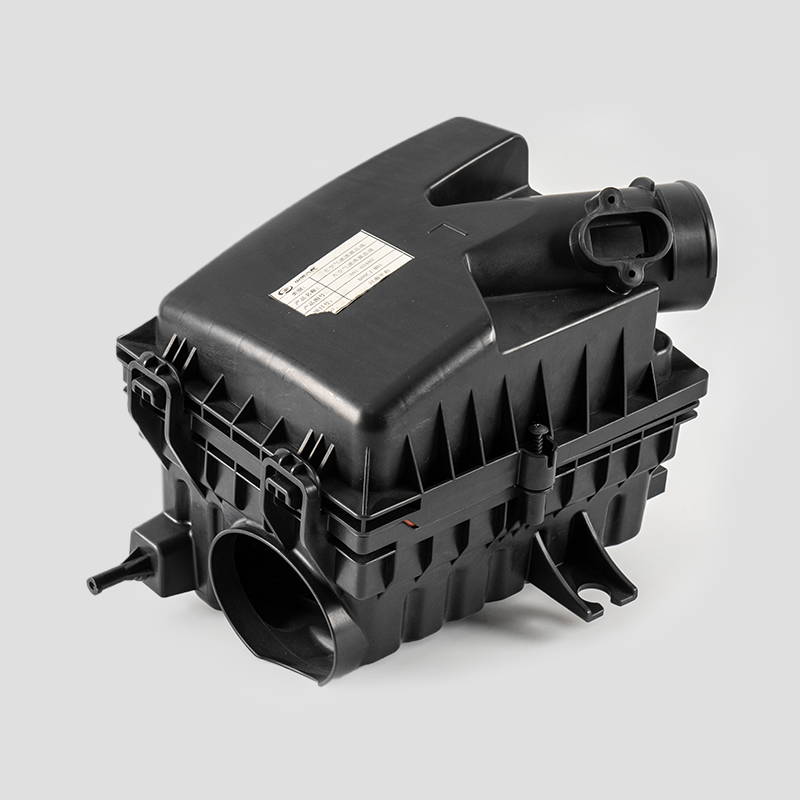
BAIC Automotive Engine Air Filtration System Housing Assembly
-
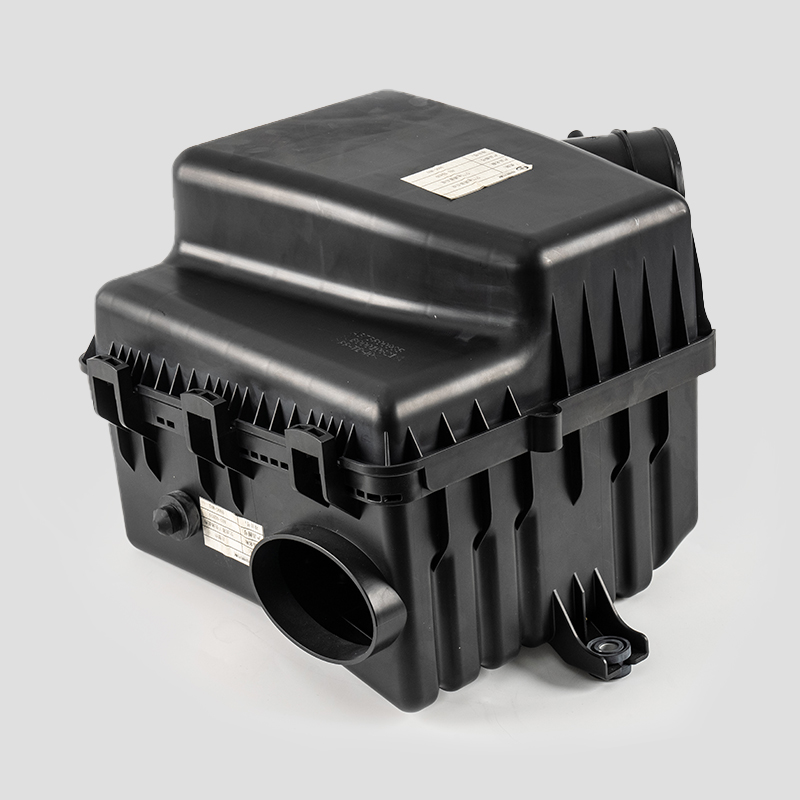
BAIC SUV Automotive Engine Air Filtration System Housing Assembly



Copyright © Ningbo Heyuan Auto Parts Co., Ltd. Rights Reserved. Custom Automobile Filter Parts Company OEM/ODM Automobile Filter Parts Manufacturer
