


 English
 Español
 عربى
عربى
How Do You Know When Your Motorcycle Air Filter Housing Needs Replacement?
Content
- 1 Seven Clear Signs Your Motorcycle Filter Housing Is Failing
- 2 How the Air Filter Housing Assembly Works Inside Your Engine
- 3 Motorcycle Filter Housing Replacement: When and Why
- 4 Impact of a Clogged or Damaged Housing on Engine Performance
- 5 Air Filter Airflow Optimization: Upgrading Your Housing
- 6 Jedi Air Filter and Housing: A Closer Look
- 7 Performance Radar: Housing Condition vs Riding Experience
- 8 Step-by-Step: Replacing Your Motorcycle Filter Housing
- 9 Filter Maintenance: Building a Routine That Protects Your Engine
- 10 About Ningbo Heyuan Auto Parts Co., Ltd.
- 11 Frequently Asked Questions
Your motorcycle air filter housing needs replacement when you notice visible cracks, warping, or broken mounting tabs on the housing body; persistent intake air leaks even after filter replacement; a rattling or vibrating cover that no longer seats flush; or chronic performance drops that persist after cleaning the filter element itself. In most cases, the filter element is replaced far more often than the housing — but the housing is not a lifetime part. On average, a motorcycle filter housing should be inspected every 20,000–30,000 km and replaced at the first sign of structural compromise.
Ignoring a damaged air filter cover allows unfiltered air — carrying dust, grit, and moisture — to bypass the filter element entirely and enter the combustion chamber. Even small particles above 10 microns can accelerate cylinder wall wear at a measurable rate, making housing integrity a genuine engine longevity issue, not merely a cosmetic one.
Seven Clear Signs Your Motorcycle Filter Housing Is Failing
Identifying housing failure early is the most cost-effective approach to filter maintenance. The housing is a structural component — once its sealing integrity is lost, no amount of filter cleaning or replacement fully compensates. Watch for these specific indicators:
- Visible cracks or stress fractures — most common near mounting bolt holes and clip tabs, where vibration concentrates stress over time.
- Broken or stripped mounting clips — the cover no longer latches shut securely, allowing gap-leakage of unfiltered air.
- Warped housing body — caused by prolonged heat exposure or contact with fuel/oil; prevents the cover from seating evenly against the filter seal ring.
- Dirt deposits inside the clean-air side — if you find gritty residue past the filter element, air is bypassing through housing gaps.
- Unexplained rich or lean running conditions — a cracked housing alters intake air volume, confusing fuel-air mapping on carbureted and fuel-injected engines alike.
- Audible intake hiss or whistle at idle or under acceleration, indicating turbulent airflow through a gap rather than the intended inlet path.
- Persistent fuel consumption increase of more than 10–15% without changes in riding conditions or load.
How the Air Filter Housing Assembly Works Inside Your Engine
The motorcycle engine air filtration system housing assembly is a precision-engineered enclosure that performs three simultaneous roles: it holds the filter element in a fixed, sealed position relative to the airbox inlet; it directs intake airflow along a defined path to optimize air velocity before the carburetor or throttle body; and it shields the filter medium from direct water ingestion during rain or puddle spray.
Most housings on mid-displacement motorcycles consist of two sections: the main airbox body (fixed, connected to the intake tract) and a removable air filter cover that clips or bolts over the filter element. The seal between cover and body — typically a rubber gasket or molded lip — is the most critical wear point. A 0.5mm gap in this seal can introduce enough bypass airflow to reduce filtration efficiency from near 99% to below 80% under highway riding conditions.
Airflow Path Through the Housing
Motorcycle Filter Housing Replacement: When and Why
A complete motorcycle filter housing replacement guide must distinguish between replacing the filter element — a routine service task — and replacing the housing assembly itself, which is a less frequent but structurally significant repair. The table below clarifies when each action is appropriate:
| Condition Found | Action Required | Urgency Level |
|---|---|---|
| Filter element dark/clogged | Replace filter element only | Routine maintenance |
| Housing has surface scratches | Monitor; clean and re-inspect | Low — cosmetic only |
| Clip broken, cover loose | Replace housing cover/clip | High — immediate |
| Structural crack in housing body | Replace full housing assembly | Critical — do not ride |
| Warped mounting flange | Replace housing assembly | High — before next ride |
| Dirt found on clean-air side | Full housing + filter replacement | Critical — engine risk |
For riders using a Jedi motorcycle engine air filtration system housing assembly, replacement intervals align closely with general industry recommendations but should also account for the specific riding environment. Desert or construction-zone riding can halve housing inspection intervals due to accelerated abrasive loading.
Impact of a Clogged or Damaged Housing on Engine Performance
A clogged motorcycle air filter fix is often straightforward — clean or replace the element. But when housing damage is the root cause of performance issues, cleaning alone will not restore function. The engine's air-fuel management system responds to airflow changes in measurable ways:
- A 25% reduction in airflow through a clogged or restricted housing can increase fuel consumption by 8–12% on carbureted engines.
- On fuel-injected motorcycles, intake air sensors detect low-flow conditions and may trigger error codes or enter limp-home mode, restricting engine output to 60–70% of rated power.
- Unfiltered air entering through housing cracks carries particles that cause cylinder bore wear at approximately 0.008mm per 10,000 km more than in sealed systems — small per trip, but significant over 50,000+ km.
- Carbon build-up on inlet valves accelerates when combustion quality is compromised by inconsistent air delivery, requiring more frequent valve cleaning services.
Air Filter Airflow Optimization: Upgrading Your Housing
Air filter airflow optimization is not only about the filter medium itself — the housing geometry significantly influences how cleanly and uniformly air reaches the filter face. OEM housings are designed for broad compatibility and regulatory compliance, which sometimes means accepting suboptimal airflow patterns. A well-designed high performance air filter housing addresses this through several engineering principles:
- Enlarged inlet cross-section — increases total airflow volume without raising inlet velocity, reducing turbulence and pressure drop across the filter element.
- Smooth internal transitions — radiused corners and gradual tapers rather than sharp 90-degree bends minimize energy loss in the airstream. A well-optimized housing can reduce pressure drop by 15–25% compared to standard designs.
- Resonance management — correctly sized internal volume acts as an acoustic plenum, damping intake noise while also smoothing out pulsed airflow from valve events at specific RPM ranges.
- Sealed water-separation baffles — route rain or spray water downward through a drain port rather than allowing it to contact the filter medium, extending filter service life by up to 30% in wet climates.
Riders considering a motorcycle air filter upgrade should evaluate the housing as part of the system rather than focusing exclusively on the filter element type. Pairing a high-flow filter with an airflow-optimized housing consistently delivers better gains than either component alone.
Jedi Air Filter and Housing: A Closer Look
The Jedi air filter system is designed as an integrated unit where the filter element and housing geometry are co-engineered rather than assembled from generic parts. A Jedi motorcycle air filter review consistently highlights the system's dimensional accuracy — housing walls are molded to tight tolerances, ensuring the filter element sits square against the seal face without gaps or rocking. This matters because even a small misalignment creates a preferential flow path around the filter rather than through it.
Jedi engine filter care follows a straightforward schedule: inspect the housing sealing lip every 10,000 km; clean the filter element or replace it every 15,000–20,000 km depending on conditions; and replace the full housing assembly if any structural damage is detected. The housing material typically used in this system is glass-fiber reinforced polypropylene, which resists both fuel/oil contact and thermal cycling better than standard PP.
Jedi Filter System Maintenance Schedule
| Interval | Task | Notes |
|---|---|---|
| Every ride (dusty conditions) | Visual inspection of housing cover | Check for loose clips after off-road use |
| 5,000 km | Tap-clean filter element if reusable | Check seal lip for compression set |
| 10,000 km | Full housing inspection + seal check | Torque check on all mounting fasteners |
| 15,000–20,000 km | Replace filter element | Sooner if riding in high-dust environments |
| On damage detection | Replace housing assembly immediately | Do not patch cracks with tape or adhesive |
Performance Radar: Housing Condition vs Riding Experience
The radar chart below illustrates how different housing conditions affect six key riding and engine performance dimensions. A new, sealed housing assembly and a cracked, aged one produce meaningfully different outcomes across all dimensions — not just filtration efficiency.
Step-by-Step: Replacing Your Motorcycle Filter Housing
This motorcycle filter housing replacement guide assumes basic mechanical familiarity. Most mid-displacement motorcycles allow housing access within 20–40 minutes with standard hand tools. The process for the Jedi motorcycle engine air filtration system housing assembly follows the same general sequence:
- Locate the airbox — typically mounted behind the headstock, under the fuel tank, or in the frame triangle. Consult the service manual for your exact model.
- Remove the seat and side panels if needed to expose the airbox cover. On most naked bikes, the air filter cover is accessible without removing major bodywork.
- Disconnect the intake duct — loosen the hose clamp connecting the airbox outlet to the carb/throttle body. Do not force or twist the rubber coupler.
- Unclip or unbolt the housing cover and remove the filter element. Set aside on a clean surface.
- Inspect the housing body thoroughly — use a flashlight to check all internal surfaces, mounting tabs, and the seal groove for cracks, deformation, or oil contamination.
- Remove the housing body by unbolting the mounting points (usually 2–4 bolts into the frame or subframe).
- Install the new housing — seat it correctly on all mounting points before threading any fasteners. Align the intake duct port first, then snug all bolts evenly in a cross pattern.
- Install a fresh filter element whenever replacing the housing — never reuse a contaminated filter in a new housing.
- Reconnect and seal the intake duct. Tighten the hose clamp to manufacturer spec (typically 2–3 Nm) to avoid cracking the coupler.
- Reinstall covers and panels, then run the engine for 5 minutes and re-check all connections for looseness or air leakage.
Filter Maintenance: Building a Routine That Protects Your Engine
Consistent filter maintenance is the most cost-effective engine protection available. On average, replacing a filter element costs 2–5% of what an engine rebuild costs. Structured maintenance records also support resale value and warranty claims. The following routine covers both the filter and the housing as an integrated system:
- After every off-road or dusty ride: Remove the cover, visually inspect the filter for excessive loading, and check housing clips and seals.
- Every 5,000 km (paved roads): Inspect filter loading and housing body. Lightly tap foam or paper elements to dislodge loose debris if not yet due for replacement.
- Every 10,000 km: Full housing inspection including the inlet duct rubber coupling, internal baffles, and drain port (if present).
- Every 15,000–20,000 km: Replace filter element regardless of visual condition. Paper elements that appear clean can still have micro-tears that bypass particles.
- At any sign of housing damage: Replace the housing assembly before continuing use. Temporary repairs with tape or sealant are not reliable under vibration and thermal cycling.
About Ningbo Heyuan Auto Parts Co., Ltd.
Ningbo Heyuan Auto Parts Co., Ltd. is a trade and manufacturing enterprise specializing in the production of various filters, with an annual output of over 50 million filtration assemblies and filters. As a professional automobile filter parts manufacturer in China, the company adopts advanced plastic blow molding, rubber processing, and welding technology, and operates a modern production workshop and R&D center.
The production process strictly observes ISO/TS16949:2009 and ISO9001:2000 quality management systems, ensuring that every housing assembly, filter element, and sealing component meets the dimensional and material standards required for reliable long-term performance. With manufacturing expertise spanning motorcycle air filter systems, automotive filtration, and high-volume OEM production, Ningbo Heyuan brings engineering precision to every unit that leaves its facility.
Frequently Asked Questions
Q1: How often should I replace my motorcycle air filter housing?
A: There is no fixed replacement interval for the housing as there is for the filter element. Inspect the housing every 10,000 km and replace it whenever you find cracks, warping, broken clips, or evidence that dirt is bypassing the filter element. In normal paved-road riding conditions, a quality housing may last the life of the motorcycle if undamaged.
Q2: Can I repair a cracked motorcycle filter housing with epoxy or tape?
A: Temporary repairs with adhesives or tape are not reliable. Housing surfaces are subject to continuous vibration, temperature swings, and occasional fuel or oil contact — conditions that cause adhesive patches to fail unpredictably. Replacing the housing is the correct and lasting solution.
Q3: Will a high performance air filter housing improve my motorcycle's power?
A: An optimized housing can reduce intake pressure drop by 15–25%, which translates to improved air volume delivery at higher RPM. For most street motorcycles the benefit is felt as improved throttle response and smoother top-end pull rather than a dramatic peak power gain. The improvement is most noticeable when combined with a compatible high-flow filter element.
Q4: What are the signs of a clogged motorcycle air filter that I should not ignore?
A: Key signs include hard starting, black smoke from the exhaust, noticeably reduced throttle response, increased fuel consumption, and rough idling. On fuel-injected motorcycles, a dashboard warning light related to air-fuel ratio is also a common indicator. Addressing a clogged filter promptly avoids downstream carburetor or injector fouling.
Q5: Does replacing the housing require recalibrating the fuel system?
A: Replacing a damaged housing with an identical OEM-specification unit requires no fuel system recalibration — the airflow volume and path geometry remain the same. Upgrading to a high-performance housing with a larger inlet or different geometry may require carburetor jetting adjustment or an ECU remap on fuel-injected motorcycles for optimal results.
Q6: Is the Jedi air filter compatible with other housing types?
A: The Jedi air filter is designed as part of an integrated filtration system where the element dimensions and seal geometry match the housing precisely. Using a Jedi filter element with a different housing type — or vice versa — risks poor sealing, reduced filtration efficiency, and potentially voiding related service warranties. Always use matched components from the same system specification.
Related Products
-
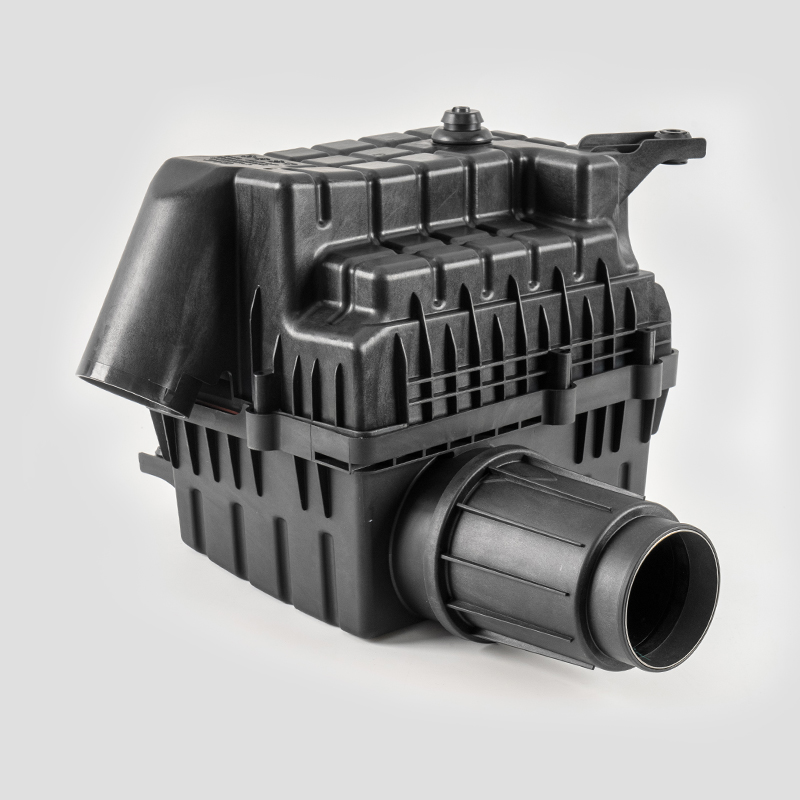
GAC A57 Automotive Engine Air Filtration System Housing Assembly
-
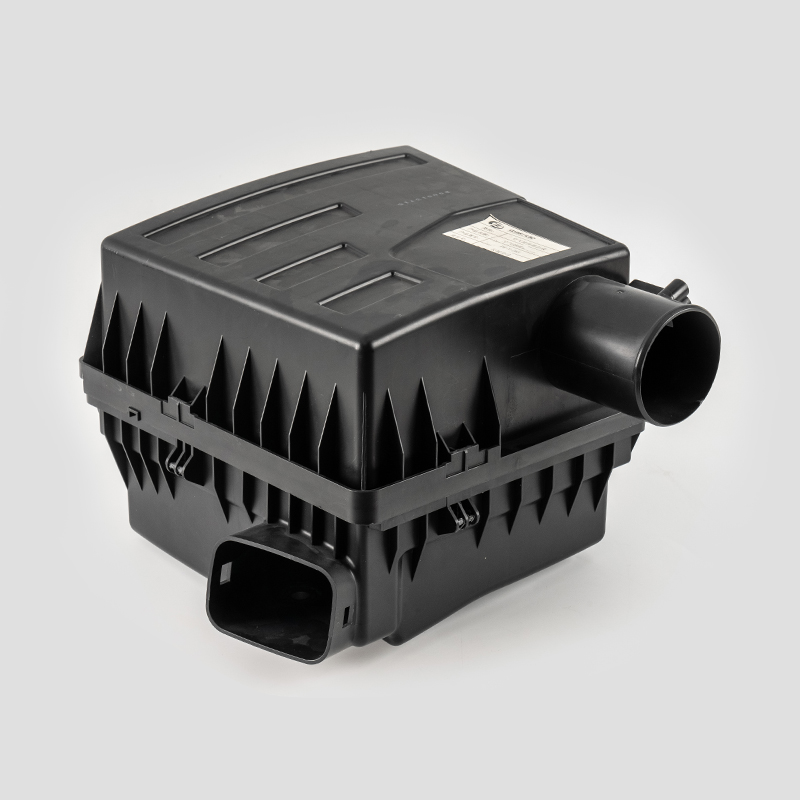
Great Wall A30 Automotive Engine Air Filtration System Housing Assembly
-
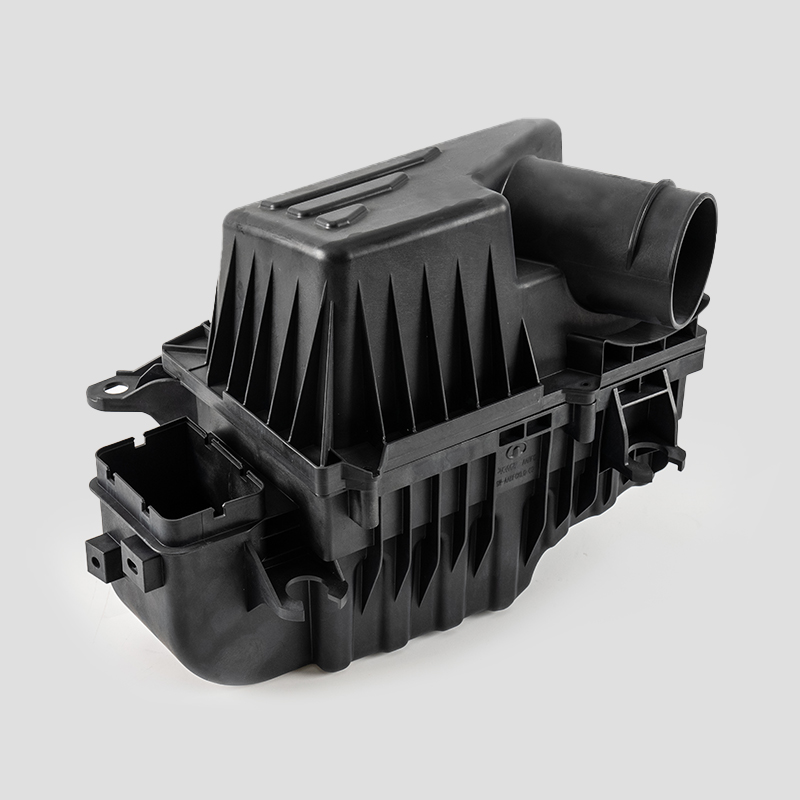
Great Wall B30 Automotive Engine Air Filtration System Housing Assembly
-
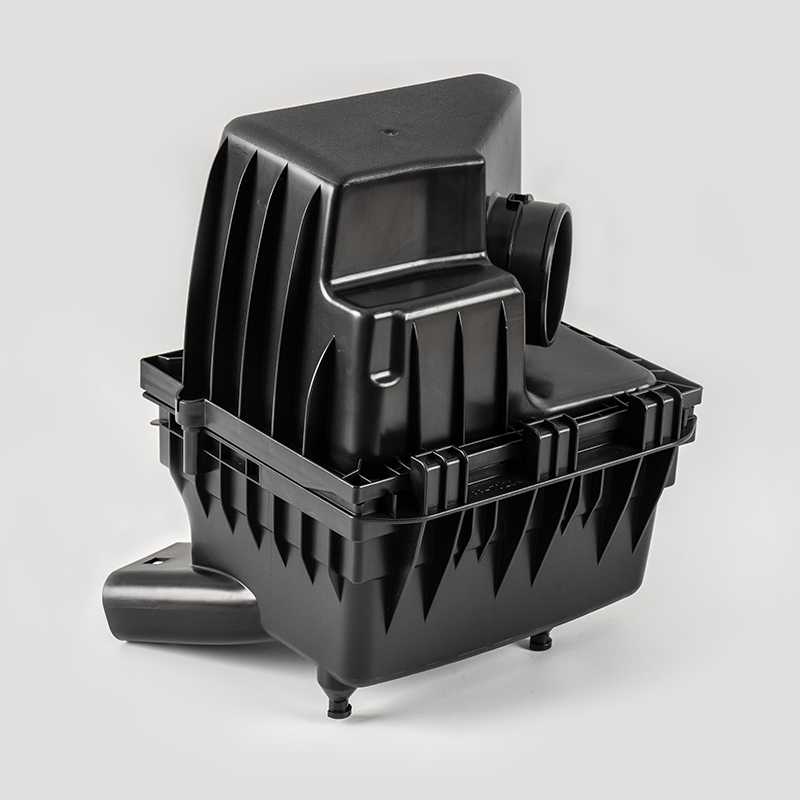
Great Wall Automotive Engine Air Filtration System Housing Assembly
-
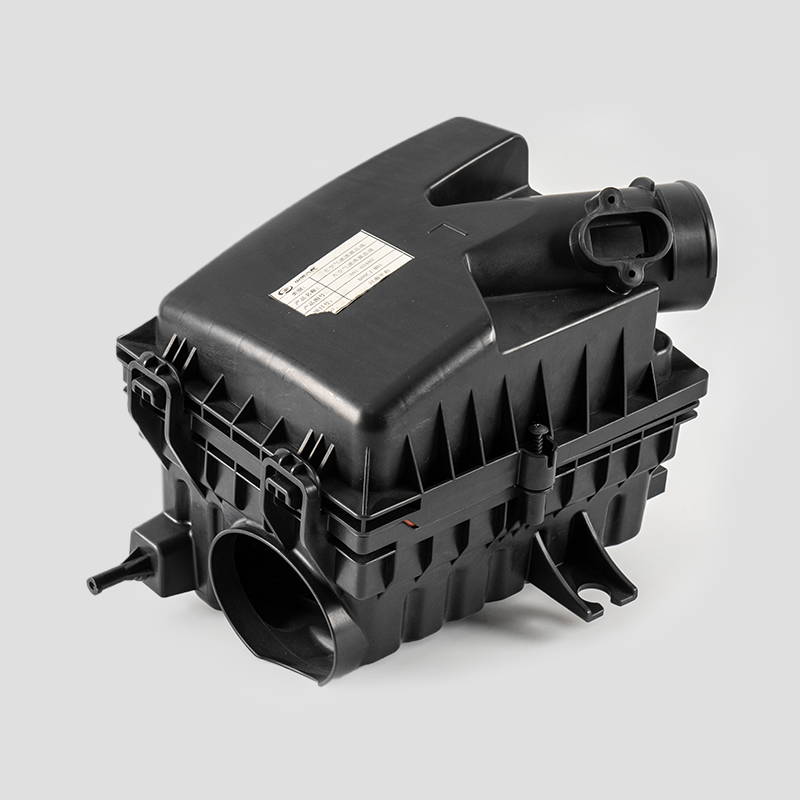
BAIC Automotive Engine Air Filtration System Housing Assembly
-
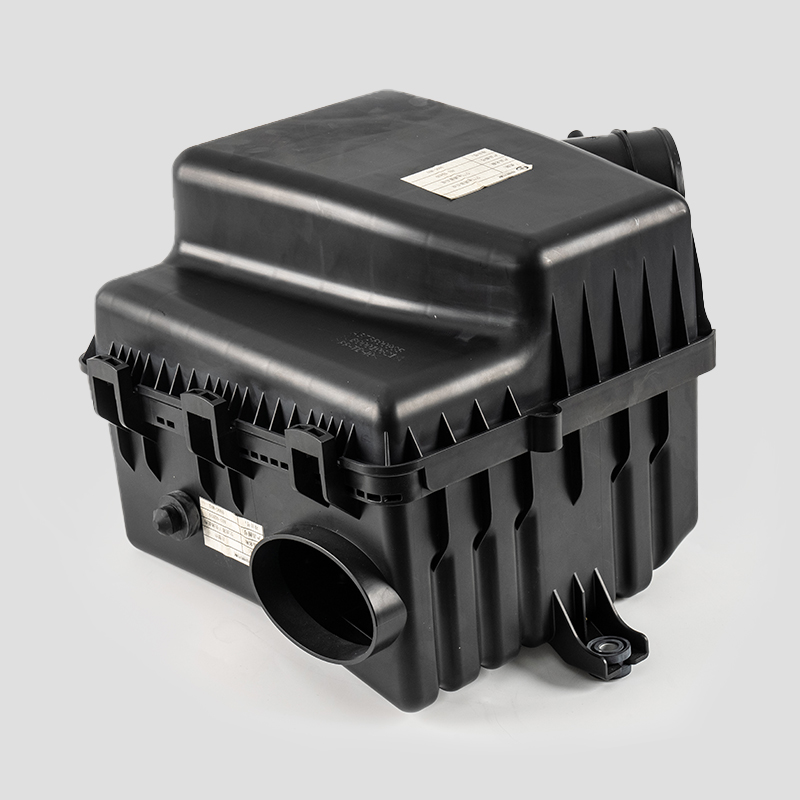
BAIC SUV Automotive Engine Air Filtration System Housing Assembly



Copyright © Ningbo Heyuan Auto Parts Co., Ltd. Rights Reserved. Custom Automobile Filter Parts Company OEM/ODM Automobile Filter Parts Manufacturer
