


 English
 Español
 عربى
عربى
Oil Filter Guide: How Spin-on Oil Filter and ECO Oil Filter Designs Protect Engine Performance
Content
- 1 Oil Filter Basics: A Direct Answer Before the Details
- 2 How an Oil Filter Protects Engine Components
- 3 Spin-on Oil Filter Anatomy: A Labeled Structural View
- 4 Spin-on Oil Filter Compared with Cartridge Oil Filter Designs
- 5 Filtration Media Materials: Cellulose, Synthetic Blend, and Full Synthetic
- 6 Diesel Engine and Gasoline Engine Oil Filter Considerations
- 7 Filtration Efficiency Across the Service Interval
- 8 Spin-on Oil Filter Compatibility with Full Synthetic and Extended-Interval Motor Oils
- 9 Understanding ECO Oil Filter Technology and Environmental Design Considerations
- 10 End-of-Life Handling and Recycling Considerations for Oil Filters
- 11 Oil Filter Considerations for Hybrid Vehicle Engines
- 12 Industry Usage Patterns Across Vehicle Segments
- 13 Oil Filter Thread Sizes and Fitment Reference Points
- 14 Manufacturing Standards and Quality Control Behind Oil Filter Production
- 15 Testing Frameworks Referenced in Oil Filter Engineering
- 16 Recognizing When Oil Filter Replacement May Be Appropriate
- 17 Choosing an Oil Filter Specification for a Given Vehicle
- 18 Common Installation Mistakes and How to Avoid Them
- 19 Warning Signs That May Indicate an Oil Filter or Seal Problem
- 20 Frequently Asked Questions
- 20.1 Q1: What is the difference between a spin-on oil filter and a cartridge oil filter?
- 20.2 Q2: What does an ECO oil filter designation actually change about the product?
- 20.3 Q3: How often should an oil filter generally be replaced?
- 20.4 Q4: Does filter media type meaningfully affect filtration performance?
- 20.5 Q5: What role does the bypass valve play in an oil filter?
- 20.6 Q6: Are spin-on oil filters suitable for both passenger vehicles and commercial trucks?
- 20.7 Q7: How should a used oil filter generally be handled after removal?
- 20.8 Q8: What is the best way to confirm the correct thread size for an oil filter?
- 20.9 Q9: Do diesel engines generally need a different oil filter than gasoline engines?
- 20.10 Q10: Does a hybrid vehicle need special oil filter maintenance?
Oil Filter Basics: A Direct Answer Before the Details
An oil filter is a mechanical component that removes solid contaminants, such as metal particles, carbon soot, and dust, from engine lubricating oil before that oil circulates back through the engine. Among the many filter formats used in passenger cars, light trucks, and commercial vehicles, the spin-on oil filter remains the most widely installed design because it combines a self-contained canister, filter media, and sealing gasket into a single unit that can be threaded onto an engine block and removed by hand or with a basic filter wrench. An ECO oil filter refers to a filter design that emphasizes reduced material waste, recyclable steel components, and manufacturing processes intended to lower the environmental footprint of production without changing the core filtration function. In short, the oil filter cleans the oil, the spin-on format determines how the filter is installed and serviced, and the ECO designation describes the sustainability approach behind how the filter is made. The remainder of this article expands on how these filters work, how they are built, how their materials compare, and how manufacturing standards support consistent quality.
Understanding these distinctions matters for anyone involved in vehicle maintenance planning, parts sourcing, or fleet management, because oil filter selection can influence engine cleanliness, oil change intervals, and long-term component wear patterns. The sections below walk through filter anatomy, material comparisons, industry usage patterns, and practical guidance for recognizing when replacement may be appropriate, supported by illustrative charts and a labeled structural diagram.
Buyers evaluating oil filter options generally encounter both OEM-specified filters and aftermarket filter options, and understanding the relationship between the two can support more informed sourcing decisions. An OEM oil filter specification refers to the fitment and performance parameters set by the vehicle manufacturer for a given engine, including thread pattern, gasket dimensions, bypass valve pressure, and media requirements. Aftermarket filter manufacturers, including automobile filter parts manufacturers producing spin-on and ECO oil filter product lines, generally engineer their products to meet or align with these same specified fitment and performance parameters, allowing the aftermarket filter to serve as a functional replacement option for routine maintenance. Confirming that an aftermarket filter's documented specifications match the OEM fitment requirements for a given engine remains the key step in this evaluation, regardless of which sourcing channel a buyer or workshop ultimately chooses.
How an Oil Filter Protects Engine Components
Modern internal combustion engines rely on a continuous supply of clean lubricating oil to reduce friction between moving parts such as camshafts, crankshaft bearings, piston rings, and valve train components. As oil circulates, it inevitably picks up combustion byproducts, wear metal fragments, and airborne dust that enters through the intake system. The oil filter sits in the lubrication circuit, typically in a full-flow configuration, meaning nearly all of the oil pumped through the engine passes through the filter media before reaching critical bearing surfaces. This full-flow arrangement is the dominant design used across most gasoline and diesel passenger vehicle engines produced today.
Inside the filter housing, oil enters through a ring of small holes around the outer edge of the base plate, passes through pleated filter media from the outside in, and exits through a center hole that connects back to the engine oil galleries. Two small but functionally important components support this process: an anti-drain-back valve, which is a flexible rubber disc that prevents oil from draining out of the filter and back into the pan when the engine is off, and a bypass relief valve, which opens if the media becomes restricted so that oil flow to the engine is not interrupted. Without a functioning bypass valve, a clogged filter could theoretically starve the engine of lubrication, so this safety feature is considered a standard design element in full-flow oil filter engineering. The combination of pleated media, a check valve, and a bypass path is what allows a single compact canister to perform continuous filtration duty across an entire oil change interval.
Because the filter is positioned directly in the path of oil headed toward bearings and other tight-tolerance surfaces, its construction quality has a direct relationship to how effectively abrasive particles are kept away from metal-on-metal contact points. This is one reason automotive filter manufacturers place significant emphasis on consistent pleat spacing, sealing gasket quality, and canister strength during production, topics addressed in more detail later in this article.
Contaminants entering engine oil generally fall into a few broad categories, and recognizing them helps explain why filtration is treated as a continuous process rather than a one-time cleaning step. Combustion byproducts, including carbon soot and partially burned fuel residue, enter the oil through piston ring blow-by during normal engine operation. Metallic wear particles are generated as bearings, piston rings, and cylinder walls experience ordinary friction, with particle size and quantity typically increasing as an engine accumulates operating hours between services. Airborne dust and silica particles can enter through the air intake system, particularly in dusty operating environments, and are considered especially abrasive relative to their small size. Over time, oil itself also undergoes chemical changes through oxidation and additive depletion, which is a separate consideration from particulate contamination but is one of the reasons oil and filter replacement are typically scheduled together rather than independently.
Spin-on Oil Filter Anatomy: A Labeled Structural View
A spin-on oil filter looks simple from the outside, but its internal structure includes several precisely engineered components working together. The isometric diagram below breaks down a typical spin-on filter cutaway into its main functional parts, using numbered callouts that correspond to the legend listed underneath. This structural view is useful for understanding why spin-on filters are serviced as a single disposable unit rather than as separate replaceable parts.
- Outer steel canister, formed and welded to withstand internal oil pressure and vibration.
- Pleated filter media, folded to maximize surface area within a fixed cylindrical volume.
- Center steel support tube, which channels filtered oil back toward the engine oil galleries.
- Bypass relief valve location, positioned near the base to allow oil flow if media restriction occurs.
- Anti-drain-back valve, a flexible rubber disc that limits oil drain-back when the engine is off.
- Base plate with threaded mounting port, matched to the engine block or oil filter adapter thread.
- Rubber sealing gasket, compressed against the mounting surface to prevent external oil leakage.
Spin-on Oil Filter Compared with Cartridge Oil Filter Designs
Two main formats dominate the full-flow oil filter market today: the spin-on oil filter, described above, and the cartridge style filter, sometimes called an element-only filter, which uses a reusable plastic housing built into the engine along with a replaceable paper or synthetic filter element. Each design has structural trade-offs that influence installation method, waste generated at service intervals, and how the filter integrates with the surrounding engine bay layout.
| Characteristic | Spin-on Oil Filter | Cartridge Oil Filter |
|---|---|---|
| Housing | Integrated steel canister, replaced as one unit | Reusable plastic housing on the engine |
| Replaceable part | Entire canister with media, gasket, and valves | Filter element only, plus a separate seal ring |
| Installation tool | Hand tightened or filter wrench | Housing cap wrench, then element swap |
| Metal waste per service | Includes the steel canister each change | Typically limited to the element and seal |
| Common vehicle use | Widely used across passenger and commercial vehicles | Common on some newer European platforms |
The spin-on format remains dominant globally in large part because it simplifies service work into a single removal and installation step, which reduces the chance of a technician mishandling a separate seal or element during a routine oil change. Cartridge systems can reduce the amount of steel discarded per service interval, since the outer housing is reused, but they require careful attention to the housing cap seal to avoid leaks. Neither format is inherently superior for every application, and vehicle manufacturers typically specify one format based on packaging space, engine architecture, and historical platform design choices rather than filtration performance alone.
From a practical maintenance standpoint, technicians working across a mixed vehicle fleet generally need to stock or source both formats depending on the specific engine platforms being serviced, since a workshop cannot substitute one format for the other on a vehicle designed around a particular filter type. For vehicle owners, the format installed on a given engine is generally fixed by the original engineering design, meaning the relevant decision point becomes selecting a quality-appropriate spin-on oil filter or cartridge element within that predetermined format rather than choosing between the two formats themselves.
Filtration Media Materials: Cellulose, Synthetic Blend, and Full Synthetic
The filter media inside an oil filter is typically constructed from one of three general material categories: cellulose fiber paper, a cellulose and synthetic fiber blend, or full synthetic microfiber material. Cellulose media has long been the standard baseline material because it is cost effective to manufacture and provides adequate filtration for typical passenger vehicle service intervals. Synthetic blend media incorporates man-made fibers alongside cellulose to improve pore consistency and increase the dirt-holding capacity of the pleated pack. Full synthetic media, made entirely from engineered microfibers, generally offers the most consistent pore structure and is often associated with extended service interval applications in modern engines.
The chart above presents an illustrative relative index rather than certified laboratory figures for any single product, and it is intended to show the general pattern widely recognized in filtration engineering literature: synthetic media types tend to hold more contaminant mass before reaching restriction compared to cellulose media of similar physical size. This pattern is generally attributed to the more uniform fiber diameter and pore distribution achievable with engineered synthetic fibers compared to natural cellulose fibers. A higher relative dirt-holding capacity generally allows a filter to maintain stable flow characteristics for a longer portion of the service interval before the bypass valve is likely to open under heavy loading. Industry testing methodologies for full-flow lubricating oil filters, broadly referenced under the ISO 4548 series of standards, provide the general framework used across the industry to evaluate filtration efficiency and contaminant retention in a controlled and repeatable way. Because actual results depend on oil condition, driving environment, and engine wear state, these figures should be read as a general educational comparison rather than a guarantee of performance for any specific vehicle or driving pattern. Selecting a media type is therefore best approached as matching the filter specification to the engine manufacturer recommendation and the expected service interval rather than choosing based on media type alone.
Diesel Engine and Gasoline Engine Oil Filter Considerations
The combustion characteristics of diesel and gasoline engines create different demands on an oil filter, which is why housing size, media volume, and valve calibration often differ between the two engine families even when the external spin-on format looks similar. Diesel combustion tends to generate a higher proportion of soot particles that migrate into the lubricating oil compared to typical gasoline combustion, which places additional loading on the filter media over a given interval. For this reason, diesel engine oil filters, particularly those used on light and heavy commercial trucks, are frequently built with a larger overall canister volume and a media pack designed for higher soot-holding capacity than filters intended for smaller gasoline passenger car engines.
Modern turbocharged gasoline direct injection engines have introduced their own particulate considerations, since direct injection combustion can produce more particulate matter than traditional port injection engines, narrowing some of the historical gap between gasoline and diesel filtration demands. Some heavy-duty diesel platforms also incorporate a secondary bypass filtration circuit alongside the primary full-flow spin-on filter, using a smaller flow path to capture very fine particles that the full-flow media is not designed to remove on its own. This combination approach is generally used where extended service intervals are common and where sustained high-load operation increases the rate of contaminant generation.
When selecting an oil filter for a diesel application, it is generally advisable to confirm the media volume and bypass valve pressure rating specified for that engine family rather than assuming a gasoline-oriented filter of similar external dimensions will provide equivalent service life. Matching filter specification to engine type in this way is one of the more overlooked aspects of routine maintenance planning, particularly in mixed commercial fleets that operate both gasoline and diesel vehicles under a single service schedule.
Filtration Efficiency Across the Service Interval
Filtration efficiency is not a fixed number that stays constant throughout an oil change interval. As a filter accumulates trapped particles, the pleated media pack often becomes progressively better at capturing very fine particles, a phenomenon sometimes called cake filtration, while at the same time the pressure drop across the media gradually increases. Understanding this relationship helps explain why oil filter replacement timing matters as much as the filter specification itself.
This line chart is a schematic representation, not a measured data set from a specific test run, and it illustrates a generally accepted engineering concept rather than an exact numeric curve. Early in an oil change interval, filtration efficiency for fine particles is often slightly lower because the media pores have not yet accumulated the initial layer of trapped debris that helps capture subsequent particles. As trapped material builds up within the pleats, efficiency for small particles frequently improves somewhat before beginning a gradual decline as the media approaches a more restricted state near the end of the service interval. Toward the later portion of the interval, if the media becomes significantly restricted, the bypass valve may open more frequently under cold start or high viscosity conditions, allowing unfiltered oil to pass temporarily to protect engine lubrication supply. This is one of the core engineering reasons that manufacturers recommend replacing the oil filter at the same time as the oil itself rather than extending filter service life independently. Recognizing this general efficiency curve helps explain why consistent maintenance scheduling, rather than reactive replacement, tends to support more stable engine lubrication conditions over time.
Spin-on Oil Filter Compatibility with Full Synthetic and Extended-Interval Motor Oils
The increasing use of full synthetic motor oil, often paired with longer manufacturer-recommended oil change intervals, has changed some of the expectations placed on a modern oil filter. Full synthetic oils generally maintain their viscosity and additive performance over a longer period than conventional mineral oils, which is part of why many vehicle manufacturers pair synthetic oil recommendations with extended service intervals. However, a longer interval between oil changes also means the filter installed at that service must handle a greater cumulative volume of contaminant loading before the next replacement, which is why filter selection becomes more important, rather than less important, as intervals extend.
A filter paired with an extended-interval full synthetic oil generally benefits from higher dirt-holding capacity media, such as a synthetic blend or full synthetic media pack, so that the filtration system as a whole is matched to the longer service period rather than only the oil itself being upgraded. Installing a standard cellulose-media filter alongside an extended-interval synthetic oil program, while still following the standard replacement mileage for the filter, can create a mismatch where the filter reaches a more restricted state earlier in the interval than the oil chemistry would otherwise allow. For this reason, some vehicle manufacturers and filter engineering teams recommend confirming that filter specification, not only oil specification, is appropriate for an extended-interval maintenance program before adopting it.
Chemical compatibility is a secondary consideration worth noting as well, since filter media, adhesives, and rubber valve components must remain stable when exposed to the specific additive package used in modern synthetic oils over the full duration of an extended interval. Reputable filter manufacturers generally validate media and rubber component formulations against a range of oil chemistries as part of their research and development process, which is one reason working with an established, quality-managed filter supplier can matter more, rather than less, as service intervals are extended.
Understanding ECO Oil Filter Technology and Environmental Design Considerations
An ECO oil filter is designed around the same core full-flow filtration principles as a conventional spin-on oil filter, while placing additional emphasis on manufacturing choices intended to reduce material waste and support recyclability. This can include using canister steel gauges optimized to reduce excess material while maintaining structural strength, designing base plates and end caps that separate cleanly from filter media during recycling processing, and reducing packaging materials where practical. The goal of an ECO oil filter design approach is to maintain the filtration performance expected of a standard spin-on filter while addressing end-of-life material recovery and production efficiency.
This radar chart is a schematic and qualitative comparison intended for general educational illustration rather than a precise measured benchmark between two specific products. It reflects the general design intent behind ECO-oriented filter engineering: recyclable material use and reduced environmental impact are prioritized in the design process while filtration efficiency and structural durability are maintained at levels consistent with standard spin-on filter expectations. Installation ease is generally comparable between the two approaches because the external thread interface and mounting method typically remain unchanged. The main practical difference tends to appear in end-of-life material handling and in the production process itself, where techniques such as controlled plastic blow molding, rubber component processing, and precision welding can support more efficient material use per unit produced. For fleet operators or workshops evaluating filter sourcing, this generally means an ECO oil filter can be considered alongside a standard oil filter as a functionally comparable option, with the distinguishing factor being the sustainability-oriented manufacturing approach rather than a change in the fundamental filtration task the part performs.
End-of-Life Handling and Recycling Considerations for Oil Filters
A used oil filter retains a quantity of residual oil within the media pack and canister even after it has been removed from the engine, which is why proper end-of-life handling is treated as a distinct maintenance topic in most professional workshop environments. Common general practice involves allowing the removed filter to hot drain in an upright position for a period of time so that residual oil can be recovered and added to the used oil collection stream rather than being discarded with the filter itself. Many workshops use a mechanical filter crusher to compact the canister after draining, which reduces storage volume and helps separate remaining oil from the steel body before recycling.
Because a spin-on filter canister is predominantly steel, it is generally accepted as scrap metal for recycling once residual oil has been properly removed, though specific handling requirements and collection programs vary by region and local regulation. This is one area where ECO oil filter design considerations can provide a practical benefit: canisters built with consistent steel gauge and end caps designed for cleaner separation from the internal media and rubber components can simplify the draining and recycling process at the workshop level compared to filters where component separation is less straightforward. Rubber components, including the anti-drain-back valve and sealing gasket, are typically processed separately from the steel body during recycling, since they are a different material stream.
Workshops and fleet operators handling higher volumes of used filters generally benefit from establishing a consistent internal process for draining, crushing, and routing filters to an appropriate metal recycling channel, both to support more efficient material recovery and to align with regional environmental handling expectations, which should always be confirmed against local regulatory requirements rather than assumed to be uniform across markets.
Oil Filter Considerations for Hybrid Vehicle Engines
Hybrid vehicles that combine an internal combustion engine with an electric drive system still rely on a conventional oil filter for the combustion engine portion of the powertrain, since the lubrication requirements of the internal combustion components remain fundamentally similar to a non-hybrid engine. What does change in many hybrid platforms is the operating pattern of the combustion engine itself, since the engine may cycle on and off frequently as the vehicle switches between electric and combustion power sources rather than running continuously the way a conventional engine typically does.
This frequent start-stop cycling can affect oil temperature stability, since the engine may not remain at a consistent operating temperature for extended periods, and it can also mean the engine accumulates fewer running hours relative to the vehicle's total mileage compared to a conventional vehicle covering the same distance. Because of this, some hybrid vehicle manufacturers specify oil and filter change intervals based on a combination of mileage, elapsed time, and engine run hours rather than mileage alone, which is worth confirming against the specific vehicle owner manual rather than assuming a standard mileage-based interval applies directly.
From a filter specification standpoint, hybrid vehicle combustion engines generally use the same spin-on filter formats, thread patterns, and media categories described throughout this article, so the fitment and selection guidance provided here applies in largely the same way. The main practical difference for hybrid vehicle owners and technicians is paying closer attention to the maintenance interval basis specified by the manufacturer, since a start-stop combustion cycle can behave differently from continuous engine operation when it comes to contaminant accumulation and oil condition over time.
Industry Usage Patterns Across Vehicle Segments
Spin-on oil filters are used across a broad range of vehicle and equipment categories, from passenger cars to heavy-duty commercial trucks and off-highway agricultural machinery. The relative usage distribution below is illustrative and intended to reflect generally understood patterns in automotive filtration applications rather than a specific proprietary market study.
This donut chart illustrates a representative distribution rather than certified market share data from a named research firm, and the percentages should be understood as approximate and directional. Passenger vehicles represent the largest general share of spin-on oil filter applications because gasoline engines in sedans, hatchbacks, and compact SUVs make up the majority of vehicles on the road in most markets. Light commercial vehicles, including vans and pickup trucks used for delivery and trade work, form a substantial secondary category, often operating on more frequent duty cycles that can shorten practical oil change intervals compared to typical passenger car use. Heavy-duty commercial trucks generally use larger filter housings and higher-capacity media packs because diesel engines in this category process greater oil volumes and operate under heavier sustained loads. Agricultural and off-highway equipment represents a smaller but steady application category, where filters are frequently exposed to dustier operating environments and may require more attentive inspection scheduling as a result. Recognizing which segment a given vehicle or piece of equipment falls into can help guide appropriate filter specification and realistic maintenance interval planning.
Oil Filter Thread Sizes and Fitment Reference Points
One of the most common sources of confusion when sourcing a spin-on oil filter is thread compatibility, since a filter that appears similar in overall canister diameter may use a different mounting thread than the engine actually requires. The automotive industry has settled on a relatively small number of widely used thread patterns across gasoline and diesel platforms, and understanding these general categories can help narrow down the correct specification before consulting a full fitment reference.
| Thread Pattern | General Usage Pattern |
|---|---|
| 3/4-16 UNF | Widely used across many gasoline passenger vehicle platforms |
| M20 x 1.5 | Common on a range of Asian and European engine designs |
| M22 x 1.5 | Frequently found on larger displacement and diesel engines |
| 1-12 UN | Used on some larger commercial truck and industrial engines |
Beyond thread pattern, gasket outer diameter and thickness also influence proper sealing, since a correct thread paired with an incompatible gasket size can still result in an inadequate seal against the mounting surface. Filter height and overall canister diameter matter as well, particularly on engines with limited clearance around the filter mounting location, where an oversized canister could contact adjacent components such as exhaust manifolds or chassis members. Because thread pattern alone does not fully determine fitment, cross-referencing a vehicle identification number or engine code against a documented parts fitment guide remains the most reliable approach, with thread pattern serving as a useful general starting point for narrowing the search.
Manufacturing Standards and Quality Control Behind Oil Filter Production
Ningbo Heyuan Auto Parts Co., Ltd. is a trade and manufacturing enterprise specializing in the production of various filters, with an annual output of over 50 million filtration assemblies and filters. As a professional automobile filter parts manufacturer in China, the company applies advanced plastic blow molding, rubber processing, and welding technology, supported by a modern production workshop and a dedicated research and development center. Production processes are structured to observe the ISO/TS16949:2009 and ISO9001:2000 quality management systems, which provide a documented framework for consistency in materials handling, process control, and final inspection across high-volume filter manufacturing.
Consistent quality in oil filter production depends on control at several distinct manufacturing stages. Steel canister forming must maintain uniform wall thickness so that the housing can withstand internal pressure without deformation. Pleated media folding must be controlled for consistent pleat spacing, since uneven pleats can create localized areas of reduced surface area and premature restriction. Welding processes used to join the base plate to the canister body must produce a consistent, leak-free seam capable of withstanding vibration and thermal cycling over the service life of the part. Rubber component processing, used for the anti-drain-back valve and sealing gasket, requires close attention to material formulation so that the rubber remains flexible and resistant to oil exposure and heat over time rather than becoming brittle prematurely.
| Process Stage | Primary Purpose |
|---|---|
| Canister forming | Maintains structural strength under internal oil pressure |
| Media pleating | Maximizes usable filtration surface area |
| Welding and seaming | Prevents leakage under vibration and heat cycling |
| Rubber component processing | Preserves valve and gasket flexibility over service life |
| Final inspection | Confirms dimensional accuracy and thread fit before packaging |
Operating under a documented quality management framework such as ISO/TS16949:2009 and ISO9001:2000 generally means that a manufacturer maintains traceable records across incoming material inspection, in-process checks, and outgoing quality verification. For a high annual production volume, this kind of structured process control is what allows a manufacturer to produce large quantities of filtration assemblies while working to maintain consistency from batch to batch. A modern research and development center further supports this consistency by allowing engineering teams to evaluate media formulations, valve materials, and canister designs before they are introduced into full-scale production.
As a manufacturer producing a broad range of filtration assemblies rather than a single product line, applying consistent process discipline across oil filters, along with related filtration product categories, allows engineering knowledge gained in one area, such as rubber valve component durability or canister welding technique, to be shared across the wider production operation. The plastic blow molding capability referenced earlier supports components such as filter housings and canister shells that require consistent wall thickness and dimensional accuracy at high production volume, while dedicated rubber processing lines support the seals and valves that depend on consistent material formulation across every batch produced. Maintaining this range of in-house manufacturing capability, rather than outsourcing individual component types, generally supports tighter coordination between design changes and production execution when a new filter specification, including an ECO oil filter variant, moves from the research and development stage into full production.
Testing Frameworks Referenced in Oil Filter Engineering
Filtration engineering for automotive applications generally draws on internationally recognized test methodologies to evaluate how well a given oil filter design performs before it reaches production volume. The ISO 4548 series of standards covers methods of test for full-flow lubricating oil filters used in internal combustion engines, and it provides a shared reference framework that filter engineers, testing laboratories, and vehicle manufacturers can use to describe filtration efficiency and contaminant retention behavior in comparable terms. Multi-pass style testing, in which a controlled test dust is circulated through a filter sample under monitored flow and pressure conditions, is the general laboratory approach associated with this class of standard.
Alongside international filtration test standards, production-level quality is generally managed through a separate but complementary framework focused on manufacturing process consistency rather than filtration physics itself. This is the role served by quality management systems such as ISO/TS16949:2009 and ISO9001:2000, referenced earlier in relation to Ningbo Heyuan Auto Parts Co., Ltd., which govern how materials are sourced, how processes are controlled on the production floor, and how finished parts are inspected before shipment. Used together, filtration performance test methodologies and production quality management frameworks address two different but related questions: whether a filter design performs as intended under laboratory conditions, and whether each unit coming off the production line consistently matches that validated design.
For buyers and specifiers evaluating an oil filter manufacturer, it is generally useful to understand that these are distinct layers of quality assurance rather than a single certification. A manufacturer with a documented research and development process can validate new media formulations or valve designs against recognized test methodologies, while a certified quality management system helps ensure that validated designs are reproduced consistently at high volume, which together support a more predictable and traceable manufacturing outcome.
For procurement teams and distributors comparing potential oil filter suppliers, requesting documentation on both dimensions, filtration performance validation and production quality management certification, generally provides a more complete picture than relying on either type of information alone. This dual layer of assurance becomes particularly relevant for buyers sourcing ECO oil filter product lines, since sustainability-oriented material and process changes should be validated to confirm that filtration performance and structural durability remain consistent with the equivalent standard product line before large-scale adoption.
Recognizing When Oil Filter Replacement May Be Appropriate
Most vehicle manufacturers specify an oil filter replacement schedule tied to the engine oil change interval itself, since the two components work together as a system. There are, however, several general indicators that may suggest a filter should be inspected or replaced sooner than the standard interval, particularly under demanding operating conditions.
- Frequent short-trip driving, which can prevent oil from reaching full operating temperature and may allow moisture and fuel dilution to accumulate more readily.
- Extended idling or stop-and-go traffic conditions common in commercial delivery or ride-service use.
- Operation in dusty or unpaved environments, common in agricultural and off-highway equipment use.
- Towing or heavy load hauling, which increases oil temperature and mechanical stress during the service interval.
- Visible oil residue or a persistent seepage stain around the filter mounting area, which can indicate a gasket seating issue.
In general, following the vehicle manufacturer's recommended oil and filter change interval remains the most reliable baseline guidance, with adjustments toward more frequent servicing considered reasonable under the demanding conditions listed above. Fleet operators managing multiple vehicles across varied duty cycles often find it useful to track mileage, operating environment, and oil analysis results together rather than relying on a single fixed interval across an entire fleet.
Laboratory oil analysis, sometimes used by commercial fleets and larger maintenance operations, can provide additional insight into filter and lubrication system condition by measuring wear metal concentration, contamination levels, and oil chemical condition at each service interval. When used consistently across a fleet, this kind of trend data can help identify whether a particular vehicle or duty cycle is generating contamination faster than the standard service interval assumes, which may support a case for adjusting that specific vehicle's maintenance schedule rather than changing the interval for the entire fleet. This approach treats maintenance scheduling as a data-informed process rather than a purely calendar or mileage-based rule, though for most individual passenger vehicle owners, following the manufacturer-recommended interval together with attention to the operating condition indicators described above remains a practical and sufficient approach.
Choosing an Oil Filter Specification for a Given Vehicle
Selecting the correct oil filter specification involves matching several physical and functional characteristics to the target engine rather than assuming any spin-on filter of similar external size will perform equivalently. The relevant matching points generally include thread size and pitch, gasket diameter, bypass valve opening pressure, and anti-drain-back valve presence, since some engine layouts require it while others do not.
- Confirm the thread size and pitch specified for the engine model, since an incorrect thread can prevent proper sealing even if the filter otherwise appears compatible.
- Check whether the engine design requires an anti-drain-back valve, particularly for engines where the filter is mounted horizontally or where oil galleries are positioned above the filter.
- Match the bypass valve opening pressure rating to the engine oil pump specification to maintain consistent flow behavior under cold start conditions.
- Consider the media type relative to the manufacturer-recommended service interval, since longer intervals generally benefit from higher dirt-holding capacity media.
- For fleet or commercial applications, evaluate whether an ECO oil filter option meets internal sustainability or procurement objectives while satisfying the same fitment and performance specifications.
Working from an accurate vehicle fitment reference and confirming these specification points before purchase can help reduce the likelihood of installation issues such as gasket leaks or improper valve behavior. For workshops and distributors, sourcing from a manufacturer that documents quality management practices, such as adherence to ISO/TS16949:2009 and ISO9001:2000 frameworks, can support more predictable fitment and sealing consistency across production batches.
It is also worth noting that filter specification is not a one-time decision made only at initial vehicle purchase. As a vehicle ages, some owners transition between conventional and full synthetic oil, adjust driving patterns, or take on new uses such as towing, all of which can shift the practical filtration demands placed on the engine. Periodically revisiting filter specification alongside a broader maintenance review, rather than defaulting indefinitely to whichever filter was first installed on the vehicle, can help ensure that the filtration system continues to match the vehicle's actual operating profile over its service life.
Common Installation Mistakes and How to Avoid Them
Even a correctly specified oil filter can develop problems if it is installed incorrectly, and a number of common installation mistakes account for a meaningful share of post-service oil leaks and warning light events. Recognizing these mistakes ahead of time can help both professional technicians and vehicle owners performing their own maintenance avoid unnecessary comebacks and diagnostic time.
- Installing a new filter without first applying a thin film of clean oil to the sealing gasket, which can cause the gasket to bind or twist rather than seat evenly against the mounting surface.
- Over-tightening the filter beyond the manufacturer-recommended method, typically hand-tight plus a partial additional turn, which can distort the gasket and lead to a slow leak rather than a proper seal.
- Failing to confirm that the old gasket was fully removed from the mounting surface before installing the new filter, which is one of the more common causes of a double-gasket leak.
- Under-tightening the filter, which can leave the gasket insufficiently compressed and allow gradual seepage once the engine reaches normal operating pressure and temperature.
- Neglecting to check oil level and run the engine briefly after a filter change to confirm there is no leakage before returning the vehicle to regular use.
A brief post-installation check, involving a short engine run followed by a visual inspection around the filter base, is generally considered good practice regardless of whether the work was performed by a professional technician or a vehicle owner. This step helps confirm proper sealing before the vehicle returns to normal driving conditions, reducing the likelihood of a minor installation issue developing into a larger problem later.
Warning Signs That May Indicate an Oil Filter or Seal Problem
Separate from the routine interval-based indicators discussed earlier, there are several warning signs that may point to an active oil filter or seal problem requiring more immediate attention rather than simply scheduled replacement. These signs are generally worth investigating promptly, since a lubrication system issue left unaddressed can potentially affect engine components over time.
- An illuminated oil pressure warning light, which can indicate low oil level, a failing oil pump, or in some cases a filter or bypass valve issue affecting flow.
- Visible oil spots or a wet residue accumulating beneath the vehicle near the engine, which may trace back to an improperly seated filter gasket.
- An unexpected drop in oil level between scheduled checks, which can suggest a slow leak at the filter mounting surface.
- Unusual engine noise shortly after a service visit, which in some cases has been traced to an incorrect filter installation affecting oil flow or pressure.
- A noticeable burning oil smell, which can occur if leaking oil contacts a hot exhaust component near the engine bay.
If any of these signs appear, a prompt inspection by a qualified technician is generally the appropriate response, since diagnosing whether the issue originates from the filter, the gasket seating, or an unrelated lubrication system component typically requires a physical inspection rather than guesswork based on symptoms alone. Addressing a filter or seal issue early, rather than continuing to drive while monitoring the situation, is generally considered the more prudent approach when engine lubrication is involved.
Frequently Asked Questions
Q1: What is the difference between a spin-on oil filter and a cartridge oil filter?
A1: A spin-on oil filter combines the canister, media, gasket, and valves into one disposable unit that threads directly onto the engine. A cartridge oil filter uses a reusable housing built into the engine, with only the internal filter element and a seal ring replaced during service.
Q2: What does an ECO oil filter designation actually change about the product?
A2: An ECO oil filter follows the same full-flow filtration function as a standard spin-on filter, with additional attention given during manufacturing to material efficiency and recyclable component design, rather than a change to the core filtration mechanism.
Q3: How often should an oil filter generally be replaced?
A3: Most manufacturers recommend replacing the oil filter at the same time as the engine oil, following the interval listed in the vehicle owner manual, with more frequent servicing considered under demanding driving conditions such as towing, dusty environments, or frequent short trips.
Q4: Does filter media type meaningfully affect filtration performance?
A4: Media type generally influences dirt-holding capacity and flow consistency over the service interval, with synthetic and synthetic blend media typically offering more consistent pore structure compared to standard cellulose media, based on general filtration engineering principles.
Q5: What role does the bypass valve play in an oil filter?
A5: The bypass valve opens if the filter media becomes significantly restricted, allowing oil to continue flowing to the engine so that lubrication supply is not interrupted, which is considered a standard safety feature in full-flow oil filter design.
Q6: Are spin-on oil filters suitable for both passenger vehicles and commercial trucks?
A6: Yes, spin-on oil filters are used across passenger vehicles, light commercial vehicles, heavy-duty trucks, and agricultural equipment, with housing size, media volume, and valve specifications adjusted to match each engine category.
Q7: How should a used oil filter generally be handled after removal?
A7: A removed oil filter is generally allowed to hot drain in an upright position before recycling, with residual oil added to the used oil collection stream and the steel canister routed to an appropriate metal recycling channel, subject to local regulations.
Q8: What is the best way to confirm the correct thread size for an oil filter?
A8: Cross-referencing the vehicle identification number or engine code against a documented parts fitment guide is generally the most reliable method, since thread pattern alone does not account for gasket diameter or canister clearance requirements.
Q9: Do diesel engines generally need a different oil filter than gasoline engines?
A9: Diesel engine oil filters are frequently built with larger media volume and higher soot-holding capacity than gasoline engine filters, so it is generally advisable to confirm the filter specification matches the engine type rather than assuming similar external dimensions indicate equivalent performance.
Q10: Does a hybrid vehicle need special oil filter maintenance?
A10: Hybrid vehicles generally use the same spin-on oil filter formats as conventional vehicles, though owners should confirm whether the manufacturer bases the service interval on mileage, elapsed time, or engine run hours, since start-stop combustion cycling can differ from continuous engine operation.
Related Products
-
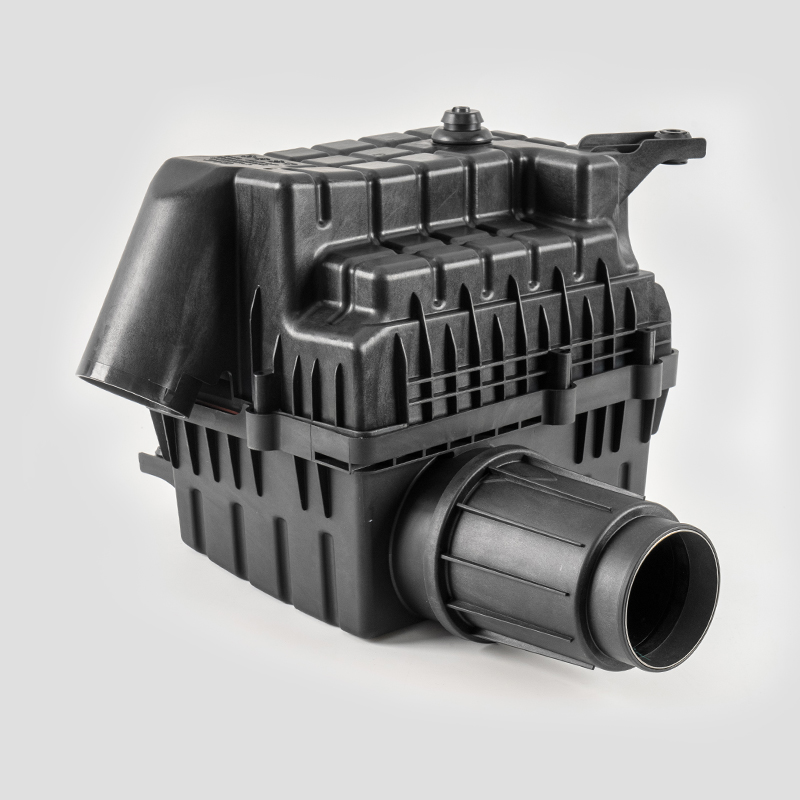
GAC A57 Automotive Engine Air Filtration System Housing Assembly
-
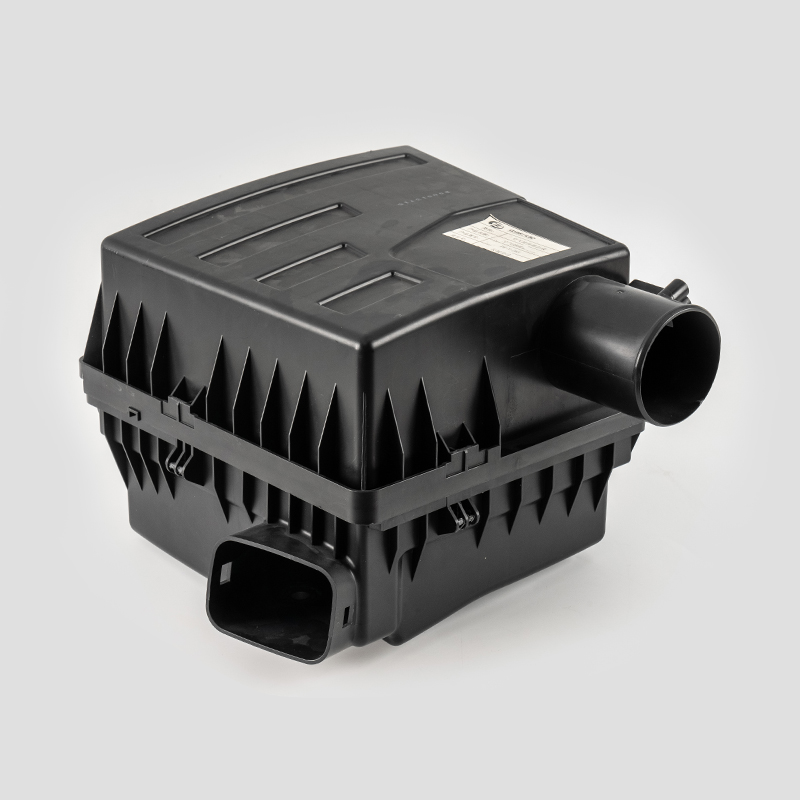
Great Wall A30 Automotive Engine Air Filtration System Housing Assembly
-
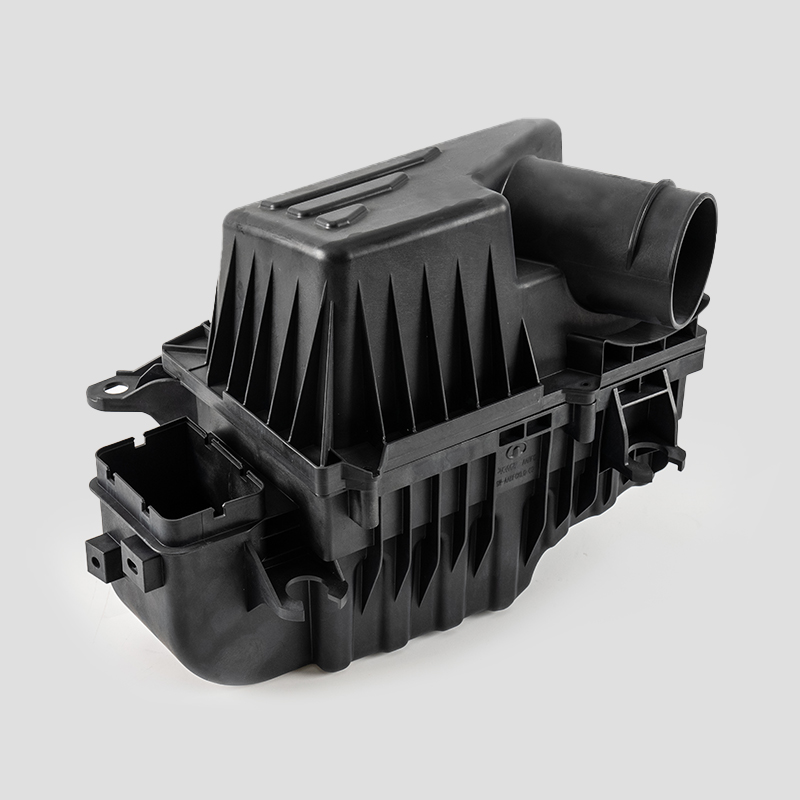
Great Wall B30 Automotive Engine Air Filtration System Housing Assembly
-
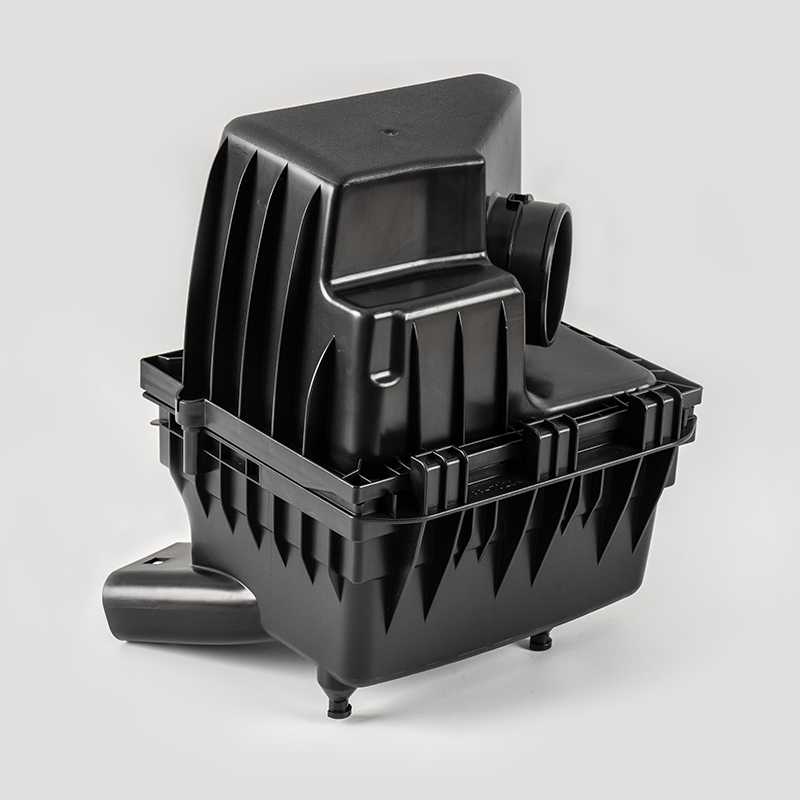
Great Wall Automotive Engine Air Filtration System Housing Assembly
-
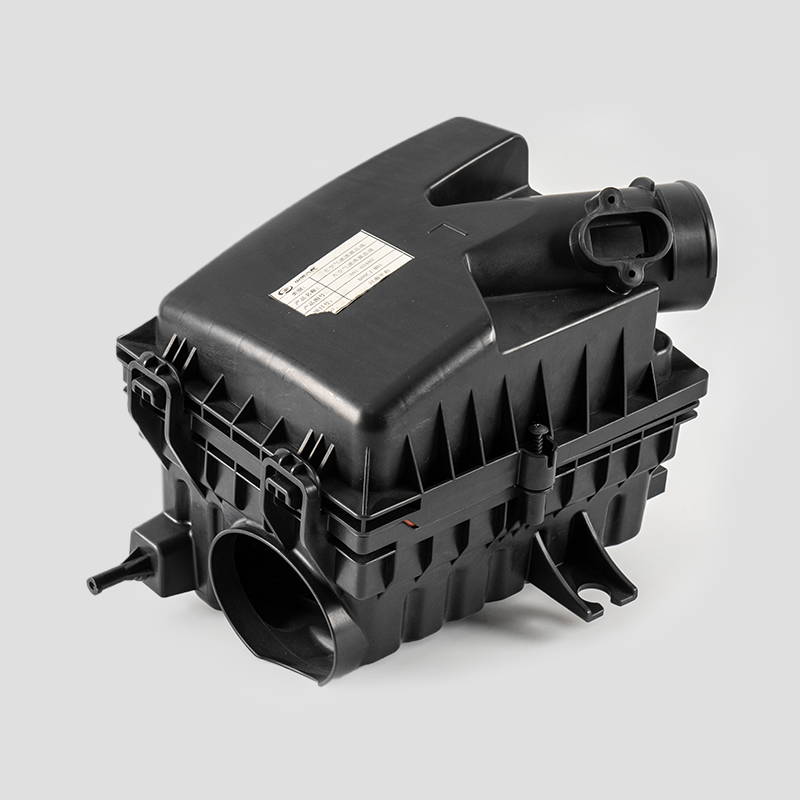
BAIC Automotive Engine Air Filtration System Housing Assembly
-
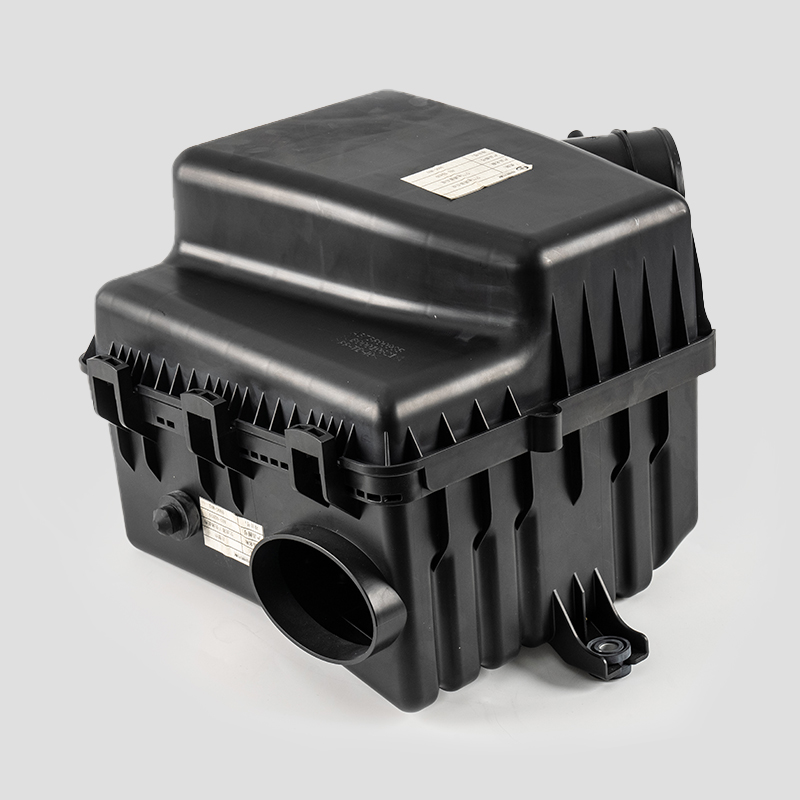
BAIC SUV Automotive Engine Air Filtration System Housing Assembly



Copyright © Ningbo Heyuan Auto Parts Co., Ltd. Rights Reserved. Custom Automobile Filter Parts Company OEM/ODM Automobile Filter Parts Manufacturer
