


 English
 Español
 عربى
عربى
How Often Should a Cabin Air Filter Be Replaced?
Content
- 1 Quick Answer: How Often Should a Cabin Air Filter Be Replaced?
- 2 Common Cabin Air Filter Symptoms That Indicate a Problem
- 3 How Filtration Performance Changes Over the Cabin Filter Lifespan
- 4 Recommended Replacement Intervals by Driving Condition
- 5 Particulate-Only vs. Activated Carbon Cabin Filter: A Performance Comparison
- 6 Anatomy of a Cabin Air Filter
- 7 Symptom, Likely Cause, and Recommended Action Reference Table
- 8 About Ningbo Heyuan Auto Parts Co., Ltd.
- 9 Frequently Asked Questions
Quick Answer: How Often Should a Cabin Air Filter Be Replaced?
For most passenger vehicles, a cabin filter replacement is generally recommended once every 12,000 to 15,000 miles, or approximately once a year, whichever comes first. This interval can shorten to roughly every six months in dusty, high-pollen, or heavy-traffic environments, since particulate loading accelerates in those conditions. A clogged cabin filter does not fail suddenly; instead, airflow and filtration performance decline gradually, which is why paying attention to early cabin air filter symptoms matters more than relying on mileage alone. The remainder of this article walks through the specific symptoms to watch for, how filtration performance changes over the cabin filter lifespan, and how different filter media types compare for HVAC cabin filter performance.
This guide is intended for vehicle owners, workshop technicians, and procurement teams evaluating filtration components, and the data visualizations below are illustrative summaries drawn from commonly documented automotive maintenance guidance rather than a single proprietary study.
Common Cabin Air Filter Symptoms That Indicate a Problem
A number of recurring cabin air filter symptoms show up across independent automotive maintenance resources, and most of them relate to restricted airflow through the HVAC cabin filter housing. Recognizing these signs early can prevent a minor maintenance item from turning into reduced comfort or extra strain on the blower motor.
- Reduced airflow from the vents, even at the highest fan setting, often the first sign of a clogged cabin filter.
- A musty or damp odor, sometimes described as a cabin filter mold smell, especially noticeable when the heater or air conditioning first turns on.
- Cabin filter foggy windows that clear slowly, since weak airflow limits the defroster's ability to remove condensation.
- A whistling or straining noise from the blower motor as it works harder to push air through blocked media.
- Visible dust buildup on interior surfaces or a noticeable increase in allergy-type symptoms for passengers, particularly relevant for anyone relying on a pollen filter car function during high-pollen seasons.
This horizontal bar chart summarizes how frequently each symptom is mentioned across multiple independent automotive maintenance guides, rather than reporting a single measured survey. Reduced vent airflow consistently appears as the symptom drivers notice first, largely because it directly affects comfort and is easy to perceive. Odor-related complaints, including a musty or moldy smell, rank close behind, particularly in humid climates where trapped moisture supports microbial growth on the filter media. Foggy or slow-clearing windows appear somewhat less frequently in reports but carry higher safety relevance, since reduced visibility during defrosting can affect driving conditions. Visible dust and blower noise are typically the last symptoms drivers notice, often only after opening the glove box area to inspect the filter directly. Reading this chart from top to bottom gives a practical checklist order: check airflow and smell first, then windows, then physically inspect the filter itself.
How Filtration Performance Changes Over the Cabin Filter Lifespan
Cabin filter lifespan is not a fixed number so much as a curve: filtration media loads gradually with particulate matter, and airflow efficiency declines correspondingly as mileage accumulates. The chart below is an illustrative representation of this relationship, built around the commonly cited 12,000 to 15,000 mile replacement window referenced by multiple automotive maintenance resources.
The curve above illustrates a conceptual, gradual decline rather than exact laboratory measurements, since real-world airflow loss depends heavily on driving environment, filter media type, and local air quality. Near the beginning of the cabin filter lifespan, efficiency loss is minimal because the media still has substantial open surface area to trap particles. As mileage passes the midpoint of the typical replacement window, the decline accelerates slightly, which corresponds with when drivers most often begin noticing cabin air filter symptoms such as weaker airflow. By the time a vehicle approaches the upper end of the commonly recommended interval, filtration efficiency has typically dropped enough that a cabin filter replacement produces a noticeable improvement in both comfort and HVAC cabin filter performance. Vehicles operated in dusty, agricultural, or heavy urban traffic environments tend to track toward the left side of this curve faster, which is why maintenance resources generally recommend shortening the interval under those conditions. This is also why a mileage-only reminder should always be checked against a physical inspection whenever possible.
Recommended Replacement Intervals by Driving Condition
Because environmental conditions affect how quickly a filter loads with particulate matter, many maintenance guides suggest adjusting the replacement schedule rather than applying a single fixed number to every vehicle. The chart below compares commonly recommended interval ranges across typical driving environments.
Normal urban commuting tends to sit at the longer end of the range, with roughly twelve months between changes being a common recommendation across manufacturer and maintenance guides. Dusty or rural roads shorten that window considerably, since unpaved surfaces and agricultural dust load the filter media far faster than typical city driving. Heavy stop-and-go traffic falls in between, largely due to prolonged blower operation and exposure to concentrated exhaust particulates from surrounding vehicles. Drivers who are sensitive to allergens often benefit from a shorter interval during high-pollen season, since a cabin filter replacement performed just before spring or fall pollen peaks can meaningfully reduce airborne allergen exposure inside the vehicle. These figures are general guidance rather than fixed rules, and checking the owner's manual alongside a physical filter inspection remains the most reliable approach.
Particulate-Only vs. Activated Carbon Cabin Filter: A Performance Comparison
Not all filter media perform the same way across every dimension. An activated carbon cabin filter adds a carbon layer designed to adsorb odors, exhaust fumes, and certain volatile compounds in addition to trapping particulates, while a particulate-only filter focuses primarily on dust, pollen, and debris. The radar chart below compares the two media types across five commonly referenced performance dimensions.
■ Particulate-only filter ■ Activated carbon cabin filter
This radar comparison is a qualitative illustration based on how these two filter categories are commonly described in automotive filtration literature, not a controlled laboratory test result. Both filter types perform comparably on dust and pollen capture, since the base particulate media layer is similar in each design. The activated carbon variant shows a clear advantage in odor and volatile compound control, which reflects the added carbon layer's ability to adsorb gaseous contaminants that a particulate-only design cannot address. Airflow retention tends to be slightly higher for particulate-only filters, since the additional carbon layer can marginally increase resistance, though the difference is generally modest under normal driving conditions. Service life is broadly similar between the two categories, though carbon layers can saturate somewhat faster in heavily polluted or high-traffic environments. For buyers deciding between the two, the choice often comes down to whether odor and gaseous pollutant control is a priority, such as for drivers frequently commuting through tunnels or industrial areas, versus a straightforward focus on dust and pollen filtration.
Anatomy of a Cabin Air Filter
Understanding the physical layers of a cabin filter helps explain why symptoms develop the way they do. The schematic diagram below is a labeled technical illustration rather than a photograph of a specific product.
Air entering the HVAC housing first passes through a coarse pre-filter mesh that captures leaves, insects, and larger debris before they can reach the finer media. The pleated particulate layer beneath it is the primary workhorse of the assembly, using folded surface area to maximize dust, pollen, and soot capture without excessively restricting airflow. Some designs, including the activated carbon cabin filter category discussed earlier, add a carbon layer specifically to adsorb odors and certain gaseous pollutants. Finally, the frame and seal edge ensure the filter fits securely in the housing, since gaps around the frame allow unfiltered air to bypass the media entirely, undermining the filter's effectiveness regardless of how clean the media itself is. If you have a specific product photo you would like embedded in this article, it can be added as a base64 image once supplied.
Symptom, Likely Cause, and Recommended Action Reference Table
The table below consolidates the symptoms discussed above into a quick-reference format that can be used during routine inspection.
| Symptom | Likely Cause | Recommended Action |
|---|---|---|
| Weak vent airflow | Clogged cabin filter media | Inspect and replace if visibly loaded |
| Musty odor | Trapped moisture, cabin filter mold smell | Replace filter, run blower to dry housing |
| Cabin filter foggy windows | Restricted defroster airflow | Check filter condition before HVAC service |
| Blower noise | Debris lodged against media | Remove and inspect for obstructions |
About Ningbo Heyuan Auto Parts Co., Ltd.
Ningbo Heyuan Auto Parts Co., Ltd. is a trade and manufacturing enterprise specializing in the production of various filters, with an annual output of over 50 million filtration assemblies and filters. As a cabin filter manufacturer based in China, the company works with plastic blow molding, rubber processing, and welding techniques within a modern production workshop and R&D center. Production processes follow the ISO/TS16949:2009 and ISO9001:2000 quality management systems, supporting consistency for buyers sourcing through an OEM cabin filter supplier relationship or evaluating options for auto filter wholesale procurement. Teams researching cabin filter replacement components, whether for particulate-only or activated carbon cabin filter product lines, are welcome to reach out for technical specifications and sample references.
Frequently Asked Questions
Q1: What is the most reliable way to check for cabin air filter symptoms?
A: Combine a physical inspection of the filter for dust and debris with a simple airflow check at the highest fan setting. If airflow feels weak or an odor is present, these are strong indicators that a cabin filter replacement is due.
Q2: Can a clogged cabin filter affect defrosting performance?
A: Yes, restricted airflow through a clogged cabin filter can slow how quickly the defroster clears foggy windows, since the system relies on strong airflow to remove condensation.
Q3: Is an activated carbon cabin filter necessary for every vehicle?
A: Not necessarily. It offers added odor and gaseous pollutant control, which tends to matter more for drivers regularly exposed to tunnels, heavy traffic, or industrial areas, while a particulate-only filter may suit lighter driving environments.
Q4: How can a workshop or distributor source cabin filters for multiple vehicle models?
A: Working with an established cabin filter manufacturer that offers OEM cabin filter supplier arrangements and auto filter wholesale options can help standardize sourcing across multiple vehicle applications.
Related Products
-
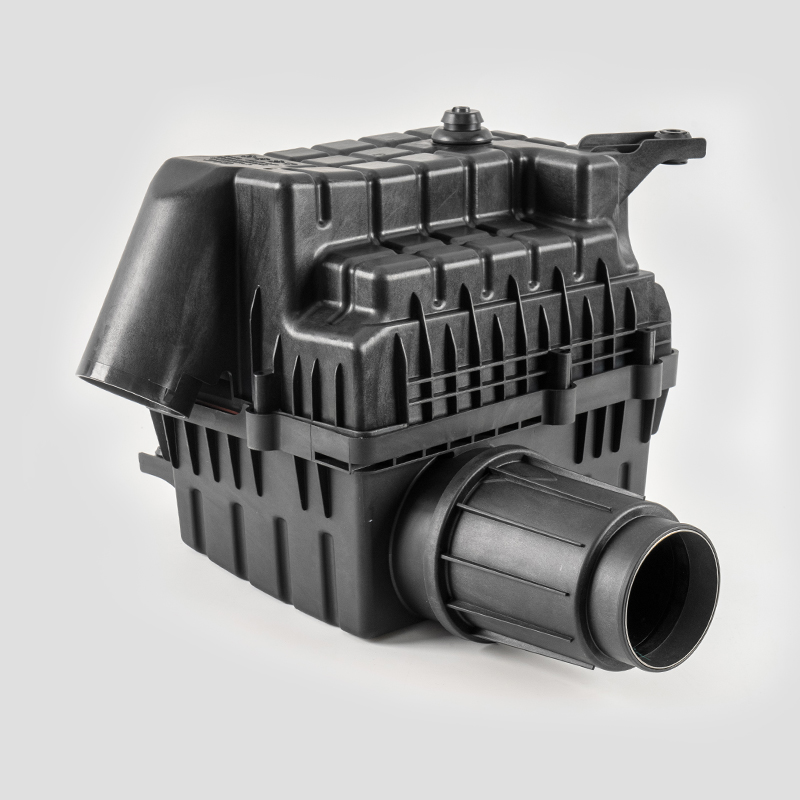
GAC A57 Automotive Engine Air Filtration System Housing Assembly
-
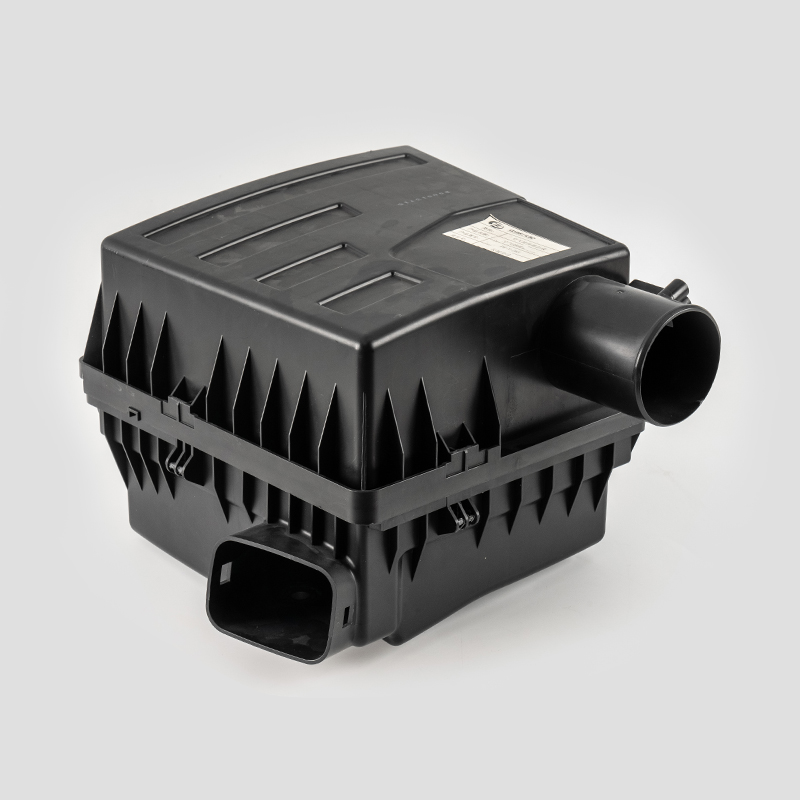
Great Wall A30 Automotive Engine Air Filtration System Housing Assembly
-
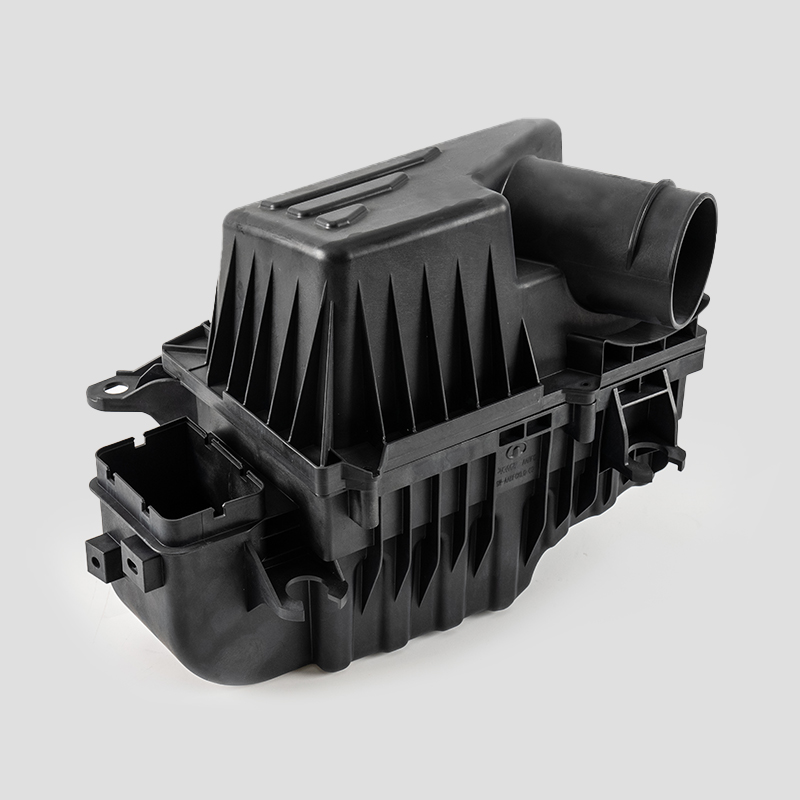
Great Wall B30 Automotive Engine Air Filtration System Housing Assembly
-
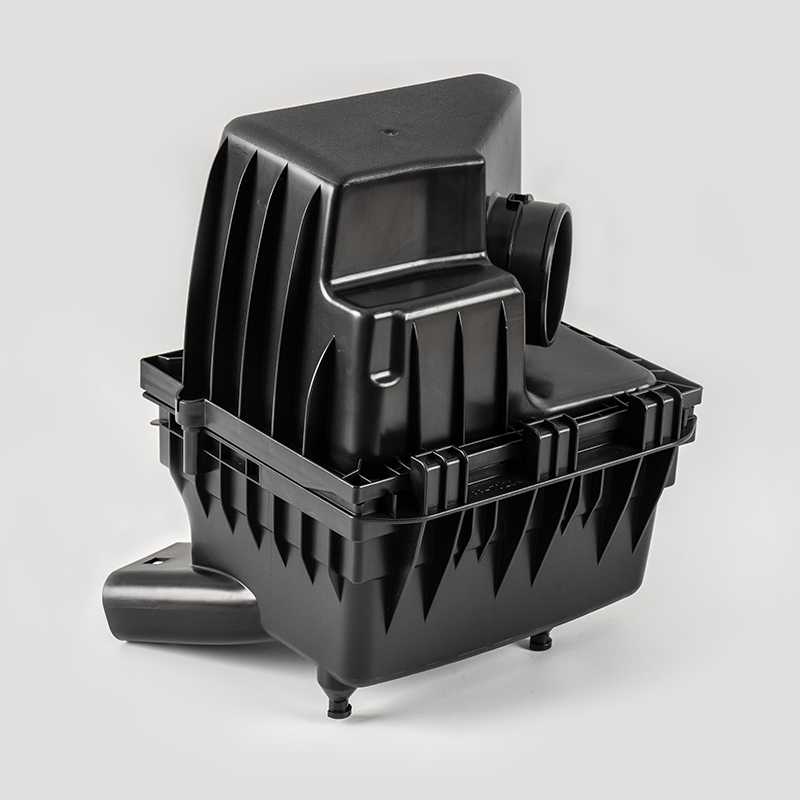
Great Wall Automotive Engine Air Filtration System Housing Assembly
-
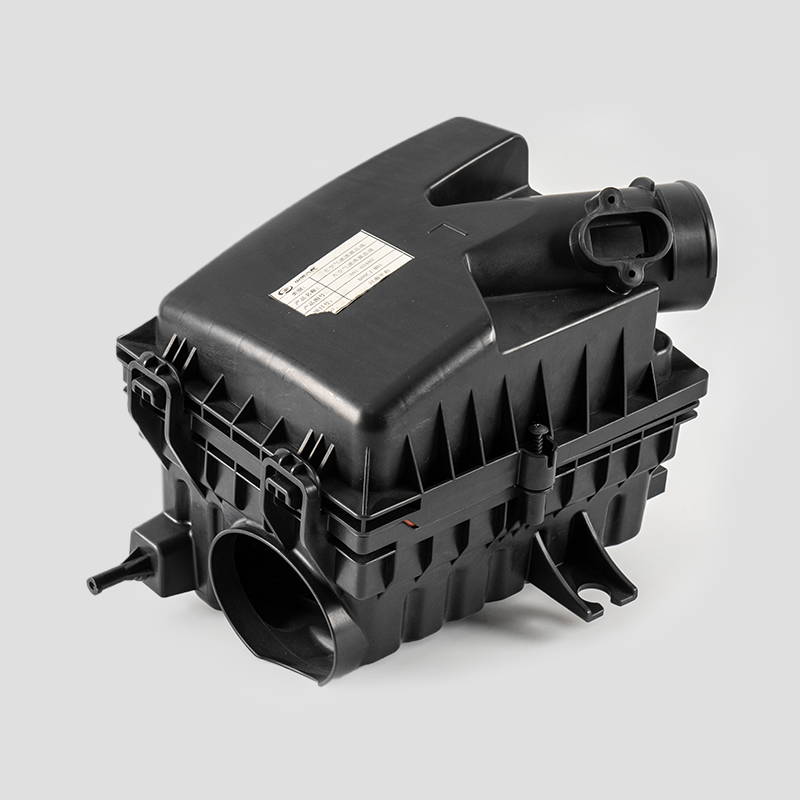
BAIC Automotive Engine Air Filtration System Housing Assembly
-
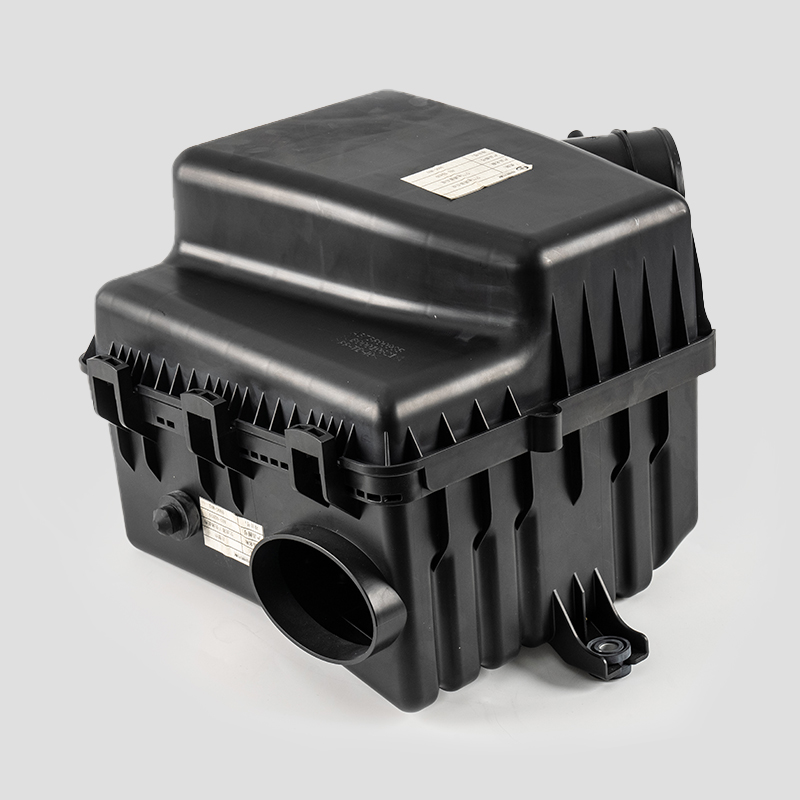
BAIC SUV Automotive Engine Air Filtration System Housing Assembly



Copyright © Ningbo Heyuan Auto Parts Co., Ltd. Rights Reserved. Custom Automobile Filter Parts Company OEM/ODM Automobile Filter Parts Manufacturer
