


 English
 Español
 عربى
عربى
What are the components of a filter?
Content
- 1 What Are the Components of a Filter?
- 2 Types of Filter Elements and Their Roles
- 3 Filtration Efficiency Across Media Types
- 4 How Element Filters Are Selected for Specific Vehicles
- 5 Service Life Comparison Across Operating Conditions
- 6 Comparing Hydraulic, Oil, and Air Filter Elements
- 7 Custom and OEM Filter Cartridge Sourcing
- 8 Frequently Asked Questions
What Are the Components of a Filter?
A typical filter element is built from four core parts: the filter media (the material that actually traps particles), a support frame or cage, end caps that seal the assembly, and a housing or cartridge shell that allows it to fit into the system. Together these components determine the filtration efficiency, flow rate, and service life of the part. Whether the application is an air filter element, an oil filter element, or a hydraulic filter element, the same basic structure applies, even though the media and housing materials change depending on the operating environment.
The filter media is usually pleated to maximize surface area within a compact space. Pleated paper, synthetic fiber, sintered metal, or wire mesh are common choices, and each is suited to different conditions. Sintered filter element media, for example, is prized for handling high temperatures and aggressive fluids, while pleated cellulose media is more common in standard engine air intake systems.
Main Functional Parts of a Filter Element
- Filter media — captures particles, gum, oxidized iron, and other contaminants
- Support cage or frame — maintains pleat shape under pressure and flow
- End caps — seal the media and direct flow through the correct path
- Gasket or seal — prevents bypass of unfiltered fluid or air
- Housing or cartridge shell — protects the assembly and allows installation
Types of Filter Elements and Their Roles
Different vehicle and industrial systems rely on different types of filter elements. The engine air filter element filters harmful substances in intake air, such as dust, gum, aluminum oxide, and acidified iron, to protect the cylinder barrel and piston assembly from abnormal wear. The cabin air filter element filters pollen, dust, bacteria, and fine particles from outside air so that drivers and passengers breathe cleaner air inside the vehicle. The oil filter element removes sludge and the impurities created as engine oil deteriorates, slowing oil degradation and reducing wear on moving engine parts. The fuel filter element removes iron oxide, dust, and solid debris from fuel, helping prevent injector nozzle clogging and supporting stable engine operation.
| Filter Type | Main Target Contaminant | Typical Media |
|---|---|---|
| Air Filter Element | Dust, gum, oxide particles | Pleated paper / synthetic fiber |
| Oil Filter Element | Sludge, metal particles | Pleated cellulose / synthetic blend |
| Hydraulic Filter Element | Fine particulate, wear debris | Sintered metal / wire mesh |
| Fuel Filter Element | Iron oxide, solid debris | Pleated paper / mesh |
Filtration Efficiency Across Media Types
Filtration efficiency varies significantly depending on the media used in a filter cartridge. The chart below compares the approximate particle-retention efficiency of four common media types at a similar micron rating. Sintered filter element media generally performs well in high-temperature and high-pressure environments because the sintered metal structure resists deformation. Pleated cellulose media offers a good balance of cost and performance for general engine air and oil filtration. Wire mesh media is reusable and durable but typically captures slightly larger particles than pleated paper. Synthetic fiber media tends to offer high dust-holding capacity, which extends service intervals in dusty industrial settings.
How Element Filters Are Selected for Specific Vehicles
Choosing the correct element filter for a vehicle, such as an element filter Honda application, depends on matching the part to the engine's airflow requirements, the oil system's flow rate, and the manufacturer's recommended micron rating. Installing an undersized or incorrectly rated filter cartridge can restrict flow, while an oversized housing may not seal properly against the mounting bracket. Reputable buyers typically cross-reference OEM specifications before sourcing a replacement filter element from a filter element manufacturer or filter element store.
For industrial buyers, working directly with an experienced filter element manufacturer rather than a generic distributor often results in better-matched dimensions, more consistent media quality, and more reliable lead times for custom or OEM filter cartridge orders.
Service Life Comparison Across Operating Conditions
Service life is one of the most practical considerations for fleet operators and industrial maintenance teams. The line chart below illustrates how dust-holding capacity, and therefore service interval, changes as airborne particulate concentration increases for a typical pleated air filter element. As contaminant load rises, filter life shortens, which is why dusty industrial environments often call for a higher dust-holding capacity media or more frequent inspection schedules. This relationship also explains why a dust filter cartridge rated for heavy industrial use is engineered differently from a passenger car air filter element.
Comparing Hydraulic, Oil, and Air Filter Elements
A hydraulic filter element, an oil filter element, and an air filter element are often discussed together because they share a similar pleated structure, but they are optimized for different priorities. The radar-style comparison below scores each type across four practical dimensions: pressure resistance, particle retention, flow rate, and reusability. Hydraulic filter elements generally score highest on pressure resistance because hydraulic systems operate at much higher pressures than lubrication or intake systems. Oil filter elements tend to balance particle retention and flow rate to avoid starving the engine of lubrication. Air filter elements usually prioritize flow rate and dust-holding capacity over pressure resistance, since intake systems do not face the same pressure demands.
The shaded area in this diagram represents a generalized hydraulic filter profile, showing strong pressure resistance and retention but more moderate reusability compared to a washable mesh-based industrial filter cartridge.
Custom and OEM Filter Cartridge Sourcing
Industrial buyers and automotive parts distributors frequently look for an OEM filter cartridge or custom filter element manufacturer who can match exact dimensions, thread types, and media specifications. A reliable industrial filter element supplier should be able to support both standard catalog parts and custom-engineered assemblies, including stainless filter element and sintered metal filter element products for corrosive or high-temperature environments.
Ningbo Heyuan Auto Parts Co., Ltd. is a trade and manufacturing enterprise specializing in the production of various filters, with an annual output of over 50 million filtration assemblies and filters. As a professional automobile filter parts manufacturer in China, the company adopts advanced plastic blow molding, rubber processing, and welding technology, supported by a modern production workshop and R&D center. Production strictly observes the ISO/TS16949:2009 and ISO9001:2000 quality management systems, which helps ensure consistent dimensional accuracy and media quality across large production runs of oil filter elements, air filter elements, and hydraulic filter elements.
Frequently Asked Questions
Q1: What is the difference between a filter element and a filter cartridge?
A filter element generally refers to the internal filtering component, while a filter cartridge often refers to the complete replaceable unit, including the housing or end caps. In practice, the two terms are frequently used interchangeably.
Q2: How often should an air filter element be replaced?
Replacement intervals depend on operating conditions, dust levels, and the manufacturer's maintenance schedule. Dusty environments typically require more frequent inspection and replacement.
Q3: Can a sintered filter element be cleaned and reused?
Many sintered metal filter elements can be cleaned and reused multiple times, which is one reason they are common in industrial hydraulic and pneumatic systems.
Q4: What should buyers check before ordering a custom filter cartridge?
Buyers should confirm dimensions, micron rating, media material, end cap configuration, and compatibility with the existing housing before placing a custom or OEM order.
Related Products
-
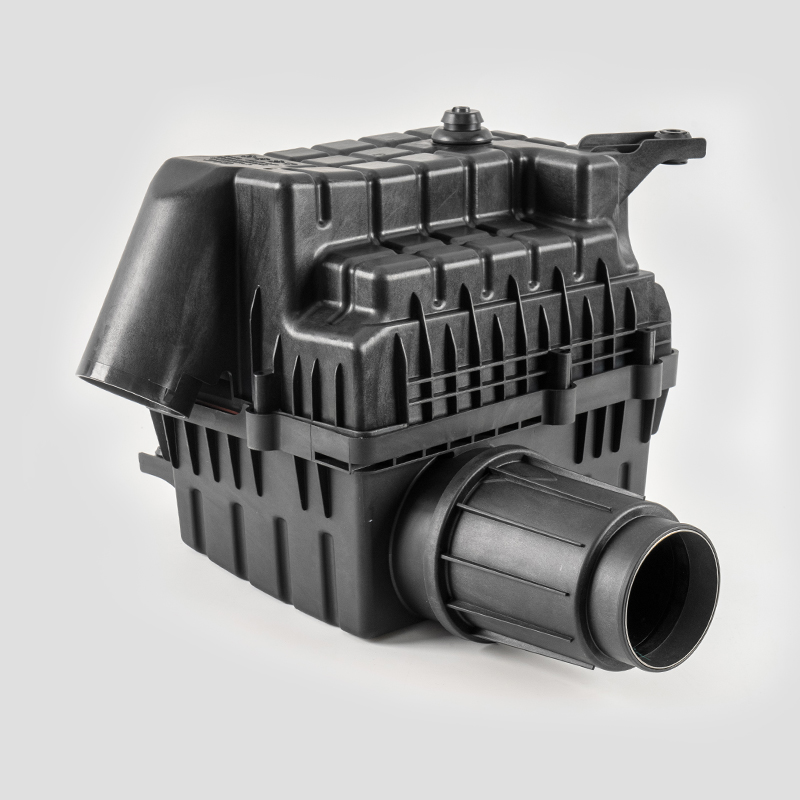
GAC A57 Automotive Engine Air Filtration System Housing Assembly
-
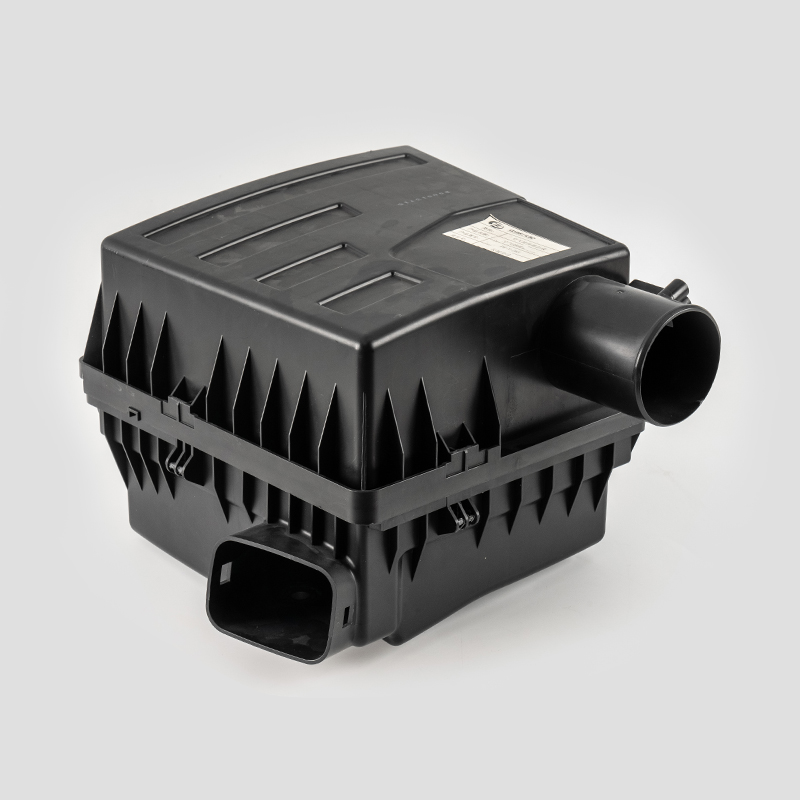
Great Wall A30 Automotive Engine Air Filtration System Housing Assembly
-
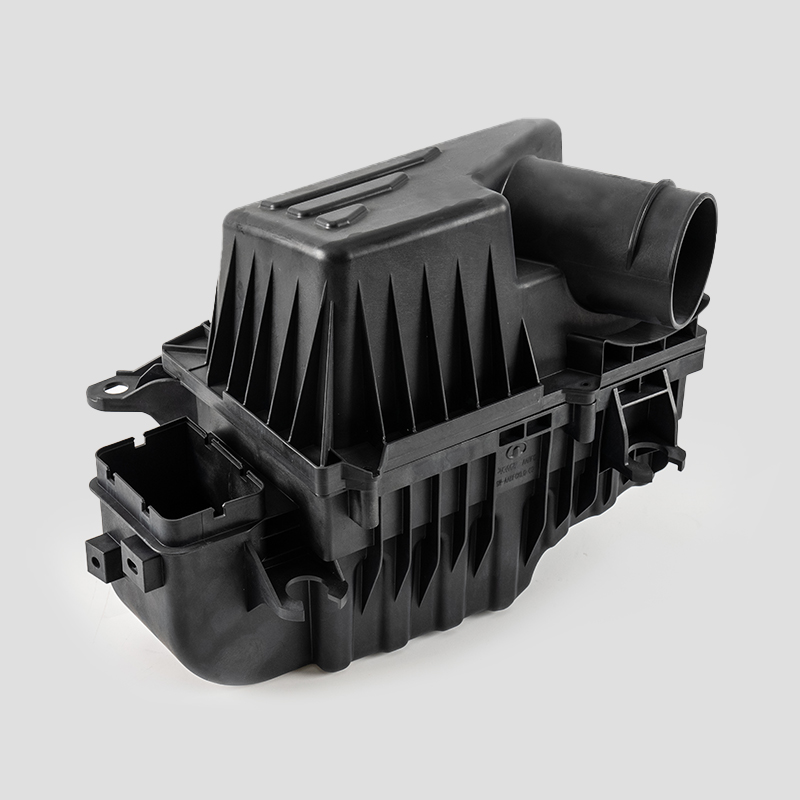
Great Wall B30 Automotive Engine Air Filtration System Housing Assembly
-
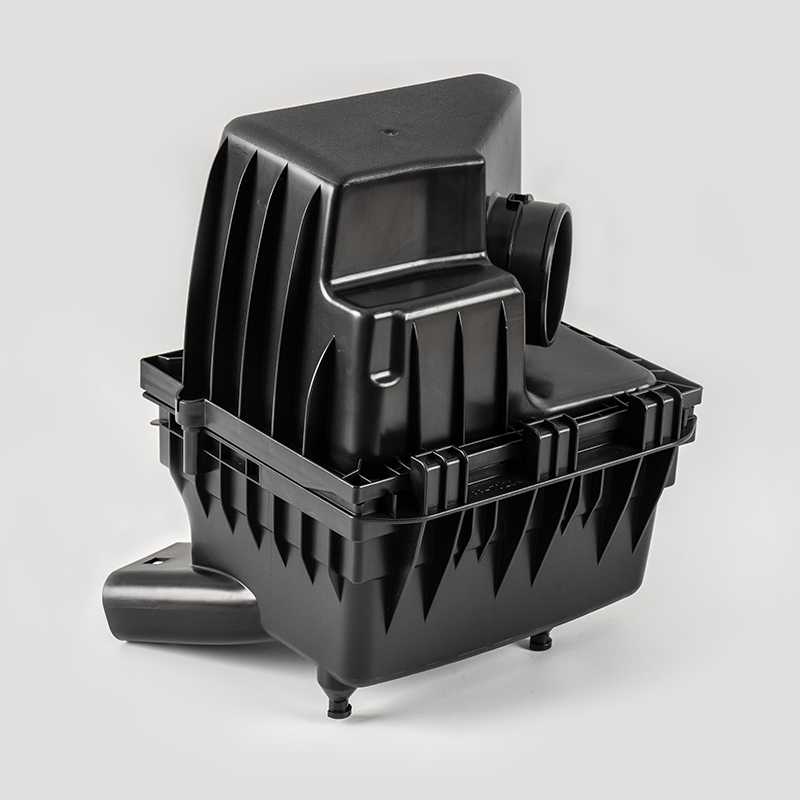
Great Wall Automotive Engine Air Filtration System Housing Assembly
-
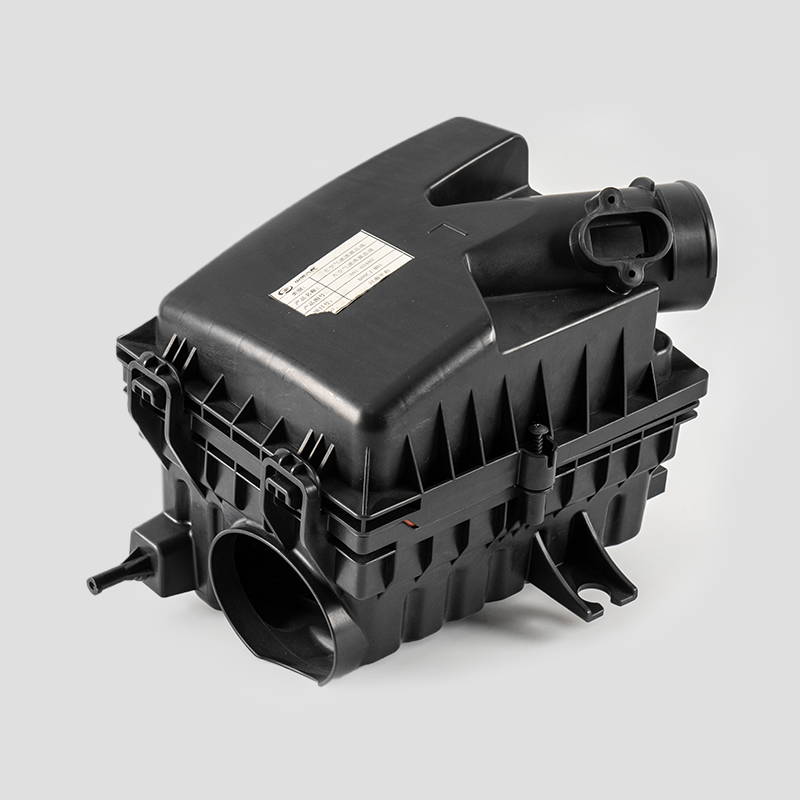
BAIC Automotive Engine Air Filtration System Housing Assembly
-
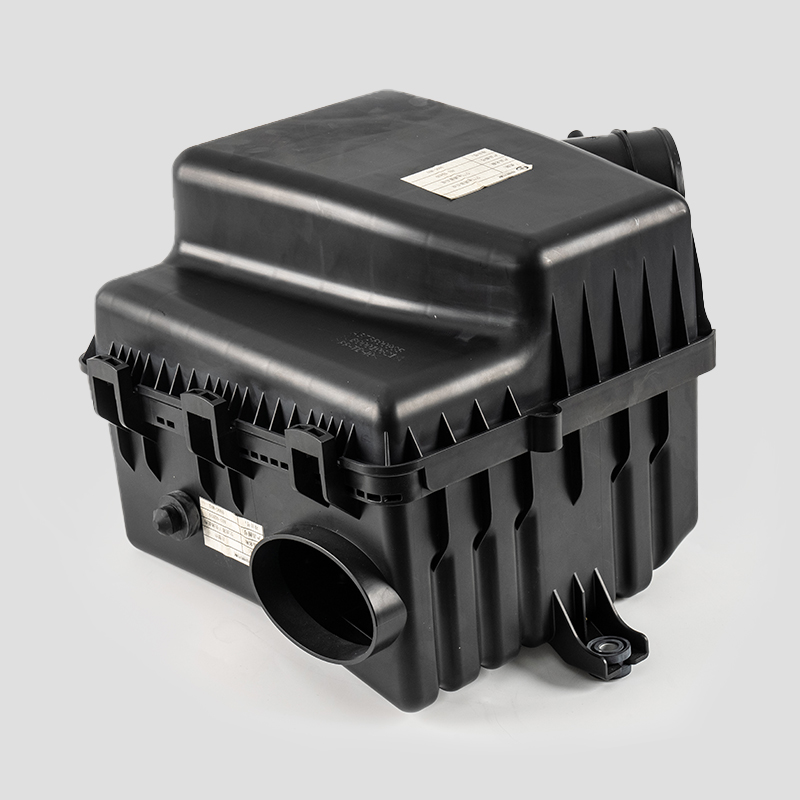
BAIC SUV Automotive Engine Air Filtration System Housing Assembly



Copyright © Ningbo Heyuan Auto Parts Co., Ltd. Rights Reserved. Custom Automobile Filter Parts Company OEM/ODM Automobile Filter Parts Manufacturer
