


 English
 Español
 عربى

Oil Consumption Explained: Normal Rates, Root Causes and Filter Choices
Content
- 1 Normal Oil Consumption Starts With a Number, Not a Feeling
- 2 Where the Oil Actually Goes
- 3 Why the Filtration Loop Changes the Consumption Curve
- 4 Oil Consumption Pressure by Operating Condition
- 5 Matching the Oil Filter to the Engine, Not to the Shelf
- 6 A Sourcing Checklist for Distributors, Workshops and Wholesalers
- 7 Viscosity, Intervals and Daily Habits That Move the Number
- 8 Diagnosis Order When the Rate Climbs
- 9 Frequently Asked Questions About Oil Consumption
- 9.1 How much oil consumption is normal for a petrol engine?
- 9.2 Does a dirty oil filter increase oil consumption?
- 9.3 Can changing oil brand change consumption?
- 9.4 Why does consumption rise after a long high-speed drive?
- 9.5 Is blue smoke always worn rings?
- 9.6 How often should an air filter be replaced in dusty conditions?
- 9.7 Do ECO element filters consume more oil than spin-on canisters?
- 9.8 Can a low-cost oil filter damage an engine?
- 10 Where to Read Next
A workshop takes a car back for the third time in a month. Same complaint every visit: the oil warning comes on before the service interval, the driver tops up a litre, and roughly two thousand kilometres later the level is low again. There is no puddle on the bay floor, no blue cloud at idle, no fault code stored. That pattern, quiet and steady oil loss with nothing obvious to point at, is the most common case we hear about, and it almost never begins with a broken piston ring.
The short answer first: every engine consumes a small amount of oil by design, the acceptable figure depends on load, mileage and engine architecture, and anything above the design range usually traces back to crankcase ventilation, sealing surfaces at the rings or turbocharger, or slow abrasive wear that reached the cylinders because the filtration loop was not doing its job. Filters do not burn oil. They decide how quickly an engine arrives at the point where it does. That distinction is where most of the practical work sits, for a workshop diagnosing a single car and for a distributor planning a range.
What follows is the working version of that story: the numbers, the escape routes, the parts decisions that influence the trend, and the questions worth asking before a cartridge or a canister goes onto a shelf.
Normal Oil Consumption Starts With a Number, Not a Feeling
Manufacturers publish a ceiling, and it is usually more generous than drivers expect. Service literature across European and Asian passenger cars frequently places the upper boundary somewhere between 0.5 and 1.0 litre per 1,000 kilometres for a petrol engine under mixed duty, and several brands phrase the same allowance as about one quart per 1,000 miles. That figure is a warranty boundary, not a design target. A tight, healthy engine in ordinary use normally lands well below it, often under 0.1 litre per 1,000 kilometres.
Both errors cost money. Treat every dipstick drop as a defect and a workshop spends hours chasing something it cannot fix; treat a genuine 0.6 litre per 1,000 kilometres as normal and the car leaves with a slowly poisoning catalytic converter. The workable move is to convert a complaint into a rate, with distance attached.
Measure it properly. Fill to the same mark on the dipstick after the same standing time, note the odometer, drive 1,000 to 2,000 kilometres across the customer's real duty cycle, then refill with a measured quantity. Record ambient temperature and whether the route was mostly urban or motorway, because both change the result by a wide margin.
| Rate (litres per 1,000 km) | What it usually indicates | Reasonable next step |
|---|---|---|
| Below 0.1 | Negligible use in a tight, low-wear engine | Note it at service, no action |
| 0.1 to 0.3 | Ordinary range for many modern engines in mixed use | Keep the record, compare at the next interval |
| 0.3 to 0.5 | Upper end of normal for turbocharged or heavily loaded units | Check crankcase ventilation and filter condition |
| 0.5 to 1.0 | Elevated, needs an explanation rather than a top-up habit | Leak survey, oil filter inspection, intake sealing check |
| Above 1.0 | Diagnose before the next oil change is due | Compression and leak-down test, turbo and valve guide check |
One more factor keeps tripping people up: a rising level. If the dipstick climbs instead of falling, the sump is collecting fuel or coolant, and the oil has already lost viscosity. Thin oil burns faster, so dilution can produce high consumption on a second reading while hiding the original fault.
Where the Oil Actually Goes
Oil does not disappear. It leaves the sump through a small number of routes, and each route tends to leave different evidence behind. Sorting the evidence before touching a wrench saves days.
Past the piston rings
A thin film is meant to remain on the bore wall and burn away; that is part of the design. The oil control ring scrapes the rest back to the sump. When rings stick in their grooves, lose tension, or the bore becomes polished and glazed, far more oil stays behind and burns. The telltale is consumption that rises with load and engine speed, often with dry, dark deposits on the piston crown and a plug that reads hotter than its neighbours.
Down the valve guides
Worn intake valve guides and hardened stem seals let oil be drawn into the port under high manifold vacuum. That is why the smoke shows up after a long coast or a period of idling, then clears once the throttle opens. It is a different signature from ring wear and it responds to a different repair.
Out of the crankcase breather
Blow-by has to leave the crankcase, and the ventilation system is supposed to separate oil mist from those gases before they re-enter the intake. A blocked valve raises crankcase pressure and pushes oil past seals that were previously dry. A failed separator sends mist straight into the intake tract, where it coats the throttle body and the inside of the ducting. Wet oil inside an intake hose is a strong hint that this is the pathway.
Through the turbocharger
Turbo seals sit between oil pressure and boost pressure, and they rely on both being correct. Restricted drain lines, excessive crankcase pressure or a worn bearing assembly allow oil to cross into the compressor or turbine housing. Oil pooling in intercooler piping, or a puff of smoke after idling following a hard pull, points here rather than at the rings.
Past gaskets and seals
External leaks are the easy ones when they are visible: a damp valve cover, a rear main seal, an oil filter housing O-ring that was pinched at the last service, a drain plug washer reused one time too many. A small leak at speed can leave no mark on the floor because the airflow carries it away, so dust sticking to a lower engine cover is worth reading.
By evaporation
Base oil contains light fractions that evaporate when the sump runs hot, and volatility is a measured property in oil specifications. Long high-speed runs, a hot turbocharger and a small sump all raise the evaporation share. This pathway leaves no smoke and no leak, which is why it is so often missed.
Through fuel dilution in reverse
Dilution does not usually remove oil, but it changes what the dipstick reports and how fast the oil burns off afterwards. Short trips in cold weather, a leaking injector or repeated rich running all push fuel past the rings. The level rises, viscosity falls, and consumption then climbs once the engine is worked hard again.
Why the Filtration Loop Changes the Consumption Curve
No filter causes consumption directly. The relationship is slower and more structural: filtration decides how much abrasive material reaches the ring and cylinder interface, and abrasion sets the rate at which consumption drifts upward across the life of an engine. A car with a poor filter loop does not burn oil on Monday. It burns oil at 120,000 kilometres that it would not have burned at 200,000.
The oil filter is a pressure vessel before it is a filter
Media area, pleat count, bypass valve cracking pressure, anti-drainback membrane, end cap bonding and burst resistance all interact. A canister with too little media goes into bypass earlier and more often, especially on cold starts with high-viscosity oil, and bypass means unfiltered oil is circulating precisely when the engine is most vulnerable. Media that collapses or blinds quickly produces the same result. Efficiency and capacity are a trade, and a filter optimised purely for a headline micron number can load up fast in a dirty engine.
For a supplier, this is where specification discipline pays. A filter that holds its pleat geometry after 10,000 kilometres of hot-cold cycling keeps dirt where it belongs; one that softens and distorts starts to migrate material downstream. That difference does not show up in a catalogue, only in a bench test or in a fleet's wear metal trend after two years.
Air filtration, dust and bore wear
Silica is harder than the iron it lands on. The air filter is the only barrier protecting the top ring zone, and the seal around its edge matters as much as the media inside it. A filter that sits slightly loose in its housing, or a housing that does not clamp evenly after a rough service, lets dust past at the perimeter where the pleat pack cannot help. That dust becomes the lapping paste that polishes a bore and takes ring tension with it.
This is also why the surrounding hardware deserves attention rather than being treated as packaging. Injection moulded air filter assembly housings, inlet and outlet pipe assemblies, blow moulded intercooler pipes and rubber air ducts all hold the seal geometry that the filter element depends on. Ageing rubber, a split duct or a distorted housing defeats a premium filter in a few thousand kilometres of gravel-road use.
Ducts, housings and unmetered air
A cracked rubber duct downstream of the airflow meter admits air the engine control unit never measured. The mixture leans, combustion temperature rises, and oil that reaches the chamber burns more readily while the crankcase ventilation system carries a heavier vapour load. The same crack lets dust bypass the filter entirely. Clamp torque and rubber hardness after heat cycling are unglamorous details that decide whether that happens at 40,000 or 140,000 kilometres.
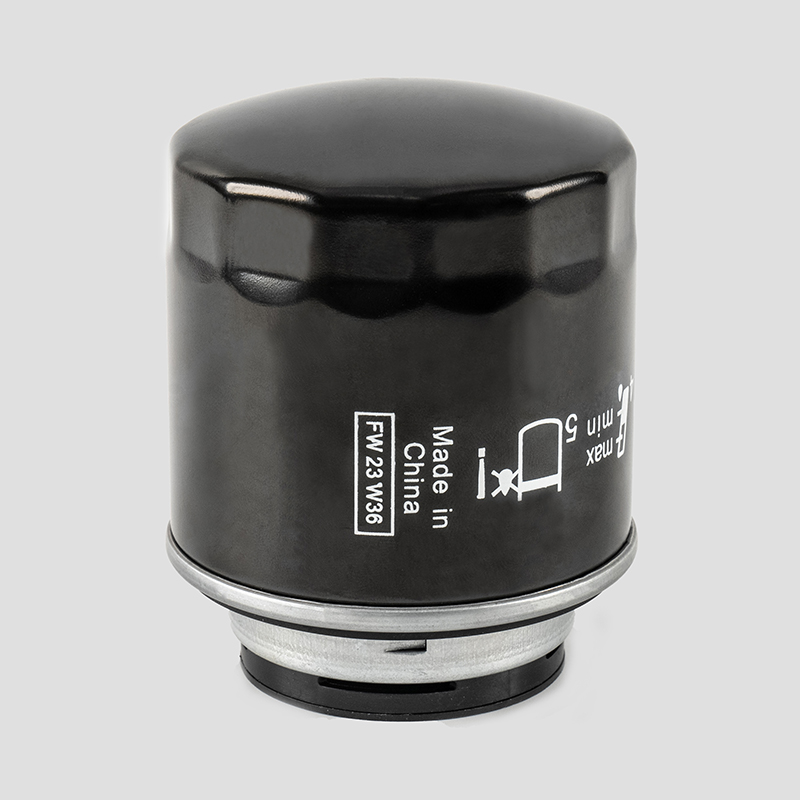 Volkswagen 1.4T Spin-On Oil Filter 03C115561ESpin-on oil filter for Volkswagen Jetta, Passat and Touran 1.4T models, listed under part number 03C115561E for fitment checks and quote requests.View Product →
Oil Consumption Pressure by Operating Condition
Load matters as much as wear. The same engine can look acceptable on a motorway commute and alarming on a towing schedule, so any conversation about consumption has to specify the duty cycle before it specifies a part. The index below is an illustrative comparison built from workshop observation and published service ranges, not a specification from any manufacturer.
Read the chart as a pressure scale rather than a prediction. Sustained high-rpm work keeps oil temperature high for long periods, thins the film, raises blow-by volume and pushes the crankcase ventilation system harder than a commute ever will. Towing does something similar over a longer horizon, with the added burden of heat soak after the engine stops. Stop-and-go traffic contributes a different problem: repeated cold starts, when the oil filter is most likely to be in bypass and when fuel dilution builds fastest.
For parts selection, that spread points in a clear direction. Applications living in the upper half of the scale benefit from media with generous area and pleat geometry that stays stable when hot and oil-soaked, from bypass valves verified at the correct cracking pressure, and from housings, ducts and rubber components that hold clamp load under vibration and thermal cycling. It also justifies a shorter inspection interval for air filtration on dusty sites, because dust exposure stacks on top of load rather than replacing it.
We would not claim any single filter design removes consumption from a worn engine, and nobody honest should. What a stable filtration loop does is keep the wear rate close to the design intent, so the consumption curve stays flat for longer instead of bending upward in the middle of a vehicle's life.
Matching the Oil Filter to the Engine, Not to the Shelf
The right filter is defined by four dimensions and one behaviour: thread and seal diameter, overall height, bypass cracking pressure, media area, and how the assembly behaves when the oil is cold and again when it is hot. Get three of the five right and the fourth will eventually announce itself as a leak, a rattle on start-up or a slow rise in wear metals.
Spin-on canister versus ECO element
Both formats are common on the same model year ranges depending on market and engine code, which is why cross-referencing by vehicle name alone causes errors. The table below sets out the practical differences.
| Characteristic | Spin-on canister | ECO element | What to verify |
|---|---|---|---|
| Housing | Integral steel shell | Reuses the engine-mounted housing | Housing cap thread and O-ring seat condition |
| Bypass valve | Inside the canister | Inside the housing or the element end cap | Cracking pressure and correct location for the engine code |
| Replacement scope | Shell, media, valve, seal in one unit | Media and seals only | Whether both cap seals are supplied in the box |
| Typical failure point | Seal roll, shell corrosion, internal collapse | End cap bond, pleat distortion, missing O-ring | Bond strength and pleat stability after hot soak |
| Cold-start behaviour | Depends on anti-drainback membrane quality | Depends on housing drain-back design | Oil pressure warning duration on first start |
OE cross-reference is the start, not the end
Original numbers get superseded, and the same engine family can carry different filtration depending on the market it was sold into. Cross-reference by engine code, model year and displacement, then confirm the physical dimensions against a sample. A filter that threads on but sits 6 mm short may seal badly at the base, and a taller element in a housing designed for a shorter one can restrict flow once the pleats load.
What is worth checking in a sample
Collapse pressure, wet burst strength, end cap bonding after a hot oil soak, bypass valve opening behaviour and seal material compatibility. Nitrile seals suit most applications; silicone earns its cost where the housing runs hot or the service interval is long. A supplier who can show these results has done the work; one who can only show a photograph has not.
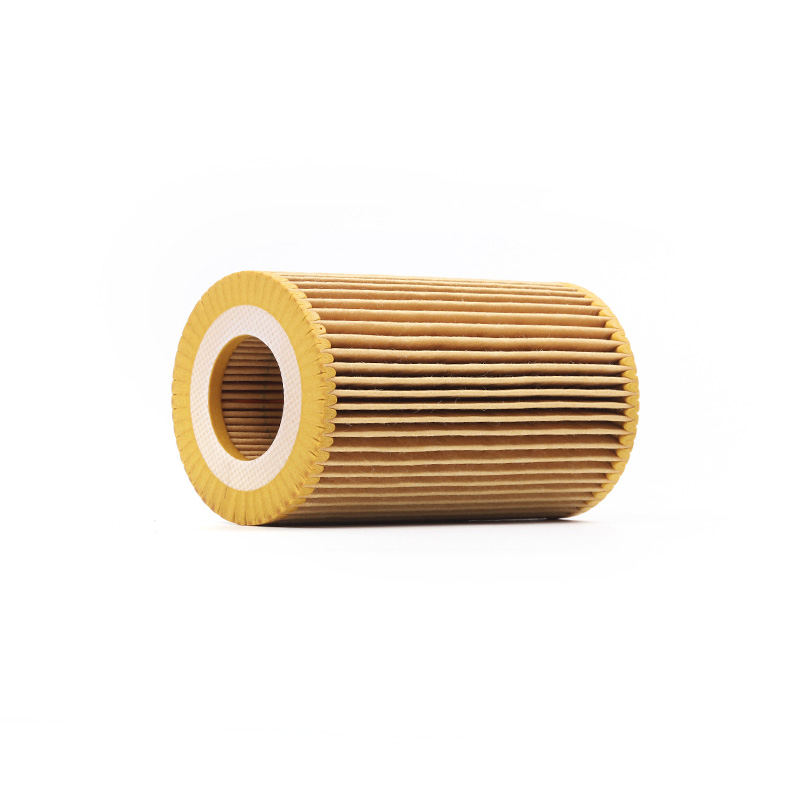 Audi A6L 3.0T ECO Oil Filter 06E115562BECO oil filter for 2015–2018 Audi A6L 3.0T models, with OE 06E115562B and listed size φ65×105 for fitment and sourcing checks.View Product →
A Sourcing Checklist for Distributors, Workshops and Wholesalers
Buying filtration for a distribution business shifts the question from "does it fit this car" to "will the ten-thousandth unit fit exactly like the first". Consistency is the product, and the element inside it is only part of what a buyer is purchasing.
- Model coverage mapped to OE numbers, engine codes and production years, not to marketing names.
- Dimensional tolerances agreed in writing for sealing diameter, height and thread specification.
- Media specification with an efficiency and capacity statement that can be traced to a test method.
- Bypass valve cracking pressure verified per batch, with the test method named.
- Quality system certification covering design and manufacture, such as ISO/TS16949 or its current equivalent.
- Annual capacity and confirmed lead time, particularly where a private label programme is involved.
- Packaging that survives sea freight, with batch codes that allow a claim to be traced back to production.
- Sample approval before mass production, followed by a retained reference sample per batch.
Scale matters in this category because tooling and testing are fixed costs. A manufacturer producing tens of millions of filter units a year can justify in-house injection moulding, blow moulding and rubber processing, which in turn means the housing, the duct and the element are developed together rather than assembled from unrelated sources. That vertical integration shortens the loop between a field complaint and a drawing change, and it removes the classic mismatch where a filter element is precise but the housing it seals against is not.
For importers working across several languages and markets, documentation is part of the product too. Catalogues that map OE numbers cleanly, labels that survive humidity, and technical replies that arrive in the buyer's language all reduce the cost of selling a filter into a market where the workshop has never seen the brand before.
 Volkswagen Jetta 1.6L Air Filter 191 819 638Replacement air filter for 1997–2013 Volkswagen Jetta 1.6L models, OE 191 819 638, using a four-layer cotton-gauze construction for application-specific sourcing.View Product →
Viscosity, Intervals and Daily Habits That Move the Number
Viscosity grade and hot behaviour
A grade recommended for the engine is recommended for a reason. Oil that is too thin for the operating temperature gives a weaker film and more vapour; oil that is too thick struggles to flow on a cold start, drives the filter into bypass and loads the pump. High-temperature high-shear behaviour matters more than the number on the cap for turbocharged engines, and mixing grades across a top-up blurs every later measurement.
Service interval and filter change together
Extending an oil drain while leaving a loaded filter in place is a false economy, and replacing a filter without changing oil simply carries the contaminants forward. They are a pair. Workshops moving a fleet onto longer intervals should confirm the filter's capacity claims rather than assume them; the oil filter range shows how widely capacity varies between applications built for the same nominal engine size.
Short trips and idling
Repeated short runs never bring the sump to temperature long enough to boil off moisture and fuel. The oil dilutes, viscosity drops, and consumption climbs without any mechanical wear at all. Twenty minutes of steady running once a week does more for a city car than any additive.
The level-check habit
Checking at the same spot, on level ground, ten minutes after shutdown, gives a comparable reading. Checking cold on a slope and again hot at a fuel station produces two numbers that mean nothing together. Teach the customer one routine and the reported rate becomes useful.
Diagnosis Order When the Rate Climbs
Sequence keeps the cost down. Start with the cheap observations and work toward the expensive ones.
- Confirm the rate with a measured top-up over a known distance, and note the duty cycle.
- Inspect for external leaks on a clean engine, including the filter housing, drain plug and valve cover.
- Check crankcase ventilation function and look for oil residue inside the intake ducting.
- Read the air filter and its housing seal; dust tracking past the edge explains a lot of slow wear.
- Inspect the turbocharger for oil in the compressor outlet and intercooler piping.
- Run a compression test and, where the result is ambiguous, a cylinder leak-down test.
- Only then consider internal tear-down, with the evidence from the previous steps in hand.
Each step either rules a pathway out or points at a repair. Skipping to step six on a car with a blocked breather and a pinched filter housing O-ring produces an expensive answer to the wrong question.
Frequently Asked Questions About Oil Consumption
How much oil consumption is normal for a petrol engine?
Most manufacturers place the upper limit somewhere between 0.5 and 1.0 litre per 1,000 kilometres for mixed use, often expressed as about one quart per 1,000 miles. That is a boundary, not a target. A healthy engine typically uses far less, and a sudden move toward the boundary is worth investigating even though it remains technically within specification.
Does a dirty oil filter increase oil consumption?
Not directly in the short term. A loaded filter raises pressure drop and spends more time in bypass, so abrasive particles circulate and accelerate ring and bore wear. The consumption increase appears later, as a slow trend rather than an immediate jump, which is exactly why the filter is easy to overlook during a diagnosis.
Can changing oil brand change consumption?
It can shift the number modestly. Base oil volatility, additive package and the actual high-temperature viscosity differ between products carrying the same grade, and an engine that ran clean on one oil can use slightly more on another. Measure again after two full intervals before drawing conclusions.
Why does consumption rise after a long high-speed drive?
Sustained load keeps oil temperature high, thins the film and raises blow-by volume, so more vapour reaches the crankcase ventilation system while the oil itself evaporates faster. A consumption rate measured only on motorway trips will always look worse than the same engine measured in town, and neither figure is wrong.
Is blue smoke always worn rings?
No. Smoke after idling or a long coast usually points at valve guides and stem seals, smoke under load points more often at rings, and smoke after a hard acceleration followed by idle can come from turbo seals. Oil entering through the breather produces a similar appearance with a completely different repair.
How often should an air filter be replaced in dusty conditions?
Follow the vehicle manufacturer's interval for normal use, then shorten it substantially for construction sites, unpaved roads and harvest seasons. Inspect rather than guess, and replace when the pleat pack is visibly loaded or the housing seal shows dust tracking. Blowing a filter out with compressed air is a temporary measure at best.
Do ECO element filters consume more oil than spin-on canisters?
There is no inherent difference in consumption between the two formats. What matters is whether the correct element is fitted with both seals intact and whether the housing cap is torqued properly. A missing or twisted O-ring on an ECO element causes a leak that looks exactly like a failing engine seal.
Can a low-cost oil filter damage an engine?
It can contribute. Media that collapses, end caps that debond or a bypass valve that opens early all allow unfiltered oil into the bearings, and a seal that fails at temperature produces a leak at speed. The damage is cumulative and rarely traceable to a single purchase, which makes supplier verification the practical safeguard.
Where to Read Next
If the filter loop is the part of this topic you want to go deeper on, the technical library covers construction and flow behaviour in more detail than a catalogue can.
From the NBHY technical library
Oil consumption is one of those subjects where the honest answer is rarely a single part. A worn engine burns oil; a neglected filtration loop gets it there faster; a driver who never warms the engine and never checks the level writes the invoice sooner. What a workshop or a distributor can control is the middle layer, the filter, the housing, the duct, the seal, and the discipline of matching them to the duty cycle rather than to the shelf. Keep that layer stable and the consumption curve stays flat for a very long time.
Related Products
-
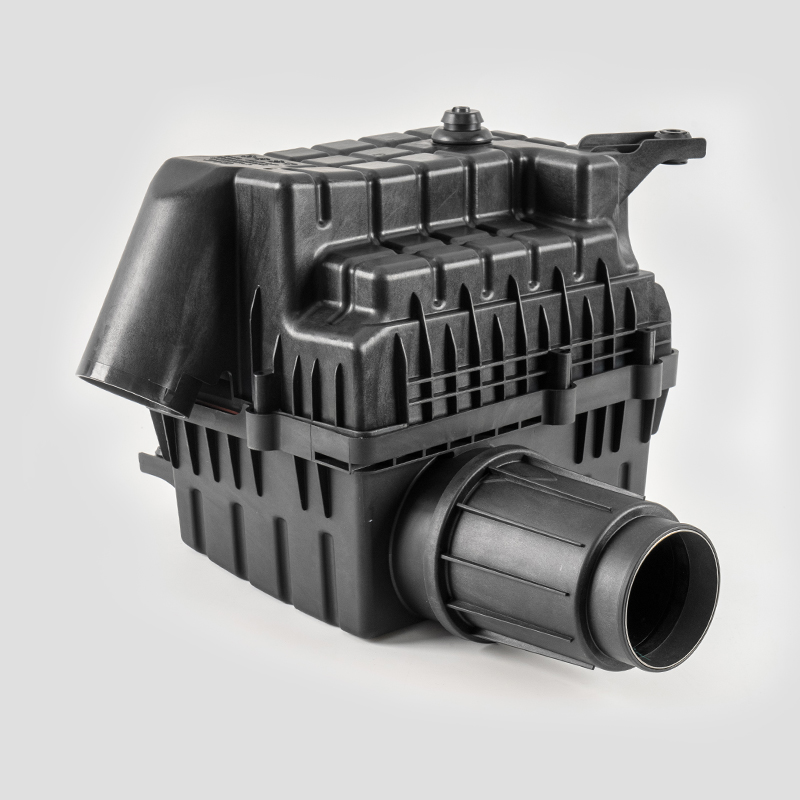
GAC A57 Automotive Engine Air Filtration System Housing Assembly
-
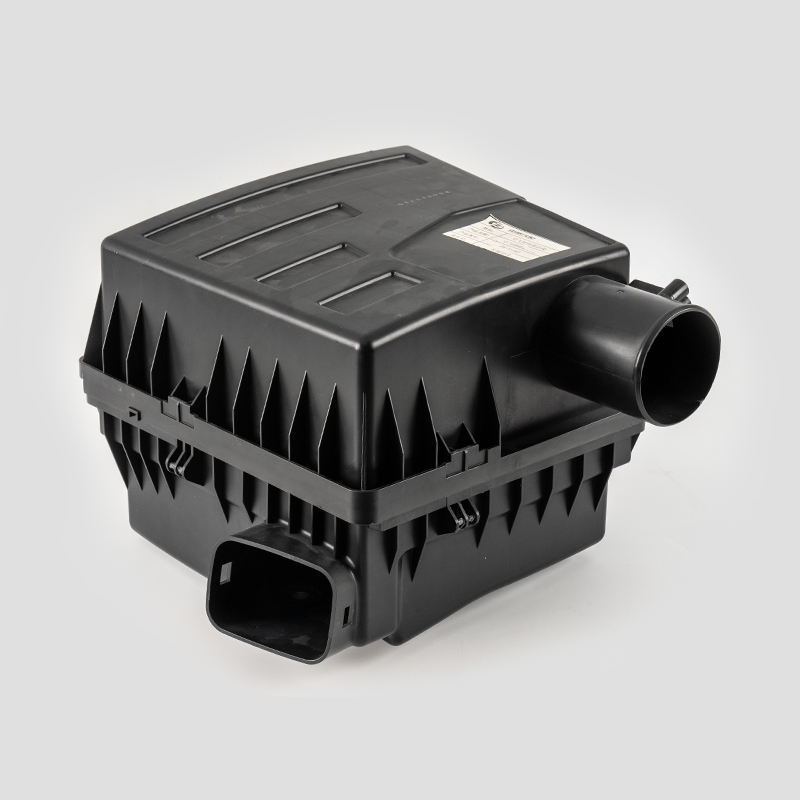
Great Wall A30 Automotive Engine Air Filtration System Housing Assembly
-
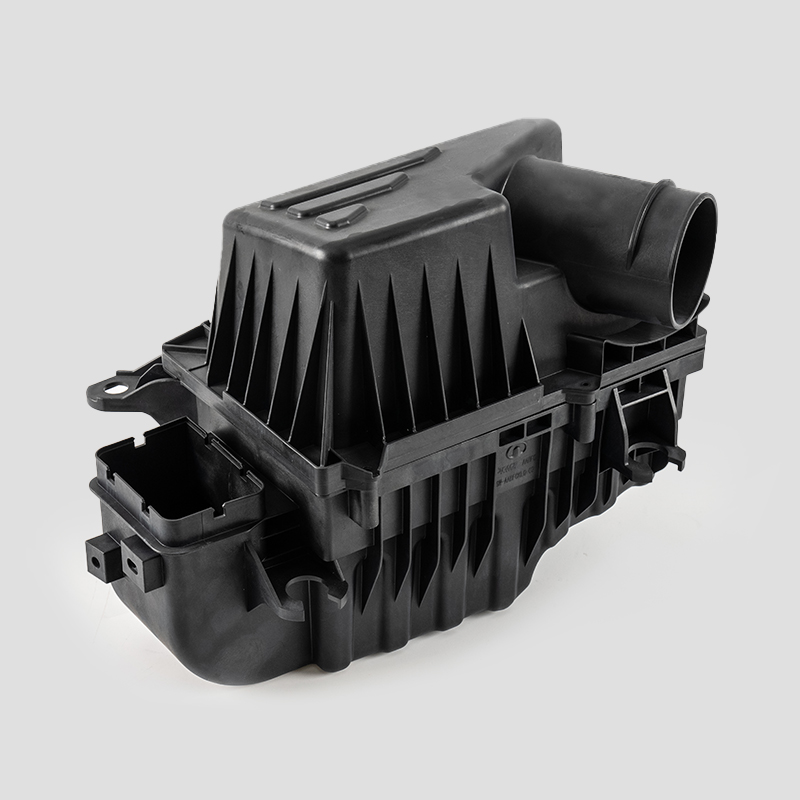
Great Wall B30 Automotive Engine Air Filtration System Housing Assembly
-
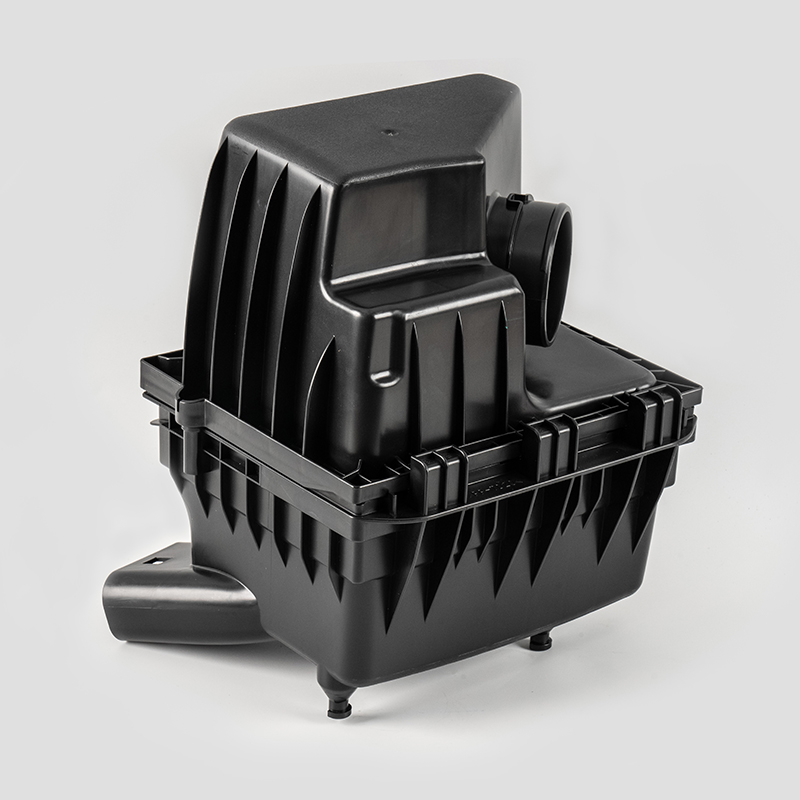
Great Wall Automotive Engine Air Filtration System Housing Assembly
-
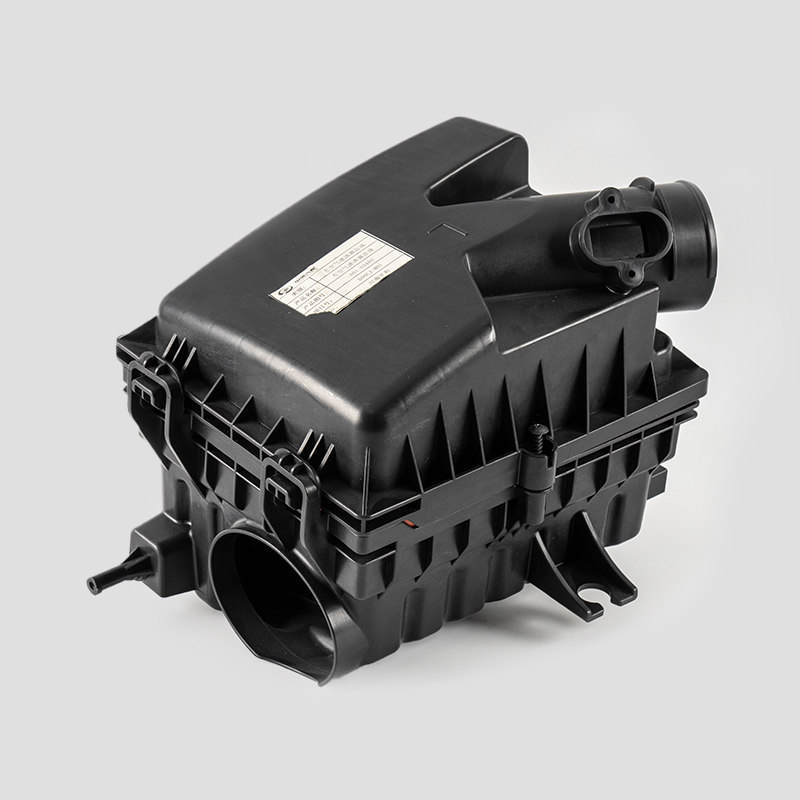
BAIC Automotive Engine Air Filtration System Housing Assembly
-
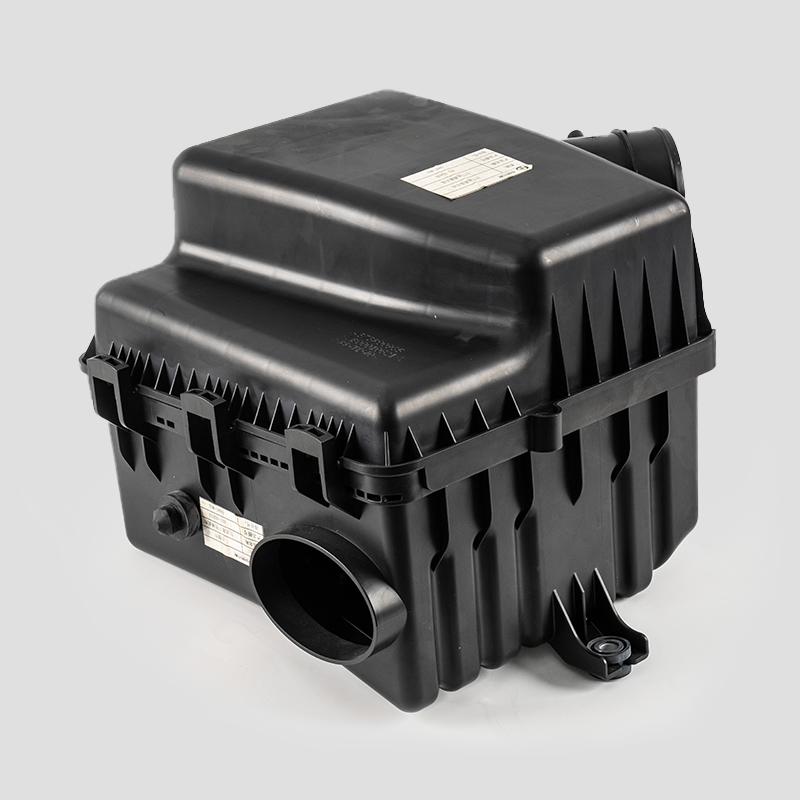
BAIC SUV Automotive Engine Air Filtration System Housing Assembly



Copyright © Ningbo Heyuan Auto Parts Co., Ltd. Rights Reserved. Custom Automobile Filter Parts Company OEM/ODM Automobile Filter Parts Manufacturer
