


 English
 Español
 عربى
عربى
How to replace the Great Wall engine air filter housing assembly?
Content
- 1 Why the Engine Air Intake Housing Matters
- 2 Identifying the Correct Great Wall Air Filter Housing Part Number
- 3 Tools and Materials Required
- 4 Step-by-Step Replacement Procedure
- 4.1 Step 1 — Preparation and Safety
- 4.2 Step 2 — Disconnect the MAF Sensor Harness
- 4.3 Step 3 — Loosen the Intake Duct Clamp
- 4.4 Step 4 — Remove Housing Mounting Fasteners
- 4.5 Step 5 — Release the Cold Air Inlet Duct
- 4.6 Step 6 — Extract and Inspect the Old Housing
- 4.7 Step 7 — Transfer Components to the New Housing
- 4.8 Step 8 — Install the New Housing and Reconnect All Systems
- 4.9 Step 9 — Post-Installation Verification
- 5 Replacement Interval and Maintenance Schedule
- 6 OEM vs. Aftermarket: Choosing the Right Air Filter Housing
- 7 Common Failure Modes and Diagnosis
- 8 Model-Specific Notes for Hover, Wingle, and Steed
- 9 About Ningbo Heyuan Auto Parts Co., Ltd.
- 10 Frequently Asked Questions
Replacing the Great Wall Automotive Engine Air Filtration System Housing Assembly is a straightforward process that most experienced DIYers can complete in under 60 minutes with basic hand tools. The key is sourcing an exact-fit OEM air filter box or certified equivalent, disconnecting the intake duct, releasing the housing clips, swapping the unit, and confirming all seals are airtight before restarting the engine. Below, this guide covers every step in detail — from identifying the correct Great Wall air filter housing part number to torque specs and post-installation checks.
Whether you drive a Great Wall Hover air filter assembly platform, rely on the Great Wall Wingle workhorse, or own a Great Wall Steed engine intake box-equipped pickup, the procedure follows a consistent logic. Understanding the assembly's role — protecting the engine from dust, debris, and moisture — helps explain why a cracked or warped housing demands prompt replacement rather than a patch.
Why the Engine Air Intake Housing Matters
The engine air intake housing is the structural enclosure that holds the air filter element and channels clean, metered air into the throttle body. On Great Wall platforms, it also integrates the mass airflow sensor (MAF) mounting port and the idle air control conduit. A compromised Great Wall air cleaner housing assembly — whether cracked, warped, or missing a seal — allows unfiltered air to bypass the filter media, accelerating wear on cylinder walls and piston rings by a measurable margin.
Independent tribology studies indicate that engine ingestion of particles larger than 10 microns can increase cylinder liner wear rates by up to 40% compared to properly filtered intake air. The housing is the first and most critical line of defense in the filtration chain, making the integrity of the Great Wall air filtration system parts non-negotiable for long-term engine health.
Identifying the Correct Great Wall Air Filter Housing Part Number
Before ordering a replacement Great Wall air cleaner housing assembly, confirm three data points: the vehicle model and year, the engine displacement code, and the existing Great Wall air filtration system parts number stamped on the housing or listed in the owner's manual. Great Wall uses model-specific housings that differ in inlet diameter, clip positions, and MAF sensor port location.
| Model | Engine | Approx. OEM Part No. | Inlet Dia. (mm) |
|---|---|---|---|
| Great Wall Hover H3/H5 | 2.0L 4G63 | 1109110-K00 | 70 |
| Great Wall Wingle 5/6 | 2.2L GW4D20 | 1109110-P00 | 76 |
| Great Wall Steed | 2.4L GW491QE | 1109100-S08 | 72 |
| Great Wall Hover M4 | 1.5T GW4G15 | 1109110-T15 | 65 |
When cross-referencing the air filter housing for Great Wall Wingle or Steed platforms, always verify the MAF sensor port diameter (typically 36–42 mm) in addition to the main inlet size. A housing that fits physically but uses a different sensor port diameter will trigger fault codes and disrupt fueling calibration.
Tools and Materials Required
Having the right tools on hand before starting prevents mid-job delays. The air cleaner assembly Great Wall replacement requires no specialist equipment — only common workshop items:
- Flat-blade and Phillips-head screwdrivers (for housing clips and sensor harness screws)
- 8 mm and 10 mm sockets with a short extension
- Hose clamp pliers or slip-joint pliers for the intake duct clamp
- Clean lint-free rags to protect the open throttle body
- Electrical contact cleaner for the MAF sensor connector
- Replacement OEM air filter box matching the verified part number
- New air filter element (recommended whenever the housing is replaced)
Step-by-Step Replacement Procedure
Follow this sequence carefully to avoid damaging the MAF sensor or cracking the throttle body inlet neck — the two most common collateral mistakes during a Great Wall engine air intake housing replacement.
Step 1 — Preparation and Safety
Ensure the engine is fully cold and the ignition is in the OFF position. Disconnect the negative battery terminal and allow at least 90 seconds for capacitors in the ECU to discharge. This prevents inadvertent MAF sensor voltage spikes during connector removal. Open the hood and lay a protective fender cover over the engine bay strut tower.
Step 2 — Disconnect the MAF Sensor Harness
Locate the MAF sensor wiring connector on the outlet side of the Great Wall Hover air filter assembly or equivalent housing. Press the locking tab inward while pulling the connector body rearward — never lever with a screwdriver as this cracks the plastic latch. Spray a short burst of electrical contact cleaner into the connector socket before setting it aside.
Step 3 — Loosen the Intake Duct Clamp
Using hose clamp pliers, loosen the worm-drive or spring clamp connecting the rubber intake duct to the housing outlet. On the Great Wall Steed engine air intake box, this clamp is typically a 7 mm worm drive; on the Hover H5, it is a spring clamp requiring squeeze-and-slide action. Slide the duct back approximately 50 mm to clear the housing spigot.
Step 4 — Remove Housing Mounting Fasteners
Most Original Great Wall air filter housing assemblies are secured by two to four 8 mm or 10 mm bolts into rubber-isolated grommets on the inner fender panel. Remove these fasteners and retain the rubber grommets — they isolate vibration and are not always included with replacement housings. If the housing also mounts to a bracket on the engine block, remove that bolt last.
Step 5 — Release the Cold Air Inlet Duct
The cold air inlet duct runs from the front bumper area or inner fender to the housing inlet. It typically locks into the housing with a bayonet tab or a friction-fit grommet. Rotate it 15–20 degrees counterclockwise and pull outward. Cover the open inlet in the body panel with a clean rag to prevent debris entry while the housing is removed.
Step 6 — Extract and Inspect the Old Housing
Lift the old air filter housing for Great Wall Wingle or the applicable model out of the engine bay. Inspect the old housing for crack location, seal groove condition, and clip integrity. Understanding the failure mode helps determine whether it was a stress fracture (often from over-tightened clamps), UV degradation, or impact damage — information useful for preventing repeat failure.
Step 7 — Transfer Components to the New Housing
Transfer the MAF sensor from the old housing to the new one if the replacement does not include one. Use a T20 or T25 Torx bit depending on the sensor variant. Handle the MAF sensor by its body only — never touch the sensing wire or film element. Torque the sensor retaining screws to 2–3 Nm maximum. Also transfer any breather hose connections or vacuum nipples present on the old housing.
Step 8 — Install the New Housing and Reconnect All Systems
Insert a fresh filter element into the new housing, seat the lower housing half, and engage all clips firmly — they should click audibly. Reconnect the cold air inlet duct, slide the intake duct onto the outlet spigot, and tighten the clamp to approximately 3–4 Nm (do not over-tighten, which can split the duct collar). Reattach the mounting bolts to the fender panel grommets, reconnect the MAF harness until it clicks, and reconnect the battery terminal.
Step 9 — Post-Installation Verification
Start the engine and let it idle for two minutes. Verify there are no intake-related fault codes using an OBD-II scanner. Check all junction points — inlet duct, outlet duct, breather hose — for audible air leaks by holding a clean cloth near each joint while the engine idles. A whistling or hissing noise indicates an incomplete seal that must be corrected immediately.
Replacement Interval and Maintenance Schedule
The Great Wall Automotive Engine Air Filtration System Housing Assembly itself has no fixed replacement interval — it is replaced on condition (cracking, seal failure, clip breakage). However, the filter element inside should be inspected every 15,000 km and replaced no later than every 30,000 km under normal operating conditions. In dusty or off-road environments typical for Wingle and Steed users, this shortens to 15,000–20,000 km.
Pairing housing replacement with a fresh filter element is strongly advisable. Installing a new filter element into an old cracked housing negates the filtration benefit entirely, since unfiltered air simply bypasses through the housing gap.
OEM vs. Aftermarket: Choosing the Right Air Filter Housing
For the Great Wall air intake housing replacement, the decision between an OEM unit and a certified aftermarket equivalent involves trade-offs in dimensional accuracy, polymer grade, and clip retention force. The table below summarizes the key differentiators:
| Attribute | OEM Unit | Certified Aftermarket | Generic/Unbranded |
|---|---|---|---|
| Dimensional tolerance | ±0.2 mm | ±0.5 mm | ±1.5 mm+ |
| Polymer UV resistance | High (UV-stabilized PP) | Medium | Variable / unknown |
| Clip retention force | Validated | Tested to spec | Untested |
| MAF port diameter accuracy | Exact match | Within 0.3 mm | Often mismatched |
| Quality certification | OEM validated | ISO/TS16949 | None stated |
Common Failure Modes and Diagnosis
Understanding why an Original Great Wall air filter housing fails helps select the correct replacement material and prevents recurrence. The three most frequent failure modes are:
- Thermal fatigue cracking: Repeated heat cycling causes micro-cracks along the seam weld line, especially on turbocharged GW4D20 engines. These cracks are often visible only under bright light at an oblique angle.
- Clip failure: Over time, the polypropylene retaining clips lose elasticity and no longer exert sufficient force to compress the lid seal. Air bypass results without any visible crack.
- Inlet neck fracture: Physical impact — from a loose stone in the fender liner or an over-tight intake duct clamp — can fracture the inlet neck at its root, the narrowest stress concentration point.
Diagnostic signals for a compromised Great Wall air cleaner housing assembly include: a P0101 or P0102 MAF circuit fault code, rough idle with no fuel system fault, black smoke on deceleration (indicating over-fueling from a lean MAF signal), and a noticeable increase in induction noise at idle.
Model-Specific Notes for Hover, Wingle, and Steed
Great Wall Hover H3 / H5 — Hover Air Filter Assembly
The Great Wall Hover air filter assembly on H3 and H5 platforms uses a two-piece snap-together housing with a horizontal split line. The lower body is bolted to the fender apron via two 10 mm bolts; the upper lid is retained by four clips. A rubber sealing bead runs the full perimeter. When replacing, always clean the seating groove in the lower body before installing the new lid — hardened dust or debris in this groove is the primary cause of premature seal failure.
Great Wall Wingle 5 / 6 — Air Filter Housing for Great Wall Wingle
The air filter housing for Great Wall Wingle commercial vehicles sits in a higher-vibration environment than passenger SUVs. Wingle housings therefore incorporate a stiffer polypropylene blend and use three mounting grommets rather than two. The outlet spigot angle is canted 15 degrees forward to clear the GW4D20 intercooler plumbing on turbocharged variants. Confirm this angle matches when ordering a replacement.
Great Wall Steed — Engine Air Intake Box
The Great Wall Steed engine air intake box is a single-piece molded design unique among Great Wall platforms. It lacks a serviceable filter element in the conventional sense — the filter is accessed by unlatching a hinged side panel rather than splitting upper and lower halves. This design reduces the number of sealing surfaces and is generally more durable, but requires the correct hinged-panel replacement unit rather than the Hover or Wingle housing type.
About Ningbo Heyuan Auto Parts Co., Ltd.
Ningbo Heyuan Auto Parts Co., Ltd. is a trade and manufacturing enterprise specializing in the production of various filters, with an annual output of over 50 million filtration assemblies and filters. As a professional automobile filter parts manufacturer in China, we adopt advanced plastic blow molding, rubber processing, and welding technology, and operate a modern production workshop and R&D center. The production process strictly observes ISO/TS16949:2009 and ISO9001:2000 quality management systems. Our range covers Great Wall Automotive Engine Air Filtration System Housing Assembly components, OEM-spec air cleaner assemblies, and a comprehensive catalog of filtration solutions for domestic and export markets. Every housing unit undergoes dimensional verification, seal compression testing, and clip retention validation before shipment, ensuring compatibility with Great Wall Hover, Wingle, Steed, and related platforms.
Frequently Asked Questions
Related Products
-
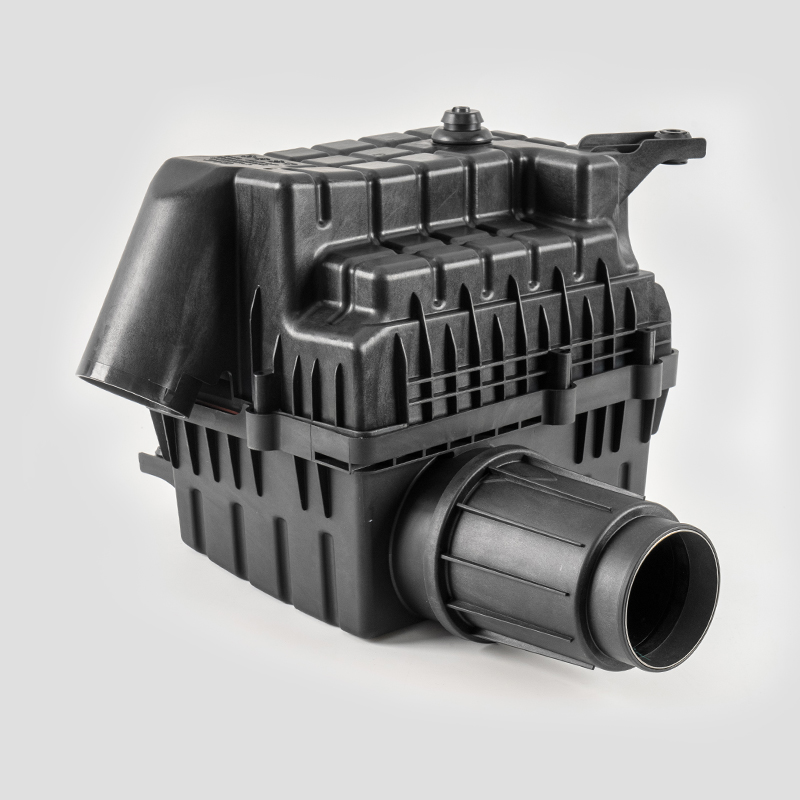
GAC A57 Automotive Engine Air Filtration System Housing Assembly
-
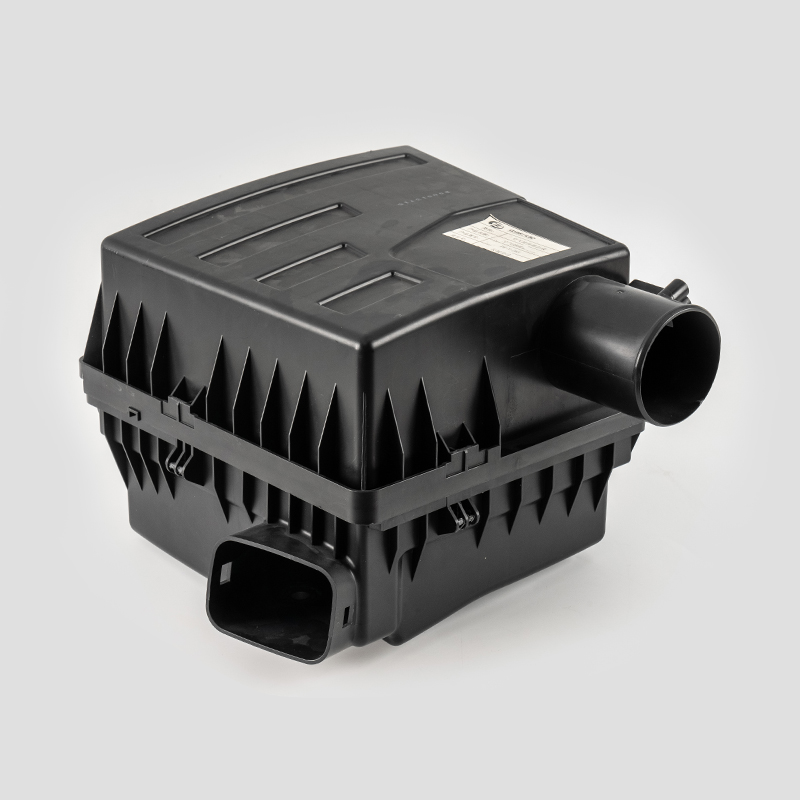
Great Wall A30 Automotive Engine Air Filtration System Housing Assembly
-
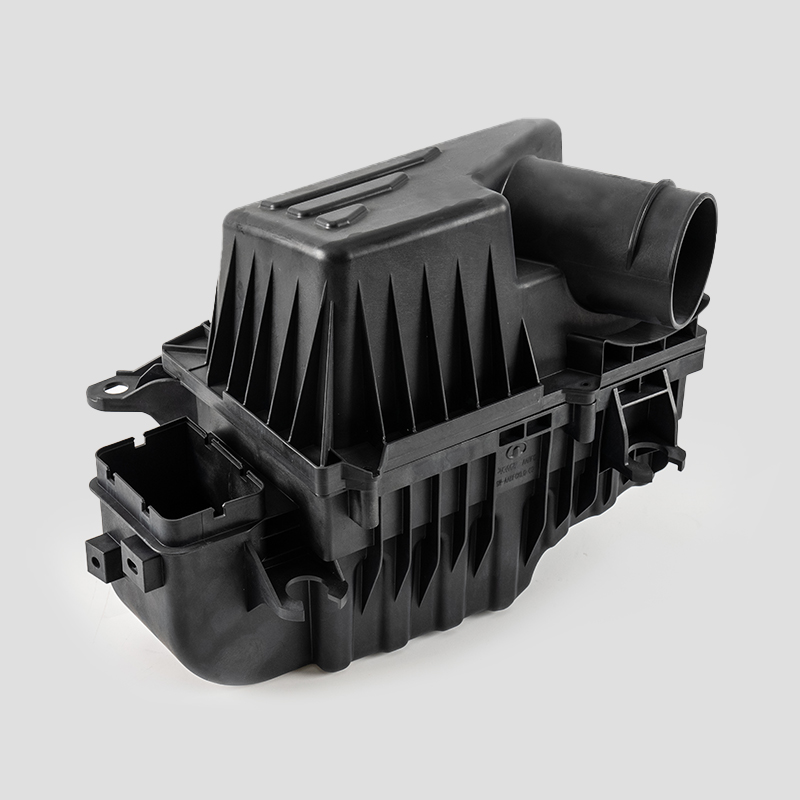
Great Wall B30 Automotive Engine Air Filtration System Housing Assembly
-
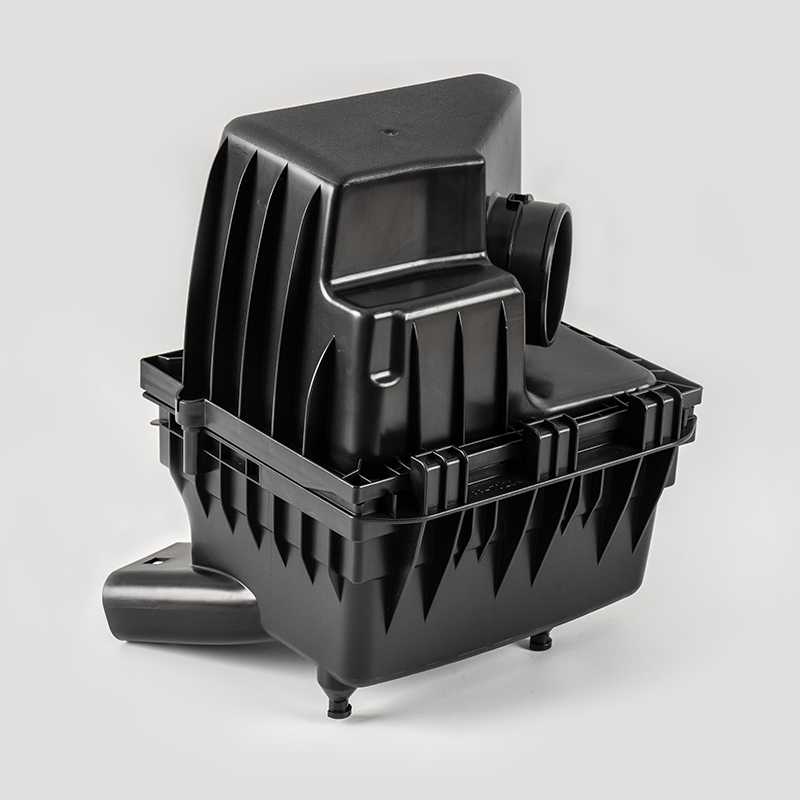
Great Wall Automotive Engine Air Filtration System Housing Assembly
-
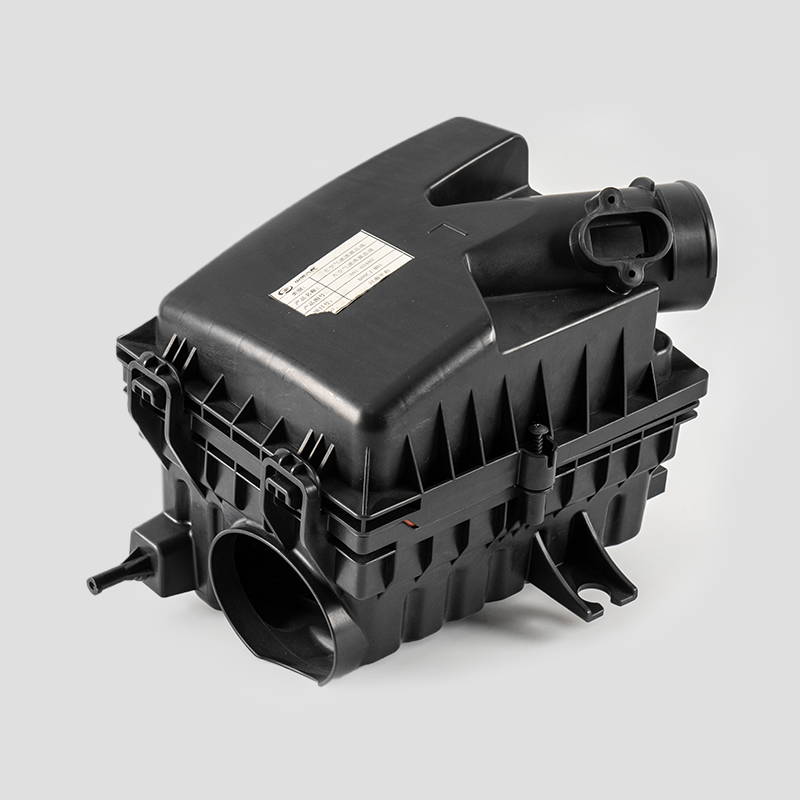
BAIC Automotive Engine Air Filtration System Housing Assembly
-
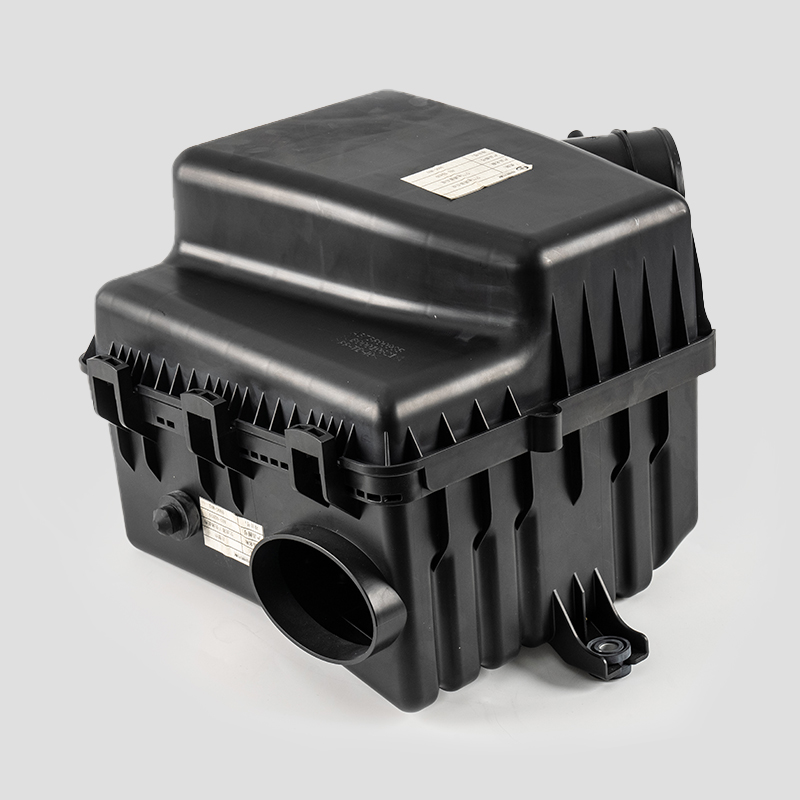
BAIC SUV Automotive Engine Air Filtration System Housing Assembly



Copyright © Ningbo Heyuan Auto Parts Co., Ltd. Rights Reserved. Custom Automobile Filter Parts Company OEM/ODM Automobile Filter Parts Manufacturer
