


 English
 Español
 عربى

How to Clean the Throttle Body Safely and Protect the Air Intake System
Content
- 1 When to Clean the Throttle Body and What It Fixes
- 2 What Builds Up on the Throttle Plate and Why Air Filtration Matters
- 3 How to Clean the Throttle Body Without Damaging Electronics
- 4 Which Cleaner Is Safe for a Coated Throttle Body?
- 5 Electronic and Cable Throttle Bodies Have Different Risks
- 6 Idle Relearn, Test Drive, and the Checks Most People Skip
- 7 Why the Air Filter and Intake Sealing Deserve Equal Attention
- 8 Replacement Filter Buying Criteria for Distributors and Repair Shops
- 9 FAQ: Can You Clean the Throttle Body Without Removing It?
A rough idle, a lazy tip-in, or a check-engine light after a cold start often sends a driver to the same search: clean the throttle body. The job can be done in a driveway, but the difference between a proper service and an expensive mistake is usually not the spray can. It is the preparation, the cleaner chemistry, and what happens to the air path afterward.
The practical answer is simple. Clean the throttle body with an intake-safe cleaner, protect the electronic module and throttle plate coating, replace any hardened gasket, and confirm that the air filter and intake ducts seal correctly. If the filter housing is warped, the duct is cracked, or the filter element is overloaded, the throttle body will often collect deposits again. For a filter manufacturer such as NBHY, the throttle body is the visible symptom, while the air filter, housing, and connecting ducts are the upstream control points.
When to Clean the Throttle Body and What It Fixes
Throttle body cleaning is a maintenance service, not a cure for every driveability complaint. A dirty throttle plate can contribute to unstable idle, hesitation just off idle, a small surge when the air conditioning engages, or a carbon ring that changes the effective opening at low throttle angles. On an electronic throttle body, the control module may also adapt around the restriction, so the driver notices a slow change rather than a sudden failure.
Common signs that justify an inspection include a black or oily ring around the throttle plate, a sticky first few percent of pedal travel, a idle that hangs slightly high after deceleration, and a soot film that extends into the intake bore. A scan tool check still matters. Vacuum leaks, a failing mass air flow sensor, worn spark plugs, and a restricted air filter can produce similar symptoms. Cleaning the throttle body without checking those items can move the problem rather than solve it.
- Inspect the throttle bore only after the engine is cool and the ignition is off.
- Look for oil mist, fine dust, and a hard carbon ring at the plate edge.
- Check the air filter element, housing clips, and intake duct before blaming the throttle body alone.
- Record idle speed and fuel trim data before cleaning so the post-service result has a baseline.
What Builds Up on the Throttle Plate and Why Air Filtration Matters
The deposit on a throttle plate is usually a mixture of crankcase vapor, oil mist, fine dust, and combustion byproducts. Stop-and-go driving and short cold runs can make the film more noticeable because the engine does not always reach a steady high-temperature cycle. In dusty regions, the air filter and its sealing surfaces carry more of the load. If unfiltered air passes around a hardened filter gasket or through a cracked inlet duct, the throttle body sees grit that the filter media was meant to stop.
This is where filter fitment becomes part of throttle body maintenance. The filter must match the housing, the gasket must compress evenly, and the housing clips must hold the element flat. A filter that looks similar but has the wrong pleat depth or gasket profile can create a small bypass path. For a 2.5L Camry application, the catalog reference below can help a workshop match the correct air filter before the intake is reassembled.
 Toyota Camry 2.5L Air Filter, Part 17801-F0060Application-specific air filter listed for Toyota Camry 2.5L with OE reference 17801-F0060; useful for checking housing fit and gasket seating during throttle body service.View Product →
Repair shops that service mixed fleets should compare the old filter, the housing, and the OE reference together. A quick visual check is useful, but an application-specific part number reduces the risk of installing an element with the wrong outer seal or height. That matters because a small air leak at the filter box can sound like a throttle body issue while the real fault is an unseated lid or a split duct.
How to Clean the Throttle Body Without Damaging Electronics
Start with the battery and the intake connections. On most modern vehicles, the throttle body carries a motor, a position sensor, and sometimes a coolant circuit. The cleaning method should protect those parts, not just the bore. Work in a clean area, keep loose screws in a tray, and avoid spraying solvent directly into the electrical connector or the motor housing.
- Switch off the ignition and disconnect the battery negative terminal where the service procedure requires it.
- Remove the intake air duct and label any vacuum lines or coolant hoses before moving them aside.
- Inspect the throttle bore with a light. Photograph the plate position and connector routing before disassembly.
- Use a dedicated throttle body cleaner and apply it to a lint-free cloth or a soft brush, not in a heavy flood.
- Wipe the bore from the outside inward. Avoid pushing carbon into the shaft bore or the sensor area.
- Do not force an electronic throttle plate open by hand. If the service procedure allows plate movement, use the scan tool or follow the vehicle-specific method.
- Inspect the throttle body gasket and the intake duct O-ring. Replace any hardened, flattened, or cracked seal.
- Reassemble with the correct torque, reconnect the intake, and perform the idle relearn or throttle adaptation procedure.
A soft nylon brush can help with a stubborn ring, but aggressive scrubbing is not needed. The goal is a clean sealing edge and a smooth bore, not a polished surface. If the coating on the plate is visibly worn or flaking, cleaning may not restore the original low-throttle behavior. In that case, the throttle body may need replacement rather than repeated cleaning.
Which Cleaner Is Safe for a Coated Throttle Body?
Cleaner selection is where many driveway jobs go wrong. A product that works well on a metal carburetor may be too aggressive for the coated plate and plastic bore of a modern throttle body. The table below compares common workshop choices. It is a general guide, so the vehicle service information and the cleaner label should always take priority.
| Cleaner type | Typical use | Main risk | Workshop note |
|---|---|---|---|
| Dedicated throttle body cleaner | Coated plates, plastic bores, and light carbon film | Low when used as directed | Apply to a cloth first and avoid flooding the shaft area |
| Carburetor cleaner | Heavy metal carburetor parts and bare metal surfaces | Can attack coatings, plastic, and some seals | Check compatibility before use on a modern throttle body |
| Mass air flow sensor cleaner | Sensors and delicate electronic surfaces | May be too mild for a hard carbon ring | Useful for the sensor, not a substitute for throttle bore cleaning |
| Brake cleaner | Metal parts outside the intake system | Very aggressive on coatings and plastics | Keep it away from throttle bodies unless the service data says otherwise |
A cleaner that evaporates quickly can be helpful, but speed is not the main criterion. Compatibility with the plate coating, bore material, and shaft seals matters more. If the label does not clearly state that the product is safe for throttle bodies, do not experiment on a customer vehicle. The cost of a replacement electronic throttle body is far higher than the difference between a general solvent and a purpose-made cleaner.
Electronic and Cable Throttle Bodies Have Different Risks
A cable throttle body is mechanically simple. The plate moves with the cable, and cleaning is mostly about the bore, the plate edge, and the linkage. An electronic throttle body adds a motor, a position sensor, and software adaptation. The plate may not move freely by hand, and the control module may need a relearn after cleaning. Treating both designs the same way is a common source of problems.
On an electronic unit, avoid turning the plate against its internal stops. Do not use a screwdriver to hold the plate open. If the bore needs access, follow the service procedure or use a scan tool that supports throttle body service functions. Check the connector pins for oil or cleaner residue after the job. On a cable unit, inspect the cable return spring and linkage for smooth operation, because a sticky cable can imitate a dirty throttle plate.
For a common Jetta application, the air filter reference below is useful when the intake tract is opened for cleaning and the old element is due for replacement. Matching the filter to the housing is a small step that helps keep the throttle bore cleaner between services.
 Volkswagen Jetta Air Filter Replacement, OE 191 819 638Replacement Jetta air filter for 1997–2013 1.6L applications with OE 191 819 638; useful when intake is opened for cleaning and element replacement.View Product →
Idle Relearn, Test Drive, and the Checks Most People Skip
After cleaning, the engine may idle high or low for a short period while the control module relearns the closed and open throttle positions. Some vehicles complete this automatically after a few drive cycles. Others need a scan tool procedure. Do not assume that a rough idle immediately after cleaning means the job failed. Check for disconnected hoses, a loose intake clamp, a missing gasket, or a connector that is not fully seated.
- Verify that the intake duct is fully seated and the clamp is tight.
- Check that the throttle body connector locks with an audible click and no bent pins.
- Start the engine and watch idle speed, short-term fuel trim, and any pending codes.
- Road test at light and moderate throttle, then recheck for hesitation or a hanging idle.
- Re-torque the throttle body fasteners only to the specification, not by feel.
If the idle remains unstable, stop and diagnose rather than applying more cleaner. A vacuum leak at the intake manifold, a dirty mass air flow sensor, or a worn spark plug can produce the same complaint. Cleaning the throttle body is most effective when it is part of a complete intake service that includes filter inspection and a careful look at every connection disturbed during the job.
Why the Air Filter and Intake Sealing Deserve Equal Attention
The chart below is a planning aid for service advisors, not a fixed interval table. It compares how much inspection attention different operating profiles usually deserve when a vehicle has idle quality complaints or a history of throttle body deposits. The values are relative, and real intervals still depend on the vehicle, the local dust level, and the filter design.
Relative inspection emphasis by operating profile
city use
construction areas
driving
cruising
Stop-and-go and dusty use often call for closer attention because the intake sees more repeated cold cycles, oil mist, and airborne grit. Highway use may still need regular filter inspection, but the throttle body may stay cleaner for longer when the air path is sealed correctly. For a filter supplier, this is a useful way to explain why one fixed interval does not fit every fleet.
NBHY produces air filters as well as injection molded housings, blow molded intake pipes, and rubber air ducts. That product range matters because a throttle body service is also an inspection opportunity for the full air path. A filter element can look acceptable while the housing clip is weak or the outlet duct has a small crack. Those defects can create a dust path that no amount of throttle body cleaning will fix.
For workshops handling turbocharged SUVs, a high-dust environment makes filter fitment and sealing especially important. This Tank 300 reference is one example of an application-specific air filter listing that can be checked against the housing and OE number during service.
 Great Wall Tank 300 2.0T Air Filter, 1109103XKM01AApplication-specific air filter for Great Wall Tank 300 2.0T with part number 1109103XKM01A; suitable for checking housing fit and OE reference during service.View Product →
Replacement Filter Buying Criteria for Distributors and Repair Shops
Buyers who source filters for repair shops or wholesale programs usually care about more than a low unit price. They need stable fitment across batches, clear OE references, and packaging that protects the gasket. A filter manufacturer that also controls plastic and rubber components can support a broader intake system conversation, which is useful when a workshop wants one supplier for related service parts.
- Confirm the OE number and vehicle application before comparing filter photos.
- Check pleat count, media depth, and gasket profile against the housing, not only the outer dimensions.
- Ask for batch consistency data and packaging that prevents gasket deformation in storage.
- Review whether the supplier can also provide related housings, ducts, or rubber connections.
- For wholesale orders, confirm labeling, carton marks, and mixed-model packing rules.
NBHY is positioned as a filter manufacturer and supplier with production experience across air, cabin, oil, fuel, and hydraulic filters, plus plastic and rubber intake components. That combination can help distributors answer a practical question: is the replacement part a direct fit for the housing, and will the next batch match the sample? Those checks reduce comebacks after throttle body cleaning because the intake is less likely to draw unfiltered air through a poor seal.
NBHY Resources for Intake and Filtration Programs
For workshops and distributors comparing replacement options, start with the NBHY air filter range and match the OE reference to the vehicle. For background on airflow and service life, read how air filters improve engine efficiency and life.
FAQ: Can You Clean the Throttle Body Without Removing It?
Can I clean the throttle body without removing it from the engine?
In many cases, yes. The intake duct can be moved aside and the bore cleaned with a cloth or soft brush while the unit stays mounted. The limitation is access. If the lower bore or plate edge cannot be reached safely, or if the gasket is hardened, removal may be the better choice. Always follow the vehicle-specific service procedure for electronic throttle bodies.
How often should I clean the throttle body?
There is no universal interval. Dusty use, short trips, and a history of oil mist in the intake may justify closer inspection. A cleaner approach is to check the throttle bore when the air filter is serviced or when idle quality changes. If the plate edge is clean and the idle data is normal, cleaning is not automatically needed.
Why does my idle stay high after I clean the throttle body?
The control module may need an idle relearn or throttle adaptation. A small intake leak, a disconnected vacuum line, or a connector that is not fully seated can also cause a high idle. Recheck the work before assuming the throttle body is faulty. On some vehicles, a scan tool procedure is required to complete the relearn.
Can I use carburetor cleaner on a throttle body?
It depends on the throttle body materials and the cleaner label. Some carburetor cleaners are too aggressive for coated plates, plastic bores, and shaft seals. A dedicated throttle body cleaner is the safer starting point. If the label does not confirm compatibility, do not use it on a customer vehicle.
Does a dirty air filter cause throttle body deposits?
A restricted or poorly sealed air filter can contribute to dirt and oil mist reaching the intake, but it is not the only cause. Crankcase ventilation, short-trip operation, and intake leaks also play a role. Replacing the filter without checking the housing and ducts may leave the underlying path problem in place.
Throttle body cleaning is a small service with a wide set of consequences. A careful technician protects the electronics, uses a compatible cleaner, replaces tired seals, and confirms the idle relearn. A smart parts program goes one step further by treating the air filter, housing, and intake ducts as part of the same maintenance plan. That approach helps drivers get a stable idle and helps distributors and repair shops avoid repeat comebacks.
If the throttle body is dirty again soon after cleaning, the next step is not another can of solvent. Inspect the air filter element, the housing seal, the intake duct, and every connection disturbed during the first service. The filter may be the quiet part of the job, but it is often the part that decides how long the cleaning lasts.
Related Products
-
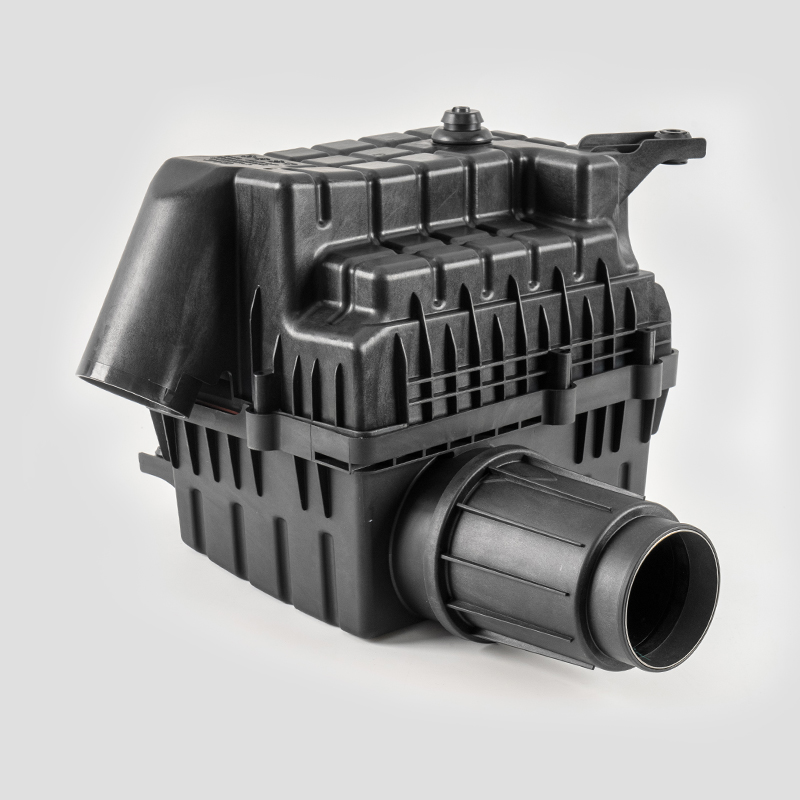
GAC A57 Automotive Engine Air Filtration System Housing Assembly
-
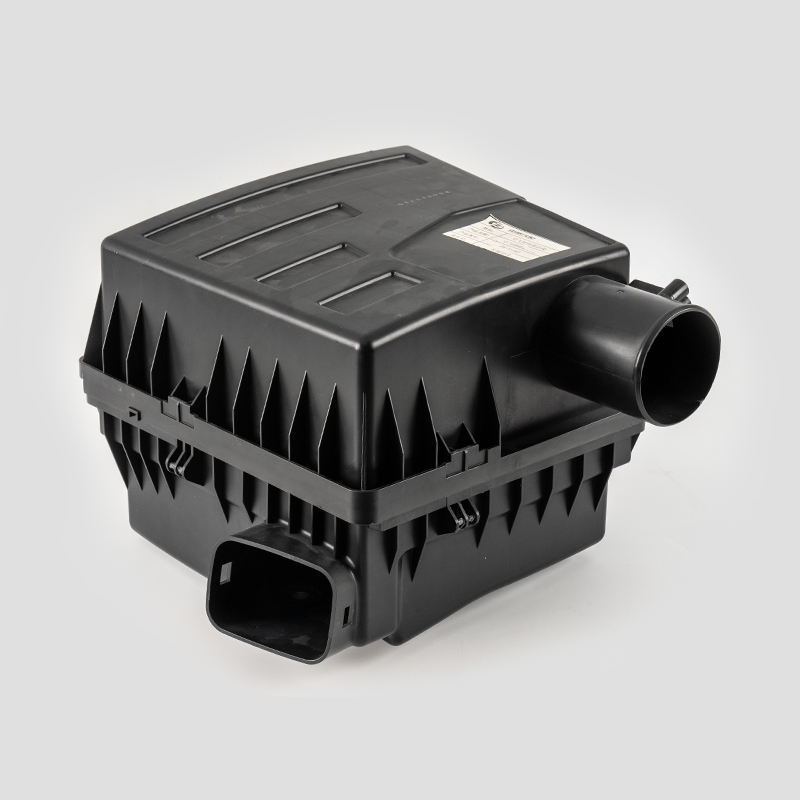
Great Wall A30 Automotive Engine Air Filtration System Housing Assembly
-
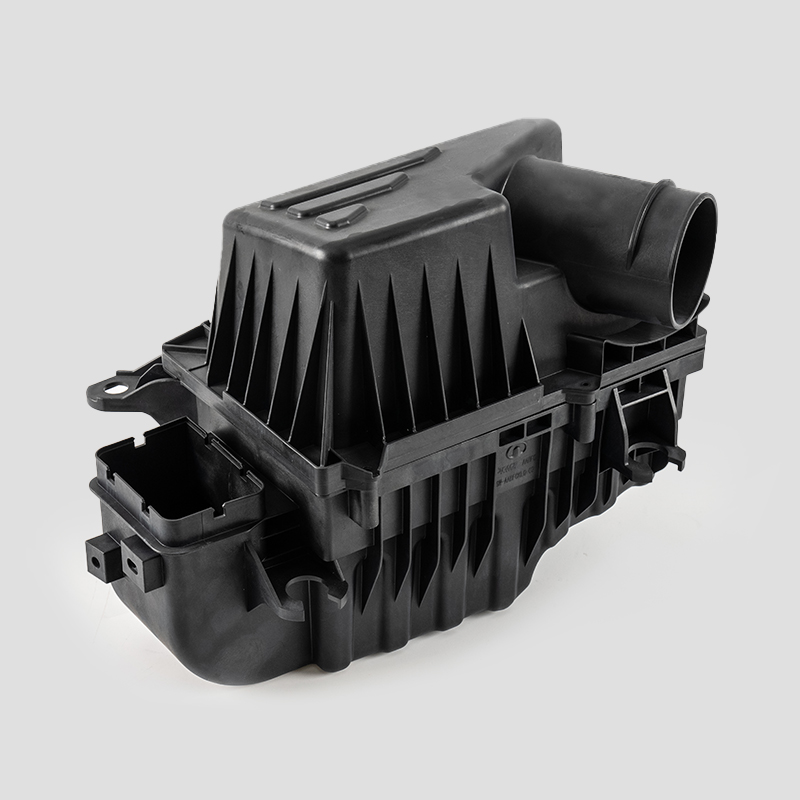
Great Wall B30 Automotive Engine Air Filtration System Housing Assembly
-
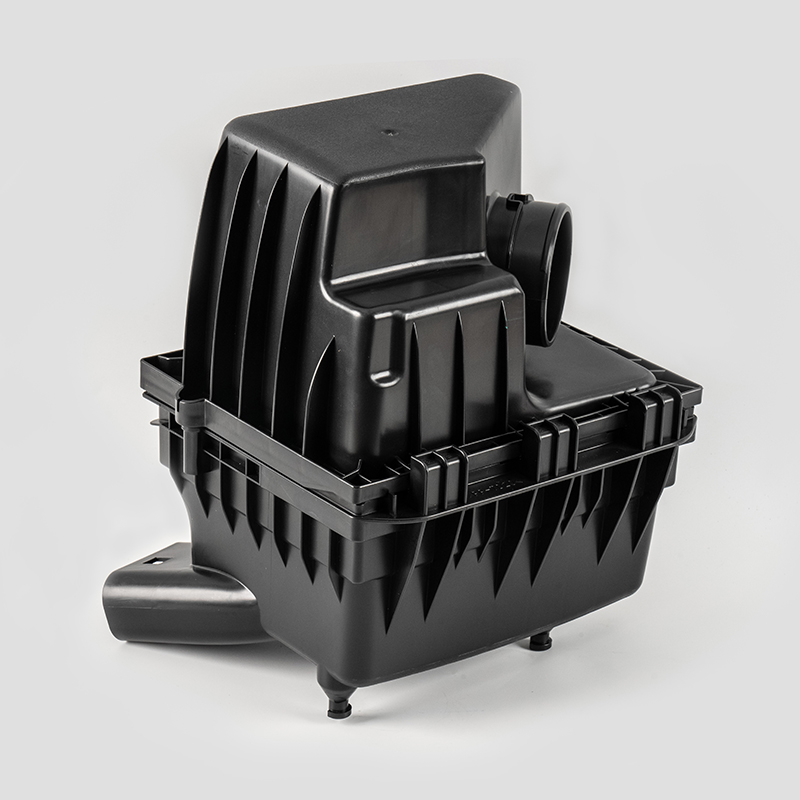
Great Wall Automotive Engine Air Filtration System Housing Assembly
-
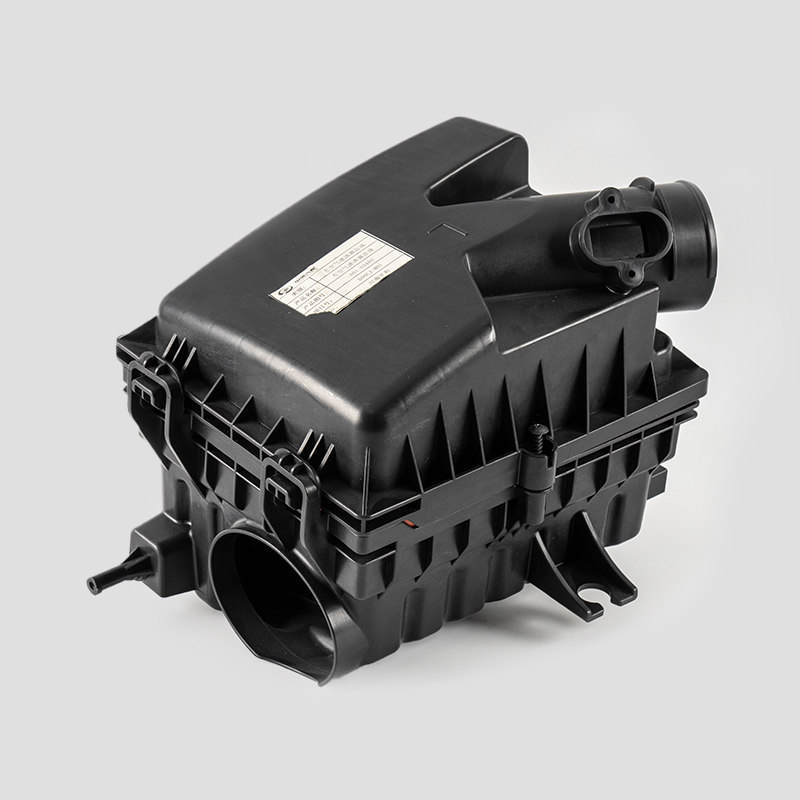
BAIC Automotive Engine Air Filtration System Housing Assembly
-
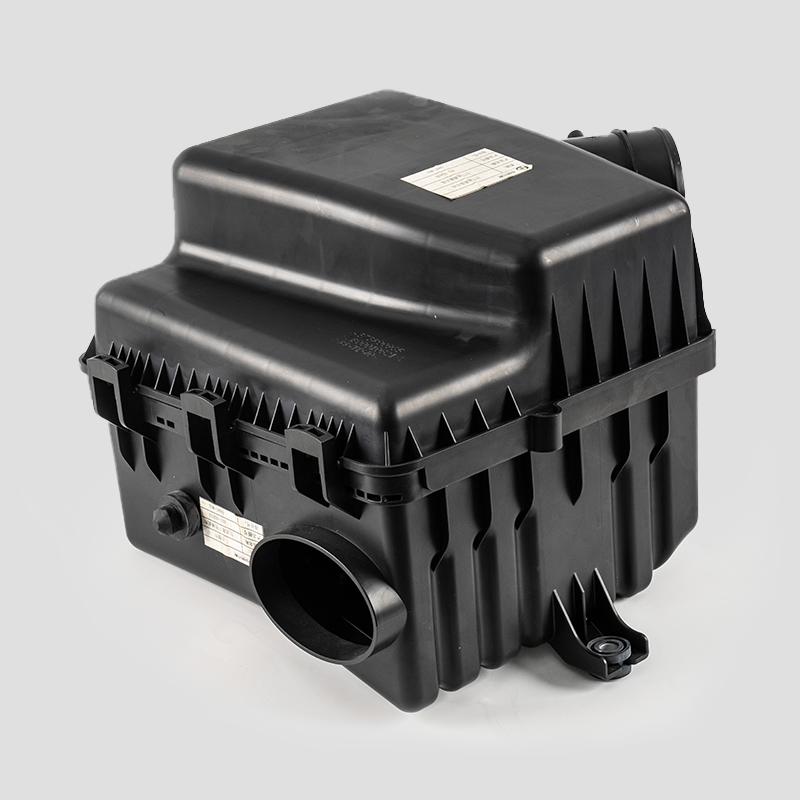
BAIC SUV Automotive Engine Air Filtration System Housing Assembly



Copyright © Ningbo Heyuan Auto Parts Co., Ltd. Rights Reserved. Custom Automobile Filter Parts Company OEM/ODM Automobile Filter Parts Manufacturer
