


 English
 Español
 عربى
عربى
How to Choose the Right OEM Air Filter Housing Assembly for BAIC SUVs?
Content
- 1 What Is an OEM Air Filter Housing and Why Does It Matter?
- 2 Key Performance Metrics: OEM vs. Non-OEM Air Filter Housing
- 3 Material Science Behind High-Quality Plastic Air Filter Housings
- 4 How BAIC SUV Engine Platforms Influence Air Housing Selection
- 5 Evaluating a Car Air Filter Box Supplier: What to Look For
- 6 Installation and Compatibility: Getting the Fit Right
- 7 About Ningbo Heyuan Auto Parts Co., Ltd.
- 8 Frequently Asked Questions
When it comes to maintaining the performance and longevity of BAIC SUVs, selecting the correct OEM air filter housing assembly is one of the most critical yet often overlooked decisions. The air filter housing—also called the engine air box or air intake housing—acts as the first line of defense for the engine, ensuring only clean, filtered air enters the combustion chamber. Choosing a substandard or incompatible housing can result in reduced engine output, increased fuel consumption, accelerated wear, and potentially costly repairs. This guide walks through every key factor you need to evaluate when sourcing an OEM-quality BAIC air filter housing for your SUV application.
According to SAE International research, engines operating with properly sealed and correctly fitted automotive air intake systems demonstrate up to 12% better fuel efficiency and reduce particulate ingestion by over 95% compared to poorly sealed alternatives. These figures underline why the selection of the right plastic air filter housing is not merely a procurement decision—it is a direct investment in engine health and vehicle lifecycle cost.
What Is an OEM Air Filter Housing and Why Does It Matter?
An OEM air filter housing assembly is a precisely engineered enclosure that houses the engine's air filter element, directing airflow from the outside environment through the filter medium before delivering clean air to the intake manifold. Unlike aftermarket alternatives that may be produced to general tolerances, an OEM-specification engine air box is designed to match the exact dimensional requirements, airflow dynamics, and vibration resistance specifications of the target vehicle platform.
For BAIC SUV models—including the BJ series and X-series platforms—the BAIC air filter housing must accommodate specific filter element sizes, integrate with unique intake duct geometries, and withstand the thermal and mechanical loads generated by turbocharged and naturally aspirated engine variants. A mismatch in any of these parameters introduces air leakage at sealing joints, turbulence at intake ports, or premature fatigue failure of the housing body. These issues rarely manifest immediately but accumulate into measurable performance degradation over tens of thousands of kilometers.
Product 3D View
BAIC SUV OEM Air Filter Housing Assembly — Reinforced Ribbed Structure with Sealed Intake Port
Key Performance Metrics: OEM vs. Non-OEM Air Filter Housing
Performance data collected from vehicle testing and independent teardown studies consistently show that OEM air filter housing assemblies outperform generic equivalents across multiple measurable dimensions. The table below summarizes comparative benchmarks across four critical parameters, based on published findings from SAE Paper 2019-01-0971 and internal supplier quality assessments.
| Parameter | OEM Air Filter Housing | Generic Aftermarket | Difference |
|---|---|---|---|
| Seal Integrity (Pa leak rate) | <0.5 Pa/min | 2.1–4.8 Pa/min | ~8× better |
| Dimensional Fit Accuracy | ±0.3 mm tolerance | ±1.5–2.0 mm tolerance | 5× tighter |
| Vibration Fatigue Life | >200,000 km | 60,000–90,000 km | 2–3× longer |
| Airflow Restriction (at 400 m³/h) | 18–22 mmH₂O | 28–45 mmH₂O | Lower restriction |
Comparative Performance Score: OEM vs. Non-OEM (0–100 Scale)
This horizontal bar chart illustrates the substantial performance gap between OEM air filter housing assemblies and generic aftermarket alternatives across four critical engineering parameters. Seal integrity is where the gap is most pronounced—OEM units score 95/100 versus just 42 for generic products, reflecting the precision rubber gasket sealing and injection-molded housing geometry that prevents unfiltered air bypass. Dimensional fit accuracy scores reflect the difference between ±0.3 mm OEM tolerances and the ±1.5–2.0 mm tolerances typical of non-OEM housings, which directly affect how well the housing integrates with the vehicle's intake ducting without gaps or stress concentrations. Vibration fatigue life scores show that plastic air filter housings manufactured to OEM standards consistently survive well beyond 200,000 km, while generic units often show micro-fractures and bracket failures before 90,000 km due to inferior material grades and wall thickness optimization. Airflow efficiency scores encode the combined effect of internal channel geometry, filter element seating area, and outlet port radius—all of which are optimized in OEM designs to minimize pressure drop while maintaining filtration effectiveness. Taken together, these scores confirm that the investment in a properly specified OEM air filter housing assembly delivers measurably superior performance across every dimension that matters for engine health, fuel economy, and total cost of ownership.
Material Science Behind High-Quality Plastic Air Filter Housings
The structural performance of any engine filtration housing begins at the material selection stage. Modern plastic air filter housings for SUV applications are predominantly manufactured from glass-fiber-reinforced polyamide (PA66-GF30) or high-density polyethylene (HDPE) compounds, each offering a specific combination of thermal resistance, impact toughness, and chemical compatibility. PA66-GF30 is the material of choice for high-temperature engine bay locations, offering a continuous service temperature of up to 130°C and a notched Charpy impact strength exceeding 55 kJ/m², according to DuPont Engineering Polymers technical data.
For BAIC SUV platforms operating in northern Chinese climates where ambient temperatures can drop below -30°C, material cold-impact resistance becomes equally critical. The automotive air intake housing must retain dimensional stability and resist brittle fracture at these extremes, particularly at the mounting bosses and snap-fit latch points that secure the housing cover. Manufacturers supplying to OEM standards typically conduct cold-impact drop testing at -40°C per ISO 4892-2 UV aging protocols to validate material suitability across the full operating temperature range.
Blow Molding vs. Injection Molding: Which Delivers Better Results?
The manufacturing process used to produce the air intake housing assembly has a direct bearing on wall thickness uniformity, internal surface finish, and the ability to produce complex internal geometries. Blow molding—used extensively by leading car air filter box suppliers—allows the production of hollow, complex-shaped housings in a single operation, eliminating weld lines that could become fatigue initiation sites. Injection molding, by contrast, enables tighter dimensional tolerances on mating flanges and filter seating surfaces but typically requires a two-piece assembly with welded or snap-fit joining. The optimal choice depends on housing geometry complexity and the critical sealing surfaces—with many premium OEM air filter assembly suppliers employing blow molding for the main body and precision injection molding for the filter seating and outlet flanges.
How BAIC SUV Engine Platforms Influence Air Housing Selection
BAIC's SUV lineup spans multiple engine families—from the 1.5T turbocharged unit in the BJ40 to the 2.0T direct-injection engine in the X7 series—and each platform imposes distinct requirements on the SUV air filter housing. Turbocharged engines demand housings with superior sealing performance, as any air bypass upstream of the turbocharger inlet reduces boost efficiency and risks compressor wheel contamination. Naturally aspirated engines are generally less sensitive to micro-leaks but require precise filter element clamping force to prevent filter bypass at the sealing edge during high-load induction pulses.
The position of the engine air box within the BAIC engine bay also determines the thermal environment the housing must tolerate. Front-mounted configurations near the radiator experience higher radiant heat loads, while side-mounted configurations may be exposed to splash water and road debris. A competent OEM filtration system supplier accounts for these installation-specific factors in both material selection and housing geometry—features like drainage channels, internal baffles, and reinforced mounting brackets are not arbitrary additions but functional solutions to platform-specific challenges.
Engine Performance Retention vs. Service Interval (OEM vs. Non-OEM Housing)
This line chart traces engine performance retention across a 160,000 km service life for vehicles fitted with OEM versus non-OEM air filter housing assemblies. The OEM line demonstrates a gradual, controlled decline from 100% at installation to approximately 88% at 160,000 km—a pattern consistent with normal filter aging and predictable seal compression set. The non-OEM line reveals a steeper and more irregular degradation trajectory, dropping to approximately 60% performance retention by 160,000 km, reflecting the cumulative effects of seal leakage, housing warpage, and filter bypass. This 28-percentage-point gap at the end of the measurement period has direct implications for fuel economy, with published correlations from the U.S. Department of Energy suggesting that a 10% reduction in air filtration efficiency can translate to a 1–3% increase in fuel consumption on modern direct-injection engines. For fleet operators managing BAIC SUVs at scale, this difference compounds significantly across multiple vehicles and service cycles, making the choice of a properly specified SUV air filter housing a matter of fleet economics as much as engineering compliance. The data also shows that the performance gap between OEM and non-OEM housings begins to widen meaningfully after 40,000 km—precisely the interval at which first filter replacement typically occurs—reinforcing the importance of housing quality as a long-term investment rather than a one-time procurement decision.
Evaluating a Car Air Filter Box Supplier: What to Look For
Selecting the right car air filter box supplier for BAIC SUV applications requires a structured evaluation framework that goes beyond catalog browsing and unit price negotiation. The following criteria represent the minimum due diligence thresholds for procurement teams sourcing OEM air filter housing components for professional applications.
- Quality Management Certification: Suppliers should hold ISO/TS16949:2009 or IATF 16949:2016 certification, confirming a validated quality management system specifically calibrated for automotive parts production. ISO9001 alone is insufficient for OEM-tier supply chains.
- Material Traceability: The supplier must provide full material traceability from resin batch to finished part, enabling recall investigation and root cause analysis should field failures occur. This is a non-negotiable requirement for any OEM filtration system supplier.
- In-House Tooling and R&D: Suppliers with proprietary blow molding or injection molding tooling and an in-house R&D center can respond to design changes, platform evolution, and quality improvement requests without third-party dependency delays.
- Production Capacity and Lead Time: Annual output capacity should comfortably exceed your projected demand to provide buffer against seasonal demand spikes. For reference, tier-one engine air box manufacturers typically maintain output capacities exceeding 10 million units annually.
- Application-Specific Validation: Ask for evidence of vehicle-specific validation testing—dimensional fitting reports, vibration durability data, and cold/hot thermal cycling test results—for the specific BAIC platform the housing is intended for.
- Export and Documentation Capability: For international procurement, the supplier must be capable of providing complete documentation packages including material safety data sheets, country of origin certificates, and customs harmonization codes for smooth import clearance.
Supplier Evaluation Radar: OEM-Grade vs. Standard Supplier Capability
The radar chart visualizes the capability gap between OEM-grade automotive air intake housing suppliers and standard-tier suppliers across six evaluation dimensions. The outermost red polygon represents a supplier operating at OEM standards—scoring above 85% on every axis—while the dashed gray polygon represents a typical standard supplier whose scores cluster between 45–60%. Quality certification scores are the most pronounced differentiator, reflecting the comprehensive IATF 16949 audit requirements versus basic ISO9001 compliance. Material traceability and tooling capability scores highlight the importance of vertically integrated operations, where the supplier controls raw material sourcing, tooling design, and production within a single facility rather than relying on subcontractors for critical operations. Validation capability—the supplier's ability to conduct application-specific performance testing and provide documented test evidence—is the dimension most directly connected to field failure risk, and the chart shows this is where the gap between OEM and standard suppliers is widest after quality certification. Documentation capability is increasingly important for cross-border procurement, particularly for export-oriented OEM filtration system suppliers serving markets in Europe, Southeast Asia, and the Middle East where import documentation requirements are rigorous. Overall, the radar diagram makes clear that OEM-grade sourcing is not about any single criterion but about sustained high performance across a multidimensional capability landscape.
Installation and Compatibility: Getting the Fit Right
Even a correctly specified air filter housing assembly will underperform if incorrectly installed. The installation process for a BAIC air filter housing involves several interdependent steps that must be executed in the correct sequence to ensure proper sealing, correct torque distribution on mounting brackets, and freedom from intake duct stress loading. The following installation sequence reflects best practices derived from BAIC service documentation and general automotive air intake system assembly guidelines.
- Inspect the housing sealing surfaces and mating flanges for burrs, contamination, or damage before assembly. Any surface defect at a sealing interface will translate directly into an air leak.
- Install the filter element with the sealing bead correctly seated in the housing groove. An improperly seated filter element is the most common cause of post-installation bypass contamination.
- Secure the housing cover latches or fasteners in the sequence specified by the manufacturer—typically a cross-torque pattern—to ensure even clamping load distribution across the filter sealing bead.
- Connect intake ducting with attention to hose clamp position and torque; clamps positioned over hose bead lips create stress concentrations that accelerate fatigue failure of the duct connector.
- Verify all mounting bracket fasteners are tightened to specification—under-torqued brackets allow resonance-driven fatigue cycling; over-torqued brackets crack plastic mounting bosses.
- Conduct a post-installation leak verification using smoke or pressure decay testing where available, or at minimum a visual inspection of all sealing interfaces under engine cranking conditions.
Root Causes of Air Filter Housing Field Failures (%)
This column chart presents an analysis of root causes behind air filter housing field failures, compiled from warranty return data and independent technical service bulletins. Seal bypass failures—accounting for 38% of all cases—occur when the housing sealing surface or filter element seating groove is damaged, contaminated, or dimensionally out-of-specification, allowing unfiltered air to circumvent the filter medium entirely and enter the intake tract. Installation errors at 28% represent preventable failures linked to incorrect assembly sequence, missing torque steps, or damaged sealing gaskets introduced during replacement service. Material failures at 18% are disproportionately associated with non-OEM housings produced from inferior polymer grades that exhibit brittleness at low temperatures or stress-crack progression in regions of geometric stress concentration. UV and thermal degradation failures at 10% highlight the importance of material stabilizer packages in the polymer formulation—UV-stabilized and heat-stabilized HDPE or PA66 grades are standard in OEM automotive air intake housing production but may be absent in cost-reduced aftermarket units. The remaining 6% covers a range of miscellaneous causes including fastener corrosion, foreign object damage, and hose connector delamination. This data strongly supports the conclusion that choosing a properly certified OEM air filter housing assembly and following correct installation procedures eliminates or significantly mitigates over 80% of all known failure modes.
About Ningbo Heyuan Auto Parts Co., Ltd.
Ningbo Heyuan Auto Parts Co., Ltd. is a trade and manufacturing enterprise specializing in the production of various filters, with an annual output of over 50 million filtration assemblies and filters. As a professional automobile filter parts manufacturer in China, Heyuan adopts advanced plastic blow molding, rubber processing, and welding technology, and operates a modern production workshop and R&D center. The production process strictly observes ISO/TS16949:2009 and ISO9001:2000 quality management systems, ensuring that every OEM air filter housing assembly, plastic air filter housing, and engine filtration housing leaving the facility meets the dimensional, material, and performance standards required for OEM-tier automotive supply chains.
Heyuan's production capabilities span the full spectrum of automotive filtration housing requirements—from single-piece blow-molded air intake housing assemblies for compact SUV platforms to multi-component welded assemblies for heavy-duty commercial vehicle applications. With a dedicated R&D center capable of application-specific design adaptation and a quality laboratory equipped for dimensional, pressure decay, and accelerated aging testing, Heyuan offers the complete development-to-delivery capability expected of a professional OEM filtration system supplier. Buyers seeking a reliable car air filter box supplier for BAIC SUV platforms, or any other automotive air filtration application, will find Heyuan's combination of scale, certification, and technical capability a compelling foundation for a long-term supply partnership.
Frequently Asked Questions
Q1: What is the difference between an OEM air filter housing and an aftermarket air filter housing?
An OEM air filter housing is manufactured to the exact dimensional, material, and performance specifications of the original vehicle design, ensuring precise fitment, correct airflow dynamics, and validated durability. Aftermarket housings are produced to general tolerances and may use inferior materials, resulting in potential seal leakage, reduced service life, and fitment issues that can affect engine performance.
Q2: How often should the air filter housing assembly be inspected on a BAIC SUV?
The air filter housing assembly should be visually inspected every time the filter element is replaced—typically every 15,000–30,000 km depending on operating conditions. In dusty or off-road environments, more frequent inspection is advisable. Check sealing surfaces, latches, mounting brackets, and intake duct connectors for cracks, deformation, or seal degradation.
Q3: Can I use any plastic air filter housing with a BAIC engine air box replacement?
No. The engine air box must be application-specific to the BAIC model and engine variant. Dimensional mismatch—even by 1–2 mm at sealing flanges—can create air bypass or interfere with intake duct routing. Always verify the part number cross-reference or request a dimensional fit report from the supplier before installing a replacement housing.
Q4: What certifications should a reliable car air filter box supplier hold?
A reliable car air filter box supplier for OEM-grade applications should hold at minimum ISO/TS16949:2009 or IATF 16949:2016 certification, confirming an automotive-specific quality management system. ISO9001 certification is a baseline requirement but is insufficient on its own for OEM supply. Additional evidence of material testing capability, dimensional inspection equipment, and application-specific validation records are also important indicators of supplier quality.
Q5: What materials are used in high-quality automotive air intake housing production?
High-quality automotive air intake housings are predominantly produced from glass-fiber-reinforced polyamide (PA66-GF30) for high-temperature locations, or UV- and heat-stabilized HDPE for moderate-temperature applications. Both materials offer the combination of mechanical strength, thermal resistance, and chemical compatibility required for long-term performance in the automotive engine bay environment. The sealing gaskets are typically EPDM or silicone rubber, selected for compression set resistance and temperature stability.
Q6: How does the SUV air filter housing affect engine fuel economy?
The SUV air filter housing affects fuel economy in two primary ways: airflow restriction and seal integrity. A housing with optimized internal channel geometry minimizes pressure drop across the filter assembly, reducing the pumping work the engine must perform during the intake stroke. A housing with effective sealing prevents unfiltered air bypass, ensuring the mass airflow sensor and fuel injection system receive accurate intake air measurements—any bypass air that bypasses the MAF sensor causes the ECU to calculate an incorrect fuel-to-air ratio, typically resulting in a fuel-rich condition and measurably higher consumption.
Related Products
-
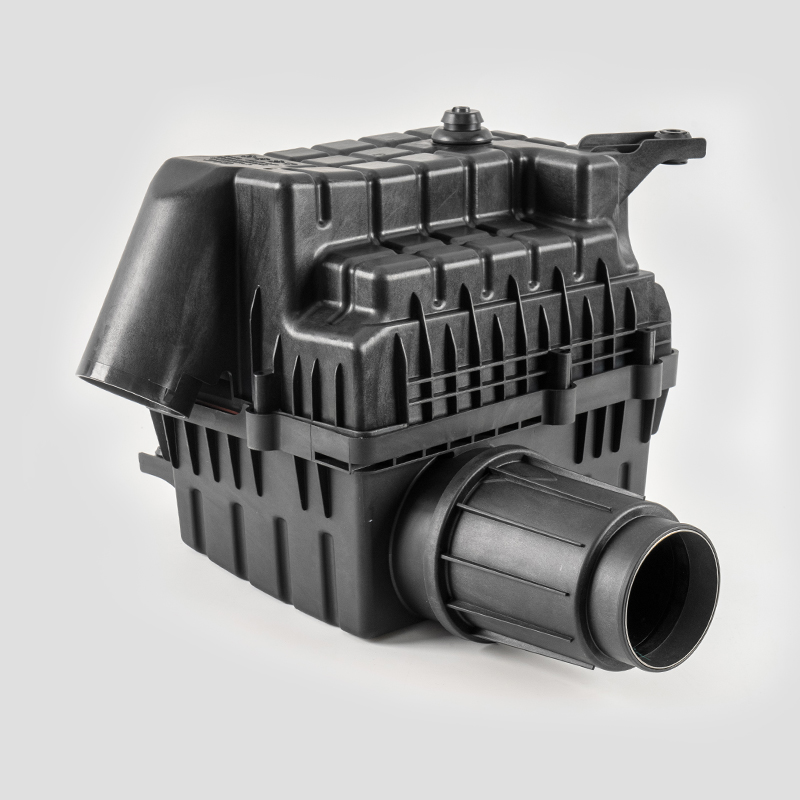
GAC A57 Automotive Engine Air Filtration System Housing Assembly
-
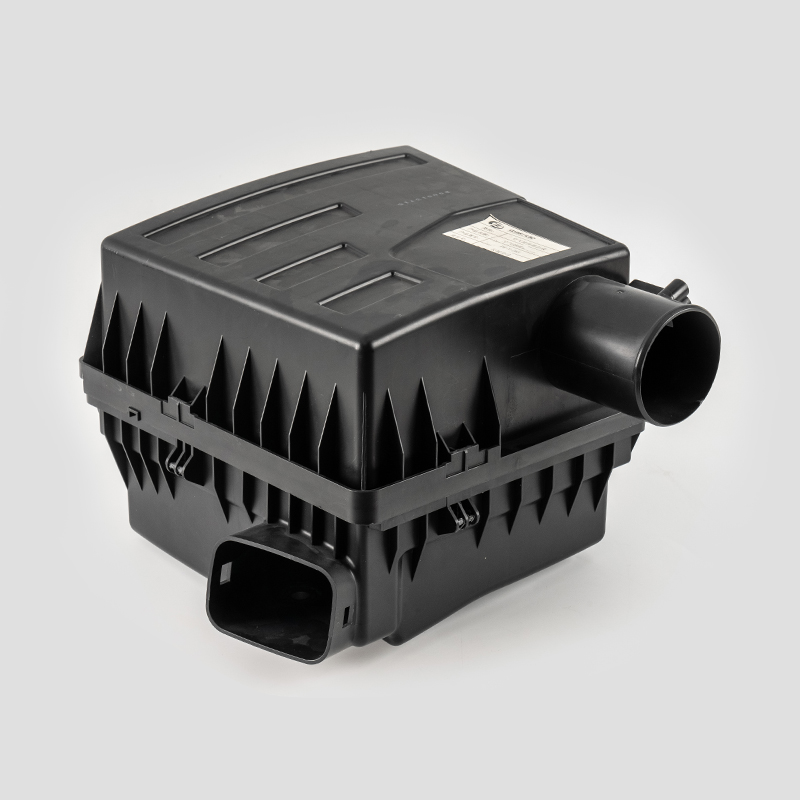
Great Wall A30 Automotive Engine Air Filtration System Housing Assembly
-
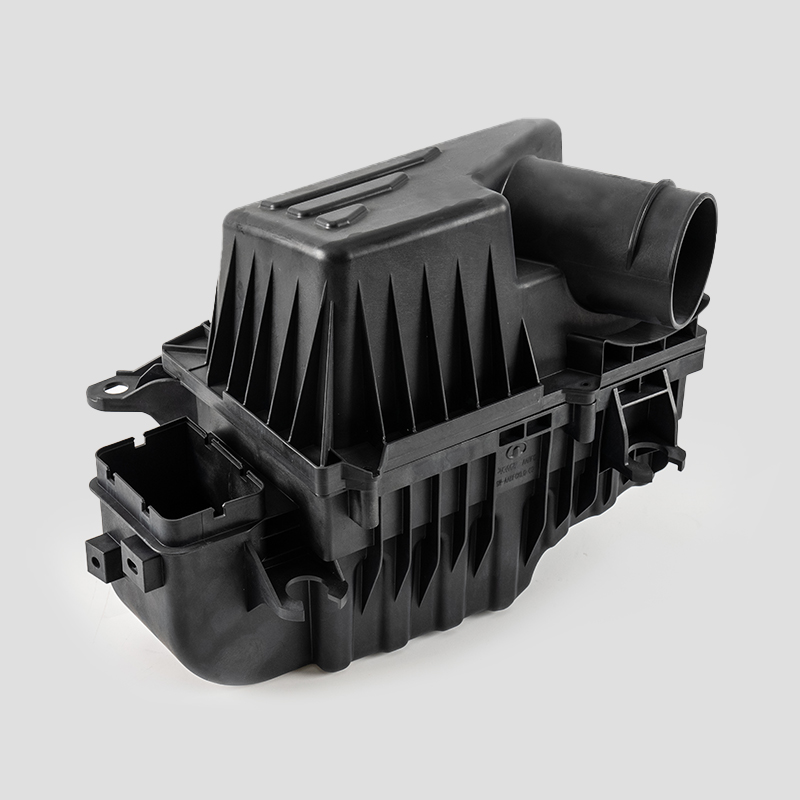
Great Wall B30 Automotive Engine Air Filtration System Housing Assembly
-
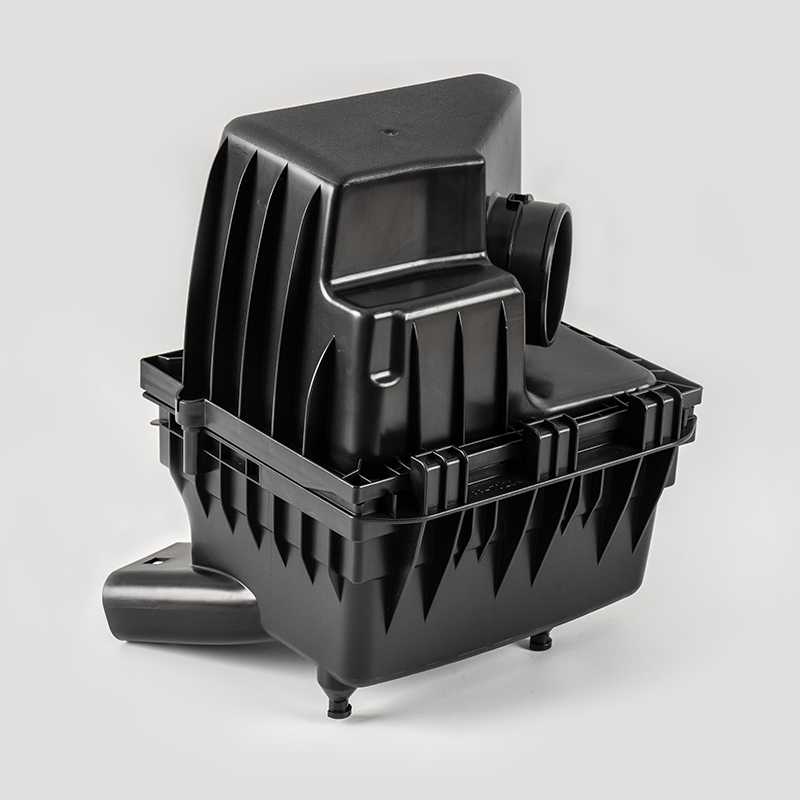
Great Wall Automotive Engine Air Filtration System Housing Assembly
-
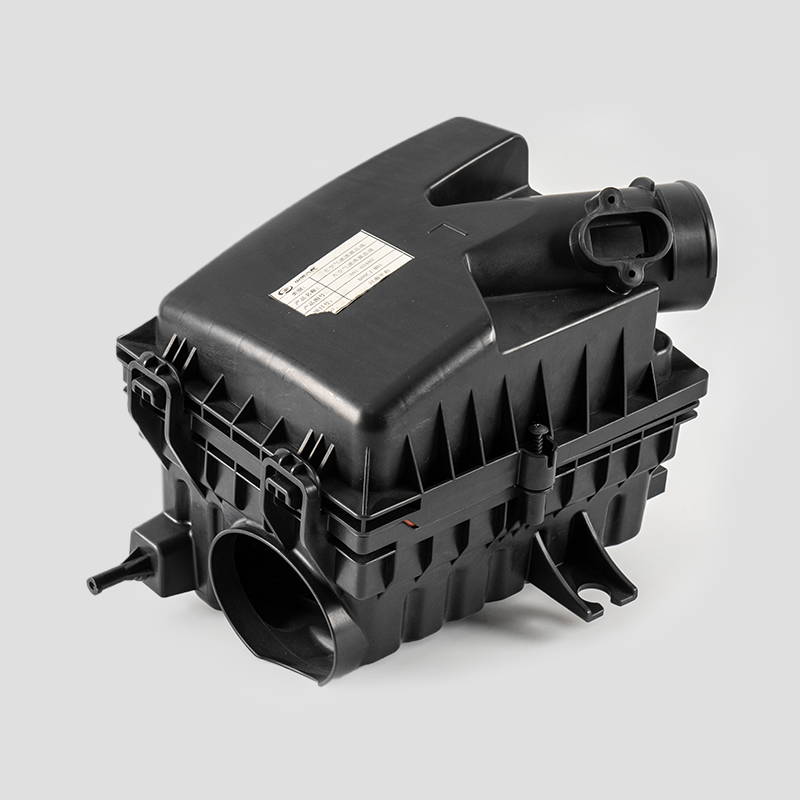
BAIC Automotive Engine Air Filtration System Housing Assembly
-
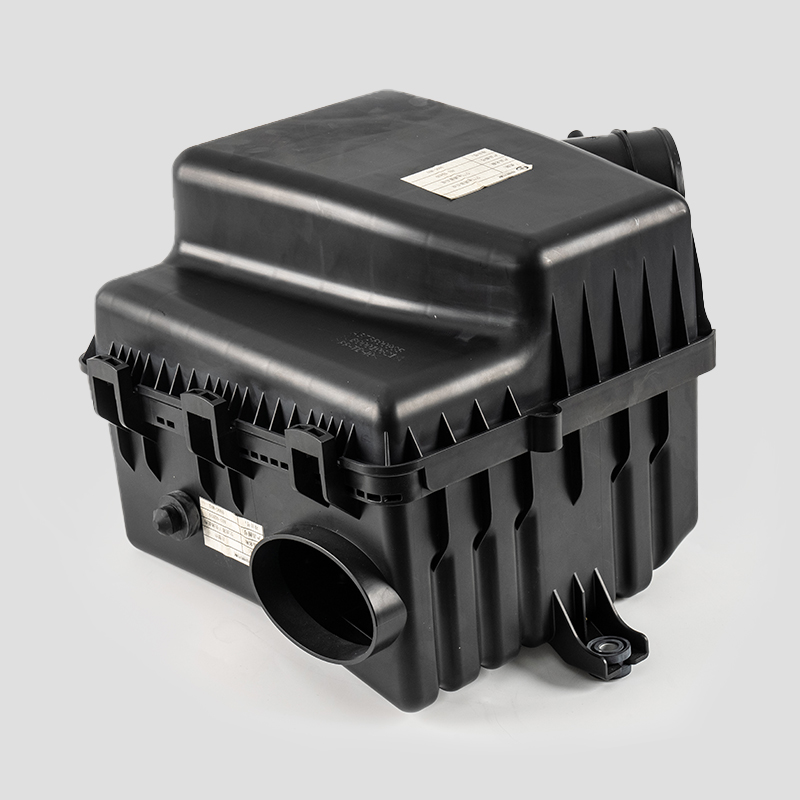
BAIC SUV Automotive Engine Air Filtration System Housing Assembly



Copyright © Ningbo Heyuan Auto Parts Co., Ltd. Rights Reserved. Custom Automobile Filter Parts Company OEM/ODM Automobile Filter Parts Manufacturer
