


 English
 Español
 عربى

Engine Low on Oil Symptoms: What Drivers Notice Before Real Damage Starts
Content
- 1 The Engine Low on Oil Symptoms Most Drivers Notice First
- 2 Warning Light or Warning Sound: Which Signal to Trust
- 3 How Fast Do Low Oil Symptoms Escalate?
- 4 Where the Oil Filter Fits Into the Timeline
- 5 Reading the Dipstick Properly: Level, Colour and Smell
- 6 Symptoms That Get Blamed on Low Oil but Come From Somewhere Else
- 7 What Low Oil Really Costs: Heat, Fuel and Downtime
- 8 Choosing Oil Filters That Keep These Symptoms Away
- 9 FAQ: Engine Low on Oil Symptoms
- 9.1 What are the first symptoms of an engine low on oil?
- 9.2 Can I drive with the oil light on?
- 9.3 How much oil sits between the MIN and MAX marks?
- 9.4 Does low oil make the engine run hotter?
- 9.5 Why does the ticking stop after a few seconds?
- 9.6 Will a better oil filter stop my engine using oil?
- 9.7 How often should oil and filter be changed on a car that uses oil?
- 9.8 What should the oil look like on the dipstick?
- 10 A Five-Minute Check You Can Repeat Every Month
You pull up at a junction, the idle drops half a step, and there is a soft tick-tick-tick from the engine bay that was not there a month ago. The temperature needle sits a hair higher than normal. Nothing has failed yet, but the engine low on oil symptoms have already started talking to you, and the cheapest moment to listen is right now.
Here is the short version before the detail. On most passenger cars the warning signs arrive in a fairly predictable order: top-end ticking on cold start first, a hotter-than-usual engine next, then the oil pressure light flickering at idle, then a hard metallic knock that no top-up will silence. Catch the car at the ticking stage and you are usually looking at a top-up and a filter change. Catch it at the knocking stage and you are usually looking at a workshop bill with a four-digit number at the end of it.
The sections below explain what each symptom is telling you, how quickly things escalate, and the role the oil filter plays in the timeline. We spend our working days building oil filters at NBHY, so the filter angle is not bolted on for the sake of it. Filter condition genuinely influences how early a driver hears a problem, and that matters whether you maintain one car or supply a hundred workshops.
The Engine Low on Oil Symptoms Most Drivers Notice First
The order shifts with engine design, sump volume and driving style, but the list below covers what actually turns up in a workshop bay. Treat it as a sequence of probability rather than a strict script.
- Ticking or tapping from the top of the engine, loudest on cold start. Hydraulic lifters and cam phasers sit at the far end of the oil path, so they are the last components to receive pressure at start-up and the first to sound dry. The noise often fades after twenty or thirty seconds as oil arrives; when it stops fading at all, the level has fallen further than it was last month.
- A temperature gauge that sits higher than it used to. Engine oil carries a meaningful share of the heat out of the bearings and away from the underside of the pistons. Less oil in circulation means less heat removed, which pushes the cooling system into work it was not designed to do alone.
- The oil pressure warning light at idle, going out when you rev. This is the classic narrow window between a small problem and a large one. At idle the pump turns slowly and pressure is at its lowest; with the level near the minimum the pickup can draw air, pressure collapses and the switch trips. If the light disappears as soon as you raise the revs, the level deserves to be checked before anything else.
- Blue-grey smoke at start-up and a hot oil smell. As volume drops, the oil that remains runs hotter, thins out and slips more easily past worn valve guides and rings. Blue haze at cold start plus an acrid smell points to oil being burned rather than simply leaking onto the ground.
- A rougher, harsher idle. Variable valve timing hardware uses oil pressure to move the cam phasers. When it cannot, the idle hunts, the engine feels unsteady at a standstill, and cold running gets noticeably less smooth.
- A metallic knock from deep in the engine under load. By this point the oil film on the big-end and main bearings has broken down. This is not a symptom you can nurse along and top up at the weekend.
- An engine that turns over slowly, or will not turn over at all. The final stage. If the starter labours and the dipstick comes out dry, stop cranking.
A slow leak or gradual consumption follows that order closely. A sudden loss does not. A cracked filter housing, a doubled gasket, a loose drain plug or a split hose can take you from "slightly noisy" to "red light and knock" with no ticking in between, which is why the weekly dipstick check is worth more than any dashboard feature.
There is also a volume effect worth naming. Small engines with a 3.5 to 4 litre sump can move from "slightly noisy" to "light on" inside two oil change intervals. Larger sumps hide the problem for longer, which is not a good thing. The warning arrives later and closer to the expensive end of the scale.
Warning Light or Warning Sound: Which Signal to Trust
Two dashboard warnings look similar on the cluster and measure completely different things. The oil can symbol reads pressure at the switch; the "oil level low" message reads volume in the sump. They disagree often, and knowing which one you are looking at tells you whether to stop now or top up this week.
| Signal | What it monitors | Typical trigger | Right response |
|---|---|---|---|
| Oil pressure warning light | Pressure at the switch, not level | Level low enough for the pickup to draw air at idle, or a failing pump or sensor | Stop at the first safe place, check the level before driving on |
| "Oil level low" cluster message | Sump volume via a level sensor | Level between MIN and the sensor threshold | Top up to spec within the next few trips |
| Temperature gauge above normal | Coolant temperature | Oil carrying less heat away, or an unrelated cooling fault | Check both oil level and coolant |
| Ticking on cold start | Oil delivery to the top end | Low level, wrong viscosity, loaded filter, worn lifter | Check level first, then filter age, then viscosity |
| Blue-grey haze at start-up | Oil entering combustion | Oil pulled past guides or rings, worse when hot and thin | Pair the observation with a dipstick reading |
| Burning smell, no visible drip | Oil on hot metal | Spillage after a top-up, leaking gasket, filter seal not seated | Inspect the filter seal and drain plug area |
| Black gritty oil on the stick | Soot loading and filter condition | Overdue change, filter running in bypass | Change oil and filter together |
A pressure switch is binary: on or off. It cannot tell you that the sump is half a litre short. It reacts only when the pump starts pulling air, which on a modern engine usually means the level is at or below MIN, or the pickup is briefly uncovered during a hard corner. That is why the light so often appears at a long idle or in a sweeping bend and disappears once you straighten up.
A level sensor behaves the other way. It usually warns earlier, but it can be fooled. Park on a slope and it reads low. A failing sensor reads low permanently. Some designs read low while the oil is cold and has not drained back to the sump yet. If the message appears once and never returns, check the dipstick before booking anything.
Physical symptoms sit between the two. A tick that fades within thirty seconds is a top-end delivery problem, and the level is the first suspect, the filter second, viscosity third. A knock that does not fade is not a sensor problem at all.
How Fast Do Low Oil Symptoms Escalate?
The bars below come from workshop patterns rather than laboratory testing. They describe how often at least one audible or visible symptom is present at a given dipstick reading on a typical passenger car with a four to five litre sump.
Likelihood of at least one low oil symptom at each dipstick reading
At the FULL mark: routine check only, about 5%
About 0.5 litre below FULL: about 20%
At the MIN mark: about 55%
Below MIN: about 85%
No reading on the stick: about 98%
Workshop pattern for a typical four to five litre sump. Indicative only, not a specification.
The shape of the curve matters more than the exact figures. Very little happens between FULL and half a litre down, because the sump still holds enough reserve that the pump never draws air. The steep section begins at MIN, and it is steep because two things occur at once: the oil that remains is working harder, and it is running hotter, which thins it and makes it easier to burn or leak past seals.
For anyone specifying filters, that steep section is the design target. Consistent media and a bypass valve that opens at the correct differential pressure keep oil moving to the top end during the cold-start window, which is exactly where the first step on this chart happens in real driving.
For a driver the reading is simpler. The gap between MIN and FULL is often under a litre. That litre is the cheapest part of the entire story, and it is the only part you can buy at a filling station.
Where the Oil Filter Fits Into the Timeline
A filter does not cause low oil, but it does change how quickly the engine complains about it. Three mechanisms explain most of the arguments that happen at a service counter.
Restriction during the cold-start window
Cold oil is thick. For the first few seconds after a start, the pump pushes it through the media before full pressure is established. A filter with well-controlled media and a correctly rated bypass valve keeps that moment manageable: when differential pressure climbs, the bypass opens, oil reaches the top end, and the ticking stops within seconds. A filter with a stiff or oversized bypass, or media already loaded with sludge, keeps the bypass shut for longer, and the lifters run dry a little longer every morning.
Bypass mode and long-term wear
Once a filter is loaded, the bypass opens more often and unfiltered oil circulates. Particles in the ten to twenty micron range are the ones that polish bearing surfaces and accelerate the wear that raises oil consumption. That creates a slow loop: dirty oil, more wear, more consumption, lower level, hotter oil, more wear. A filter changed on schedule breaks that loop; a filter left in service for twice its interval feeds it.
The seal is part of the system
A doubled gasket, an over-tightened spin-on, or a housing O-ring fitted dry will leak. One drop every few seconds looks like nothing on the driveway and can quietly remove half a litre a week. A surprising number of "it was fine yesterday" low oil stories end at the filter seal.
 Oil Filters for Passenger Cars and Light TrucksECO and spin-on oil filter range for multiple vehicle applications, using high-precision filter paper; relevant where seal integrity and engine protection matter.View Product →
Because the filter sits in the middle of this loop, it is one of the few service parts that pays back twice: once in engine protection, and once in fewer comebacks for whoever fitted it.
Reading the Dipstick Properly: Level, Colour and Smell
Most misdiagnosed low oil cases start with a bad dipstick reading. Three checks take under two minutes and settle most of the questions the dashboard raises.
Level
Park on flat ground and switch the engine off. Wait five to ten minutes so the oil drains back to the sump. Pull the stick, wipe it clean, push it fully home, then pull and read it. Read both sides: one side often smears against the tube on the way out, and the lower of the two readings is usually the honest one. Repeat once. A difference of more than a few millimetres between two consecutive readings means the tube is holding oil and the reading is unreliable.
Colour
Fresh oil is amber and slightly translucent. Dark brown after several thousand kilometres is normal. Black and gritty is not: that is soot loading, and it usually means the change interval is too long for the duty cycle. Milky or creamy oil means coolant is mixing somewhere, and no top-up will fix it.
Smell
A strong petrol smell means fuel dilution, common on cars that do a lot of short cold trips. Diluted oil is thinner, burns off more easily and can leave the level looking correct while protection has already dropped. A burnt, sharp smell points to overheating, which brings you back to the same heat problem described earlier.
One more rule: after a top-up, wait a few minutes and check again. Overfilling is its own failure mode. Too much oil gets whipped into foam by the crankshaft, foam does not pump well, and the result can be a pressure warning with a sump that is technically full.
Symptoms That Get Blamed on Low Oil but Come From Somewhere Else
Not every tick, puff of smoke or hot smell has anything to do with the sump. Before you add oil, rule out the lookalikes.
- A clogged air filter. Poor acceleration, black exhaust haze and worse fuel economy with no change on the dipstick. The air side and the oil side are separate systems, and mixing them up wastes a service visit.
- Wrong viscosity. A correct level with a cold-start tick usually means the oil in the sump is not the grade the engine was built for, or a cheap filter is restricting flow at low temperature.
- A stuck PCV valve. Crankcase pressure pushes oil vapour into the intake, so consumption rises without a drop on the driveway. Look for oily residue in the intake duct.
- Worn rings or valve guides. Blue smoke that gets worse under load and does not respond to a top-up.
- A failing pressure sensor. The light comes on with a correct level and no noise at all. Confirm with a mechanical gauge before replacing anything expensive.
- A filter seal that is not seated. Wet oil around the housing after a recent service is the giveaway, and the fix costs less than the diagnosis.
The common thread is that a level check costs nothing and eliminates half the list immediately. Do that first, then work outward from the simplest cause.
What Low Oil Really Costs: Heat, Fuel and Downtime
The expensive part of low oil is rarely the oil. It is everything the oil was supposed to protect. Friction rises, heat builds, and the engine management system reacts by pulling timing and, on variable valve timing engines, holding the cam phasers at a less efficient position. Fuel economy slips quietly, in a way almost no driver notices until they compare receipts.
Heat compounds the problem. Oil that runs hotter oxidises faster, thickens into sludge in the cooler corners of the engine, and blocks the very passages that feed the top end. That is why a car that has been run low for a few weeks often keeps ticking even after the level is corrected: the deposits are already there.
For a workshop or a fleet, the cost model is different and easier to quantify. A comeback for a leaking filter seal costs labour, a bay for an hour and some goodwill. A repeat failure blamed on a filter that ran in bypass costs a warranty claim, a returned pallet and a conversation with a customer who now has an opinion about your brand. Both are avoidable with parts that hold their specification across the whole service interval.
Choosing Oil Filters That Keep These Symptoms Away
If you buy filters in volume, the question is not whether a filter fits. It is whether the filter still behaves like the sample did after five hundred units and three shipping containers. As a manufacturer and supplier working with distributors and wholesalers across several markets, we see the same failure points come back again and again in incoming quality reports.
What to check before you commit to a container load
- Media consistency. Pleat count, pleat depth and paper weight should match the approved sample batch after batch. A thin pleat pack loads quickly and sends the filter into bypass early.
- Bypass valve opening pressure. Ask for the test value, not just the presence of a valve. Too low and the filter stops filtering; too high and the top end starves at cold start.
- Anti-drainback valve material. Nitrile hardens with heat and age, silicone holds up longer. On engines with the filter mounted at an angle, this single part decides whether the ticking happens every morning.
- Thread and housing tolerance. Rolled threads seat predictably; roughly cut threads leak. Check a random sample by hand before the pallet goes into stock.
- Burst and collapse ratings. Especially relevant for turbocharged and high-pressure common rail applications where cold-start pressure spikes.
- OE cross-reference coverage. A catalogue tied to OE numbers and engine codes saves counter staff from guessing, and guessing is where most wrong-part comebacks start.
- Documentation. Batch traceability and a quality system behind it, such as ISO/TS16949 and ISO9001, are the difference between a supplier and a source.
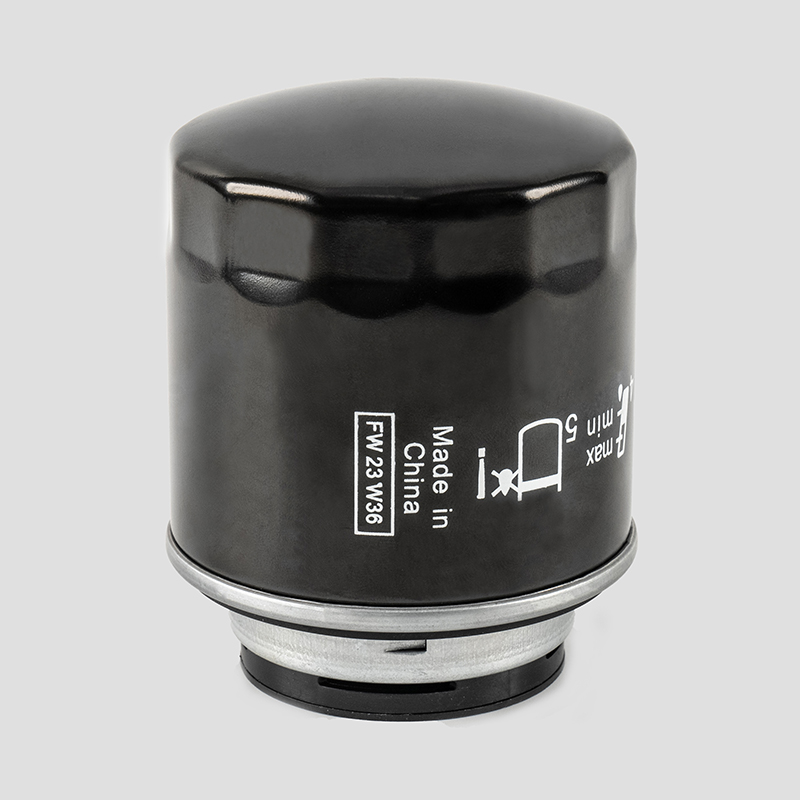 Volkswagen 1.4T Spin-On Oil Filter 03C115561ESpin-on oil filter for Jetta, Passat and Touran 1.4T applications; suits volume buyers checking consistent fit and anti-drainback performance.View Product →
Spin-on designs cover a large share of older and mid-age vehicles still on the road, including popular 1.4 T applications in the Jetta, Passat and Touran family. These are exactly the cars where a weak anti-drainback valve turns into a cold-start tick that the owner blames on the engine rather than the filter.
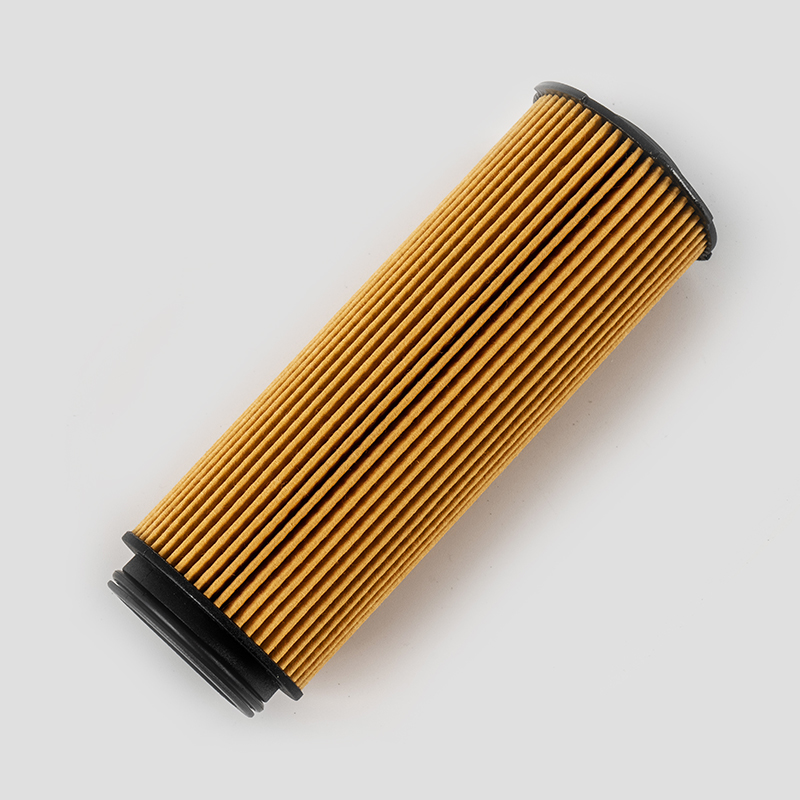 BMW ECO Oil Filter 11428583898 for Multiple ModelsECO oil filter element for BMW 540Li, 640i, 740Li, M140i and X7; relevant where reusable housings make correct O-ring and fitting guidance important.View Product →
ECO and cartridge-style elements cover a growing part of the newer fleet, where the filter housing is reused and only the element is replaced. Here the risks shift: an O-ring that was not lubricated, an element installed the wrong way round, or a housing cap torqued beyond spec. Supplying these to a wholesaler means supplying clear fitting guidance as well as the part, because the failure modes are installation-driven.
Related technical reading from our own workshop notes
For buyers evaluating a new source, the practical test is simple: order a small batch, fit half of it to vehicles you control, and check the cold-start noise on the second morning rather than the first. A filter that is quiet on day one and noisy on day three tells you more about the anti-drainback valve than any spec sheet will.
FAQ: Engine Low on Oil Symptoms
What are the first symptoms of an engine low on oil?
For most drivers it is a tick or tap from the top of the engine in the first thirty seconds after a cold start, followed by an idle that sounds slightly harsher than it used to. A temperature gauge sitting a little above its usual position is the next most common clue. The pressure light usually appears later, once the level is close to or below the minimum mark.
Can I drive with the oil light on?
No. A pressure warning means the pump is not delivering oil where it needs to go, and the engine can be damaged within a short distance. Pull over at the first safe place, switch off, wait a few minutes and check the level. If the level is correct and the light stays on, the car needs to be recovered rather than driven.
How much oil sits between the MIN and MAX marks?
On most passenger cars, roughly 0.7 to 1.0 litre. That small volume is why the difference between a healthy engine and a noisy one can be a single top-up, and why the check should be done weekly rather than at service intervals.
Does low oil make the engine run hotter?
Yes, to a degree. Oil removes heat from the bearings and the underside of the pistons, so less oil in circulation means more heat left for the cooling system to handle. That is why a rising temperature gauge is worth pairing with a dipstick check rather than assuming the cooling system is at fault.
Why does the ticking stop after a few seconds?
Because oil eventually reaches the top end. Hydraulic lifters and cam phasers are at the end of the supply path, so they run dry longest during start-up. If the tick fades quickly, the system is still working but the margin is thin. If the fade takes longer than it used to, the level, the filter or the oil grade has changed.
Will a better oil filter stop my engine using oil?
No. A filter cannot repair worn rings or a leaking gasket. What a correctly specified filter does is slow the wear that increases consumption over time, and remove one common cause of leaks: a seal that was never seated properly. It is a preventive part, not a cure.
How often should oil and filter be changed on a car that uses oil?
Sooner than the standard interval, not later. An engine that consumes oil is also an engine whose oil is working harder and oxidising faster. Shortening the interval and checking the level weekly costs far less than chasing a sludge problem later.
What should the oil look like on the dipstick?
Amber to dark brown is normal depending on how far into the interval you are. Black and gritty means the oil is loaded with soot. Milky means coolant is mixing in. Both of those deserve attention regardless of the level reading.
A Five-Minute Check You Can Repeat Every Month
None of this requires a lift or a scan tool. A monthly routine catches nearly every case before the expensive stage.
- Park on flat ground, engine off, and wait five minutes.
- Pull, wipe, reinsert, pull again. Read both sides and take the lower figure.
- Top up in small increments to the upper mark, then recheck after a few minutes.
- Look at the filter housing and drain plug area for fresh oil film or drips.
- Note the colour and smell of the oil on the stick.
- Start the engine cold the next morning and listen for the first thirty seconds.
If the tick is still there with a full sump and a fresh filter, the next step is a mechanical pressure test rather than another bottle of oil. If the level keeps dropping between checks with no visible drip, the loss is going out of the exhaust or past a seal you cannot see from above.
For drivers, that routine is the whole strategy. For distributors and workshops, the equivalent is buying filters whose bypass behaviour and seal quality stay inside specification across the whole batch, because in this corner of engine maintenance the part that costs the least tends to decide what happens next.
Related Products
-
GAC A57 Automotive Engine Air Filtration System Housing Assembly
-
Great Wall A30 Automotive Engine Air Filtration System Housing Assembly
-
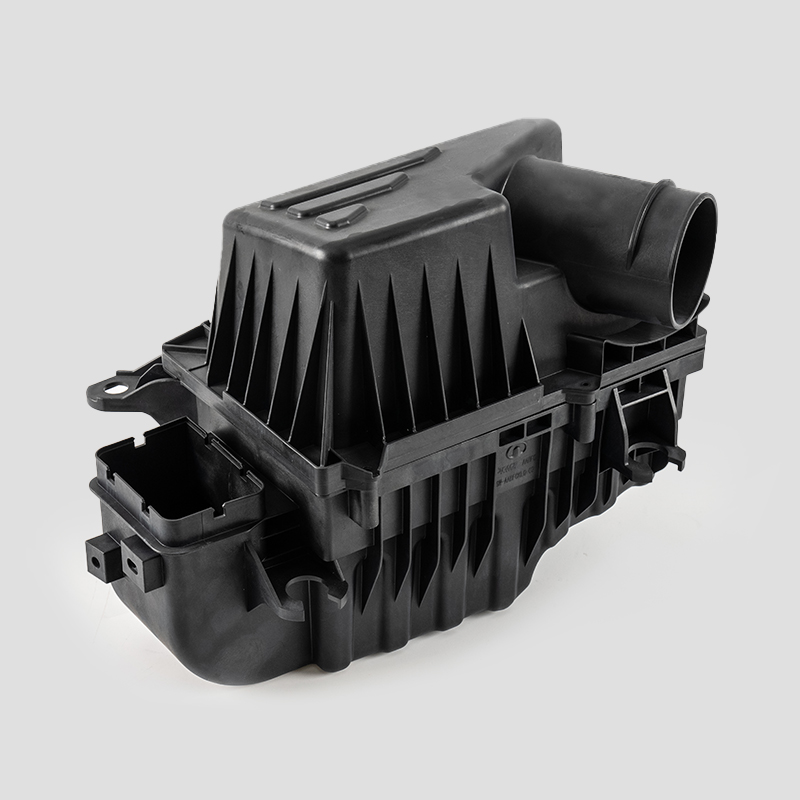
Great Wall B30 Automotive Engine Air Filtration System Housing Assembly
-
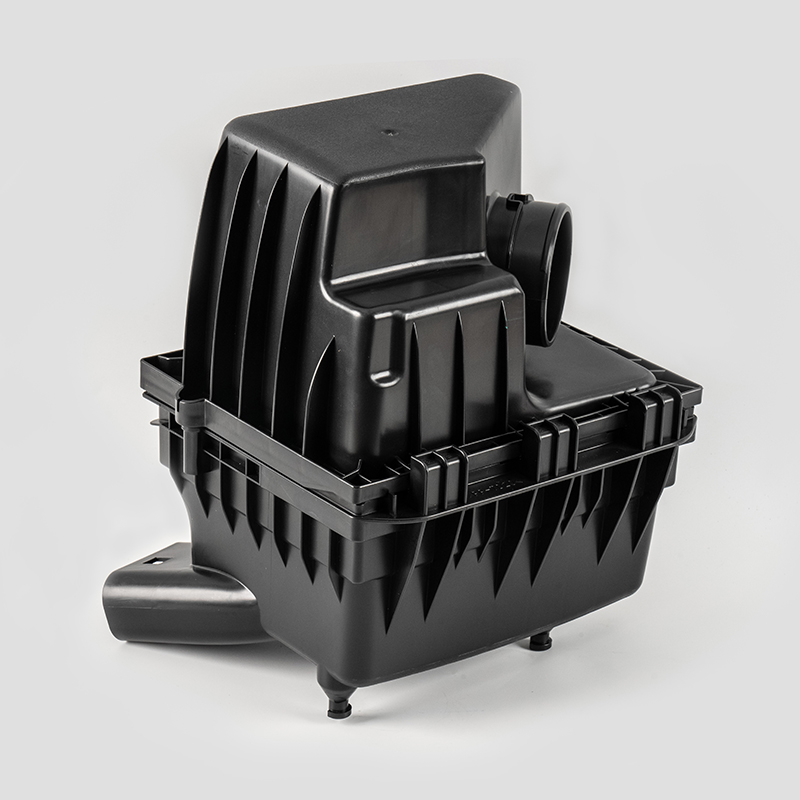
Great Wall Automotive Engine Air Filtration System Housing Assembly
-
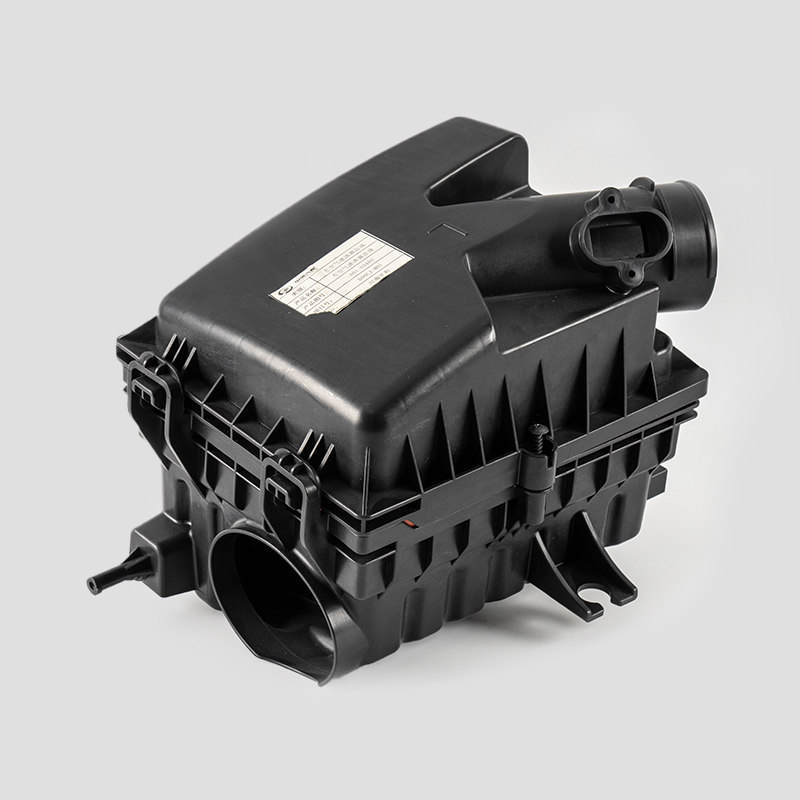
BAIC Automotive Engine Air Filtration System Housing Assembly
-
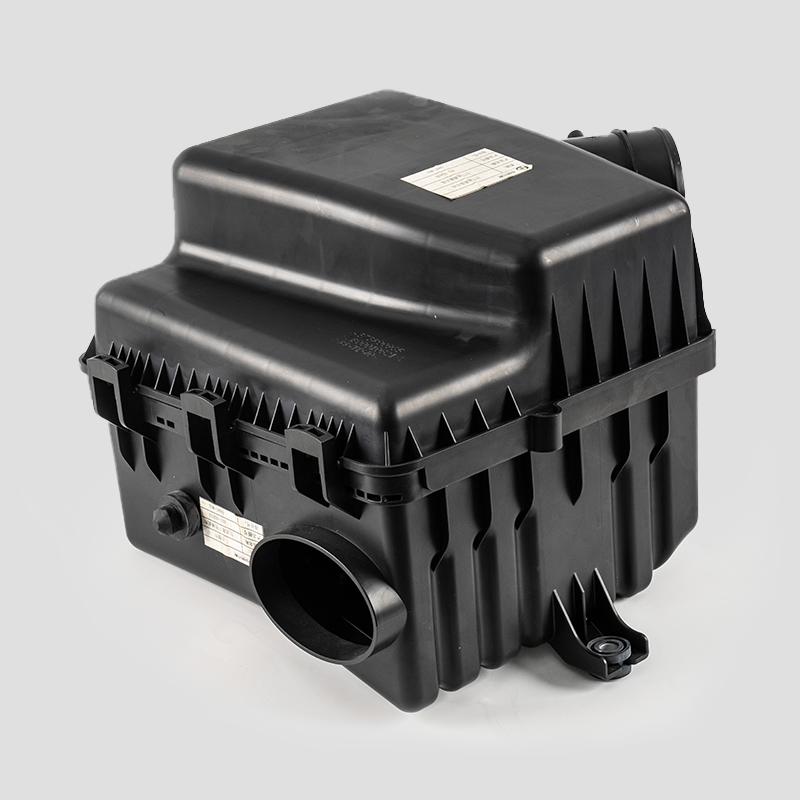
BAIC SUV Automotive Engine Air Filtration System Housing Assembly



Copyright © Ningbo Heyuan Auto Parts Co., Ltd. Rights Reserved. Custom Automobile Filter Parts Company OEM/ODM Automobile Filter Parts Manufacturer
