


 English
 Español
 عربى
عربى
Why the Great Wall B30 Automotive Engine Air Filtration System Housing Assembly is Critical for Longevity and Performance
Content
- 1 Understanding the Role of the Great Wall B30 Automotive Engine Air Filtration System Housing Assembly
- 2 Key Technical Specifications and Material Durability
- 3 Signs Your Air Filtration System Housing Needs Replacement
- 4 Optimization for Better Fuel Economy and Engine Protection
- 5 Installation Guide: Replacing the B30 Housing Assembly
- 6 Frequently Asked Questions (FAQ)
Understanding the Role of the Great Wall B30 Automotive Engine Air Filtration System Housing Assembly
The Great Wall B30 Automotive Engine Air Filtration System Housing Assembly is more than just a plastic container; it is the first line of defense for your vehicle's internal combustion engine. Designed specifically for the B30 platform, this housing ensures that the intake air is free from debris, dust, and microscopic particles that could cause catastrophic internal wear. Modern engines operate under high thermal stress, and the integrity of the air intake path directly impacts the volumetric efficiency of the vehicle.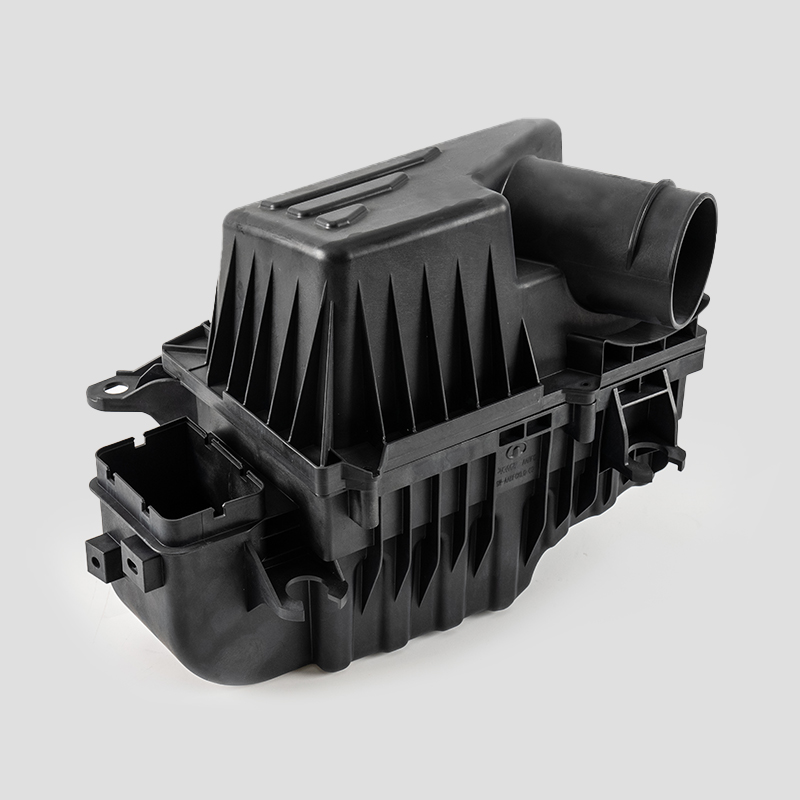
When we discuss the housing assembly, we are referring to the entire structure including the upper cover, lower base, sealing gaskets, and mounting brackets. For Great Wall B30 owners, maintaining the structural integrity of this assembly is vital for preventing "unmetered air" from entering the system. Unmetered air—air that bypasses the filter due to a cracked housing—can lead to a lean fuel mixture, causing the Engine Control Unit (ECU) to trigger warning lights and reduce overall power output.
Key Technical Specifications and Material Durability
The manufacturing process of the Great Wall B30 Automotive Engine Air Filtration System Housing Assembly utilizes high-grade, heat-stabilized polypropylene or reinforced nylon. These materials are selected for their ability to withstand engine bay temperatures that frequently exceed 120°C. Inferior aftermarket housings often warp under these conditions, leading to seal failure.
Impact of Structural Integrity on Airflow Dynamics
The internal geometry of the housing is engineered to minimize air turbulence. By providing a smooth transition from the intake snorkel to the throttle body, the assembly reduces the energy required by the engine to "suck" air. Data suggests that a well-maintained air filtration housing can maintain a pressure drop of less than 2.5 kPa across the filter medium, ensuring that the engine receives a consistent volume of oxygen for combustion.
| Feature | OEM Great Wall B30 Assembly | Budget Aftermarket Variant |
|---|---|---|
| Material Type | Reinforced Heat-Resistant Nylon | Standard Recycled Plastic |
| Thermal Stability | Up to 150°C | Fails at 90°C |
| Seal Accuracy | +/- 0.1mm Tolerance | +/- 1.5mm Tolerance |
Signs Your Air Filtration System Housing Needs Replacement
Identifying a failing Great Wall B30 Automotive Engine Air Filtration System Housing Assembly early can save thousands in engine repair costs. Over time, vibration and heat cycles can cause the plastic to become brittle. Technicians recommend a visual inspection every 15,000 kilometers.
Look for the following symptoms during your routine maintenance:
- Visible cracks or stress whitening on the exterior of the housing base.
- Damaged or stripped screw threads that prevent the upper cover from tightening securely.
- A whistling or "hissing" sound coming from the engine bay while idling.
- Excessive dirt accumulation on the "clean side" of the air filter.
If you notice any of these issues, the filtration assembly must be replaced immediately. A breach in the housing allows silica and grit to enter the combustion chamber, which acts like sandpaper against the cylinder walls and piston rings.
Optimization for Better Fuel Economy and Engine Protection
For Great Wall B30 owners looking to maximize their fuel efficiency, the Automotive Engine Air Filtration System plays a pivotal role. A compromised housing can lead to incorrect readings from the Mass Air Flow (MAF) sensor. If the sensor detects more or less air than is actually reaching the cylinders, the fuel-to-air ratio will be suboptimal.
Preventing Water Ingress and Hydro-locking
The design of the Great Wall B30 housing assembly includes drainage paths to manage moisture. During heavy rain, small amounts of water can enter the intake. The housing is designed to separate this moisture before it reaches the filter element. Using a genuine housing assembly ensures these safety features function correctly, preventing water from being sucked into the engine—a condition known as hydro-locking which results in bent connecting rods and total engine failure.
Installation Guide: Replacing the B30 Housing Assembly
Replacing the Great Wall B30 Automotive Engine Air Filtration System Housing Assembly is a straightforward process that can be completed with basic hand tools. Follow these constructive steps to ensure a perfect fit:
- Disconnect the negative battery terminal to ensure electronic safety.
- Loosen the hose clamps connecting the housing to the intake duct.
- Unclip the Mass Air Flow sensor wiring harness carefully.
- Remove the mounting bolts that secure the housing assembly to the vehicle chassis.
- Lift the old assembly out and clean the mounting area to remove any debris.
- Install the new Great Wall B30 housing, ensuring the rubber isolators are properly seated.
By performing this replacement yourself, you ensure that every bolt is torqued correctly and that the air filter is seated without gaps. This attention to detail is what separates a standard service from a high-performance maintenance routine.
Frequently Asked Questions (FAQ)
How often should I replace the entire housing assembly?
Unlike the air filter, the housing does not have a set replacement interval. However, it should be replaced if there is any physical damage, warping, or if the sealing surfaces no longer provide an airtight fit. Typically, these units last over 100,000 miles unless damaged by external impact or extreme heat.
Can I use a universal housing for my Great Wall B30?
It is highly discouraged. The Great Wall B30 Automotive Engine Air Filtration System is designed for specific airflow rates and mounting points. Universal kits often lead to poor filtration and may trigger "Check Engine" lights due to incorrect air velocity readings at the MAF sensor.
Does the housing assembly affect engine noise?
Yes. The housing acts as a resonator to dampen intake noise. A cracked or poor-quality filtration housing will result in significantly louder engine "drone" during acceleration, reducing the driving comfort of your B30.
What is the benefit of the OE housing over a performance intake?
The original equipment (OE) housing is designed to draw cold air from outside the engine bay. Many "open-box" performance filters actually draw in hot air from the radiator, which can decrease horsepower. The B30 housing assembly ensures a cold air intake effect for consistent performance.
Related Products
-
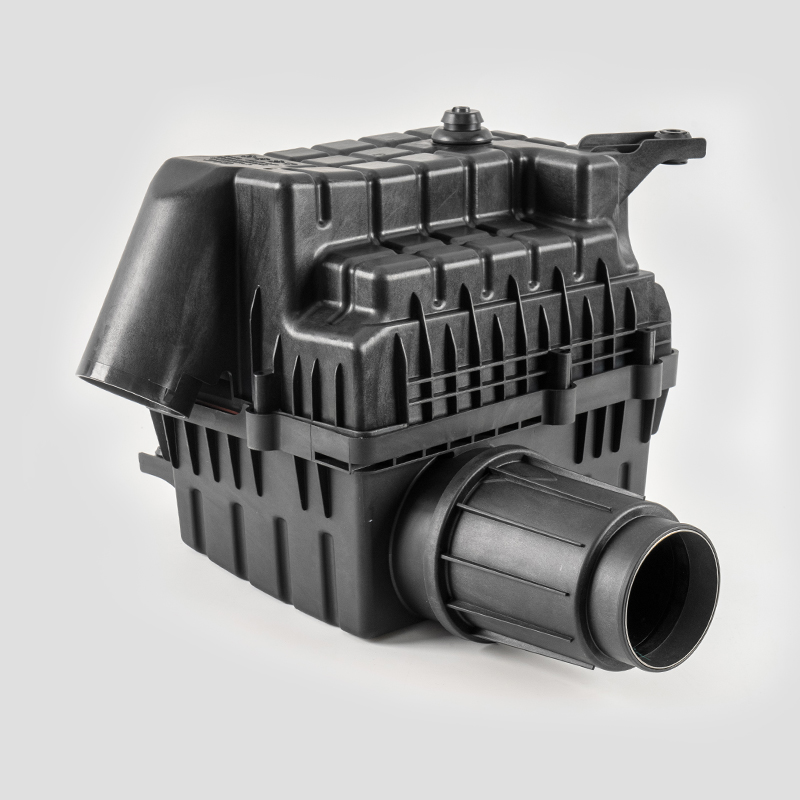
GAC A57 Automotive Engine Air Filtration System Housing Assembly
-
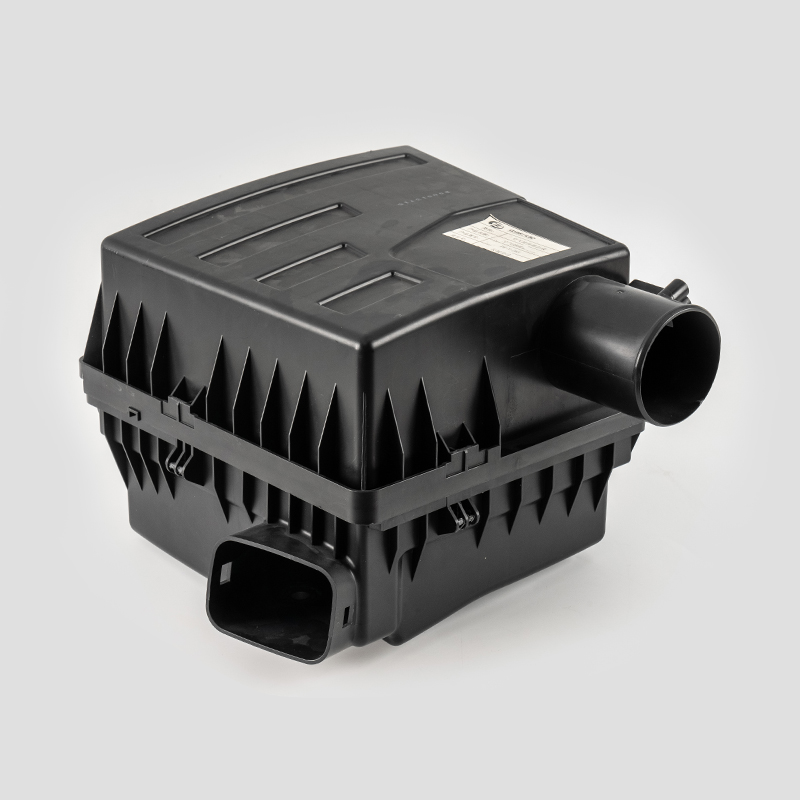
Great Wall A30 Automotive Engine Air Filtration System Housing Assembly
-

Great Wall B30 Automotive Engine Air Filtration System Housing Assembly
-
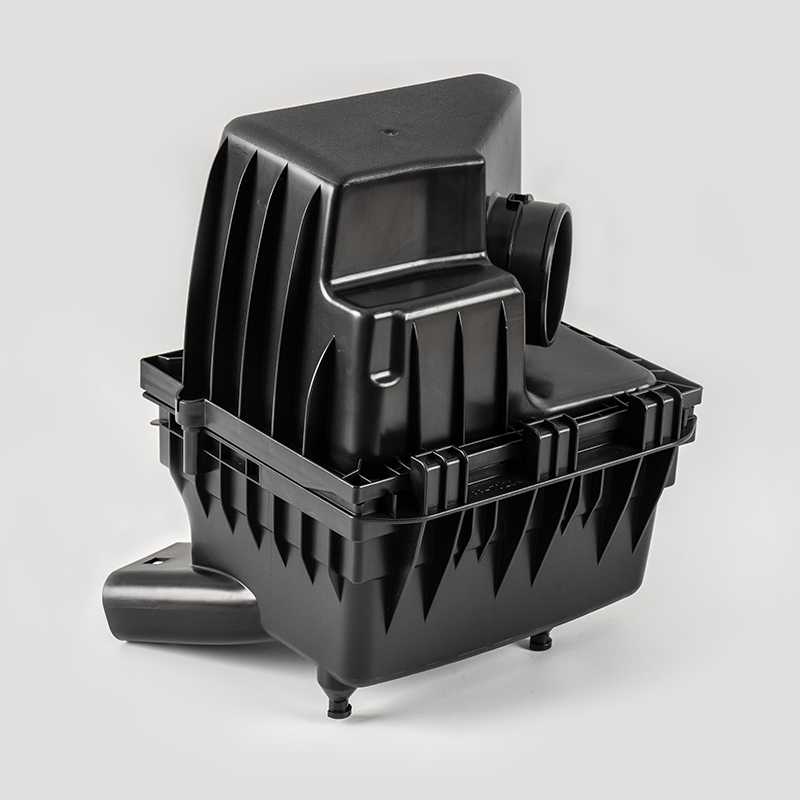
Great Wall Automotive Engine Air Filtration System Housing Assembly
-
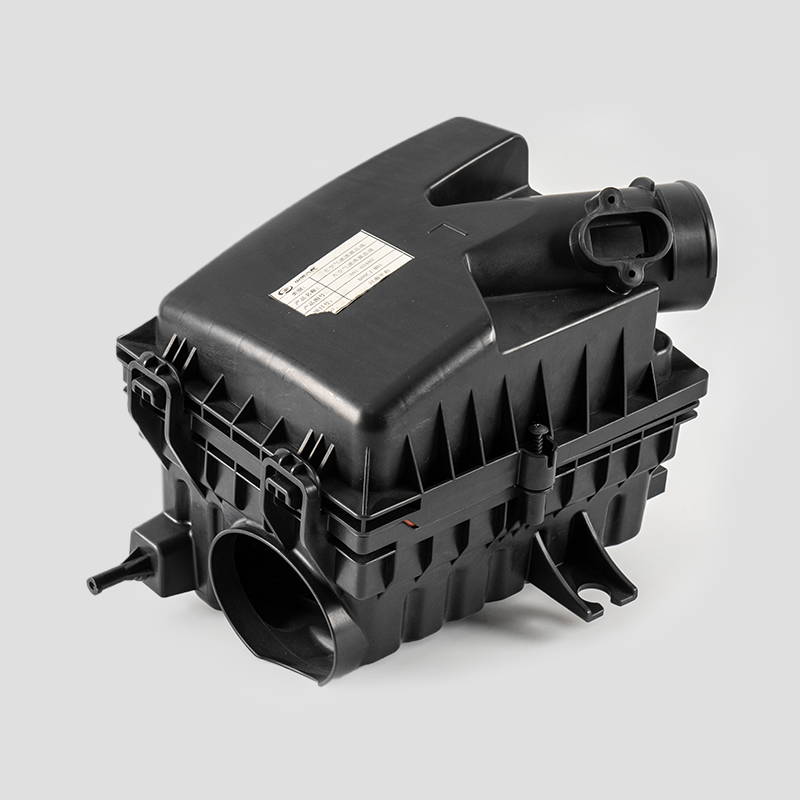
BAIC Automotive Engine Air Filtration System Housing Assembly
-
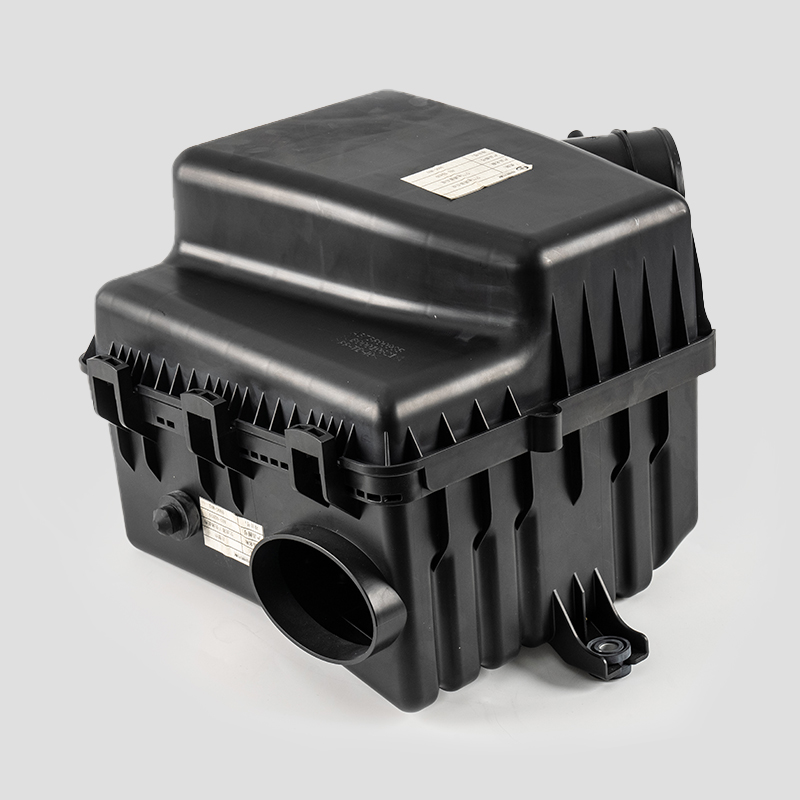
BAIC SUV Automotive Engine Air Filtration System Housing Assembly



Copyright © Ningbo Heyuan Auto Parts Co., Ltd. Rights Reserved. Custom Automobile Filter Parts Company OEM/ODM Automobile Filter Parts Manufacturer
